Who Is Brian Henson and Why Does He Matter?
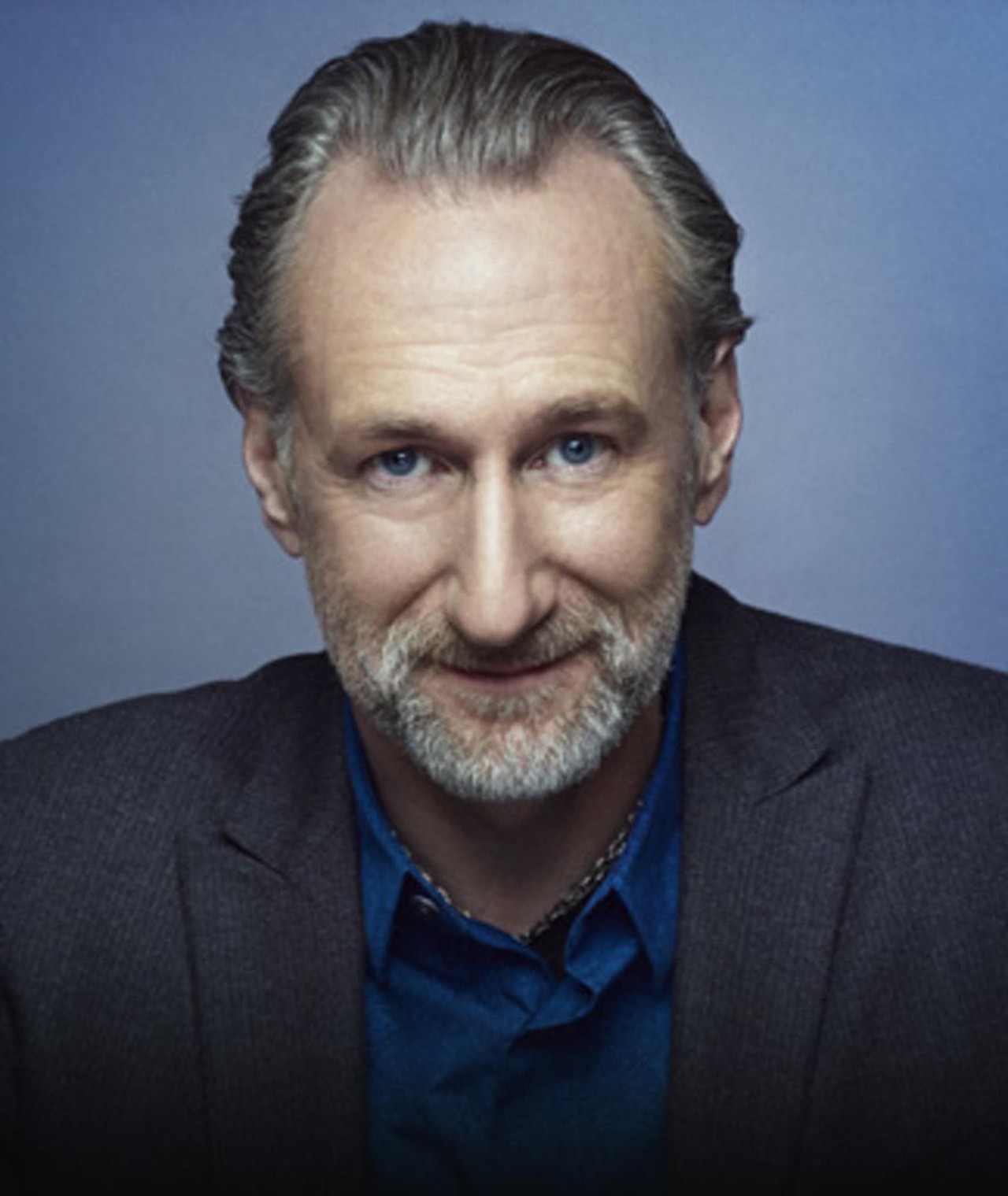
Brian Henson is an American puppeteer, director, producer, and the Chairman of The Jim Henson Company. As the son of legendary creator Jim Henson, he is the primary architect responsible for preserving his father’s legacy while evolvin...
Brian Henson is an American puppeteer, director, producer, and the Chairman of The Jim Henson Company. As the son of legendary creator Jim Henson, he is the primary architect responsible for preserving his father’s legacy while evolving the art of puppetry through digital innovation, adult-oriented satire, and high-concept science fiction.
Contents
The name Henson is synonymous with a specific brand of imagination that has captivated audiences for over half a century. While the world mourned the passing of Jim Henson in 1990, the responsibility of maintaining that creative spark fell largely upon his children, most notably Brian Henson. Now in 2026, looking back at nearly four decades of his leadership, it is clear that Brian did not merely act as a caretaker for a museum of felt and foam. Instead, he transformed the organization into a modern multimedia powerhouse that bridges the gap between classic practical effects and 21st-century digital performance.
The Succession: Taking the Reins at a Pivotal Moment
To understand why Brian Henson matters, one must understand the circumstances under which he assumed leadership. In May 1990, Jim Henson died unexpectedly at the age of 53. At the time, the company was in the middle of complex merger negotiations with The Walt Disney Company. The creative community feared that without its visionary founder, the "Henson magic" would dissipate.
Brian Henson, then only 27 years old, was named President and CEO. Despite his youth, he had already spent years in the "trenches" of the Creature Shop. He performed the Hoggle character in Labyrinth (1986) and operated the complex animatronics for Audrey II in Little Shop of Horrors (1986). His technical proficiency was matched by a deep understanding of the company's internal culture.
Under his early leadership, the company completed the transition from a family business to a global brand. He made the difficult but strategic decision to eventually sell the Muppets and Bear in the Big Blue House brands to Disney in 2004. This move allowed The Jim Henson Company to remain independent and focus on its original core mission: pushing the boundaries of puppetry and creature effects without being tethered to a single iconic franchise.
Directorial Milestones: Defining a Post-Jim Era
Brian Henson’s importance is most visible in his work behind the camera. He faced the monumental task of directing the first Muppet feature film after his father's death. The result was The Muppet Christmas Carol (1992), which is now considered a perennial holiday classic.
Why this film matters is due to its tone. Brian managed to strike a balance between the irreverent humor of the Muppets and a sincere, literary adaptation of Charles Dickens' work. He proved to the industry and the audience that the characters could live on, even if the man who started it all was gone. He followed this success with Muppet Treasure Island (1996), further solidifying the Muppets' place in 1990s cinema.
Beyond the Muppets, Brian’s directorial eye has always leaned toward the technical. He has been a primary force in the Jim Henson’s Creature Shop, ensuring that it remains the industry standard for animatronics. While CGI began to dominate Hollywood in the late 90s, Brian championed the "practical-plus" approach—using physical puppets enhanced by digital tools, a philosophy that has seen a massive resurgence in the mid-2020s.
Innovation: The Henson Digital Puppetry Studio
Perhaps Brian Henson’s most significant technical contribution to the entertainment industry is the development of the Henson Digital Puppetry Studio. This proprietary technology, which earned a Primetime Emmy Engineering Award, allows a puppeteer to manipulate a digital character in real-time using traditional puppetry interfaces.
This matters because it preserves the "soul" of the performance. Unlike traditional 3D animation, which is often a frame-by-frame process handled by animators, digital puppetry captures the spontaneous timing and nuances of a live performer.
- Real-time Interaction: Characters can "talk back" to live-action actors or audiences immediately.
- Cost Efficiency: It significantly reduces the time required for rendering and animation in television production.
- Educational Impact: This technology has been used in shows like Sid the Science Kid, making high-quality animation accessible for educational television budgets.
By 2026, this technology has evolved further into the realm of virtual production, influencing how major studios handle motion capture and real-time character rendering on LED "Volumes."
Diversifying the Portfolio: Farscape and Beyond
Brian Henson matters because he refused to let the company be pigeonholed as a "kids' brand." He recognized that the artistry of the Creature Shop could be applied to more mature, complex storytelling. This vision culminated in the cult-hit science fiction series Farscape (1999–2003).
Farscape was a revolutionary show that featured two main characters who were animatronic puppets (Rygel and Pilot) alongside human actors. It showcased a level of grit and alien world-building that was previously unseen on television. Brian’s insistence on using practical creatures gave the show a tactile, "lived-in" quality that CGI-heavy shows of that era lacked.
In more recent years, Brian has continued to push the "adult puppetry" envelope with projects like Puppet Up! - Uncensored, a live improv show, and the feature film The Happytime Murders (2018). While the latter received mixed critical reviews, it served a vital purpose: it re-established the idea that puppetry is a medium, not a genre for children. This distinction has been essential for the survival of puppetry as an art form in the modern era.
Summary of Key Contributions
The following table outlines the major projects and innovations led by Brian Henson that have shaped the industry as we know it in 2026.
| Project/Innovation | Primary Role | Industry Impact |
|---|---|---|
| The Muppet Christmas Carol | Director | Proved the Muppets could survive and thrive post-Jim Henson. |
| Farscape | Executive Producer | Revolutionized the use of practical effects in television sci-fi. |
| Digital Puppetry Studio | Developer/Visionary | Bridged the gap between live performance and 3D animation. |
| The Dark Crystal: Age of Resistance | Executive Producer | Proved there was a massive global appetite for high-fantasy puppetry. |
| Creature Shop Challenge | Host/Judge | Educated the public on the technical artistry of creature effects. |
Why He Matters in 2026
As of 2026, the entertainment landscape has seen a major shift back toward "authentic" filmmaking. Audiences have grown weary of over-saturated CGI, leading to a renewed appreciation for practical effects. Brian Henson is the figurehead of this movement.
The Jim Henson Company under his chairmanship continues to act as an incubator for innovation. Whether it is through the ongoing work of the Creature Shop—which provides effects for everything from indie horror to major Marvel-scale blockbusters—or through the development of new IP for streaming platforms, Brian remains the guardian of the "Henson Way."
He matters because he successfully navigated the transition from a 20th-century family business to a 21st-century tech-creative hybrid. He ensured that the hand-crafted, human element of performance was not lost in the digital transition. For anyone interested in the intersection of technology, storytelling, and the preservation of artistic legacy, Brian Henson is a foundational figure.
Common Questions About Brian Henson
Is Brian Henson still in charge of the Muppets?
No. In 2004, The Jim Henson Company sold the Muppets to Disney. While Brian has occasionally consulted or worked on Muppet-related projects since then, he does not oversee the brand. He remains Chairman of The Jim Henson Company, which owns The Dark Crystal, Labyrinth, Fraggle Rock, and the Creature Shop.
Did Brian Henson perform any famous characters?
Yes. Brian is a world-class puppeteer. He is perhaps best known for performing Hoggle (voice by Shari Weiser) in Labyrinth and the Dog in The Storyteller. He also performed the lead role of Sal Minella on Muppets Tonight and has been a primary performer in many of his own productions.
How does his style differ from his father, Jim Henson?
While Jim was a relentless optimist and a pioneer of early television, Brian’s work often explores slightly darker, more complex, or technically ambitious themes. Brian has pushed more aggressively into science fiction and adult-targeted content, while still maintaining the core Henson values of wonder and inclusivity.
What is the Jim Henson Creature Shop?
The Creature Shop is a world-renowned animatronics and effects company founded by Jim Henson and currently overseen by Brian. It provides character building and visual effects services to the entire film and television industry, not just Henson-owned productions. It is arguably the most important physical effects house in history.
What is Brian Henson's most recent major project?
In the mid-2020s, Brian has focused heavily on the expansion of the Fraggle Rock and Dark Crystal universes for streaming platforms, while also producing new experimental content using the Henson Digital Puppetry Studio. He continues to lead the company's efforts in "Virtual Production," integrating physical puppets with real-time digital backgrounds.
Practical Recommendation for Fans and Creators
If you want to understand the modern impact of Brian Henson, the best place to start is the documentary series and "making of" specials related to The Dark Crystal: Age of Resistance. These provide a deep dive into how he manages the balance between traditional craftsmanship and modern technology. For creators, studying the Henson Digital Puppetry Studio offers a roadmap for how live performance can coexist with—and improve—digital animation.
Image Gallery