Will Life Insurance Put Me in a Different Tax Bracket?
Generally, life insurance payouts to beneficiaries are income tax-free, meaning they will not push you or your heirs into a higher tax bracket. However, the taxation of life insurance depends heavily on how the policy is structured, wh...
Generally, life insurance payouts to beneficiaries are income tax-free, meaning they will not push you or your heirs into a higher tax bracket. However, the taxation of life insurance depends heavily on how the policy is structured, whether the policy is surrendered for cash, or if it generates taxable interest. Understanding the distinction between death benefits, cash value growth, and policy dividends is essential for effective financial planning in 2026.
Contents
Understanding the Tax Treatment of Death Benefits
For most individuals, the primary purpose of life insurance is to provide a financial safety net for beneficiaries in the event of the policyholder's death. Under current Internal Revenue Service (IRS) regulations, life insurance death benefits paid to a named beneficiary are typically excluded from gross income. This exclusion means that the receipt of these funds does not increase your taxable income, and therefore, it cannot push you into a higher federal tax bracket.
It is important to note, however, that while the proceeds are generally income tax-free, they may still be subject to federal estate taxes if the estate's value exceeds the current exemption thresholds. In 2026, the federal estate tax exemption remains a significant figure, but it is indexed for inflation. If you own the policy on your own life, the death benefit may be considered part of your taxable estate. To mitigate this, some high-net-worth individuals utilize an Irrevocable Life Insurance Trust (ILIT) to move the policy proceeds outside of their taxable estate, ensuring that the inheritance remains protected from both income and estate taxes.
Tax Implications of Cash Value Life Insurance
While term life insurance is straightforward—providing a death benefit for a specific period—permanent life insurance (such as Whole Life or Universal Life) includes a "cash value" component. This cash value grows over time, and the tax treatment of this growth is where complexity arises.
Tax-Deferred Growth
In most permanent life insurance policies, the cash value grows on a tax-deferred basis. This means you do not pay income tax on the interest or investment gains while they remain inside the policy. Because these gains are not recognized as taxable income annually, they do not impact your current tax bracket.
Policy Loans and Withdrawals
You can often access the cash value of a permanent policy through withdrawals or loans.
- Withdrawals: These are typically treated as a return of the "cost basis" (the premiums you have paid) first. You do not pay taxes on withdrawals until you have recovered your entire cost basis. Once you withdraw more than you have paid in, the excess is treated as taxable income.
- Loans: Taking a loan against your policy is not considered a taxable event, provided the policy remains in force. Because it is a loan—not a distribution—the money received is not treated as income, and thus, it does not affect your tax bracket. However, if the policy lapses while a loan is outstanding, the IRS may treat the forgiven debt as taxable income.
Comparison of Tax Scenarios for Life Insurance
The following table summarizes how different life insurance events typically interact with your tax status.
| Event Type | Typical Tax Treatment | Impact on Tax Bracket |
|---|---|---|
| Death Benefit Payout | Income Tax-Free | None |
| Cash Value Growth | Tax-Deferred | None (while inside policy) |
| Policy Loan | Generally Tax-Free | None |
| Surrendering Policy (Gain > Basis) | Taxed as Ordinary Income | Possible increase |
| Dividends (Mutual Company) | Tax-Free (Return of Premium) | None |
When Life Insurance Can Impact Your Taxes
Although death benefits are usually exempt from income tax, there are specific scenarios where life insurance activities can lead to an increase in your taxable income, potentially shifting your tax bracket if the gains are substantial.
Surrendering a Policy for Cash
If you decide to surrender your permanent life insurance policy for its cash value, you must compare the amount received to your "cost basis." If the cash surrender value exceeds the total premiums you have paid, the profit is considered taxable income. If this profit is large enough, it could technically push your total annual income into a higher tax bracket for the year in which you surrender the policy.
Modified Endowment Contracts (MECs)
If you fund a permanent life insurance policy too quickly, it may become classified as a Modified Endowment Contract (MEC) under IRS rules. Once a policy is an MEC, any withdrawals or loans are taxed on a "gain-first" basis, similar to an annuity. This removes the tax-advantaged status of the cash value and could result in significant, unexpected tax liabilities.
Interest on Death Benefits
In rare cases, if an insurance company holds onto the death benefit for a period after the insured's death and pays interest on that money, that interest component is considered taxable income. The principal death benefit remains tax-free, but the interest portion must be reported, which could marginally increase your taxable income.
Strategies for Managing Tax Exposure
To ensure that your life insurance remains a tax-efficient tool, consider the following best practices:
- Monitor Your Basis: Keep meticulous records of all premiums paid. Knowing your cost basis helps you calculate whether a withdrawal or surrender will result in a taxable gain.
- Avoid MEC Status: Work closely with a licensed financial advisor or tax professional when determining your premium payment schedule to ensure your policy does not inadvertently become a Modified Endowment Contract.
- Utilize Loans Wisely: If you need liquidity, consider borrowing against the cash value rather than withdrawing it. This keeps the policy in force and provides tax-free access to funds, provided the policy is managed correctly to avoid a lapse.
- Review Beneficiary Designations: Ensure that your beneficiary designations are current to avoid legal complications that could inadvertently cause the death benefit to flow through the estate, potentially triggering estate tax issues.
Frequently Asked Questions
Are life insurance dividends considered taxable income?
Generally, no. Dividends received from a life insurance policy issued by a mutual company are viewed by the IRS as a return of premium, not as profit. Therefore, they are not taxed. However, if dividends exceed the total premiums paid, the excess may be taxable.
Does the money I pay for life insurance premiums reduce my taxes?
In most cases, life insurance premiums are paid with after-tax dollars and are not tax-deductible for individuals. If you are a business owner paying for key-person insurance, the rules differ; check with your tax advisor regarding deductibility in a corporate context.
What happens to my taxes if I cancel a policy that has a loan against it?
If you cancel (surrender) a policy that has an outstanding loan, and the cash value is used to pay off that loan, you could be hit with a "phantom income" tax bill. If the total cash value exceeds your cost basis, the IRS treats the gain as taxable income, even though you did not receive a check for that amount.
Can term life insurance ever impact my taxes?
Term life insurance generally has no cash value and provides no tax-deferred growth. It is purely a death benefit product. As such, it almost never has any impact on your tax bracket, as the payout is considered a tax-free receipt of proceeds.
Next Steps for Tax-Efficient Planning
If you are concerned about how your life insurance might affect your taxes in 2026, the most effective step is to perform an annual policy review. Contact your insurance carrier to obtain an "in-force illustration" and an "as-of" statement that identifies your current cash value and your total cost basis.
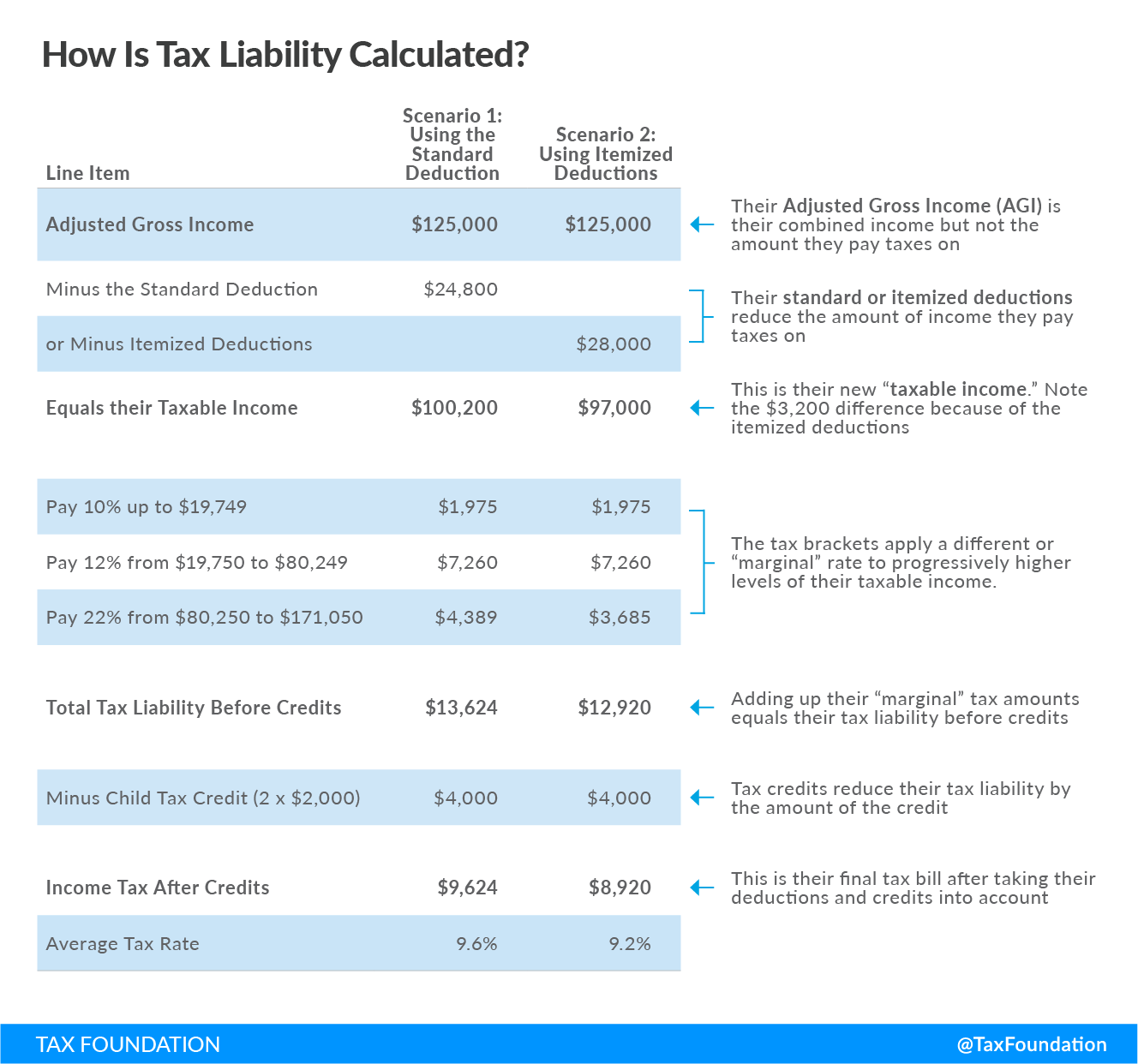
If you are planning to make a large withdrawal or surrender a policy, consult with a Certified Public Accountant (CPA) or tax attorney. Because tax brackets are progressive, a large, one-time distribution from a policy could create a significant tax event. Professional guidance can help you time these distributions to minimize the impact on your overall tax liability.
Image Gallery