Understanding Reflector Lamps in Travel Lighting for 2026
A reflector lamp in travel lighting is a portable illumination source featuring a built-in reflective surface designed to direct and intensify light into a specific beam. In 2026, these lamps primarily utilize high-efficiency LED techn...
A reflector lamp in travel lighting is a portable illumination source featuring a built-in reflective surface designed to direct and intensify light into a specific beam. In 2026, these lamps primarily utilize high-efficiency LED technology and specialized optics to provide concentrated, directional light for photography, videography, and mobile workspaces while maintaining a compact, lightweight form factor.
Contents
The Evolution and Role of Reflector Lamps in Portable Gear
The concept of the reflector lamp has undergone a significant transformation. Historically associated with stationary architectural lighting—such as the ubiquitous MR16 halogen bulbs—reflector technology is now the backbone of professional-grade travel lighting. By 2026, the integration of Chip-on-Board (COB) LEDs with precision-engineered parabolic reflectors has allowed travelers to carry studio-quality light in a backpack.
A reflector lamp serves a singular primary purpose: optical control. Unlike an omnidirectional bulb that scatters light in all directions, a reflector lamp uses its internal geometry to capture light emitted from the rear and sides of the source, redirecting it forward. This prevents "spill" and ensures that the maximum number of lumens reaches the subject. For a traveler, this efficiency is critical because it allows for brighter illumination with lower power consumption, directly extending the battery life of portable power banks and internal lithium-ion cells.
In the current landscape of 2026, travel lighting is no longer just about "being bright." It is about the quality of light (Color Rendering Index or CRI) and the shape of the beam. Reflector lamps allow users to switch between "Spot" beams for long-distance reach and "Flood" beams for wide-area illumination, often through interchangeable magnetic reflector modifiers.
Technical Specifications: Anatomy of a Modern Reflector Lamp
To select the right reflector lamp for travel, one must understand the technical specifications that define performance in the field. As of 2026, the industry has standardized several metrics that help users distinguish between consumer-grade flashlights and professional travel reflector lamps.
Beam Angle and Field Angle
The beam angle is the most critical specification. It is defined as the angle where the light intensity drops to 50% of its peak value.
- Narrow Spot (5°–15°): Ideal for highlighting specific subjects at a distance or creating dramatic "rim light" in travel photography.
- Medium Flood (25°–45°): The standard for mobile interviews or lighting a small campsite.
- Wide Flood (>50°): Used for illuminating interiors of vans, tents, or small architectural spaces.
Luminous Efficacy and CBCP
While "lumens" measure total light output, Center Beam Candlepower (CBCP) measures the intensity at the center of the beam. A reflector lamp with a high CBCP is more effective for travel because it can overcome ambient sunlight or "throw" light across a dark landscape. In 2026, top-tier travel reflectors achieve an efficacy of over 150 lumens per watt, thanks to advancements in Gallium Nitride (GaN) power stages and high-density LED arrays.
Color Metrics (CRI and TLCI)
For content creators traveling in 2026, a reflector lamp must have a CRI (Color Rendering Index) of at least 96 and a TLCI (Television Lighting Consistency Index) of 98+. These ratings ensure that skin tones and natural colors appear vibrant and accurate when captured on digital sensors, reducing the need for extensive post-production color grading.
Comparative Analysis: Reflector vs. Lens-Based Optics
Travelers often choose between reflector-based systems and Total Internal Reflection (TIR) lens systems. Both have distinct advantages depending on the specific travel use case.
| Feature | Reflector-Based Lamp | TIR Lens-Based Lamp |
|---|---|---|
| Beam Profile | Distinct "hot spot" with a soft outer spill (corona). | Clean, uniform beam with very little spill. |
| Efficiency | Extremely high; minimal light is lost within the housing. | Slightly lower due to light absorption in the lens material. |
| Weight | Very lightweight (often uses aluminum or plastic shells). | Heavier due to the mass of the solid optical lens. |
| Durability | Vulnerable to dust/scratches on the reflective surface. | High; the lens acts as a protective shield for the LED. |
| Best Use Case | Long-distance "throw" and dramatic lighting. | Near-field, uniform lighting for reading or video. |
Practical Applications for the 2026 Traveler
The utility of a reflector lamp depends heavily on the traveler's intent. The 2026 market caters to three distinct segments: the digital nomad, the outdoor adventurer, and the mobile content creator.
Mobile Professional and Digital Nomad
For those working in "work-from-anywhere" environments, reflector lamps are essential for video conferencing in poorly lit hotel rooms or cafes. A small, clipped-on reflector lamp can provide a "key light" that separates the user from the background. By using a medium-flood reflector, the light is directed at the face without blinding the user or bothering nearby people, which is a common issue with non-directional lighting.
High-End Outdoor Exploration
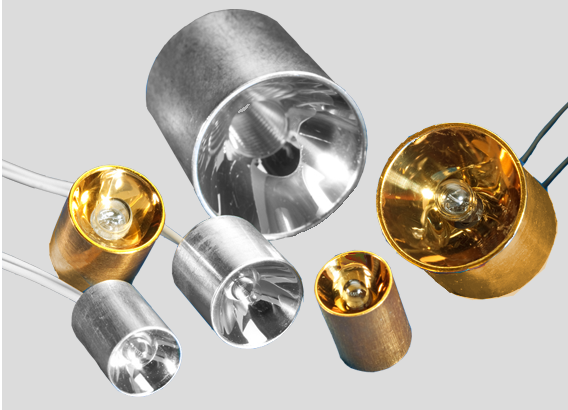
In the realm of camping and van life, reflector lamps are used for task lighting. A lamp with a faceted reflector—one that has a "pebbled" texture—is preferred here because it smooths out the beam, eliminating the harsh rings often found in cheap flashlights. This makes it easier on the eyes during prolonged use, such as cooking or repairing gear at night.
Remote Content Creation
The most sophisticated use of reflector lamps in 2026 is found among travel vloggers. Modern portable COB lights (like those from Aputure or Godox) allow for "Bowens Mount" mini-reflectors. These allow the creator to shape light precisely, mimicking a studio environment in remote locations like the Icelandic highlands or the Saharan dunes.
Power Management and Connectivity
In 2026, the "travel" aspect of lighting is defined by its power ecosystem. Reflector lamps have largely transitioned away from proprietary chargers to USB-C Power Delivery (PD) 3.1.
Battery Integration
Most high-end travel reflector lamps now feature swappable 21700 lithium batteries or integrated high-capacity pouches. These units can often function as power banks, allowing a traveler to charge a smartphone or camera using the lamp’s internal battery in an emergency.
Smart Controls and Matter Compatibility
The integration of the Matter protocol allows travel reflector lamps to be controlled via smartphone or voice commands without needing a specialized app for every brand. A traveler can set up multiple lights around a campsite or a temporary studio and adjust the brightness and color temperature (CCT) of all units simultaneously from a single interface. This is particularly useful when the lights are mounted on high stands or in hard-to-reach positions.
Common Challenges and Troubleshooting
Despite the technical leaps of 2026, reflector lamps in a travel context face specific environmental and mechanical challenges.
- Thermal Throttling: Small lamps generate significant heat. In hot climates, the lamp's internal sensors may reduce brightness to protect the circuitry. Look for lamps with "active cooling" (micro-fans) or sophisticated heat-sinking.
- Reflector Degradation: In coastal or humid environments, the silvering or polished aluminum inside a reflector can oxidize or become pitted. Always use protective caps when the lamp is not in use.
- Beam Artifacts: If a reflector becomes slightly misaligned due to a drop, the beam may develop a "dark spot" in the center. Modern travel lamps often feature "user-serviceable" optical modules that can be snapped back into place.
- Flicker in Slow Motion: When filming high-frame-rate video (common in 2026 mobile devices), some lower-quality reflector lamps may exhibit flickering. Ensure the lamp uses a high-frequency PWM (Pulse Width Modulation) driver, typically marketed as "Flicker-Free."
Selection Criteria: How to Choose a Travel Reflector Lamp
When purchasing a reflector lamp for use in 2026, prioritize the following factors:
- Weight-to-Lumen Ratio: A traveler should aim for at least 500 lumens per 100 grams of weight.
- Mounting Versatility: Look for 1/4-20" tripod threads and magnetic bases. This allows the lamp to be attached to rental cars, hotel fixtures, or standard travel tripods.
- Weather Resistance: An IP65 rating is the minimum for any lamp intended for outdoor travel, ensuring protection against dust and rain.
- Dual Power Modes: The ability to run off both internal batteries and an external USB-C power source provides maximum flexibility.
Frequently Asked Questions
Can I take my reflector lamp on an airplane in 2026?
Yes, but with restrictions regarding the batteries. Most travel reflector lamps use lithium-ion batteries, which must be carried in your carry-on luggage, not in checked bags. According to FAA and EASA guidelines, individual batteries generally must not exceed 100 watt-hours (Wh) without airline approval. Always check the Wh rating printed on your lamp's battery before heading to the airport.
What is the difference between a "reflector lamp" and a "softbox" for travel?
A reflector lamp is a direct light source that uses a hard surface to bounce light forward, creating a relatively "hard" light with sharp shadows. A softbox is a modifier that goes over a lamp to diffuse the light, making it "softer" with gradual shadow transitions. Many 2026 travel lamps are "hybrid" systems where a small reflector is used to punch light into a foldable diffusion dome.
Does a higher wattage always mean a brighter travel light?
Not necessarily. In 2026, the efficiency of the LED chip and the quality of the reflector optics are more important than raw wattage. A 20-watt lamp with a precision-engineered parabolic reflector can often out-throw a 50-watt lamp with poor optics. Focus on the Effective Lumens and CBCP ratings rather than just the wattage.
How do I clean the internal reflector surface?
Never touch the reflective surface with your fingers, as oils can cause permanent staining or "hot spots" that damage the finish. Use clean, compressed air to blow out dust. If there is significant grime, a specialized optical cleaning cloth or a microfiber swab with a tiny amount of isopropyl alcohol can be used, but only if the manufacturer’s manual specifically allows it.
Are there "Smart" reflector lamps for travel?
Yes. Most professional-grade travel lamps in 2026 include Bluetooth or Mesh networking. This allows you to control the light via a smartphone app. Some even include "Light Effects" (like fire, lightning, or TV flicker) which are useful for travel filmmakers who want to add atmosphere to their location shoots.
Final Recommendation
For the majority of travelers in 2026, the most balanced choice is a COB LED reflector lamp with a modular mounting system. This setup offers the flexibility of a wide beam for general use and the ability to snap on a 15-degree reflector for specialized tasks or photography. Prioritize units with USB-C PD charging and a CRI of 96+ to ensure your lighting gear is as future-proof and versatile as the rest of your travel kit.
Image Gallery