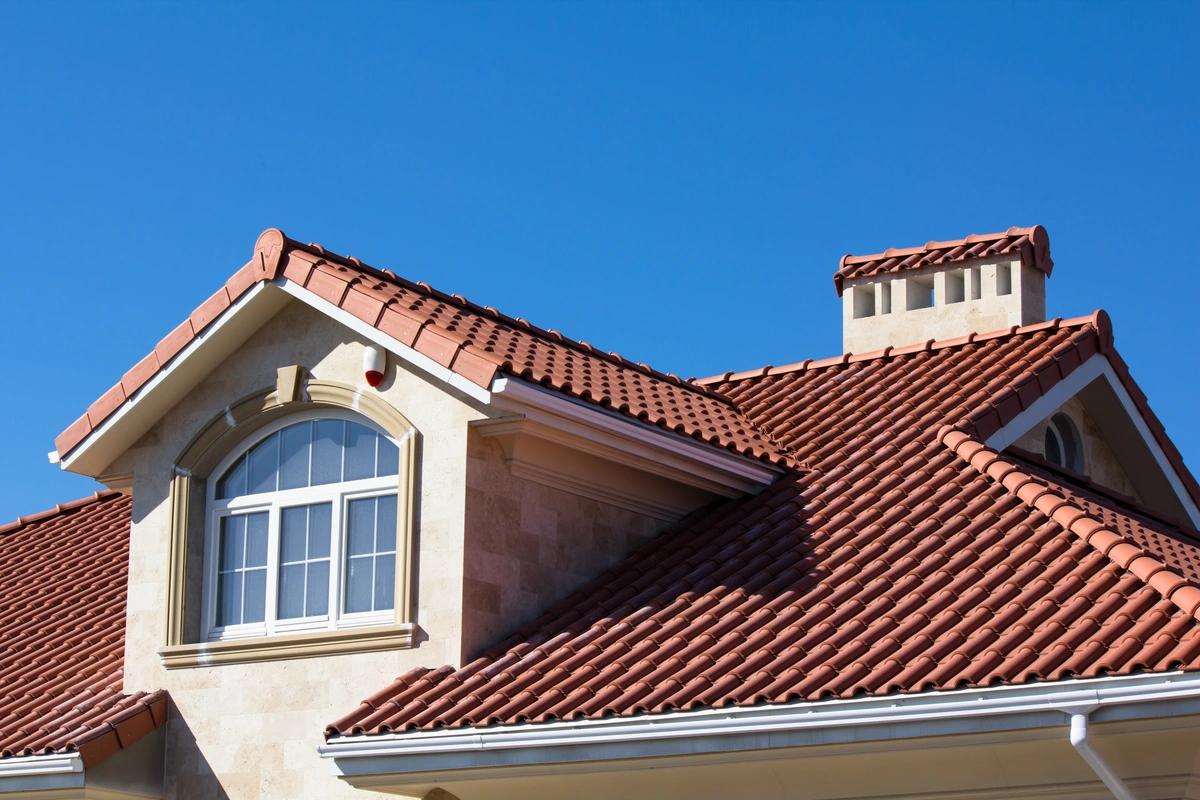
Can You Walk on a Tile Roof Safely? A Guide to Damage Prevention and Safety
Walking on a tile roof is possible but inherently risky for both the individual and the structural integrity of the roof. To do so safely, you must utilize specific weight-distribution techniques, wear soft-soled footwear, and employ p...
Walking on a tile roof is possible but inherently risky for both the individual and the structural integrity of the roof. To do so safely, you must utilize specific weight-distribution techniques, wear soft-soled footwear, and employ professional-grade fall protection. Non-professionals should generally avoid walking on tiles to prevent costly fractures and dangerous slips.
Contents
Tile roofs, whether composed of terracotta clay or high-density concrete, are celebrated for their longevity, fire resistance, and thermal mass. However, their primary weakness is brittleness. Unlike asphalt shingles, which are flexible and can withstand significant foot traffic, roofing tiles are designed to shed water and resist wind, not to support the concentrated weight of a human being. As of 2026, the cost of replacing individual custom tiles has risen significantly due to supply chain shifts and specialized labor requirements, making accidental damage a major financial liability for homeowners.
Understanding the Fragility of Different Tile Materials
Before attempting to step onto a roof, it is critical to understand what is beneath your feet. Not all tiles are created equal, and their load-bearing capacities vary based on material composition and age.
Clay Tiles
Traditional clay tiles are made from molded earth baked in high-temperature kilns. While they can last over a century, they are the most fragile of all roofing materials when subjected to point loads. Clay tiles often have internal air pockets or "voids" created during the firing process, which can cause them to snap instantly if stepped on in the center.
Concrete Tiles
Concrete tiles are more modern and generally more durable than clay. They are made from a mixture of Portland cement, sand, and water. While they offer higher breaking strength, they are still prone to "corner breaks" and "transverse cracks" if weight is applied incorrectly. By 2026, many concrete tiles incorporate polymer reinforcements, but even these "high-impact" versions are not immune to damage from improper foot placement.
Composite and Synthetic Tiles
Newer synthetic tiles made from recycled plastics or rubber are significantly more "walkable." However, these are often installed over specialized battens that require specific foot placement to prevent bending the material.
| Tile Type | Durability Level | Walkability Rating | Primary Risk Factor |
|---|---|---|---|
| Traditional Clay | High (100+ years) | Very Low | Brittle snapping, internal voids |
| Concrete | High (50+ years) | Moderate | Edge cracking, heavy weight |
| Fiber Cement | Moderate | Low | Delamination, moisture absorption |
| Synthetic/Composite | High (50 years) | High | Scuffing, batten compression |
| Glazed Ceramic | High (75+ years) | Very Low | Extreme slip hazard, surface chipping |
The Mechanics of Weight Distribution
The secret to walking on a tile roof safely—if it must be done—lies in weight distribution. When a person walks normally, they exert a force that is several times their body weight onto a small area (the heel or ball of the foot). On a tile roof, this concentration of force is almost guaranteed to crack the substrate.
To minimize damage, you must adopt a "flat-footed" gait. This involves keeping as much of your foot's surface area in contact with the tile as possible. Professional roofers often use "roof ladders" or "walk boards" (long planks of wood with padded bottoms) to bridge the gap between several tiles, spreading their weight across the structural rafters rather than the individual tiles.
Foot Placement: The "Sweet Spot"
Roofing tiles are typically installed in a lapping pattern, where the top tile overlaps the one below it. The strongest point of any tile is the bottom third, where it overlaps the tile beneath it and is supported by the roof batten.
- Step on the Overlap: Always aim for the lower middle of the tile. This is where the tile is most supported.
- Avoid the Valleys: Never step in the "pan" or valley of a barrel-shaped (S-tile) roof. The curve of the tile is unsupported and will collapse under pressure.
- Stay Away from Ridges: The ridge caps (the tiles at the very peak) are often only held by mortar or small clips. They are highly unstable and prone to sliding.
Essential Safety Equipment for 2026
Safety should never be a secondary concern. In 2026, residential safety standards remain rigorous, and many insurance providers now require proof of professional safety measures before covering claims related to roof accidents.
Fall Arrest Systems
If you are working higher than six feet above the ground, a fall arrest system is mandatory. This includes:
- Full-Body Harness: Distributes the force of a fall across the thighs, pelvis, chest, and shoulders.
- Anchor Point: A heavy-duty steel loop bolted into the structural ridge beam.
- Lanyard or Lifeline: A shock-absorbing rope that connects the harness to the anchor.
Specialized Footwear
Never walk on a tile roof in work boots with hard soles or heels. The best footwear for tile roofs is a soft-soled sneaker or specialized roofing boot with high-friction rubber soles (such as those made by Cougar Paws). The soft rubber molds to the texture of the tile, providing grip while cushioning the impact of your steps.
Roof Brackets and Walk Boards
For extended maintenance tasks, such as painting trim or repairing a chimney, professionals use roof brackets that hook over the tiles and support wooden planks. This creates a level, stable walking surface that protects the tiles from direct contact.
Common Risks and How to Mitigate Them
The Slip Hazard
Tile roofs are notorious for being slippery. Even a thin layer of dust, morning dew, or "roof algae" can turn a tile roof into a literal slide.
- Mitigation: Only access the roof during the middle of the day when the sun has evaporated any moisture. Never walk on a roof that has visible moss or lichen growth without first applying a professional-grade cleaning solution from a distance.
Thermal Expansion and Contraction
Tiles expand when hot and contract when cold. Walking on a tile roof during extreme temperature swings—such as a hot afternoon following a cold night—increases the likelihood of stress fractures.
- Mitigation: Perform inspections during mild weather conditions to ensure the material is stable.
Underlayment Damage
Even if the tiles don't break, walking on them can shift them slightly, potentially tearing the underlayment (the waterproof membrane underneath). In 2026, most roofs use synthetic underlayments, but older homes may still have organic felt which becomes brittle over time.
- Mitigation: If you hear a "grinding" sound while walking, the tiles are shifting. Stop immediately, as this indicates the fasteners are loose or the underlayment is at risk.
When to Call a Professional
While homeowners may feel confident performing small tasks like clearing a gutter, there are specific scenarios where DIY roof walking is strictly inadvisable:
- Steep Pitches: Any roof with a slope greater than 4:12 (approx. 18 degrees) should be handled by pros with specialized steep-slope equipment.
- Solar Panel Maintenance: Walking around solar arrays on a tile roof is exceptionally dangerous, as it requires navigating tight spaces where weight distribution is impossible.
- Leak Detection: Finding a leak often requires lifting tiles. This is a technical process that can compromise the roof's waterproofing if done incorrectly.
Maintenance Alternatives to Walking on the Roof
In many cases, you can maintain your tile roof without ever setting foot on it.
- Drone Inspections: In 2026, high-resolution drones are the standard for initial roof inspections. They can spot cracked tiles and blocked valleys from a safe distance.
- Telescoping Tools: Use a telescoping pole with a soft brush attachment to clear debris from gutters or valleys while standing on a ladder.
- Soft-Washing Systems: Instead of pressure washing (which destroys tiles), use a "soft-wash" chemical application from the ladder line to kill moss and algae.
FAQ
Can I use a regular ladder on a tile roof?
No, you should never lean a heavy extension ladder directly against the edge of a tile roof without a ladder "stand-off" or stabilizer. The weight of the ladder combined with your weight as you climb will likely crush the eave tiles, which are the most difficult to replace.
What should I do if I accidentally crack a tile?
If a tile cracks, it must be replaced or repaired immediately. You can use specialized roofing sealant for minor hairline cracks, but any tile that is split into pieces must be swapped for a matching tile. A single cracked tile allows UV rays to degrade the underlayment, leading to major leaks within 12 to 24 months.
Does walking on a tile roof void the warranty?
In many cases, yes. Most tile manufacturers and roofing contractors include clauses in their warranties that negate coverage if damage is caused by unauthorized foot traffic. Always check your warranty documentation before attempting DIY maintenance.
How do professionals clean tile roofs without breaking them?
Professional cleaners often use "rolling" walk systems or specialized foam pads that they lay down as they move. Many modern cleaning services also utilize low-pressure sprayers from the safety of a cherry picker or lift, avoiding the roof surface entirely.
Are older tile roofs more dangerous to walk on?
Yes. Over decades, clay and concrete tiles become "weathered." This process involves microscopic structural weakening due to freeze-thaw cycles and sun exposure. An older tile that looks solid may have the structural integrity of a cracker, snapping the moment weight is applied.
Final Recommendation
If you must walk on your tile roof, prioritize weight distribution and safety gear above all else. Use soft-soled shoes, stay on the bottom third of the tiles, and never work alone. However, the most cost-effective and safest way to manage a tile roof in 2026 is to utilize drone technology for inspections and professional "no-walk" cleaning services for maintenance. The risk of a fall or a multi-thousand-dollar repair bill far outweighs the convenience of a DIY approach.
Image Gallery