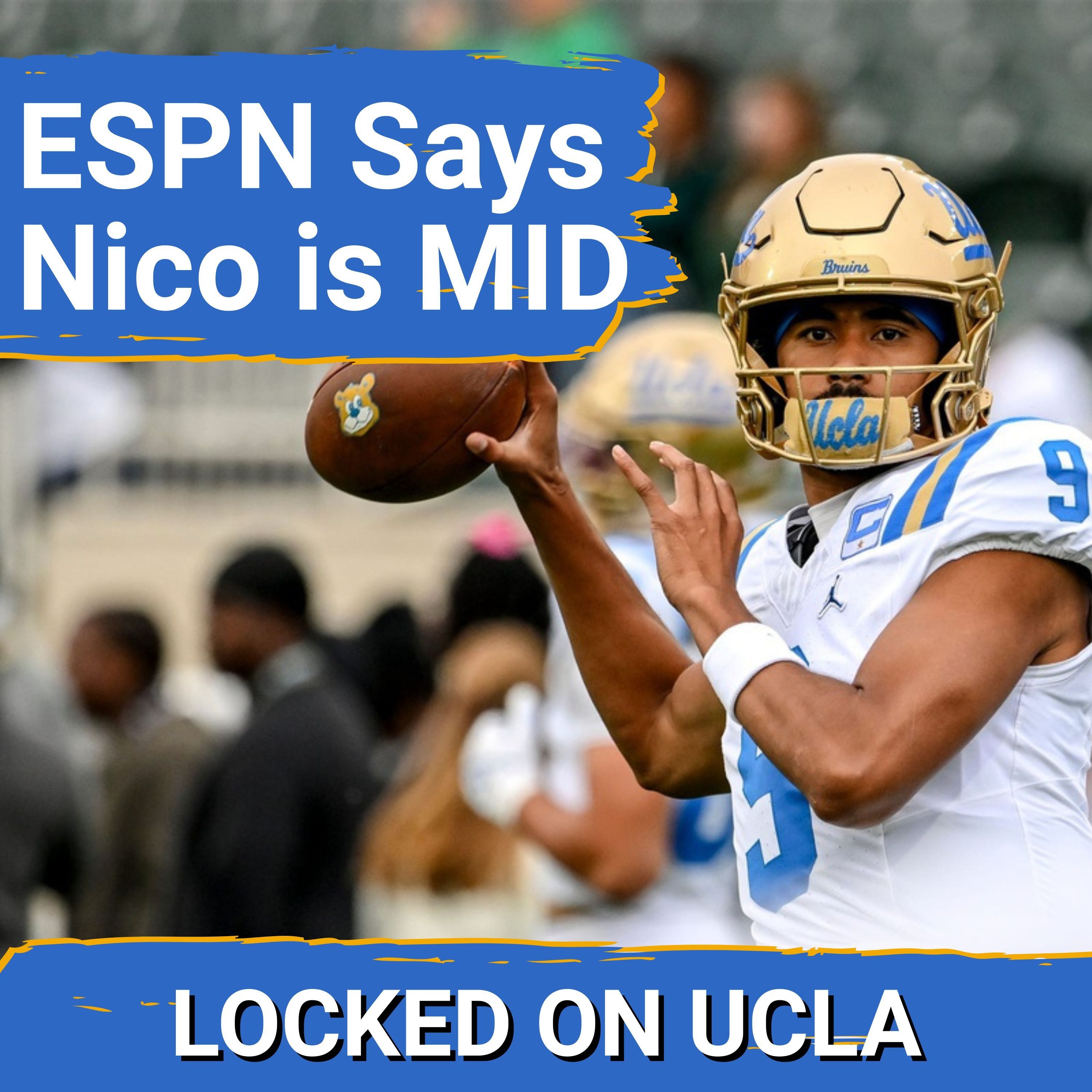
Analyzing Nico Iamaleava and the Evolution of ESPN Recruiting Coverage
Nico Iamaleava’s journey from a highly touted prospect to a collegiate standout serves as a case study for the modern college football recruitment ecosystem. As ESPN’s recruiting platform evolves, fans and analysts use these data-drive...
Nico Iamaleava’s journey from a highly touted prospect to a collegiate standout serves as a case study for the modern college football recruitment ecosystem. As ESPN’s recruiting platform evolves, fans and analysts use these data-driven rankings to track the development of elite quarterbacks, examining how high school scouting, performance metrics, and digital prospect profiles influence the path toward professional football.
Contents
The Architecture of ESPN Recruiting Rankings
The ESPN recruiting database functions as a comprehensive repository for tracking high school athletes throughout their development. For a prospect like Nico Iamaleava, the platform provided more than just a numerical score; it offered a structured dossier that followed his progression from his early high school years in California through his commitment and eventual collegiate signing.
At its core, the ESPN 300 rankings use a combination of physical measurements, camp performances, and game tape evaluation. Scouting departments look for specific positional indicators—for a quarterback, this includes arm strength, footwork, release speed, and the ability to process defensive coverages under pressure. The recruiting profile acts as a digital ledger, recording these attributes alongside external factors such as team offers, regional competition, and developmental trajectory. By the time a player reaches the top of these rankings, the data has typically been corroborated by multiple independent scouting sessions and verified performance metrics.
Understanding Prospect Ratings and Scoring
To interpret a prospect’s ranking correctly, one must understand the standard metrics used by ESPN and other evaluators. These ratings are not merely subjective opinions but are weighted assessments based on a player's perceived ceiling and immediate impact potential.
Breakdown of Evaluation Metrics
- Scouting Grade: A numerical value assigned to a player reflecting their expected level of contribution at the collegiate level.
- Positional Rank: A comparison of the player against others in the same role (e.g., Dual-Threat vs. Pro-Style Quarterback).
- Regional/State Rank: A measurement of how a player compares to their immediate geographical peers, which often highlights the strength of the talent pool in specific states like California or Florida.
- Offer Lists: Verified records of which collegiate programs have extended a scholarship offer, providing a proxy for how heavily a player is coveted by major programs.
| Metric | Purpose in Recruitment | Impact on Prospect Profile |
|---|---|---|
| Scouting Grade | Long-term projection | Primary indicator of "Elite" status |
| Offer Count | Market validation | Reflects program interest intensity |
| Positional Rank | Comparative analysis | Helps coaches identify primary targets |
| Measurables | Physical baseline | Confirms NFL-ready size and speed |
The Impact of Elite Quarterback Prospecting
Nico Iamaleava’s recruitment underscored the hyper-competitive nature of modern quarterback identification. In 2026, the industry recognizes that a high-profile recruit is not just an athlete, but an organizational asset. ESPN’s coverage reflects this by providing deeper analytical content, including video breakdowns of throwing mechanics and situational decision-making.
For fans following these developments, the recruitment phase is the first chapter of a player's professional narrative. Scouting reports often highlight a player's "X-factors"—the intangible qualities that differentiate a high-level prospect from a generational talent. When evaluators label a player a "five-star recruit," they are essentially identifying someone they expect to compete for a starting role immediately upon arrival on campus. This classification carries immense pressure, as the digital breadcrumbs left by these evaluations follow the player through their collegiate career and into the NFL Draft cycle.
How Recruiting Profiles Influence Collegiate Programs
For major universities, the ESPN recruiting portal is a critical strategic tool. Recruiting directors use the platform to monitor their competitors' progress, identify emerging talent in specific regions, and verify the physical specs of potential targets. When a player gains traction on the national stage, their profile receives more intense scrutiny.
The relationship between the media, the recruiting platforms, and the programs creates a feedback loop. A high ranking on ESPN draws increased attention from scouts and media, which can lead to more offers, which in turn solidifies the player’s standing in the rankings. This visibility is essential for players seeking to maximize their reach, but it also means that their performance—both in games and in camps—is under constant observation. For a player with the profile of Nico Iamaleava, the recruitment cycle is characterized by a high volume of media appearances, interviews, and public commitments, all of which are tracked through the recruitment ecosystem.
Navigating the Evolution of Player Data
In 2026, the depth of data available for recruits is unprecedented. Beyond simple statistics, fans can access deep-dive articles that compare historical performance data with current trends. This level of access changes the way recruitment is consumed; it has moved from a niche interest for dedicated superfans to a mainstream component of sports broadcasting and digital media.
When examining a recruit’s history on ESPN, it is important to look at the timeline. A player's growth curve—the speed at which they gain weight, increase their vertical jump, or improve their completion percentage—is often more telling than a static ranking at a single point in time. Analysts emphasize the importance of viewing these profiles as dynamic documents rather than final verdicts. Players who work consistently on their fundamentals can see significant jumps in their rankings, while those who stagnate may see their positional status fluctuate as newer, younger talent enters the cycle.
Frequently Asked Questions
What does a five-star rating actually signify in ESPN’s recruiting system?
A five-star rating indicates that a player is considered an elite, blue-chip prospect with the potential to be a significant contributor or starter for a major conference program immediately. It serves as a predictor of high-level college performance and eventual NFL Draft potential.
How often are recruiting rankings updated for top prospects?
Rankings are dynamic and are updated periodically throughout the calendar year. Updates typically follow major periods of activity, such as the conclusion of the high school football season, the winter camp circuit, the spring evaluation period, and the summer showcases.
Can a recruit's status change after they commit to a university?
Yes, a recruit's ranking can still be adjusted after they have committed. While a commitment may signal the end of the recruitment process for that player, scouting evaluators continue to monitor their senior season performance and bowl game participation, which can influence their final ranking before they transition to college.
Are physical measurables more important than game tape?
Evaluators weight both heavily, but they serve different functions. Physical measurables (height, weight, speed) confirm that a player has the tools necessary to compete at the next level, while game tape proves they have the "football IQ" to apply those tools effectively in a live, tactical environment.
Why do certain states seem to have higher concentrations of top-ranked recruits?
Higher concentrations of top recruits are often correlated with population density, the presence of strong high school coaching infrastructure, and deep-seated local football cultures. ESPN rankings adjust for these factors by scouting regions where high-level competition is more consistent.
Recommendation for Tracking Recruitment Cycles
If you are looking to track the development of elite prospects, move beyond the static homepage rankings. Utilize the historical archive within the ESPN recruiting portal to observe how a player's trajectory compares to historical benchmarks. By focusing on the "Scouting Reports" tab rather than just the star rating, you can gain a technical understanding of the player's development, their strengths, and the areas where they need to improve before entering the collegiate level. Always verify a player's official status through signed letters of intent rather than verbal commitments, as the latter remains subject to change until the final paperwork is filed.
Image Gallery