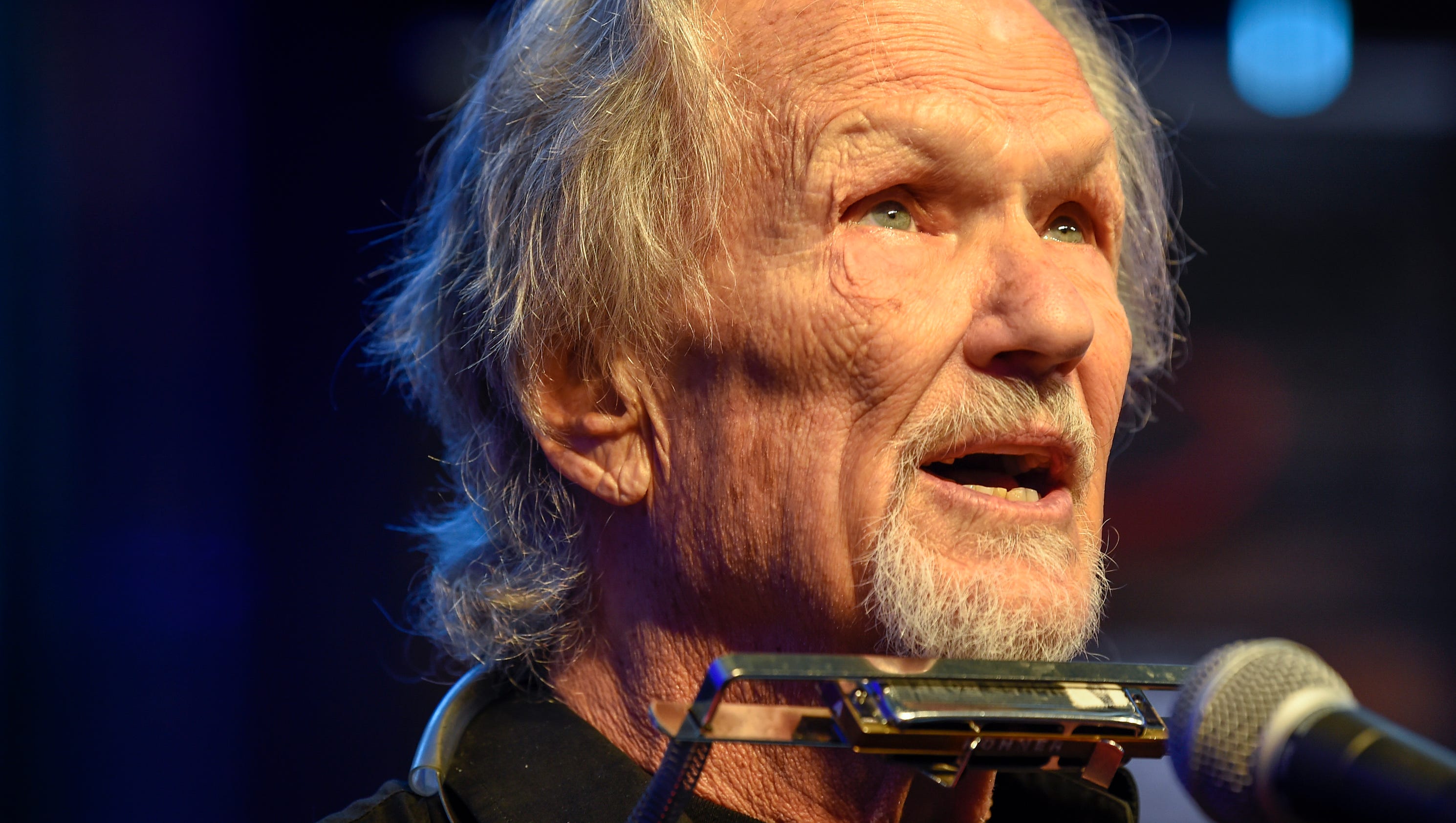
Why You Should Honor Kris Kristofferson Today: The Legacy of a Renaissance Man
Honoring Kris Kristofferson today means recognizing a rare individual who bridged the gap between high-intellect literature and the raw, blue-collar soul of country music. As a songwriter, actor, and activist, his commitment to emotion...
Honoring Kris Kristofferson today means recognizing a rare individual who bridged the gap between high-intellect literature and the raw, blue-collar soul of country music. As a songwriter, actor, and activist, his commitment to emotional honesty and social justice reshaped American culture, making him a timeless symbol of artistic integrity.
Contents
The Architect of the New Nashville Sound
To understand why Kris Kristofferson remains essential in 2026, one must look back at the state of Nashville in the late 1960s. Before Kristofferson’s arrival, country music was often divided between the polished "Nashville Sound" and the gritty honky-tonk tradition. Kristofferson, a Rhodes Scholar and former Army captain, introduced a level of literary sophistication and psychological depth that the genre had rarely seen.
He did not just write songs; he wrote short stories set to music. His lyrics dealt with loneliness, Sunday-morning hangovers, and the quiet desperation of the working class with a vulnerability that was revolutionary. By honoring him today, we celebrate the man who proved that country music could be both "three chords and the truth" and high art. His influence paved the way for the Outlaw Country movement, allowing artists like Guy Clark, Townes Van Zandt, and later, Jason Isbell, to find a seat at the table.
The Songwriter Who Defined an Era
Kristofferson’s catalog contains some of the most covered and beloved songs in the American songbook. In 2026, these tracks remain benchmarks for songwriters across all genres. To honor him is to study the craftsmanship of his most iconic works.
Sunday Mornin' Comin' Down
Originally made famous by Johnny Cash, this song is perhaps the definitive exploration of urban isolation. Kristofferson’s ability to use sensory details—the "smell of someone frying chicken" and the "lonely sound of a kid helpin' a wheel turn"—created a visceral experience for the listener. It moved country music away from simple tropes and into the realm of existentialism.
Me and Bobby McGee
While most famously recorded by Janis Joplin, Kristofferson’s original vision for "Me and Bobby McGee" was a celebration of freedom as a double-edged sword. The line "Freedom’s just another word for nothing left to lose" has become a philosophical maxim. Honoring this song today serves as a reminder that the cost of independence is often solitude—a theme that remains deeply relevant in our modern, hyper-connected yet often isolated society.
Help Me Make It Through the Night
This track broke down barriers regarding sexuality and intimacy in country music. At a time when the genre was often conservative, Kristofferson wrote about the simple, human need for companionship without the trappings of moral judgment. Its success proved that audiences were ready for more mature, honest portrayals of human relationships.
A Life Defined by Uncompromising Integrity
One of the primary reasons to honor Kris Kristofferson today is his unwavering commitment to his principles, often at the expense of his commercial career. Kristofferson was never content to simply be a "star." He used his platform to speak out against social injustices, from the treatment of veterans to civil rights and foreign policy.
A defining moment in his legacy occurred in 1992 during a Bob Dylan tribute concert at Madison Square Garden. When Sinéad O'Connor was booed by the crowd following her controversial appearance on Saturday Night Live, Kristofferson was the only artist who walked out to comfort her. He told her, "Don’t let the bastards get you down," and later wrote a song about her bravery. This act of solidarity, performed in front of a hostile crowd, epitomized his character. He valued humanity and courage over industry approval—a lesson that resonates powerfully in 2026.
The Renaissance Man: From West Point to the Big Screen
Kristofferson’s life story reads like a work of fiction, which is why his legacy is so multifaceted. He was a Golden Gloves boxer, a published writer in Atlantic Monthly, a helicopter pilot, and a janitor at Columbia Records—all before he became a household name.
His film career further cemented his status as a cultural icon. From the rugged charisma of Pat Garrett and Billy the Kid to the vulnerable, self-destructive rock star in the 1976 version of A Star Is Born, Kristofferson brought a naturalism to the screen that was rare for musicians-turned-actors. He didn't just play roles; he projected a rugged, weary wisdom that felt entirely authentic to his real-life experiences.
The Highwaymen and the Power of Collaboration
In the mid-1980s, Kristofferson joined forces with Johnny Cash, Willie Nelson, and Waylon Jennings to form The Highwaymen. This supergroup was more than just a marketing gimmick; it was a statement of brotherhood and a defiance of an industry that was beginning to favor younger, more "radio-friendly" acts.
Honoring Kristofferson today means acknowledging the importance of artistic community. The Highwaymen showed that legendary figures could support one another, sharing the spotlight and keeping the flame of traditional songwriting alive. Their collaboration remains the gold standard for how veteran artists can maintain relevance and dignity in an ever-changing industry.
Comparing the Pillars of Kristofferson’s Legacy
The following table highlights the different facets of Kris Kristofferson’s career and why each remains significant today.
| Domain | Key Contribution | Lasting Impact in 2026 |
|---|---|---|
| Songwriting | Introduced literary themes and vulnerability to country music. | His songs are taught in universities as examples of narrative poetry. |
| Acting | Brought gritty realism to 1970s and 80s cinema. | Influenced the "troubled protagonist" archetype in modern drama. |
| Activism | Stood up for marginalized voices and artistic freedom. | Serves as a blueprint for artist-led social commentary. |
| Collaboration | Co-founded The Highwaymen, defining the Outlaw genre. | Proved the commercial and artistic power of veteran partnerships. |
| Personal Path | Chose art over a prestigious military/academic career. | Inspires modern creators to value passion over conventional success. |
Why His Death in 2024 Still Resonates in 2026
Kris Kristofferson passed away on September 28, 2024, at the age of 88. Nearly two years later, the void he left behind is still felt. In a world of AI-generated lyrics and meticulously manufactured personas, Kristofferson stands as a reminder of what it means to be a "real" artist. He was flawed, he was brilliant, and he was profoundly human.
Honoring him today is not just about nostalgia; it is about preserving a standard of excellence. It is about demanding more from our songwriters and our cultural leaders. It is about recognizing that the best art often comes from those who are willing to lose everything for the sake of the truth.
Frequently Asked Questions
What was Kris Kristofferson’s most famous song?
While he had many hits, "Me and Bobby McGee" is widely considered his most famous composition. Though Janis Joplin’s version is the most iconic, the song’s themes of freedom and the open road are synonymous with Kristofferson’s own life philosophy. Other contenders include "Sunday Mornin' Comin' Down" and "Help Me Make It Through the Night."
Was Kris Kristofferson a real soldier?
Yes, Kristofferson was a Captain in the U.S. Army. He was a helicopter pilot and completed Ranger School. He was offered a prestigious position to teach English literature at West Point but chose to resign his commission and move to Nashville to pursue songwriting—a move that initially led his family to disown him.
How did Kris Kristofferson influence the Outlaw Country movement?
He was a foundational figure because he broke the "rules" of Nashville. By bringing in themes of counter-culture, drug use, and intense personal introspection, he gave other "outlaws" like Waylon Jennings and Willie Nelson the creative space to be themselves rather than conforming to the clean-cut image the industry demanded.
What was the relationship between Kris Kristofferson and Sinéad O'Connor?
They shared a bond of mutual respect and "outlaw" spirit. After Kristofferson supported her during the 1992 Madison Square Garden incident, they remained friends. Kristofferson frequently praised her courage, seeing in her the same uncompromising integrity he strove for in his own life.
Why is he often called a "Renaissance Man"?
The term applies because of the sheer breadth of his achievements. He succeeded at the highest levels of academia (Oxford University), the military, sports (boxing and rugby), songwriting, and acting. Very few individuals in American history have achieved such diverse excellence.
Practical Ways to Honor His Legacy
If you want to honor Kris Kristofferson today, the best way is to engage deeply with his work. Listen to his 1970 debut album, Kristofferson, and pay close attention to the lyricism. Watch his performance in Cisco Pike or A Star Is Born to see his magnetic screen presence.
Beyond consumption, honor him by embodying his values: speak up for those who cannot speak for themselves, value the truth over a trend, and never be afraid to start over—even if it means trading a comfortable life for a "broom" and a dream. His life was proof that the most rewarding path is often the one you carve yourself.
Image Gallery