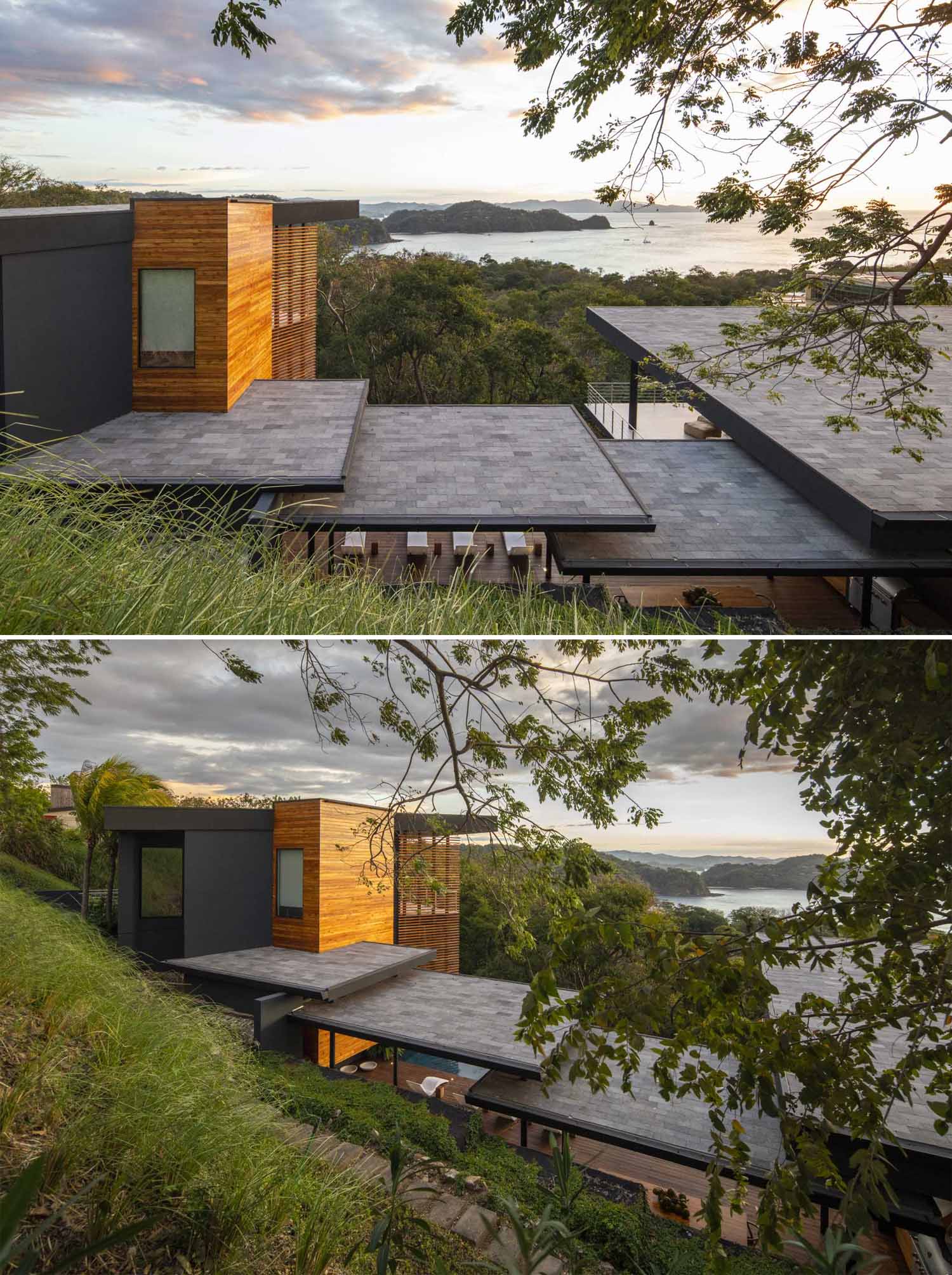
Living from the Jungle in Modern Homes: Blending Biophilic Architecture with Wild Ecosystems
Living from the jungle in modern homes involves integrating wild, tropical ecosystems with contemporary residential architecture, utilizing biophilic design principles, sustainable resource management, and climate-responsive engineerin...
Living from the jungle in modern homes involves integrating wild, tropical ecosystems with contemporary residential architecture, utilizing biophilic design principles, sustainable resource management, and climate-responsive engineering to inhabit dense jungle environments without sacrificing modern comfort.
Contents
Introduction to Tropical Modernism and Jungle Living
The concept of living from the jungle in a modern home has evolved from a romanticized wilderness fantasy into a sophisticated architectural and ecological discipline. Rather than clearing land to impose rigid, foreign structures upon a landscape, modern tropical architecture seeks a symbiotic relationship with dense jungle environments. This approach requires balancing the raw, unpredictable forces of a tropical ecosystem—such as high humidity, torrential rainfall, intense solar radiation, and aggressive flora and fauna—with the structural integrity, safety, and amenities expected of contemporary residential living.
To achieve this balance, architects and homeowners must move past standard suburban construction methodologies. Building in or adjacent to a jungle demands a deep understanding of local microclimates, porous boundaries between indoor and outdoor spaces, and off-grid technological infrastructure. Whether constructing an elevated pavilion in the Amazon basin, a modernist concrete-and-glass structure in the Costa Rican rainforest, or a timber-frame retreat in Southeast Asia, the objective remains constant: to harvest the benefits of the natural environment while shielding the dwelling from its more destructive elements.
Architectural Foundations: Designing for the Jungle Climate
Constructing a modern home capable of withstanding and utilizing a jungle environment begins with foundational engineering tailored to extreme humidity and moisture. Traditional flat roofs and standard subterranean foundations quickly fail in tropical zones due to shifting organic soils, pooling water, and aggressive root systems.
Elevated Structures and Foundation Engineering
Stilt construction, pilings, and cantilevered platforms represent the gold standard for jungle architecture. Elevating the primary living floor above the forest floor serves multiple critical functions:
- Moisture Mitigation: It prevents rising dampness from rotting floor joists and keeps living areas clear of surface runoff during heavy downpours.
- Wildlife Management: It creates a physical barrier against ground-dwelling insects, snakes, and small rodents, reducing the need for chemical pest control.
- Minimal Ecological Footprint: Pilings require less mass excavation, preserving the intricate subterranean root networks and fungal mycelium that stabilize jungle soil.
Ventilation and Thermal Comfort
Air conditioning in a jungle home is often energy-intensive and prone to mold growth if building envelopes are improperly sealed. Modern tropical design prioritizes passive cooling strategies. By incorporating high-ceilinged great rooms, clerestory windows, and operable louvered walls, homes harness prevailing valley or sea breezes to create continuous cross-ventilation. Roof overhangs—often extending six to ten feet past the exterior walls—shade glass panels and exterior walkways, keeping solar heat gain to a minimum while allowing windows to remain open during heavy rainstorms.
| Design Strategy | Primary Function | Materials Commonly Used | Climate Challenge Addressed |
|---|---|---|---|
| Elevated Pilings | Soil preservation & flood mitigation | Reinforced concrete, treated structural steel | Torrential rainfall, shifting soils |
| Deep Roof Overhangs | Solar shading & rain deflection | Hardwood trusses, corrugated metal, zinc | Intense UV exposure, monsoons |
| Louvered Facades | Controlled cross-ventilation | Teak, aluminum, obscured glass | High humidity, stagnant air |
| Green Roofs | Insulation & stormwater management | Native grasses, lightweight substrate, waterproofing | Thermal gain, rapid runoff |
Sustainable Resource Management and Off-Grid Systems
Living successfully from the jungle requires robust infrastructure that operates independently of municipal grids while respecting the surrounding ecosystem. Modern homes in remote tropical settings must function as localized utility hubs.
Water Harvesting and Management
While jungles receive immense amounts of rainfall, municipal water treatment plants are rarely present. Rainwater catchment systems must be engineered with multi-stage filtration to remove organic debris, tannins, and pathogens.
- Collection: Roof surfaces constructed from inert materials (such as standing-seam metal) direct water into seamless gutters.
- First-Flush Diverters: Automated valves discard the initial flow of water, which typically carries accumulated dust, pollen, and bird droppings.
- Filtration: Water passes through sediment filters, activated carbon blocks, and ultraviolet (UV) sterilization units before reaching domestic taps. Greywater systems are equally vital; wastewater from sinks and showers is filtered through engineered reed beds or constructed wetlands before being safely reabsorbed into non-edible landscaping.
Renewable Energy Integration
Solar power in tropical regions presents unique challenges due to dense cloud cover during rainy seasons and heavy canopy shade. Modern jungle homes utilize high-efficiency monocrystalline photovoltaic panels paired with lithium iron phosphate (LiFePO4) battery banks. Because solar yields can fluctuate unpredictably during monsoon months, backup micro-hydro generators—placed in adjacent streams where environmental regulations permit—or silent biomass generators ensure uninterrupted power for essential refrigeration, water pumps, and communication equipment.
Material Selection and Decay Resistance
The jungle environment is notoriously destructive to building materials. High humidity accelerates rot, aggressive fungal spores attack unsealed surfaces, and wood-boring insects such as termites can compromise structural timber in a matter of months.
Durable Timbers and Metals
Selecting the right materials dictates the lifespan of a jungle home. Naturally rot-resistant, dense tropical hardwoods—such as Ipe, Cumaru, and Teak—contain natural oils and silica that repel insects and moisture without requiring toxic chemical treatments. For structural frameworks exposed to the elements, marine-grade stainless steel (such as Grade 316) or powder-coated aluminum prevents corrosive oxidation brought on by salt air and acidic organic leaf litter.
Glazing and Envelope Integrity
Large glass expanses blur the line between interior living spaces and the surrounding rainforest, but standard residential window frames will warp and leak under tropical stress. Modern installations rely on structural silicone glazing systems, heavy-duty extruded aluminum frames, and laminated safety glass designed to withstand high-velocity wind loads during tropical storms and falling tree branches.
| Material Class | Recommended Types | Vulnerabilities in the Jungle | Best Application |
|---|---|---|---|
| Hardwoods | Teak, Ipe, Cumaru | UV discoloration, surface checking | Decking, exterior cladding, stairs |
| Metals | Marine-grade stainless steel (316), Aluminum | Galvanic corrosion if mixed improperly | Structural brackets, window frames |
| Glass | Laminated safety glass, tempered panes | Impact from falling debris, thermal shock | Floor-to-ceiling sliding walls |
| Masonry | Poured concrete with waterproofing admixtures | Micro-cracking from seismic shifts, mold growth | Foundations, retaining walls, core pillars |
Navigating Legal, Environmental, and Regulatory Hurdles
Building or retrofitting a modern home in a jungle environment involves complex legal frameworks. Many jungle regions are protected ecological zones, indigenous territories, or biodiversity hotspots subject to strict government oversight.
Permitting and Environmental Impact Assessments (EIAs)
Before breaking ground, developers must typically secure an Environmental Impact Assessment (EIA) to prove that the construction will not fragment critical wildlife corridors, disrupt local watershed hydrology, or introduce pollutants into the ecosystem. Local zoning laws frequently mandate strict maximum lot-coverage percentages—often restricting the cleared footprint to 10% to 20% of the total land parcel—to ensure the remaining acreage stays wild.
Waste Management and Sanitation
In off-grid jungle locations, traditional septic drain fields can fail due to high water tables and impermeable clay or saturated organic soils. Modern sustainable homes deploy advanced aerobic treatment units (ATUs) or composting toilet systems. These technologies break down human waste safely on-site through aerobic bacterial digestion or desiccating processes, eliminating blackwater runoff and protecting nearby rivers and groundwater tables from contamination.
Frequently Asked Questions
How do you deal with insects and wildlife in a jungle home?
Insect management relies on physical exclusion rather than chemical saturation. Fine-mesh stainless steel screens on all operable windows, strategic outdoor lighting that does not attract nocturnal insects, and maintaining a clear perimeter buffer of gravel or low-lying plants away from the foundation prevent pests from entering. Wildlife encounters are minimized by securely sealing all organic food waste in airtight containers and avoiding the artificial feeding of local fauna.
Is solar power sufficient for year-round living in a tropical jungle?
Solar power can be entirely sufficient, but it requires careful system sizing and energy management. Because tropical rainy seasons bring extended periods of overcast skies, battery banks must possess at least three to four days of autonomy storage, and appliances should be selected for ultra-low energy consumption, such as DC-powered refrigerators and LED lighting.
What maintenance is required to prevent mold and rot in a humid climate?
Preventing mold requires maintaining constant air circulation and relative humidity control. This is achieved through continuous cross-ventilation, running ceiling fans, using dehumidifiers in enclosed wardrobe or utility spaces, and applying breathable, non-toxic natural oil finishes (such as tung oil or linseed oil) to interior wood surfaces instead of plastic-forming polyurethane varnishes that trap moisture beneath the coating.
Can a modern jungle home be completely off-grid?
Yes, many modern jungle homes operate entirely independently of municipal utility grids by combining rainwater harvesting systems, solar-battery microgrids, and advanced wastewater treatment systems. However, achieving full independence requires strict conservation habits from the inhabitants, particularly regarding water heating and high-draw electrical appliances.
How do modern foundations avoid disrupting jungle root systems?
Engineers utilize pier-and-beam or helical screw pile foundations rather than continuous concrete slab pours. Helical piles are screwed deep into the soil using lightweight machinery or manual labor, bypassing major root structures and allowing surface water and subterranean root networks to flow uninterrupted beneath the building envelope.
Conclusion and Next Actions
Living from the jungle in modern homes represents a harmonious synthesis of advanced engineering, ecological stewardship, and contemporary design. Success relies on respecting the raw power of the tropical environment rather than attempting to conquer it. For prospective builders or renovators, the next essential step is conducting a detailed site-specific microclimate and soil analysis in partnership with local architects, botanists, and civil engineers who specialize in tropical, sustainable construction.
Image Gallery