Uncle Lou Raising Kanan: Character Arc, Fate, and Influence
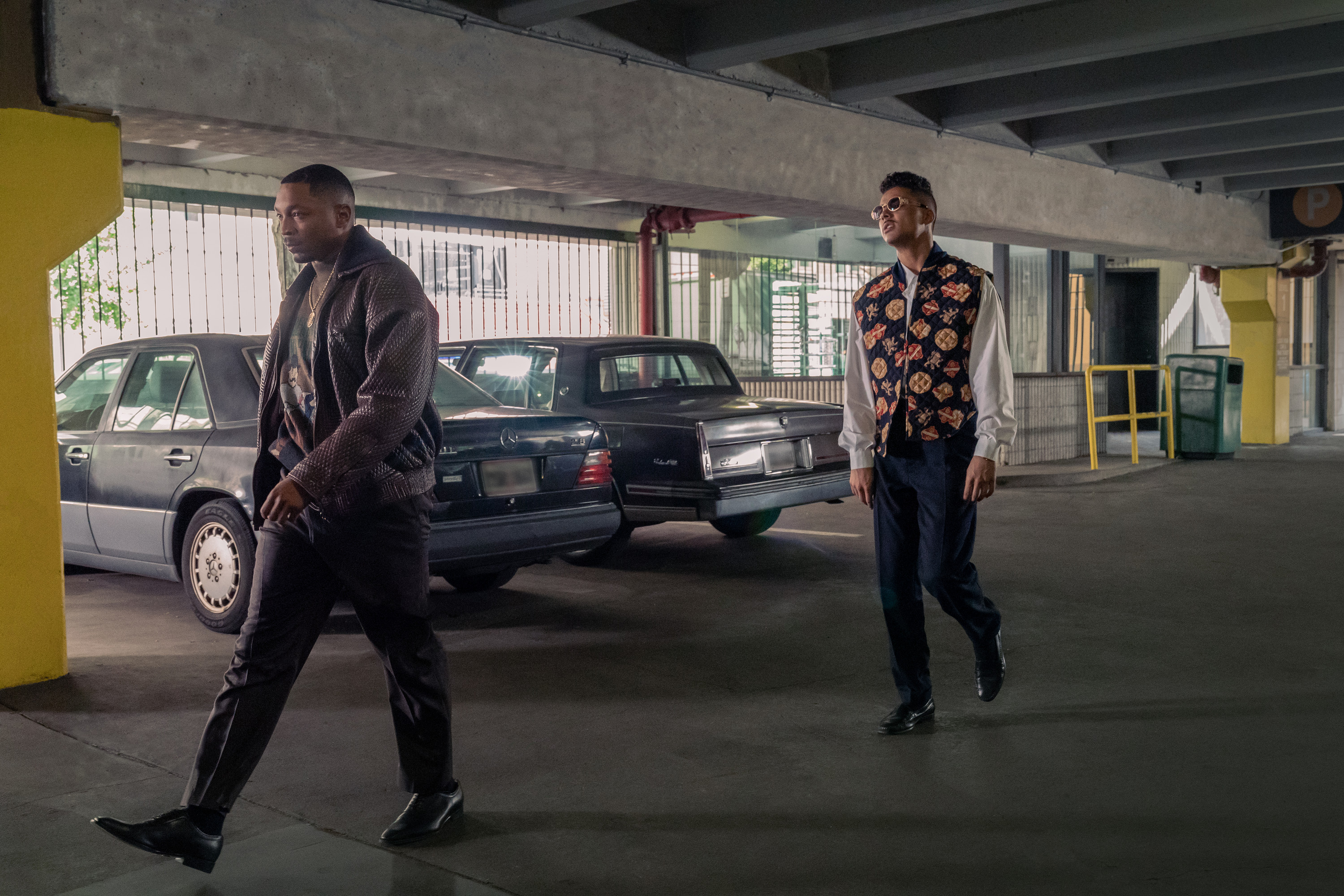
Lou-Lou Thomas, better known as Uncle Lou in Power Book III: Raising Kanan, is the youngest brother of the Thomas drug syndicate. His character represents the tragic struggle between family loyalty, the violent demands of the cocaine t...
Lou-Lou Thomas, better known as Uncle Lou in Power Book III: Raising Kanan, is the youngest brother of the Thomas drug syndicate. His character represents the tragic struggle between family loyalty, the violent demands of the cocaine trade, and a desperate desire for legitimacy through the music industry.
Contents
Since his introduction in the Power Universe, Lou-Lou (portrayed by Malcolm Mays) has served as the emotional and moral barometer of the Thomas family. While his brother Marvin provides the muscle and his sister Raq provides the vision, Lou-Lou has historically been the "soldier with a soul." However, as the series progressed through its third and fourth seasons by 2026, his narrative transformed from one of ambition into a cautionary tale regarding the psychological toll of the "street life" and the impossibility of clean breaks from a criminal past.
The Early Foundation: Lou-Lou as the Thomas Family Enforcer
In the early chapters of Raising Kanan, Lou-Lou Thomas is established as Raquel "Raq" Thomas’s most trusted lieutenant. Unlike the impulsive Marvin, Lou-Lou is calculated, quiet, and efficient. He is the person Raq calls when a job requires precision rather than a spectacle. His relationship with his nephew, Kanan Stark, is initially one of a mentor; he attempts to guide Kanan through the mechanics of the game while simultaneously harboring reservations about the boy's involvement.
Lou-Lou’s primary internal conflict stems from his efficiency as a killer. He is remarkably good at the very things he hates doing. This dichotomy is best illustrated in the first season when he is tasked with eliminating D-Wiz to protect the family’s interests. The guilt from this act acts as the catalyst for his gradual distancing from Raq. By 2026, looking back at these early episodes, critics often point to this moment as the beginning of Lou-Lou's long-term psychological unraveling.
The Music Industry and the Quest for Legitimacy
The most defining aspect of Lou-Lou's character is his passion for music. His investment in Bulletproof Records was not merely a money-laundering scheme; it was his exit strategy. Lou-Lou recognized early on that the drug trade in South Jamaica, Queens, offered only two outcomes: prison or death. Music represented a third option—a way to build a legacy that didn't involve bloodshed.
The Crown Camden Conflict
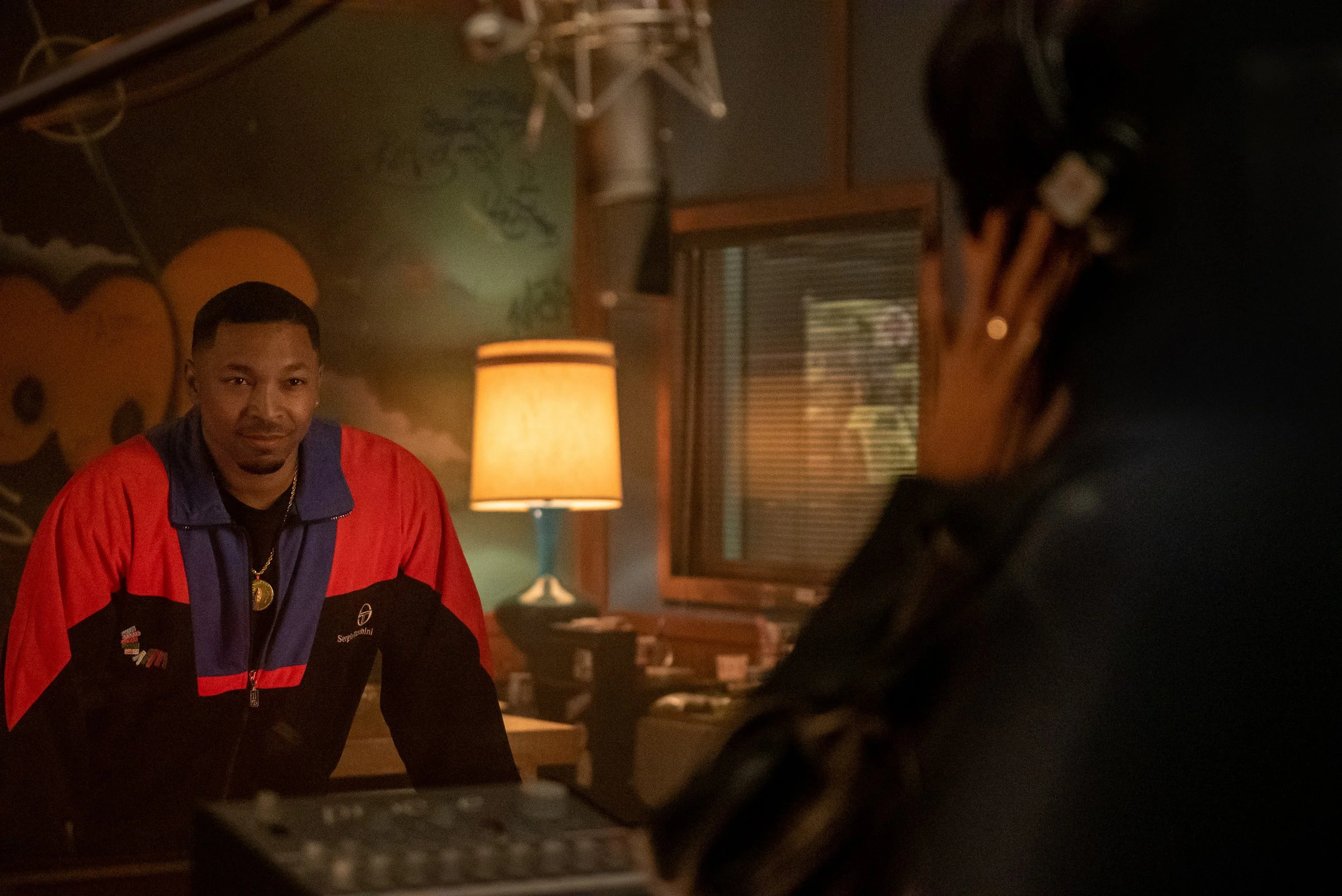
His partnership with Crown Camden, the owner of the recording studio, became the primary site of his frustration. Crown viewed Lou-Lou as a "thug with money," while Lou-Lou viewed himself as a legitimate executive with an ear for talent (specifically seen in his discovery of Zisa). This tension eventually reached a breaking point, leading to Lou-Lou murdering Crown in the very studio that was supposed to be his sanctuary.
This act was a turning point. It proved that Lou-Lou could not use "legitimate" business to escape his violent nature; instead, he brought the violence of the streets into the professional world. The failure of Bulletproof Records to provide a clean escape remains one of the most tragic elements of his arc, highlighting a recurring theme in the Power Universe: the "game" never lets go of those it has claimed.
The Psychological Decline and Alcoholism
By the third season of Raising Kanan, Lou-Lou's character underwent a significant physical and mental shift. The accumulation of trauma—ranging from the murder of his sister's enemies to the loss of his own identity—led him into a deep depression fueled by alcoholism.
This version of "Uncle Lou" was a far cry from the sharp, stylish enforcer seen in the series premiere. He became a liability to the Thomas organization, frequently intoxicated and prone to emotional outbursts. This decline served a specific narrative purpose: it showcased the "invisible" wounds of the drug trade. While Marvin sought redemption through anger management and a renewed relationship with his daughter Jukebox, Lou-Lou moved in the opposite direction, retreating into a bottle to numb the memories of his victims.
Key Turning Points in Lou-Lou's Arc
| Season | Primary Role | Major Conflict | Outcome |
|---|---|---|---|
| Season 1 | Chief Enforcer | Killing D-Wiz / Protecting Kanan | Psychological guilt begins to manifest. |
| Season 2 | Music Executive | Tension with Crown Camden | Murders Crown; attempts to leave Raq’s shadow. |
| Season 3 | Drifting Liabilty | Severe alcoholism and loss of purpose | Estrangement from the family; becomes a target. |
| Season 4 | The Outcast | Seeking atonement or erasure | Complete isolation from the Thomas drug empire. |
The Relationship Dynamics: Raq, Marvin, and Kanan
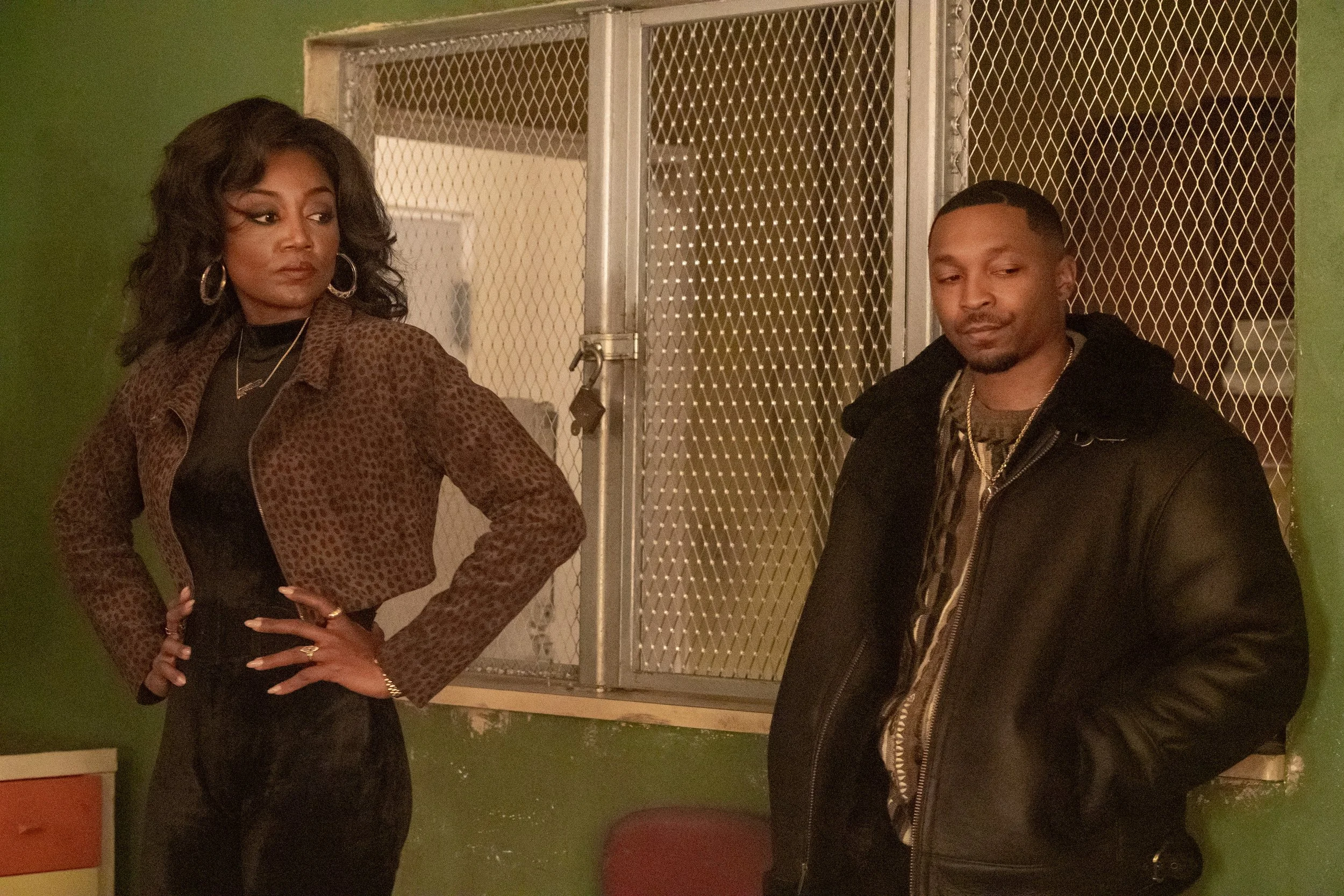
Lou-Lou's identity is inextricably linked to his siblings. His relationship with Raq is particularly complex. Raq views Lou-Lou as her property—an asset to be deployed. Whenever Lou-Lou tries to assert independence, Raq uses guilt or financial leverage to pull him back. This "velvet glove" approach to manipulation eventually broke Lou-Lou's spirit.
Conversely, his relationship with Marvin provides a fascinating contrast. In the beginning, Lou-Lou was the "stable" one and Marvin was the "screw-up." As the years passed, their roles reversed. Marvin found a path toward growth, while Lou-Lou became the brother in need of constant supervision. His interactions with Kanan also shifted; as Kanan grew more cold and calculated (transitioning into the character fans remember from the original Power series), he began to view his Uncle Lou with a mixture of pity and contempt, realizing that Lou-Lou's "heart" was a weakness in their environment.
The Impact of Malcolm Mays' Performance
It is impossible to discuss Uncle Lou without acknowledging the performance of Malcolm Mays. Mays brought a distinct vulnerability to the role that is rare in crime dramas. His portrayal focused on the eyes and body language—the heavy slump of the shoulders in later seasons compared to the upright, confident posture of the series' start.
Mays also contributed to the musical authenticity of the show. Since Lou-Lou's character was so focused on the 1990s hip-hop and R&B scene, Mays' own musical background allowed him to navigate the studio scenes with a realism that resonated with viewers. He didn't just play a man who liked music; he played a man who needed music to survive his reality.
The Legacy of Lou-Lou in the Power Universe
As of 2026, Lou-Lou Thomas remains one of the most discussed characters in the franchise because he represents the "middle ground" of the criminal experience. He isn't a sociopath like some of his peers, nor is he an innocent bystander. He is a man who knows right from wrong but finds himself trapped in a cycle of "wrong" by birth and circumstance.
His narrative serves as a bridge to the themes explored in the original Power series regarding the difficulty of "going legit." Much like James "Ghost" St. Patrick, Lou-Lou wanted the penthouse and the clean money, but he was always tethered to the basement and the blood money. The tragedy of Uncle Lou is that he lacked Ghost’s cold-blooded ability to prioritize his own ambition over his family, leading to his eventual marginalization within the very empire he helped build.
FAQs About Uncle Lou in Raising Kanan
Does Lou-Lou die in Raising Kanan?
As of the current 2026 timeframe and the conclusion of the most recent narrative arcs, Lou-Lou’s survival has been a frequent point of suspense. While he has faced multiple near-death experiences—including hits ordered by rival gangs and his own self-destructive behavior—his ultimate fate is often used by the writers to emphasize that death isn't the only way a character can be "removed" from the game. Being "broken" is sometimes a more profound end than being killed.
Why did Lou-Lou kill Crown Camden?
Lou-Lou killed Crown Camden because Crown represented the disrespect Lou-Lou felt from the "legitimate" world. Crown constantly undermined Lou-Lou’s authority, slept with Lou-Lou’s partner (Jessica), and eventually tried to cut him out of the studio business. The murder was an explosion of suppressed rage, proving that Lou-Lou could never fully leave his violent instincts at the door of the recording studio.
What happened to Bulletproof Records?
Bulletproof Records, the label Lou-Lou founded, eventually became a casualty of the war between the Thomas family and their rivals (specifically Sal Boselli and the Italian mob). Between the legal issues surrounding Crown Camden’s disappearance and the violence that followed the label's talent, the business ceased to be a viable "clean" exit for Lou-Lou, further fueling his descent into alcoholism.
How is Lou-Lou related to Kanan Stark?
Lou-Lou is Kanan Stark’s maternal uncle. He is the younger brother of Kanan’s mother, Raquel "Raq" Thomas. Throughout Kanan’s teenage years, Lou-Lou served as a secondary father figure, often trying to shield Kanan from the harshest realities of their business, even though he was frequently the one carrying out the violent acts Raq ordered.
Is Lou-Lou's alcoholism a major plot point?
Yes, Lou-Lou's struggle with alcohol became a central theme in the later seasons. It served to differentiate him from his siblings; while Raq became more power-hungry and Marvin became more disciplined, Lou-Lou used alcohol as a coping mechanism for the trauma of his past actions. This addiction made him an unreliable narrator and a danger to the family's secrecy.
Practical Takeaway: The Lesson of Lou-Lou's Journey
For fans and students of the Power Universe, Uncle Lou's character offers a profound look at the "cost of entry" into the world of organized crime. His journey teaches that a "halfway" approach to the streets—trying to keep one foot in the game and one foot in legitimate business—is often the most dangerous path of all. To survive in the world Raq built, one must either be entirely cold or entirely removed. Lou-Lou’s inability to choose a side ultimately led to his psychological fracture.
As you revisit the series or watch new developments, pay close attention to the wardrobe and lighting used for Lou-Lou. The transition from vibrant 90s fashion to more muted, unkempt appearances mirrors his internal state. His story is a reminder that in the world of Raising Kanan, the greatest casualty isn't always life itself, but the loss of one’s original dreams and identity.
Image Gallery