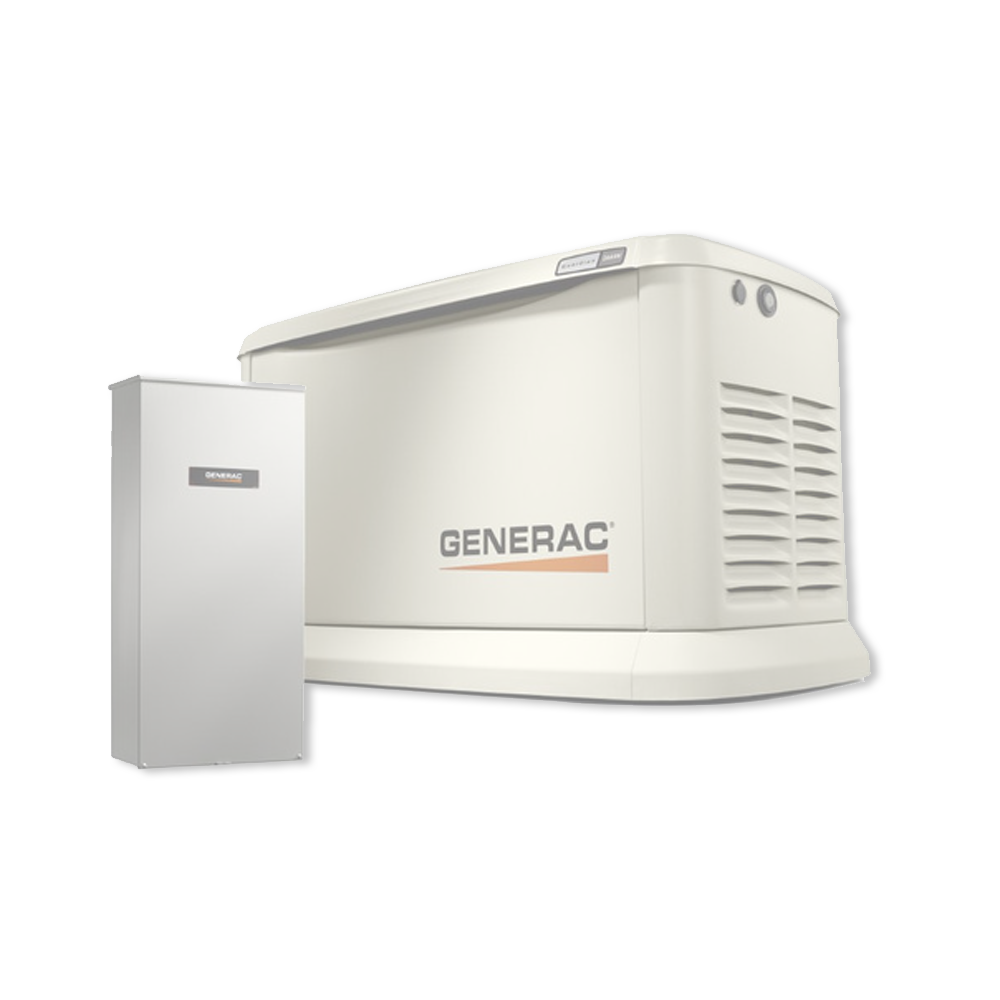
Understanding the Generac Price Range for Home Backup Power
Investing in a home standby generator requires balancing upfront equipment expenses, installation labor, permitting fees, and long-term fuel integration costs to ensure seamless backup power during grid failures. When evaluating the in...
Investing in a home standby generator requires balancing upfront equipment expenses, installation labor, permitting fees, and long-term fuel integration costs to ensure seamless backup power during grid failures.
Contents
When evaluating the investment required for a standby power system, understanding the Generac price range for home backup power involves looking beyond the retail sticker cost of the generator unit itself. Standby generators are permanent, hardwired solutions that require professional sizing, electrical integration, and compliance with local municipal codes. Because every home has a distinct electrical load profile and structural layout, total project costs span a wide spectrum based on kilowatt (kW) capacity, fuel type, transfer switch configuration, and labor complexities.
Navigating this investment requires a clear breakdown of unit pricing, site-specific variables, and ancillary expenses so homeowners can accurately budget for reliable emergency power protection.
Core Factors That Influence Standby Generator Pricing
The final cost of a Generac home backup power system is determined by a combination of hardware specifications and site-specific installation requirements. Knowing these variables helps explain why two seemingly identical homes might receive significantly different quotes from certified dealers.
Generator Capacity (Kilowatts)
The most substantial factor in equipment pricing is the electrical output capacity, measured in kilowatts (kW). Generac manufactures standby units ranging from compact 7.5kW models designed for essential circuit support up to industrial-grade 24kW and larger units capable of powering an entire sprawling estate simultaneously.
- Small-Capacity Units (7.5kW to 11kW): Ideal for smaller homes or cabins, these units typically support critical loads such as a refrigerator, a few lights, Wi-Fi routers, and a single sump pump or window air conditioner.
- Mid-Capacity Units (14kW to 18kW): Suitable for medium-sized homes, these generators can handle standard household appliances alongside a central air conditioning system.
- Large-Capacity Units (22kW to 26kW): As the most popular residential tier, these units provide whole-house power coverage for most average-sized homes, easily managing multiple heavy-draw appliances at once.
Fuel Source Selection
Generac standby generators operate primarily on natural gas or liquid propane (LP). The choice of fuel impacts both the initial equipment configuration and ongoing operational costs.
- Natural Gas: If a home already has a municipal natural gas line, connecting the generator is straightforward, and fuel delivery is continuous during a prolonged outage without manual refueling.
- Liquid Propane: Homes without natural gas lines require a dedicated propane storage tank. Installing a new buried or above-ground propane tank—along with the associated excavation and gas-line piping—adds significantly to the initial capital expenditure.
Transfer Switch Integration
A home standby system cannot function safely without an Automatic Transfer Switch (ATS). The ATS continuously monitors utility power; when a blackout occurs, it automatically disconnects the home from the grid and commands the generator to start and supply power.
Transfer switches vary in price depending on amperage (typically 100-amp to 400-amp service) and whether they feature smart load-management modules. Smart switches allow smaller generators to manage heavy appliances sequentially by shedding non-essential loads, potentially saving money on a smaller generator unit.
Breakdown of Generac Equipment and Installation Costs
To establish a realistic budget, it is helpful to segregate costs into hardware, electrical infrastructure, fuel plumbing, and administrative overhead.
Equipment and Hardware Estimates
Purchasing the generator and the accompanying transfer switch generally accounts for 40% to 60% of the total project cost.
- Unit-Only Pricing: Generac generator units alone generally range from $2,500 for entry-level 7.5kW Guardian models to $6,000 or more for top-tier 24kW–26kW whole-house units.
- Transfer Switch Bundles: Many units are sold as packages that include a standard 200-amp transfer switch, which reduces separate component purchasing costs.
Installation, Labor, and Electrical Work
Professional installation is mandatory for safety, warranty validation, and building code compliance. Certified electricians and technicians handle pad preparation, mechanical placement, electrical wiring, and control line routing.
- Pad Placement: A composite or poured concrete pad must be installed level and clear of flood zones to support the weight of the generator.
- Electrical Wiring: Running heavy-gauge conduit and wire from the generator to the transfer switch and main electrical panel requires specialized labor, often spanning one to two full workdays.
Permitting, Inspections, and Site Prep
Local municipalities require permits for electrical and gas installations. These fees, combined with mandatory final building inspections by local code enforcement officers, typically add several hundred dollars to the project total.
| Power Capacity (kW) | Typical Equipment Range (USD) | Total Installed Project Range (USD) | Best Suited For |
|---|---|---|---|
| 7.5kW - 11kW | $2,500 - $3,800 | $5,000 - $8,000 | Essential circuits, cabins, small homes |
| 14kW - 18kW | $4,000 - $5,200 | $7,500 - $11,000 | Medium homes with moderate AC loads |
| 22kW - 26kW | $5,500 - $7,000+ | $10,000 - $16,000+ | Whole-house coverage, large HVAC systems |
Note: The total installed project ranges above represent general market averages. Actual costs vary widely based on regional labor rates, electrical service upgrades, and complex site geography.
Hidden and Ancillary Expenses to Anticipate
When budgeting for a home backup power system, homeowners must account for hidden variables that frequently catch buyers by surprise. Overlooking these elements can result in budget overruns during the installation phase.
Electrical Service Upgrades
If an older home operates on a 100-amp electrical service panel, integrating a modern standby generator may require upgrading the home’s main service panel to 200 amps or adding a subpanel for managed loads. Electrical service upgrades involve coordination with the local utility provider to temporarily disconnect and reconnect power lines during the transition, incurring additional electrician and utility fees.
Gas Line Extensions and Upgrades
The distance between the gas meter (or propane tank) and the generator location dictates the cost of gas plumbing. If the generator must be placed on the opposite side of the house from the existing gas supply, long runs of black iron or certified flexible gas piping must be trenched and installed. Furthermore, high-capacity generators demand high cubic-feet-per-hour (CFH) gas flow rates; if the existing residential gas meter is too small, the utility must replace it with a high-capacity meter.
Crane or Special Rigging Services
Generac standby units are heavy, often weighing between 350 and 500 pounds or more. If the desired installation location is constrained—such as a tight side yard, a terraced hill, or a location requiring placement over a backyard fence—specialized equipment like a mini-crane or forklift may be required to position the unit safely, adding to the labor invoice.
Long-Term Maintenance and Operational Expenses
Purchasing and installing a generator marks only the beginning of the ownership lifecycle. To protect the investment and ensure reliable starting performance during an emergency, ongoing maintenance is required.
Routine Scheduled Maintenance
Like any internal combustion engine, standby generators require periodic servicing. This includes replacing air filters, oil filters, spark plugs, and changing the engine oil annually or after every 100 to 200 hours of runtime. Homeowners can perform these tasks using Generac maintenance kits or contract with their dealer for an annual service agreement, which generally costs between $200 and $400 per year.
Battery Replacement
Standby generators utilize a 12-volt starting battery to crank the engine when utility power fails. Just like a vehicle battery, these units degrade over time due to ambient temperature fluctuations and self-discharge. Batteries typically require replacement every three to five years.
Fuel Consumption Costs
While natural gas is continuously billed by the utility, running a generator during an extended multi-day blackout will noticeably increase the monthly utility bill. For propane-fueled systems, refueling costs depend entirely on local delivery rates per gallon and how heavily the generator is loaded during an outage.
Frequently Asked Questions About Generac Backup Power
Can I install a Generac standby generator myself to save money?
No. DIY installation of a permanent standby generator is strongly discouraged and often illegal under local building codes. It requires high-voltage electrical wiring, structural anchoring, and complex gas plumbing. Furthermore, improper installation voids the manufacturer warranty and creates severe risks of electrocution, carbon monoxide poisoning, and electrical fire.
How much does it cost to run a Generac generator during a power outage?
Fuel consumption depends on the generator size and electrical load. A 22kW unit running at half load on natural gas consumes approximately 200 cubic feet of gas per hour. On liquid propane, it consumes about 2.3 gallons per hour at half load. Exact costs fluctuate based on local utility and fuel delivery rates.
Do Generac generators require a concrete pad?
Most installations require a solid, level foundation to prevent the heavy unit from shifting or sinking into the ground over time. While some installers pour custom concrete pads, many use pre-formed composite or engineered polymer mounting pads designed specifically for standby generators.
How long can a Generac home standby generator run continuously?
Generac standby units are liquid-cooled or pressure-lubricated air-cooled engines built for extended run times. They can run continuously for days or even weeks, provided they have an uninterrupted fuel supply and receive proper checks of oil levels every 24 hours during continuous operation.
Will a home backup generator increase my property value?
Many real estate experts note that a permanent whole-house standby generator is viewed as a valuable premium feature by prospective home buyers, particularly in regions prone to severe weather, hurricanes, or frequent winter ice storms. However, the return on investment rarely equals 100% of the initial purchase and installation cost.
Next Steps for Homeowners
To transition from research to execution, begin by conducting a home energy audit to determine whether you need selective essential-circuit backup or complete whole-house protection. Next, contact multiple authorized Generac dealers in your local area to schedule professional site assessments. Certified technicians will evaluate your electrical panel, gas supply lines, and property layout to provide transparent, itemized quotes tailored to your specific backup power requirements.
Image Gallery