The Landscape of American Skateboarders in 2026: History, Professionals, and Cultural Influence
American skateboarders represent the vanguard of a global movement that has transitioned from a localized "sidewalk surfing" subculture to a multi-billion-dollar professional industry. Today, they lead the world in technical innovation...
American skateboarders represent the vanguard of a global movement that has transitioned from a localized "sidewalk surfing" subculture to a multi-billion-dollar professional industry. Today, they lead the world in technical innovation, competitive dominance in events like the Olympics and Street League, and the cultural definition of the sport through media and fashion.
Contents
Skateboarding in the United States has undergone a radical transformation. What began as a makeshift alternative for surfers in California during the 1950s is now a structured, professionalized discipline. As of 2026, the American skateboarding scene is defined by its dual identity: a deeply rooted DIY (Do-It-Yourself) counter-culture and a highly organized professional circuit geared toward the upcoming 2028 Los Angeles Olympic Games. This evolution has created a diverse landscape where legendary pioneers share the spotlight with a new generation of data-driven, elite athletes.
The Evolution of the American Skateboarder
To understand the modern American skateboarder, one must look at the historical shifts that defined the medium. The 1970s "Z-Boys" of Santa Monica introduced a vertical style by skating empty swimming pools during droughts, a move that fundamentally changed the physical requirements of the sport. This era established the "skate and destroy" ethos that still permeates the American scene.
By the 1990s, the focus shifted to technical street skating. Figures like Rodney Mullen and Natas Kaupas redefined what was possible on flat ground and urban obstacles. This period was crucial because it moved skateboarding out of specialized parks and into the American streets, making it more accessible yet more legally contentious. The "Golden Era" of the 1990s and early 2000s, bolstered by the massive success of the Tony Hawk’s Pro Skater video game series and the X Games, solidified the American skateboarder as a mainstream cultural icon.
Professional Pathways and Competitive Structures
In 2026, the path to becoming a professional skateboarder in the U.S. is more defined than ever. While "filming a part" (releasing a video of street tricks) remains the gold standard for cultural respect, the competitive route offers a lucrative and structured career path.
The Role of USA Skateboarding
USA Skateboarding serves as the national governing body. It oversees the recruitment and training of the national team, providing athletes with access to high-performance coaches, sports psychologists, and specialized training facilities. For an American skater, making the national team is the primary gateway to the Olympic stage.
Major Competitions
The American professional calendar is anchored by several key institutions:
- Street League Skateboarding (SLS): Founded by Rob Dyrdek, this is the premier professional street skating league. It utilizes an "Instant Scoring Experience" (ISX) and focuses on technical precision.
- The X Games: Historically the most significant event for American action sports, it remains a vital platform for both Park and Street disciplines.
- Dew Tour: A critical stop for Olympic qualifying points and a major showcase for corporate sponsorships.
Leading Figures in the 2026 Circuit
The current roster of American skateboarders features a mix of seasoned veterans and explosive young talent. These athletes are categorized by their discipline: Street or Park.
Street Specialists
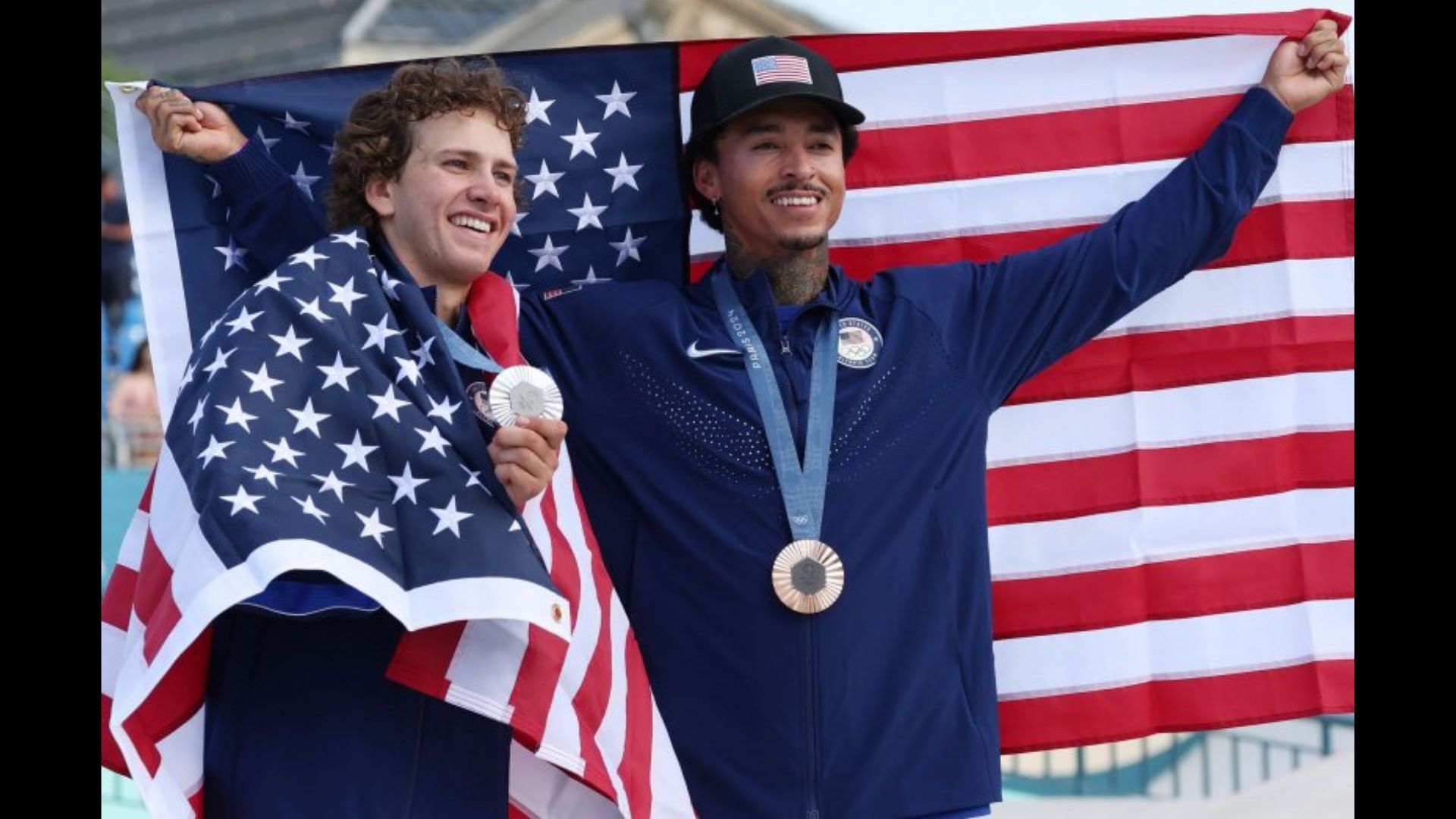
Nyjah Huston remains a dominant force, though he now shares the podium with younger technical wizards like Jagger Eaton, who has successfully bridged the gap between Park and Street styles. These athletes are known for their ability to perform high-consequence tricks on rails and stairs with "bolt-flicking" precision.
Park Specialists
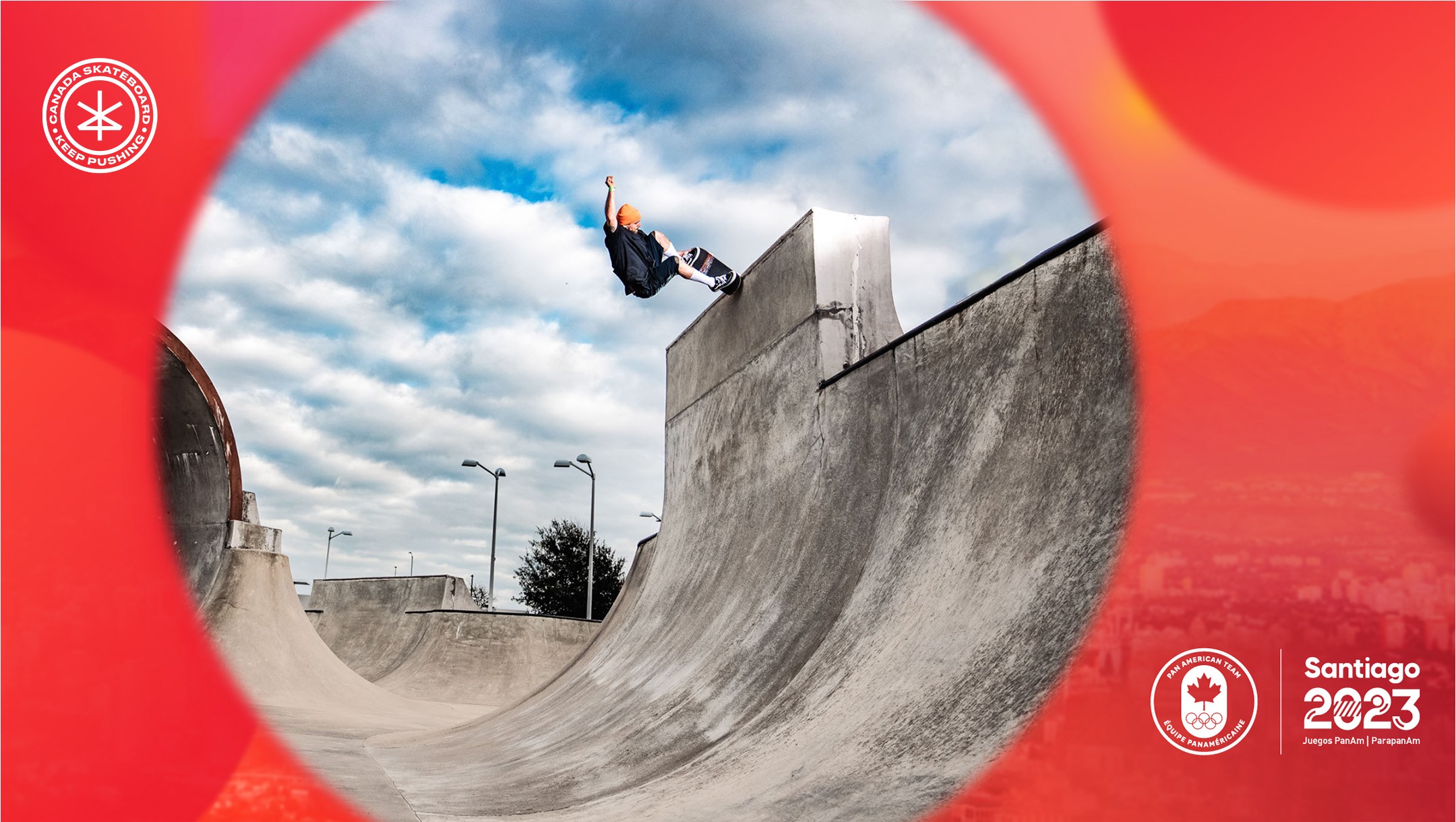
In the transition and bowl-oriented Park discipline, skaters like Tate Carew and Gavin Bottger have pushed the boundaries of air time and rotation. On the women’s side, Bryce Wettstein and Minna Stess continue to lead the charge, emphasizing flow, creativity, and high-speed maneuvers.
Comparison of Skateboarding Disciplines
| Feature | Street Skateboarding | Park Skateboarding |
|---|---|---|
| Primary Terrain | Rails, stairs, ledges, gaps | Concrete bowls, quarter-pipes, "deep end" pools |
| Judging Criteria | Technical difficulty, consistency, style | Flow, speed, air height, use of course |
| Board Setup | Typically narrower (8.0"–8.5"), harder wheels | Wider decks (8.5"+), larger/softer wheels |
| Key US Event | SLS Super Crown | X Games Park Finals |
| Physical Focus | Precision and "pop" | Centrifugal force and air awareness |
Technical Requirements and Sponsorships
For an American skateboarder to reach the "Pro" status (having their name on a deck), they generally follow a hierarchical sponsorship model. This system is the economic engine of the industry.
- Shop Flow: A local skate shop provides free or discounted gear to a promising local skater.
- Amateur (Am) Status: A national brand (e.g., Santa Cruz, Real, or Baker) adds the skater to their amateur team. The skater travels, films, and competes but does not yet have a signature product.
- The Pro Turn: This is a formal transition where the company releases a "Pro Model" deck. In the U.S. market, this usually involves a surprise ceremony and the release of a full-length video part.
Sponsorship Categories:
- Endemic Brands: Companies that only make skate products (boards, wheels, trucks). Examples include Independent Trucks or Spitfire Wheels.
- Non-Endemic Brands: Large corporations that sponsor athletes for lifestyle marketing. In 2026, this includes major energy drinks (Monster, Red Bull) and tech companies.
Legal and Safety Considerations
Disclaimer: Skateboarding involves inherent risks of serious injury. The following information is for educational purposes and does not substitute for professional medical or legal advice.
Safety Protocols
As the sport has professionalized, the "no pads" culture of the 1990s has shifted, particularly in the Park discipline. In 2026, helmet use is mandatory in all sanctioned US competitions for minors and is highly encouraged for all transition skaters to prevent Traumatic Brain Injuries (TBI).
Liability and Public Space
American skateboarders often navigate complex local ordinances. While the "Skateboarding is Not a Crime" slogan persists, many US cities have passed "Skateboarding Prohibited" zones in business districts. However, the rise of public-private partnerships has led to an explosion of "Skate Plazas"—urban spaces designed to be skate-friendly, reducing the legal friction between skaters and property owners.
The Cultural Impact of the American Scene
The American skateboarder is more than an athlete; they are a content creator. In 2026, social media platforms like Instagram and TikTok are as important as traditional magazines like Thrasher. A skater's "following" can sometimes be more valuable to a sponsor than their competition ranking.
This digital shift has also fostered greater inclusivity. The American scene has seen a massive surge in participation among women, LGBTQ+ individuals, and diverse ethnic groups, moving the needle away from the historically "bro-centric" image of the 80s and 90s. Groups like "Skate Like a Girl" have been instrumental in this American cultural expansion.
Frequently Asked Questions
Who is the most successful American skateboarder of all time?
While success can be measured in different ways, Tony Hawk is widely considered the most successful in terms of cultural impact and business. In terms of modern competitive earnings and medals, Nyjah Huston holds the record for most Street League wins and X Games gold medals in the street category.
How do American skateboarders qualify for the Olympics?
Qualification is governed by the World Skate ranking system. Skaters must compete in sanctioned international events to earn points. The top-ranked American skaters (usually limited to three per gender per discipline) are then selected for the U.S. Olympic Team based on their standing in the World Skateboarding Rankings.
Is professional skateboarding a viable career in the U.S.?
Yes, but it is highly competitive. Top-tier pros earn six to seven-figure incomes through prize money, sponsorships, and appearance fees. However, "lifestyle pros" who focus purely on filming may rely on smaller stipends and royalties from board sales. Most professional skateboarders in the U.S. supplement their income through social media partnerships or by starting their own brands.
What is the average age of a professional American skateboarder?
The age range has widened significantly. While many pros "peak" in their early 20s due to the physical toll of the sport, legends like Bucky Lasek and Tony Hawk have shown that transition skaters can remain competitive or relevant well into their 40s and 50s. On the Olympic circuit, the average age is currently between 18 and 26.
What are "core" brands vs. "mall" brands?
"Core" brands are those sold primarily in independent skate shops and are owned or operated by skateboarders (e.g., Antihero, Girl). "Mall" brands are larger, mass-market labels often found in general sporting goods stores. The American skateboarding community generally places a higher value on "core" brands for their authenticity and support of the local scene.
Recommendation for New Enthusiasts
For those looking to engage with the American skateboarding scene in 2026, the best next step is to support your local "core" skate shop. These businesses act as the community hubs for the sport. If you are interested in the competitive side, follow the World Skate rankings to stay updated on the athletes vying for spots in the 2028 Los Angeles Games. Whether you are skating or spectating, prioritize safety by investing in a certified helmet and visiting designated skateparks to build your skills in a controlled environment.
Image Gallery