Exploring the Phoenix Metropolitan Area Population: 2026 Trends and Statistics
As of early 2026, the Phoenix-Mesa-Chandler Metropolitan Statistical Area (MSA) population is estimated to be approximately 5.42 million people. This region, often referred to as the Valley of the Sun, continues to rank as one of the f...
As of early 2026, the Phoenix-Mesa-Chandler Metropolitan Statistical Area (MSA) population is estimated to be approximately 5.42 million people. This region, often referred to as the Valley of the Sun, continues to rank as one of the fastest-growing metropolitan regions in the United States, driven by robust domestic migration and a burgeoning technology sector.
Contents
The Phoenix metropolitan area has undergone a dramatic transformation over the last decade. Once seen primarily as a retirement destination and a hospitality hub, it has evolved into a diversified economic powerhouse. Understanding the current population dynamics requires looking beyond simple totals and examining the geographic distribution, economic drivers, and infrastructure challenges that accompany such rapid expansion.
Defining the Phoenix-Mesa-Chandler MSA
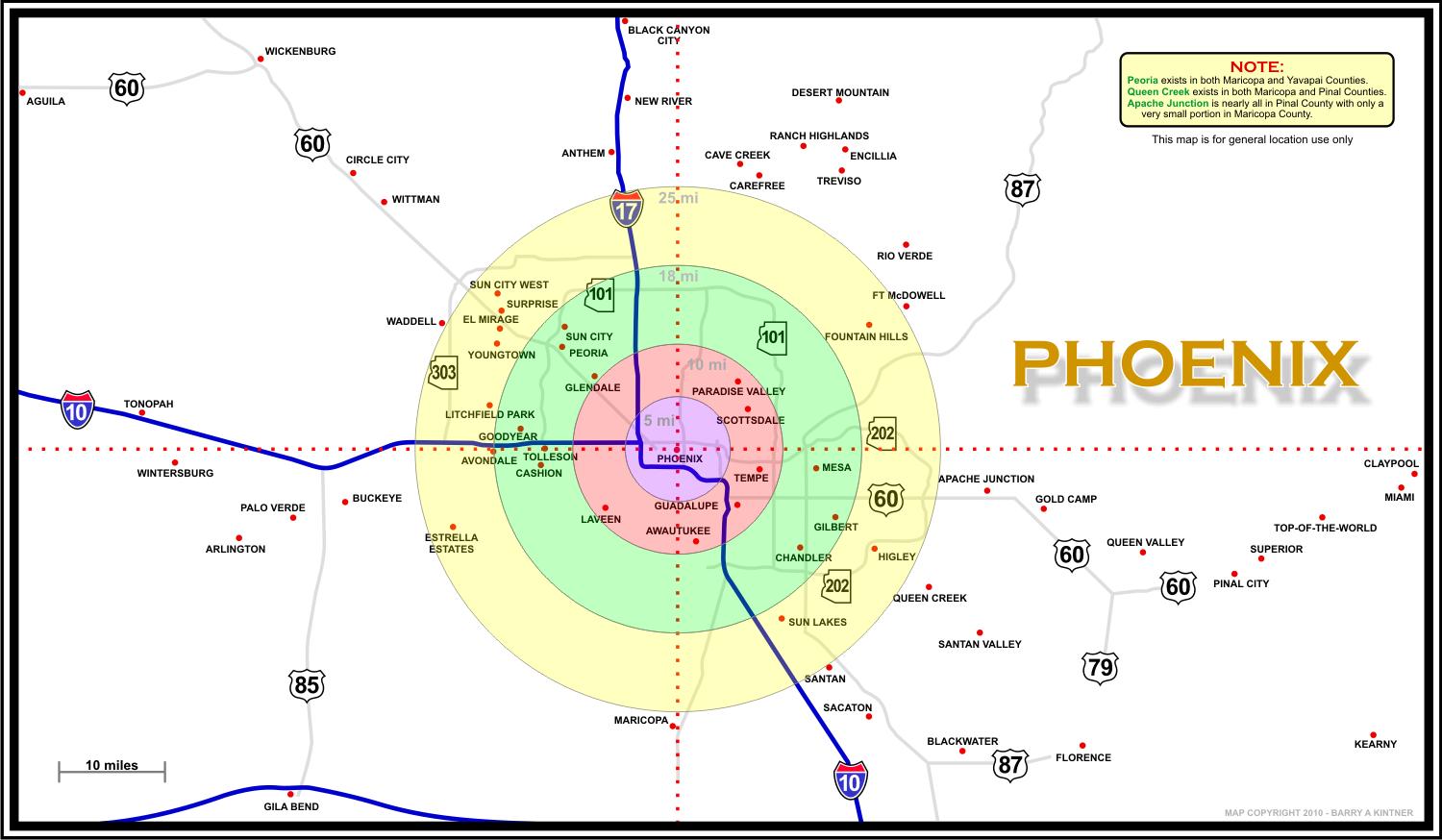
The U.S. Office of Management and Budget (OMB) defines the Phoenix-Mesa-Chandler MSA as consisting of two primary counties: Maricopa and Pinal. While the city of Phoenix serves as the central anchor, the metropolitan area encompasses several large, self-sustaining cities that contribute significantly to the total population count.
Maricopa County remains the primary engine of growth, housing more than 85% of the metropolitan population. However, Pinal County has seen some of the highest percentage growth rates in the nation as residential development pushes further southeast into cities like Casa Grande and San Tan Valley. This geographic spread is a defining characteristic of the Valley; the metro area covers more than 14,000 square miles, an area larger than several U.S. states.
The region is often categorized into several "sub-valleys":
- The East Valley: Includes Mesa, Chandler, Gilbert, Tempe, and Scottsdale. This area is characterized by high-tech employment and established suburban communities.
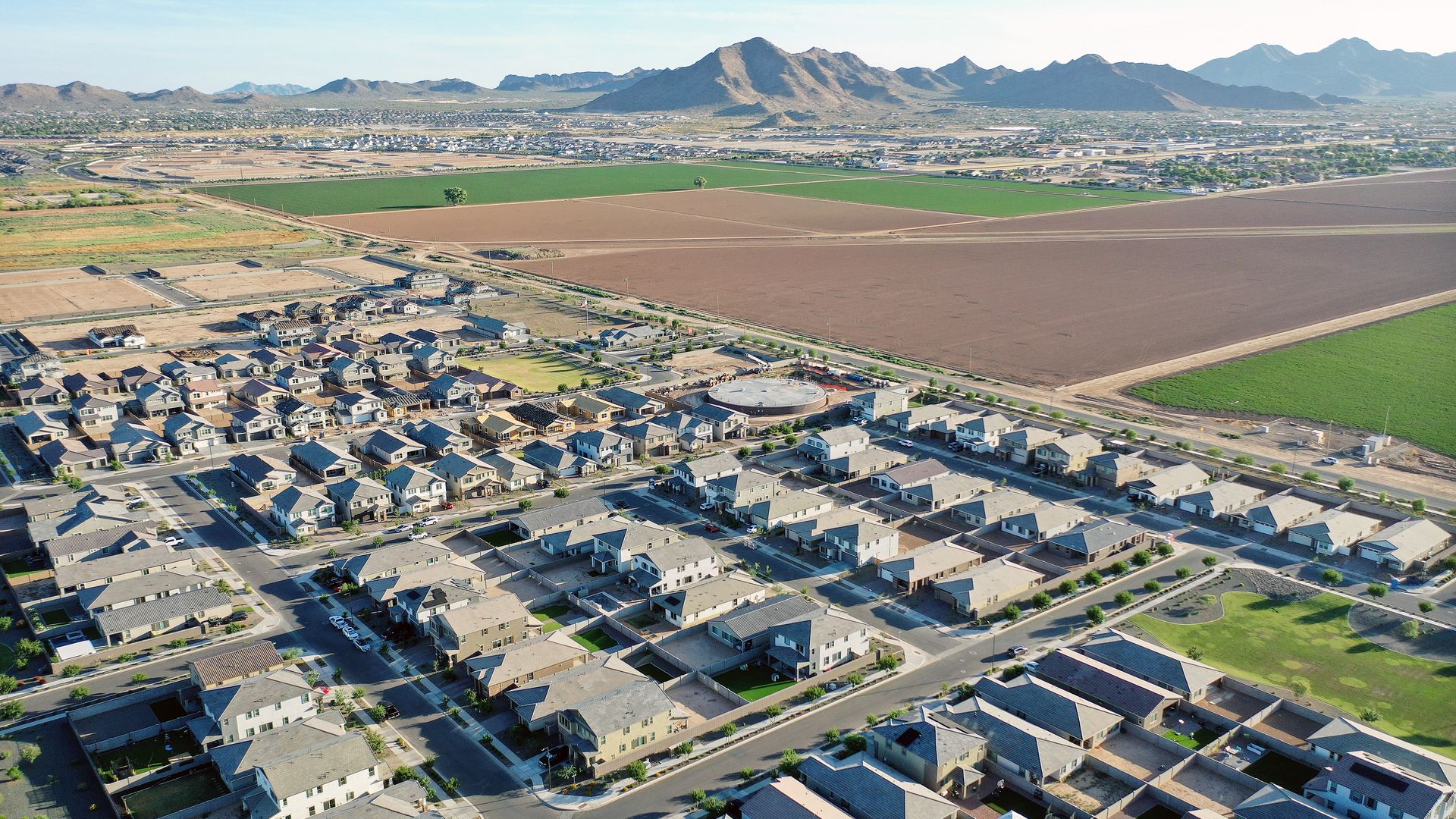
- The West Valley: Includes Glendale, Peoria, Surprise, Goodyear, and Buckeye. Historically more residential, this area has recently seen a massive influx of logistics, manufacturing, and data center investments.
- The North Valley: Areas including Anthem and the Deer Valley Village, which are seeing significant industrial growth due to major semiconductor manufacturing facilities.
Growth Drivers: Why People Are Moving to Phoenix in 2026
The surge to 5.42 million residents is not accidental. Several factors have converged to maintain the Phoenix metro area’s status as a top destination for both individuals and corporations.
The "Silicon Desert" Expansion
One of the most significant contributors to population growth in the mid-2020s has been the maturation of the semiconductor industry. The presence of Intel in Chandler and the massive TSMC (Taiwan Semiconductor Manufacturing Company) fabrication plants in North Phoenix have created a "multiplier effect." These facilities require thousands of high-skilled engineers and technicians, many of whom have relocated from California, Oregon, and international locations. This high-wage employment base supports additional growth in the service, retail, and construction sectors.
Comparative Affordability
While housing prices in Phoenix have risen significantly since 2020, the region remains more affordable than coastal tech hubs like San Francisco, Seattle, or Los Angeles. For many families and remote workers, the ability to secure a newer, larger home for a lower price point remains a primary motivation. The lack of a state income tax in neighboring states like Nevada or Texas is often balanced by Arizona’s relatively low property tax rates and overall cost-of-living index, which remains near the national average.
Lifestyle and Climate
The traditional draw of 300 days of sunshine per year continues to attract residents, particularly from the Midwest and Northeast. The lifestyle appeal has shifted from purely golf-and-resort living to an active, outdoor-oriented culture involving hiking, professional sports, and a burgeoning culinary scene.
Population Breakdown by Major City
The Phoenix MSA is unique because it contains multiple cities with populations exceeding 250,000. This "polycentric" growth prevents the region from relying solely on a single downtown core.
| City | Estimated 2026 Population | Key Growth Driver |
|---|---|---|
| Phoenix | 1,710,000 | Urban infill and North Valley industrial expansion |
| Mesa | 535,000 | Healthcare and aerospace industries |
| Chandler | 290,000 | Semiconductor manufacturing and financial services |
| Gilbert | 285,000 | High-income residential and family-friendly amenities |
| Glendale | 262,000 | Sports, entertainment, and logistics |
| Scottsdale | 255,000 | Tourism, luxury real estate, and tech startups |
| Buckeye | 135,000 | Master-planned residential communities |
Demographic Shifts and Trends
The composition of the Phoenix population is changing as it grows. In 2026, the median age in the Phoenix MSA is approximately 37 years, which is slightly younger than the national average. This refutes the outdated stereotype of Arizona as purely a retirement state.
The Hispanic and Latino population represents the largest minority group, making up nearly 32% of the metro area. This demographic has a significant impact on the region’s culture, workforce, and voting patterns. Furthermore, the "brain gain" phenomenon is visible in educational attainment statistics; as of 2026, approximately 34% of residents over the age of 25 hold a bachelor's degree or higher, a metric that has steadily climbed alongside the expansion of the tech sector.
Infrastructure and Environmental Challenges
Rapid growth to 5.4 million people brings inevitable growing pains. The local and state governments are currently managing several critical areas to ensure the population remains sustainable.
Water Resource Management
Perhaps the most discussed topic regarding the Phoenix population is water. Despite its desert location, Arizona has some of the most sophisticated water management laws in the country, notably the 1980 Groundwater Management Act. In 2026, the focus remains on diversifying water portfolios, including increased reliance on reclaimed water, conservation efforts, and navigating Colorado River Tier shortages. The population growth has largely occurred on former agricultural land, which often uses more water than residential developments, helping to keep water consumption relatively flat despite the increase in people.
Transportation and Transit
The Valley's reliance on a vast freeway system is being tested. While the completion of the Loop 202 South Mountain Freeway helped alleviate some congestion, the 2026 focus is on the expansion of the Valley Metro Light Rail and the "Bus Rapid Transit" (BRT) systems. These efforts aim to connect the outlying suburbs to employment hubs in Tempe and Downtown Phoenix without adding more cars to the already busy I-10 and I-17 corridors.
Housing Supply
A persistent challenge through 2026 has been housing inventory. The rapid influx of residents outpaced new construction for several years, leading to a tighter market. Developers have pivoted toward high-density "built-to-rent" communities and multi-family units in urban cores to meet the demand of younger professionals who prioritize mobility over traditional homeownership.
Comparison with Other U.S. Metros
The Phoenix-Mesa-Chandler MSA currently ranks as the 10th largest metropolitan area in the United States. It recently surpassed the Boston and Riverside-San Bernardino metros in total population.
Growth rates in Phoenix typically hover between 1.5% and 2.0% annually. While this is lower than the explosive peaks seen in the early 2000s, it represents a more sustainable, "mature" growth phase driven by jobs rather than speculative real estate. Phoenix competes primarily with Dallas, Austin, and Las Vegas for domestic migration, with Phoenix often winning on the diversity of its economy and proximity to California markets.
FAQs About the Phoenix Metropolitan Population
Is the Phoenix population still growing in 2026?
Yes, the Phoenix metropolitan area remains one of the top five fastest-growing MSAs in the U.S. by numeric increase. While the percentage growth has stabilized compared to the 1990s, the raw number of new residents each year remains high, averaging between 60,000 and 80,000 people.
Which city in the metro area is growing the fastest?
Currently, Buckeye and Goodyear in the West Valley are seeing the fastest percentage growth. Buckeye has consistently ranked among the fastest-growing cities in the nation for the past five years due to the availability of land for new master-planned communities.
What is the primary reason people move to Phoenix?
Employment is the primary driver in 2026. The expansion of the "Silicon Desert" tech corridor and the presence of major regional headquarters for financial institutions (like State Farm and Wells Fargo) provide a stable job market that attracts both entry-level workers and high-level executives.
Does the heat affect the population growth?
While extreme summer temperatures are a known factor, they have not historically deterred growth. However, in 2026, there is an increased focus on "urban heat island" mitigation, such as planting more trees and using "cool pavement" technology to make the city more livable during the peak summer months.
How does the population density of Phoenix compare to other cities?
Phoenix is relatively low-density compared to East Coast cities like New York or Philadelphia. It is a classic "horizontal city," though recent developments in Downtown Phoenix, Midtown, and Tempe are significantly increasing the urban density through high-rise residential projects.
Final Recommendation for Residents and Businesses
For those looking to move to or invest in the Phoenix Metropolitan Area in 2026, the data suggests a market that is transitioning from a "boom town" to a stable, major American metropolis. Potential residents should focus on the West Valley for more affordable entry-level housing or the East Valley for proximity to the established tech corridor. Businesses should note the highly skilled labor pool emerging from Arizona State University, which continues to produce a massive volume of graduates tailored to the needs of the local economy. The key to navigating this growth is understanding that the "Phoenix population" is actually a collection of diverse, interconnected cities, each offering a different economic and cultural value proposition.
Image Gallery