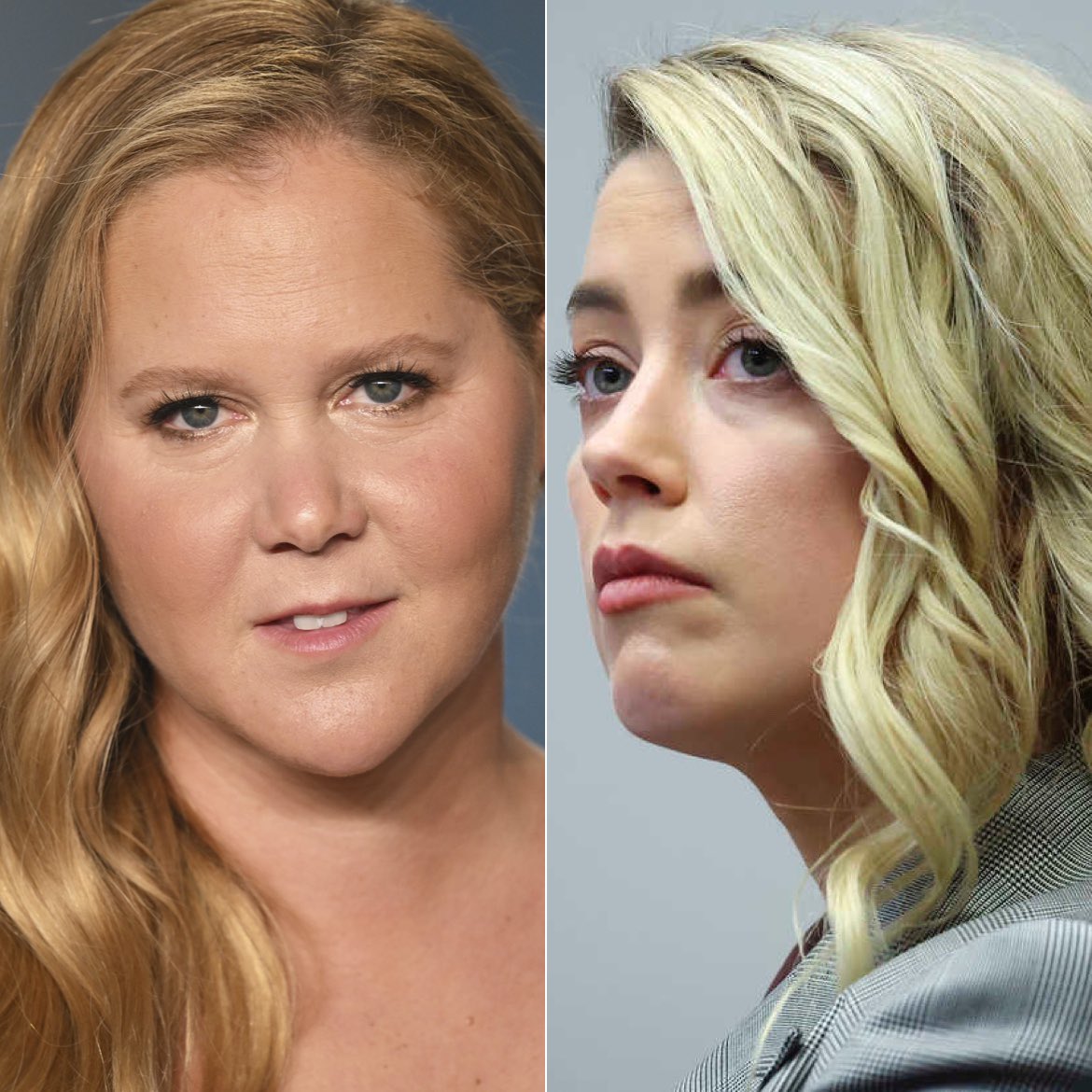
Amber Heard’s Identity and Her Career: A Detailed Analysis of the Real Impact
Amber Heard’s decision to come out as bisexual in 2010 initially faced significant industry resistance, with advisors warning it would end her career. While she successfully transitioned into blockbuster roles like Mera in Aquaman, the...
Amber Heard’s decision to come out as bisexual in 2010 initially faced significant industry resistance, with advisors warning it would end her career. While she successfully transitioned into blockbuster roles like Mera in Aquaman, the long-term impact on her career has been shaped more by the intersection of her personal identity, public advocacy, and subsequent high-profile legal battles.
Contents
The 2010 Disclosure: A Turning Point in Hollywood Context
When Amber Heard publicly came out during GLAAD’s 25th-anniversary event in 2010, the landscape of Hollywood was markedly different than it is in 2026. At that time, very few leading ladies in the industry were open about being queer, particularly those positioned as "bombshell" archetypes. Heard was frequently cast in roles that relied on a specific brand of heteronormative appeal, such as her performances in Friday Night Lights and The Stepfather.
The immediate internal reaction from her representation and industry insiders was one of alarm. Heard has stated in multiple interviews that she was told her "bisexuality would end her career." The prevailing logic in 2010 was that an actress could not be perceived as a viable romantic lead for male audiences if her real-life attractions were known to include women. This period marked a significant risk for Heard, as she was transitioning from indie projects into the mainstream.
Despite these warnings, the "real impact" during this phase was surprisingly contrary to the dire predictions. Instead of disappearing from the screen, Heard became a visible advocate for LGBTQ+ rights. This advocacy added a layer of modern relevance to her public persona that many of her contemporaries lacked. While some doors may have closed in conservative corners of the industry, others opened as she became a symbol of a new, more transparent generation of Hollywood talent.
The Era of Blockbuster Success and Brand Integration
From 2011 to 2018, the impact of Heard's identity seemed to stabilize into a manageable, even positive, component of her professional brand. During this timeframe, she landed several high-profile roles that suggested the "career-ending" predictions were incorrect. Her casting in The Rum Diary (2011) placed her opposite Johnny Depp, and she continued to secure roles in major productions like Magic Mike XXL and The Danish Girl.
The pinnacle of this era was her casting as Mera in the DC Extended Universe (DCEU), debuting in Justice League (2017) and starring in Aquaman (2018). Her role in a multi-billion dollar franchise was a massive milestone. It proved that an openly queer actress could headline a global superhero film—a genre that had historically been the most resistant to LGBTQ+ visibility.
During this period, the impact on her career was characterized by:
- Commercial Viability: Proving to studios that her personal life did not detract from ticket sales in international markets.
- Advocacy Alignment: Partnering with organizations like the ACLU as an ambassador for women's rights and LGBTQ+ issues, which strengthened her "brand" as a social activist.
- Redefining the "Leading Lady": Challenging the notion that a romantic interest in a film must be played by a strictly heterosexual actor to be believable to the audience.
The Intersection of Personal Identity and Legal Scrutiny
The "real impact" on Amber Heard's career took a drastic turn as her personal life became the subject of intense litigation. While her identity as a bisexual woman was initially a point of pride and advocacy, it became a point of contention during the legal battles of 2020 and 2022.
During the 2022 defamation trial in Virginia, Heard’s previous relationships, including her five-year relationship with photographer Tasya van Ree, were scrutinized. The impact here was twofold. First, the trial discourse often touched upon stereotypes regarding bisexual individuals, which some media analysts argued contributed to a polarized public perception. Second, the overwhelming social media backlash during the trial created a "toxic" association with her name that transcended her talent or her identity.
The career impact during this time was measurable. Her role in Aquaman and the Lost Kingdom became a subject of intense speculation and online petitions. While she remained in the film, the public discourse surrounding her presence was no longer about her identity as a queer woman, but about her viability as a commercial asset in the face of widespread negative sentiment. This period demonstrated that while Hollywood had become more accepting of queer identities, it remained highly sensitive to "controversy" that could affect a film's bottom line.
Career Status in 2026: The Shift to Independent Cinema and International Living
By 2026, the trajectory of Amber Heard’s career has fundamentally shifted away from the Hollywood studio system. Following the 2022 trial, Heard relocated to Madrid, Spain, seeking a quieter life away from the paparazzi culture of Los Angeles. This move has had the most direct impact on her professional output.
In 2026, we see Heard focusing almost exclusively on independent cinema and European productions. The "real impact" today is a transition from a global "A-list" blockbuster star to a niche, independent actress. This transition is not uncommon for actors who have survived massive public scandals, but in Heard's case, it is also a deliberate choice to regain autonomy over her narrative.
Her recent work, such as the 2023 film In the Fire, showcases a return to character-driven roles that do not rely on the massive marketing machines of Warner Bros. or Disney. For many in the industry, Heard now represents a case study in "reputation management" and the endurance of an artist in the face of unprecedented digital vitriol.
Career Impact Comparison Table
The following table outlines the different phases of Heard's career and the primary factors influencing her professional standing.
| Era | Primary Career Focus | Impact of Identity/Personal Life | Industry Perception |
|---|---|---|---|
| Pre-2010 | Up-and-coming ingenue | Identity undisclosed; cast in "bombshell" roles. | Highly promising "Next Big Thing." |
| 2010–2015 | Breakout lead actress | Came out as bisexual; faced warnings but gained advocacy roles. | Courageous but "risky" for conservative studios. |
| 2016–2019 | Global Blockbuster Star | Mera in Aquaman; identity viewed as part of a modern, inclusive brand. | Top-tier commercial asset and social activist. |
| 2020–2023 | Litigation and Controversy | Identity scrutinized in court; massive social media backlash. | Controversial; perceived as a liability for major franchises. |
| 2024–2026 | Independent & European Film | Relocation to Spain; focus on smaller, artistic projects. | Resilient independent artist; distanced from Hollywood. |
The Legacy of Visibility in a Post-Trial Industry
While the legal battles undoubtedly overshadowed her career for a time, the impact of Heard being one of the first openly bisexual women in modern superhero cinema cannot be erased. In 2026, the industry has seen a rise in queer actors leading major franchises, a shift that Heard helped pioneer, albeit at a high personal and professional cost.
The "real impact" is thus a paradox. On one hand, her career in the traditional Hollywood "machine" was severely damaged by the social media climate of the early 2020s. On the other hand, she remains a significant figure in the history of LGBTQ+ visibility in Hollywood. Her career serves as a reminder of the fragility of fame in the age of viral litigation, but also the possibility of finding a "second act" outside of the traditional studio system.
Frequently Asked Questions
Did Amber Heard lose her role in Aquaman because of her identity?
No, there is no evidence that her identity as a bisexual woman led to her role being reduced or scrutinized. The changes to her role in the sequel were attributed by the studio to "chemistry issues" and the creative direction of the film, though public pressure from the legal trials was a significant external factor during that time.
How did the LGBTQ+ community respond to her career challenges?
The response was divided. Many LGBTQ+ organizations and activists supported her, highlighting the "bisexual erasure" and specific tropes used against her during the trial. Others within the community were more focused on the domestic violence allegations, reflecting the same polarization seen in the general public.
Is Amber Heard still acting in 2026?
Yes, but her focus has shifted. She is primarily involved in independent films and international projects, having moved away from the Los Angeles-based studio system. Her work in 2026 reflects a more curated, less commercial approach to acting.
What was the "Lavender Scare" warning Heard received?
When she came out in 2010, Heard was warned by agents and producers that her career would follow the path of the "Lavender Scare"—a mid-20th-century period where queer people were purged from government and industry. They feared she would be "uncastable" in romantic roles opposite men.
Has her move to Spain helped her career?
From a mental health and privacy perspective, the move has been reported as a success. Professionally, it has allowed her to engage with European filmmakers who may have a different perspective on her public persona than Hollywood studios, though it has moved her further away from high-salary blockbuster opportunities.
Practical Recommendations for Following the Industry
For those interested in the intersection of celebrity identity and career longevity, it is useful to monitor the following:
- Independent Film Festivals: Watch for Heard’s appearances at festivals like Sitges or San Sebastián, where she is more active now.
- Advocacy Reports: Follow organizations like GLAAD for updates on how queer actresses are currently being cast in Hollywood compared to the 2010 era.
- Reputation Management Studies: Academic analysis of the 2022 trial continues to provide insights into how digital sentiment impacts casting decisions in 2026.
Amber Heard’s career serves as a complex case study in the evolution of Hollywood. While her identity was once seen as her biggest professional threat, it was ultimately the digital-age intersection of her personal life and the legal system that redefined her path. As of 2026, she remains a figure of resilience, demonstrating that a career can exist—and even evolve—long after the "blockbuster" chapter has closed.
Image Gallery