Why the Ed Helms Hangover Still Echoes in Comedy
Ed Helms’ portrayal of Stu Price redefined the "straight man" archetype by blending suburban repression with explosive, physical vulnerability. Even by 2026, his performance remains a foundational blueprint for ensemble comedies, demon...
Ed Helms’ portrayal of Stu Price redefined the "straight man" archetype by blending suburban repression with explosive, physical vulnerability. Even by 2026, his performance remains a foundational blueprint for ensemble comedies, demonstrating how a grounded, high-stakes character can anchor absurd narratives while providing the genre's most visceral emotional and physical payoffs.
Contents
The Evolution of the Repressed Professional
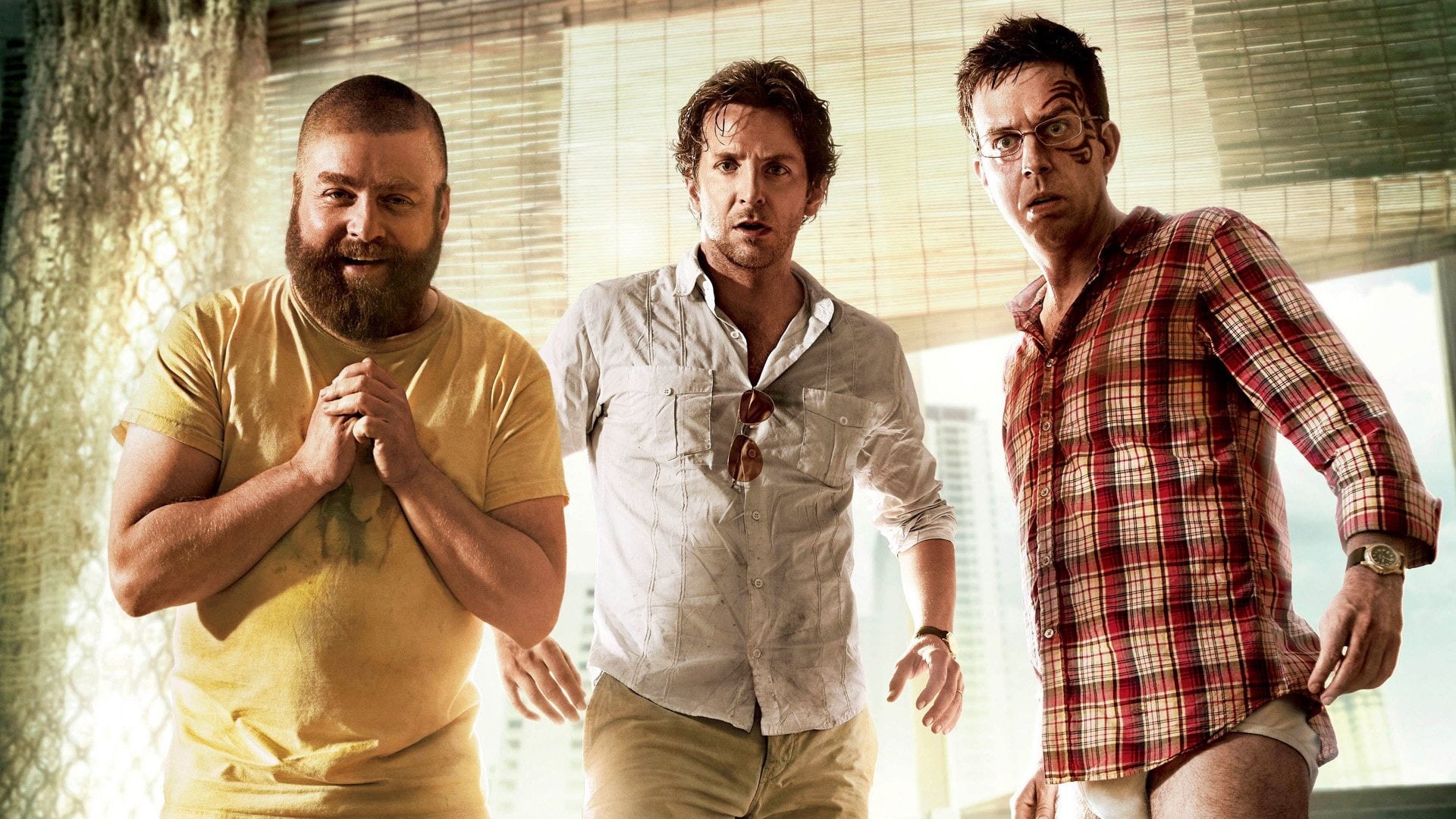
When The Hangover debuted in 2009, the landscape of R-rated comedy was shifting from the improvisational "frat-pack" style of the early 2000s toward high-concept, high-stakes chaos. At the center of this shift was Ed Helms as Stu Price. Unlike the hyper-masculine Phil (Bradley Cooper) or the pathologically eccentric Alan (Zach Galifianakis), Stu represented the audience’s link to reality. He was a dentist—a "doctor," by his own insistence—whose life was defined by meticulously maintained boundaries and a suffocating relationship.
The reason this character still echoes in comedy today is the specific way Helms utilized "repressed energy." In the years since, we have seen a proliferation of the "professional in peril" trope in films like Horrible Bosses and Game Night. Helms’ Stu Price was the prototype for the modern beta-male hero: a character who does not want to be in the movie he is in. By 2026, screenwriters still look to the Stu Price model to create narrative tension. If every character is "crazy," the stakes vanish. Stu’s desperation to return to his mundane life provides the gravity that keeps the comedy from floating into irrelevance.
The Physicality of the "Stu" Brand of Comedy
One of the most enduring elements of Helms’ performance was his commitment to physical transformation, most notably the missing lateral incisor. A well-documented fact of the production is that Helms never actually had a permanent implant for that tooth, having lost it as a teenager. He had the temporary crown removed for the filming of the first movie to achieve a level of realism that CGI could not replicate.
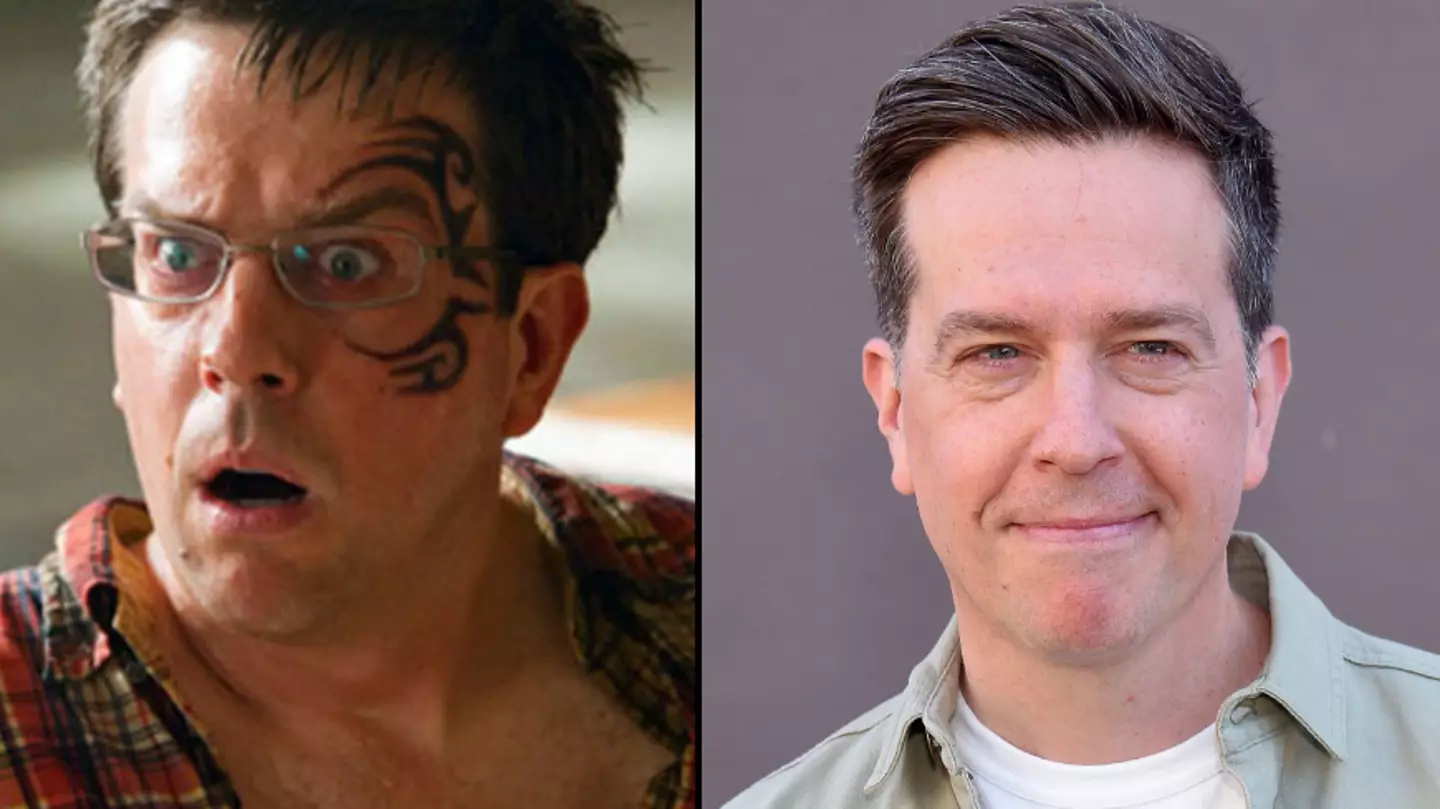
This commitment to "the ugly side of the morning after" set a new standard for physical comedy. It wasn't just about slapstick; it was about the physical manifestation of a psychological breakdown. By the time the sequels arrived—specifically with the facial tattoo in The Hangover Part II—the "Stu transformation" became a recurring comedic motif. This "echo" is visible in current 2026 comedy trends where protagonists undergo permanent, often jarring physical changes as part of their character arcs, moving away from the "reset button" trope of older sitcoms and films.
Comparison of The Wolfpack Dynamics
To understand why Stu’s role was the most critical for the franchise’s longevity, one must look at the functional distribution of the trio:
| Character | Archetype | Narrative Function | Source of Comedy |
|---|---|---|---|
| Phil (Bradley Cooper) | The Alpha / Leader | Drives the plot forward; maintains confidence. | Arrogance and sarcasm. |
| Alan (Zach Galifianakis) | The Wildcard | Provides the catalyst for chaos; unpredictable. | Social ineptitude and absurdity. |
| Stu (Ed Helms) | The Straight Man / Reactor | Provides the emotional stakes and consequences. | Panic, repression, and "snapping." |
As shown in the table, Stu is the only character who undergoes a legitimate internal transformation. Phil remains essentially the same, and Alan’s growth is lateral at best. Stu, however, moves from a man controlled by a manipulative partner to a man who realizes his own capacity for chaos. This "arc of the ordinary man" is the emotional heartbeat that makes the comedy resonate long after the initial shock of the gags wears off.
Bridging the Gap Between Television and Cinema
In 2009, Ed Helms was already a household name due to his role as Andy Bernard on The Office. However, The Hangover proved that he could translate the "cringe comedy" of a mockumentary series into the broader, more aggressive format of a feature film. Andy Bernard and Stu Price shared a common DNA—both were men desperate for approval and prone to sudden, musical outbursts of emotion (exemplified by "Stu’s Song" at the piano).
The echo here lies in the "Everyman" viability. Before Helms, leading men in comedy often had to be either classically handsome (like Chevy Chase) or overtly "comedic" in their appearance. Helms occupied a middle ground: the suburban professional who could be your dentist or your accountant. This paved the way for actors like Jason Bateman and Charlie Day to lead major franchises by playing characters whose main trait is their relative normalcy in a world gone mad.
The "Nice Guy" Breaking Point
A significant theme in Helms’ work that continues to influence 2026 screenwriting is the exploration of the "Nice Guy" breaking point. In the first film, Stu’s realization that his girlfriend, Melissa, is cheating on him—and his subsequent decision to stand up for himself—is the movie’s primary emotional resolution.
Modern comedy often subverts the idea of the "meek professional" by showing that under the surface of every polite member of society is a reservoir of untapped rage. Helms navigated this transition with a specific type of vocal performance—the "Helmsian scream"—a high-pitched, frantic delivery that conveys a character who has reached the end of his rope. This vocal style has become a shorthand in comedic acting for a character losing their grip on reality, a technique frequently used in ensemble casts to signal the climax of a scene.
The Legacy of R-Rated Ensemble Success
The financial success of The Hangover (grossing over $467 million worldwide) was an anomaly that changed how studios viewed R-rated comedies. It proved that you didn't need a singular "mega-star" if the chemistry of the ensemble was perfect. Helms was the glue of that chemistry. While Galifianakis provided the memes and Cooper provided the charisma, Helms provided the relatable anxiety.
In the decade and a half leading up to 2026, we have seen the industry attempt to replicate this "lightning in a bottle." While many have failed, the ones that succeeded (such as Bridesmaids or Girls Trip) followed the same structural integrity: a group of friends where at least one person is the "Stu"—the person with the most to lose, whose life is most dramatically upended by the plot's events.
The Lasting Impact on Screenwriting Structures
The "Ed Helms Echo" is perhaps most prominent in how comedy scripts are structured today.
- The Professional Anchor: Establishing a character with a "real" job and "real" responsibilities (like a dentist) to contrast with the absurdity.
- The Slow Burn: Allowing the character to start as the most controlled individual before becoming the most unhinged.
- The Consequence-Based Gag: Using humor that stems from the fear of consequences (e.g., "What will my girlfriend say about my tooth?") rather than just the gag itself.
Addressing the "Hangover" fatigue
By 2026, some critics have noted that the "Hangover" formula was perhaps over-exhausted by the mid-2010s. The sequels were criticized for being too derivative of the original structure. However, this critique actually reinforces the importance of Helms' original performance. The reason the sequels were made was because audiences were so invested in the suffering of Stu Price. We wanted to see what else he could lose—a tooth, a face, his sanity.
The "echo" is not just in the imitation of the movie, but in the appreciation for the "suffering protagonist." Helms leaned into the humiliation of the role with a lack of vanity that few actors of his stature would allow. He was willing to be the butt of the joke, the victim of the tiger, and the man who married a stripper, all while maintaining a core of likability.
Frequently Asked Questions
Did Ed Helms actually lose a tooth for the movie? Ed Helms did not lose a tooth specifically for the film; he has a permanent dental implant because his natural tooth never grew in. For the filming of The Hangover, he had a dentist remove the crown of the implant to create the realistic gap seen in the movie. This avoided the need for blacked-out wax or digital effects.
How did the role of Stu Price affect Ed Helms’ career? The role transformed Helms from a "supporting player" on The Office and The Daily Show into a bankable movie star. It led to him leading his own franchises, such as the Vacation reboot (2015), and established him as the go-to actor for characters who are high-strung, professional, and slightly neurotic.
Why is the "Straight Man" role considered the most difficult in comedy? The straight man must remain grounded while everyone else is being funny. If the straight man is too boring, the audience loses interest. If they are too funny, the wildcard character has nothing to bounce off of. Helms mastered the "reactive straight man," where his reactions to the chaos were often funnier than the chaos itself.
What is the "Stu's Song" significance in the film's legacy? "Stu's Song" (the "Three Best Friends" piano piece) became a cultural phenomenon because it highlighted Helms’ real-life musical talent and provided a moment of levity that humanized the characters. It reinforced the idea that despite the carnage of the night before, there was a genuine, albeit dysfunctional, bond between the men.
Final Perspective: The Enduring Blueprint
In the cinematic landscape of 2026, we see the remnants of the "Stu Price" archetype in every comedy that pits a stressed-out professional against an improbable situation. Ed Helms provided more than just laughs; he provided a roadmap for how to survive an R-rated comedy with one’s dignity (mostly) intact. His performance echoes because it reminds us that the funniest thing in the world isn't a man doing something crazy—it's a "normal" man trying desperately to pretend that everything is fine while his world is falling apart. For any aspiring comedic actor or writer, studying Helms’ timing, his physical commitment, and his ability to anchor an ensemble is still the gold standard for the genre.
Image Gallery