Should a Wedding Officiant Give a Gift: Etiquette Insights for Professional Conduct
A wedding officiant is typically not expected to give a wedding gift to the couple. Because the relationship between an officiant and the couple is professional, their primary contribution is the service rendered—the legal and spiritua...
A wedding officiant is typically not expected to give a wedding gift to the couple. Because the relationship between an officiant and the couple is professional, their primary contribution is the service rendered—the legal and spiritual solemnization of the marriage—rather than a social gift exchange. However, personal circumstances or long-standing friendships can influence whether a gesture of celebration is appropriate.
Contents
Defining the Professional Relationship
The wedding officiant, whether a clergy member, a civil servant, or a friend who has been ordained to perform a specific ceremony, serves in a professional capacity during the event. Their presence is focused on the execution of the marriage rites, the signing of the legal marriage license, and ensuring the ceremony adheres to the couple's vision and local legal requirements.
In most professional service industries, the transaction is defined by a fee (or a donation in the case of some religious institutions) exchanged for the officiant’s time, expertise, and legal responsibility. By the standards of professional etiquette, the wedding day is the conclusion of a contractual or quasi-contractual agreement. Unlike guests, who are invited to celebrate a personal social bond with the couple, the officiant’s presence is work-oriented. Therefore, there is no societal expectation for the officiant to provide a gift from the wedding registry.
Factors That May Change the Dynamic
While the professional standard is clear, nuances in the relationship can alter the decision-making process. The context of how the officiant was selected and their personal history with the couple often dictates whether a gift is appropriate.
1. The Professional Officiant
If you have hired an officiant through a business, website, or professional service, the relationship remains strictly transactional. In this scenario, providing a gift is highly unconventional and may even be perceived as awkward or unprofessional. The officiant’s "gift" to the couple is a flawlessly performed ceremony. If you are a professional officiant, focus your resources on delivering an exceptional experience, personalized vows, and timely filing of the legal paperwork.
2. The Personal Connection
The etiquette changes significantly when the officiant is a close friend or a family member. If you were asked to officiate because of a deep, lifelong bond, the professional nature of the ceremony does not negate your status as a guest. In these instances, you are wearing two hats: that of the wedding official and that of a cherished loved one. Here, a gift is not only appropriate but is often expected, as it acknowledges the personal significance of the milestone.
3. Religious and Institutional Guidelines
Some religious organizations have strict internal policies regarding gift-giving. A member of the clergy, such as a priest, rabbi, or minister, might be restricted by their institution’s ethics committee from accepting personal gifts from congregants or couples they marry. Before deciding on a gesture, consider whether the institution requires a donation to the church or charity instead of a personal gift.
How to Navigate Gift-Giving Decisions
When determining whether a gift is necessary, use the following framework to assess your specific situation:
| Relationship Type | Etiquette Expectation | Recommended Action |
|---|---|---|
| Hired Professional | No expectation | Send a professional thank-you note or review. |
| Acquaintance / Peer | No expectation | A card expressing warm wishes is sufficient. |
| Close Friend | Expected | Provide a traditional wedding gift. |
| Family Member | Expected | Provide a traditional wedding gift. |
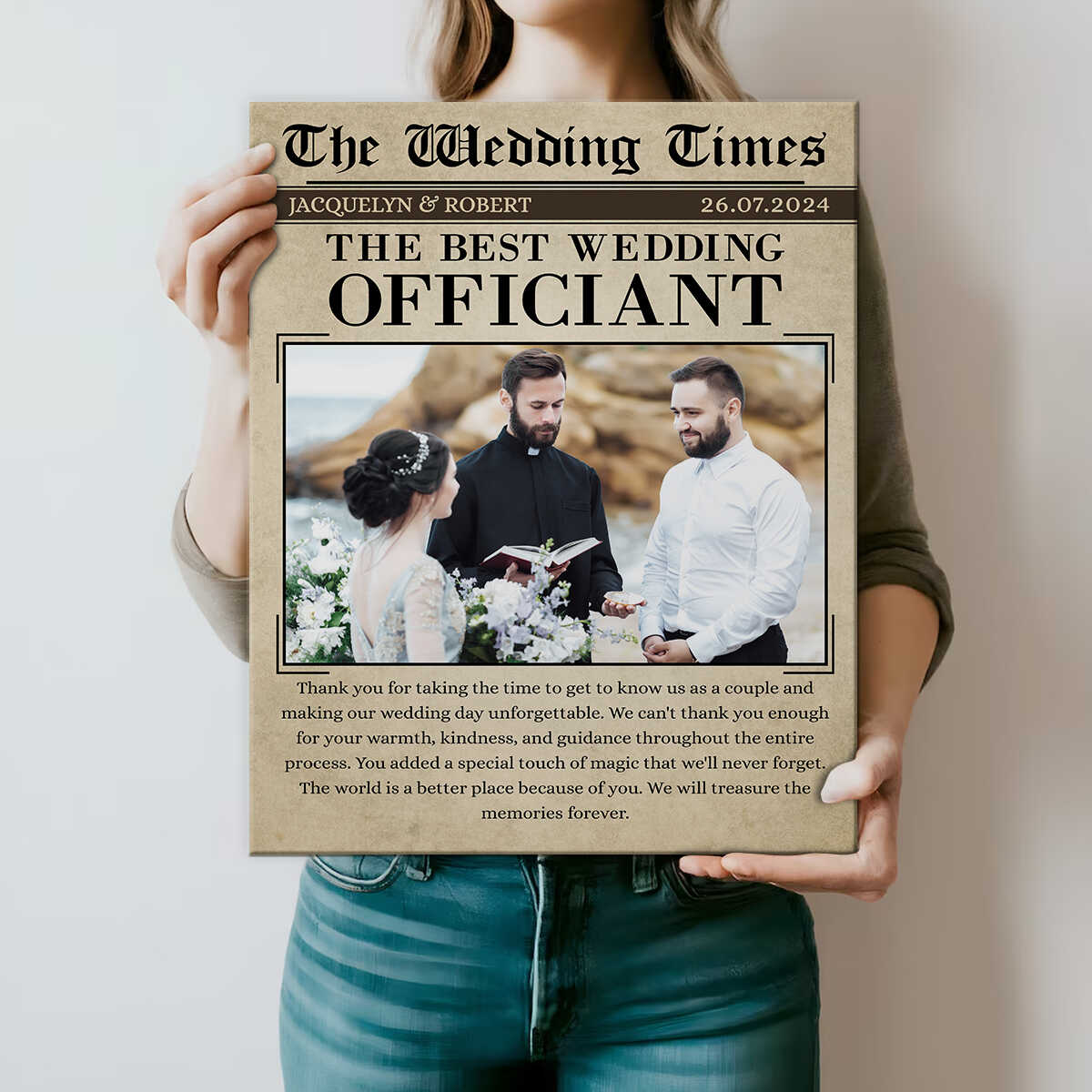
If you still feel inclined to mark the occasion without violating professional boundaries, consider "non-material" gifts. A heartfelt, handwritten note sent after the wedding expressing how much you enjoyed officiating the ceremony is a high-value gesture that provides lasting emotional satisfaction for the couple.
The Role of the "Thank You"
For professional officiants, the most valuable "gift" you can receive is a thoughtful review or a personal letter of appreciation. In 2026, as digital reputation continues to be a cornerstone of professional service businesses, positive feedback is the currency of the industry. If you feel a gift is warranted but want to maintain professional boundaries, focus your energy on ensuring the couple has a smooth administrative experience and providing them with a beautiful keepsake copy of their ceremony script.
Common Mistakes to Avoid
When navigating the intersection of professionalism and celebration, certain pitfalls can create confusion:
- The Over-Investment Trap: Avoid purchasing expensive items for clients. It creates a power imbalance and can make the couple feel obligated to offer a larger gratuity than they might have originally budgeted.
- Assuming a Gift is Needed: Do not feel pressured to participate in the gift-giving culture of the wedding. Your time and stress are already being invested in the event’s success.
- Mixing Boundaries: If you are a professional officiating for a friend, clarify early if you are acting in a professional capacity (paid) or a guest capacity (gift-bearing friend). This prevents confusion regarding expectations for both the ceremony and the reception.
Ethical Considerations for Professional Officiants
If you operate as a professional, remember that your liability and ethical standing are paramount. Accepting gifts from clients—if you are a government official or a judge—may even be prohibited by local ethics codes. Always verify that your actions comply with any statutes regarding the acceptance of gifts from the public. While most private wedding officiants do not face legal restrictions, maintaining a standard of "gift-neutrality" helps preserve your reputation as an impartial party in the marriage contract.
Frequently Asked Questions
Is it rude for a professional officiant not to give a gift? No. A professional officiant is a service provider. In the same way that a photographer or caterer is not expected to purchase a gift for the couple, the officiant is compensated for their work, which precludes the requirement of a social gift.
What is the best way to show appreciation as an officiant? A handwritten note sent a week or two after the wedding is the most professional and meaningful gesture. If you want to go further, providing the couple with a professionally printed, decorative version of their wedding vows or the ceremony script is a high-quality, non-intrusive gift.
If I am a friend who is also an officiant, should I give a gift? Yes. If the primary nature of your relationship is friendship, the fact that you performed the ceremony does not negate your role as a guest. You should provide a gift commensurate with your relationship to the couple, independent of your role in the ceremony.
Can I give a discount on my fees instead of a gift? Yes, this is an excellent professional alternative. If you want to show generosity to a friend who has hired you, you can provide a "friends and family" discount on your standard service fee. Ensure this is documented clearly to avoid any confusion about your professional rates.
Should I bring a gift to the wedding venue? Unless you are a close friend or family member, do not bring a gift to the venue. If you feel a professional gift is necessary—such as a token for a couple you have grown close to during the planning process—it is best to mail it to their home address after the wedding. This avoids the logistical burden on the couple of transporting gifts from the venue.
Final Recommendation
For the vast majority of wedding officiants, the most appropriate course of action is to decline gift-giving in favor of professional excellence. Your value lies in your ability to craft a meaningful ceremony and manage the legal obligations of the day. If you have an established personal relationship with the couple, treat the gift-giving as you would for any other close friend. If the relationship is strictly professional, rely on a warm, professional post-wedding note to convey your well-wishes. By adhering to these boundaries, you maintain the dignity of your role while honoring the importance of the occasion.
Image Gallery