The Net Worth of iFixit CEO Kyle Wiens: A 2026 Financial and Leadership Profile
As of 2026, the estimated net worth of iFixit CEO Kyle Wiens is approximately $15 million to $30 million. Because iFixit remains a privately held company that has historically resisted traditional venture capital investment, Wiens’ wea...
As of 2026, the estimated net worth of iFixit CEO Kyle Wiens is approximately $15 million to $30 million. Because iFixit remains a privately held company that has historically resisted traditional venture capital investment, Wiens’ wealth is primarily tied to his majority equity stake in the firm and its global expansion into the tool and parts markets.
Contents
The financial standing of Kyle Wiens is unique in the technology sector. Unlike many Silicon Valley executives whose wealth is tied to volatile stock market fluctuations or high-frequency rounds of institutional funding, Wiens has built his net worth through a "bootstrap-first" philosophy. As the co-founder and CEO of iFixit, he has turned a mission-driven organization dedicated to the "Right to Repair" into a profitable global enterprise. Understanding his net worth requires an analysis of iFixit’s business model, the valuation of the repair industry in 2026, and the impact of global repair legislation.
The Foundations of Kyle Wiens’ Wealth: The iFixit Origin Story
Kyle Wiens co-founded iFixit in 2003 alongside Luke Soules while they were students at California Polytechnic State University (Cal Poly), San Luis Obispo. The catalyst for the business was a broken Apple iBook G3; when the duo could not find a repair manual online, they decided to create their own.
In the early years, the business focused on selling replacement parts for MacBooks. However, the true "wealth-building" engine of the company was the decision to provide repair manuals for free. This strategy created a massive, loyal community and established iFixit as the world’s leading authority on device repairability. By 2026, iFixit has evolved from a niche hobbyist site into a critical infrastructure provider for the circular economy, with millions of monthly users and a robust e-commerce wing.
The Self-Funding Advantage
One of the primary reasons Wiens’ net worth is concentrated in equity is the company’s avoidance of outside investors. By not taking significant venture capital, Wiens and Soules have retained a much larger percentage of the company than typical tech founders who might own less than 10% by the time their company reaches a $100 million valuation. This high ownership percentage means that even a modest valuation of iFixit translates into significant personal net worth for its CEO.
iFixit’s Business Model and Revenue Streams in 2026
To understand the valuation of the company—and by extension, the CEO's wealth—one must look at how iFixit generates revenue. In 2026, the company operates three primary divisions:
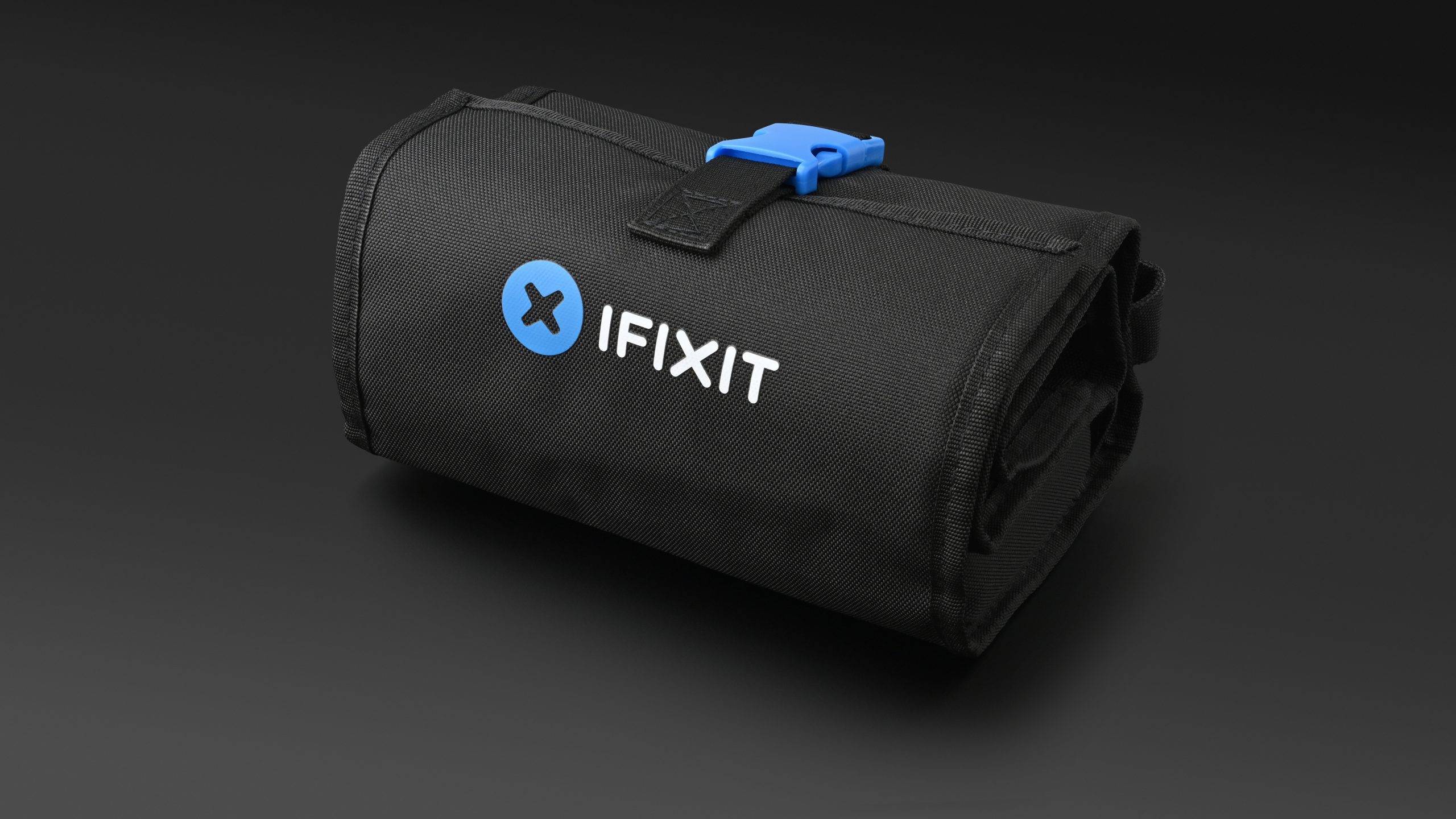
- Tool Manufacturing and Sales: iFixit manufactures its own line of high-quality precision tools, such as the Pro Tech Toolkit and the Manta Driver Set. These tools have become the industry standard for electronics repair.
- Replacement Parts Logistics: iFixit maintains a massive inventory of batteries, screens, and internal components for smartphones, laptops, and game consoles.
- Enterprise Partnerships: In a significant shift from the 2010s, many major manufacturers (including Google, Samsung, and Valve) now partner with iFixit to provide official spare parts and manuals to consumers.
Revenue Estimates and Valuation
While iFixit does not publicly disclose its annual earnings, industry analysts estimate the company’s annual revenue to be between $60 million and $90 million in 2026. Given the company's dual role as a retailer and a media platform, a conservative valuation would be 2x to 3x revenue. This places the company’s value in the $150 million to $250 million range. Wiens’ net worth is derived directly from his significant portion of this valuation, combined with his annual salary and personal investments.
| Revenue Driver | Impact on CEO Net Worth | 2026 Market Status |
|---|---|---|
| Tool Sales | High (High margins) | Dominant market share in precision electronics tools. |
| OEM Partnerships | Moderate (Steady growth) | Official parts distributor for 10+ major electronics brands. |
| EU/US Logistics | High (Infrastructure) | Expanded warehousing in Stuttgart and California. |
| Media/Ad Revenue | Low (Community focus) | Primary driver for traffic, but secondary for direct revenue. |
The "Right to Repair" Movement as a Financial Catalyst
Kyle Wiens is arguably the most prominent face of the Right to Repair movement. This advocacy has had a direct, positive impact on his net worth by creating a more favorable regulatory environment for his business. By 2026, several key legislative milestones have been reached:
- The Federal Right to Repair Act: Comprehensive legislation in the United States that mandates manufacturers provide parts and tools.
- EU Repairability Index: European regulations that require devices to carry a repairability score, a system iFixit pioneered.
- State-Level Mandates: Early adopters like New York, California, and Minnesota have seen their repair laws become the blueprint for national standards.
These laws have effectively "de-risked" the iFixit business model. In the past, companies like Apple could have theoretically shut down third-party repair through software locks or legal threats. In 2026, the law protects the right of consumers to repair their devices, ensuring that iFixit's market for parts and tools is legally protected and expanding.
Kyle Wiens’ Salary and Executive Compensation
While the bulk of Wiens' net worth is tied up in iFixit equity, his annual compensation also contributes to his financial profile. For a CEO of a company with $80 million in revenue, a typical base salary ranges from $300,000 to $600,000, often supplemented by bonuses tied to profitability.
However, Wiens is known for a relatively modest lifestyle compared to other tech executives. He remains based in San Luis Obispo, California, rather than the high-priced real estate markets of San Francisco or San Jose. His investments outside of iFixit are reported to be in sustainable technologies and local real estate, further diversifying his portfolio without the flashiness associated with "unicorn" founders.
Comparison to Industry Peers
To put Kyle Wiens’ net worth in perspective, it is helpful to compare him to other founders in the hardware and e-commerce space.
- Mission-Driven Founders: Like Yvon Chouinard of Patagonia, Wiens has prioritized the mission of the company over short-term liquidity. While this might result in a lower "paper" net worth than a CEO who takes a company public, it results in much higher control and long-term stability.
- Hardware Competitors: Compared to the CEOs of major tool manufacturers like Snap-on or Stanley Black & Decker, Wiens’ net worth is smaller. However, those are multi-billion dollar legacy corporations. In the specialized niche of electronics repair, Wiens is at the top of the financial pyramid.
Challenges and Future Outlook for 2026 and Beyond
The primary risk to Wiens’ net worth remains the transition of the electronics industry. As devices become more integrated—such as the shift toward "system-on-a-chip" (SoC) architectures—the number of individual components that can be repaired decreases.
However, iFixit has countered this by expanding into new categories. By 2026, the company has heavily invested in:
- Electric Vehicle (EV) Repair: Providing tools and guides for home EV maintenance.
- Medical Device Repair: Advocating for hospitals to be able to repair their own ventilators and monitors.
- Home Appliance Parts: Moving beyond the "screen and battery" niche into large appliances.
This diversification ensures that even if the smartphone market reaches total saturation or moves toward unrepairable designs, the company—and Wiens’ stake in it—retains its value.
FAQ: Understanding the Financials of iFixit
Is iFixit a public company?
No, iFixit is a privately held company. It has not undergone an Initial Public Offering (IPO), and there are no current signs that Kyle Wiens intends to take the company public in 2026. This allows the company to focus on its environmental and repairability goals without the pressure of quarterly earnings reports for shareholders.
How much of iFixit does Kyle Wiens own?
While the exact capitalization table is private, it is widely believed that Kyle Wiens and co-founder Luke Soules own the vast majority of the company. Unlike startups that have gone through Series A through E funding rounds, iFixit has remained largely independent, suggesting Wiens likely owns between 30% and 50% of the firm.
Has Kyle Wiens sold any of his shares?
There have been no public reports of secondary market sales or buyouts of Wiens' shares. He has frequently stated that he views iFixit as a lifelong project rather than an "exit-strategy" startup.
Does the "Right to Repair" legislation make Kyle Wiens richer?
Indirectly, yes. While Wiens advocates for repairability as a social and environmental cause, the legislation expands the market for iFixit’s products. When laws require manufacturers to make parts available, it creates a more stable supply chain for iFixit to sell those parts to consumers.
What is Kyle Wiens' primary source of wealth?
His primary source of wealth is his equity in iFixit. This is followed by his salary as CEO and any personal investments in real estate or other technology ventures. He is also a frequent speaker and contributor to various publications, though these are likely minor contributors to his overall net worth.
Final Recommendation: The Value of Mission-Driven Leadership
For those tracking executive wealth, Kyle Wiens serves as a case study in sustainable wealth creation. His net worth, while significant, is a byproduct of solving a global problem—electronic waste—rather than exploiting market volatility.
Investors and entrepreneurs looking to emulate this model should focus on:
- Bootstrapping where possible: Retaining equity allows for greater long-term wealth than early-stage dilution.
- Content as a Funnel: iFixit’s free guides are the most effective marketing tool in the repair industry.
- Policy as a Catalyst: Engaging in advocacy can shape the market in a way that benefits both the public and the business.
As we move through 2026, Kyle Wiens remains a pivotal figure whose financial success is inextricably linked to the global shift toward a more repairable and sustainable world.
Image Gallery