Jeffrey Reddick Net Worth Overview 2026: The Financial Legacy of the Final Destination Creator
As of 2026, Jeffrey Reddick’s net worth is estimated to be between $5 million and $8 million. This valuation is primarily supported by his enduring status as the creator of the Final Destination franchise, which has grossed over $700 m...
As of 2026, Jeffrey Reddick’s net worth is estimated to be between $5 million and $8 million. This valuation is primarily supported by his enduring status as the creator of the Final Destination franchise, which has grossed over $700 million globally. His wealth is a combination of original script sales, executive producer credits, and decades of high-tier WGA residuals.
Contents
The Foundation of Jeffrey Reddick’s Wealth: The Final Destination IP
The primary engine behind Jeffrey Reddick's financial standing is his creation of the Final Destination film series. Unlike many screenwriters who work on a "work-for-hire" basis, Reddick holds "Created by" and "Characters by" credits for the entire franchise. Under Writers Guild of America (WGA) regulations, these credits ensure a perpetual stream of residual income every time any film in the series is broadcast on television, licensed to a streaming service, or sold on physical media.
Reddick famously conceived the idea as a spec script for The X-Files. While that version never aired, he pivoted the concept into a feature film for New Line Cinema. The 2000 release of Final Destination was a surprise hit, earning $112 million on a modest $23 million budget. For a screenwriter in the early 2000s, a successful original IP sale often included "backend points"—a percentage of the film's net profits. Given the franchise's longevity, these early contracts likely represent the bedrock of his long-term wealth.
Residuals and the "Creator" Status
In the film industry, the difference between a "Screenwriter" and a "Creator" is significant regarding long-term earnings. Because Reddick established the central conceit—the personification of Death hunting survivors of a premonition—he receives a royalty for every sequel produced, regardless of his direct involvement in the writing of that specific sequel. With five films released between 2000 and 2011, and the 2025 release of Final Destination: Bloodlines, these payments have compounded over 25 years.
Career Trajectory and New Line Cinema Tenure
Before becoming a household name in horror, Reddick spent 11 years working at New Line Cinema. This period was crucial for his financial literacy within the industry. Starting as an intern at age 14 and moving into the executive side, Reddick gained an intimate understanding of how films are financed, marketed, and distributed.
This tenure provided him with a stable salary during his formative years, but more importantly, it positioned him to pitch Final Destination to the very studio that understood high-concept horror better than anyone else. His transition from a studio employee to a top-tier creative talent is a rare trajectory that allowed him to negotiate from a position of institutional knowledge.
Diversification Into Directing and Producing
Reddick has not limited his income to screenwriting fees. In recent years, he has moved into directing and executive producing, which offer higher upfront fees and more substantial control over the project's financial upside.
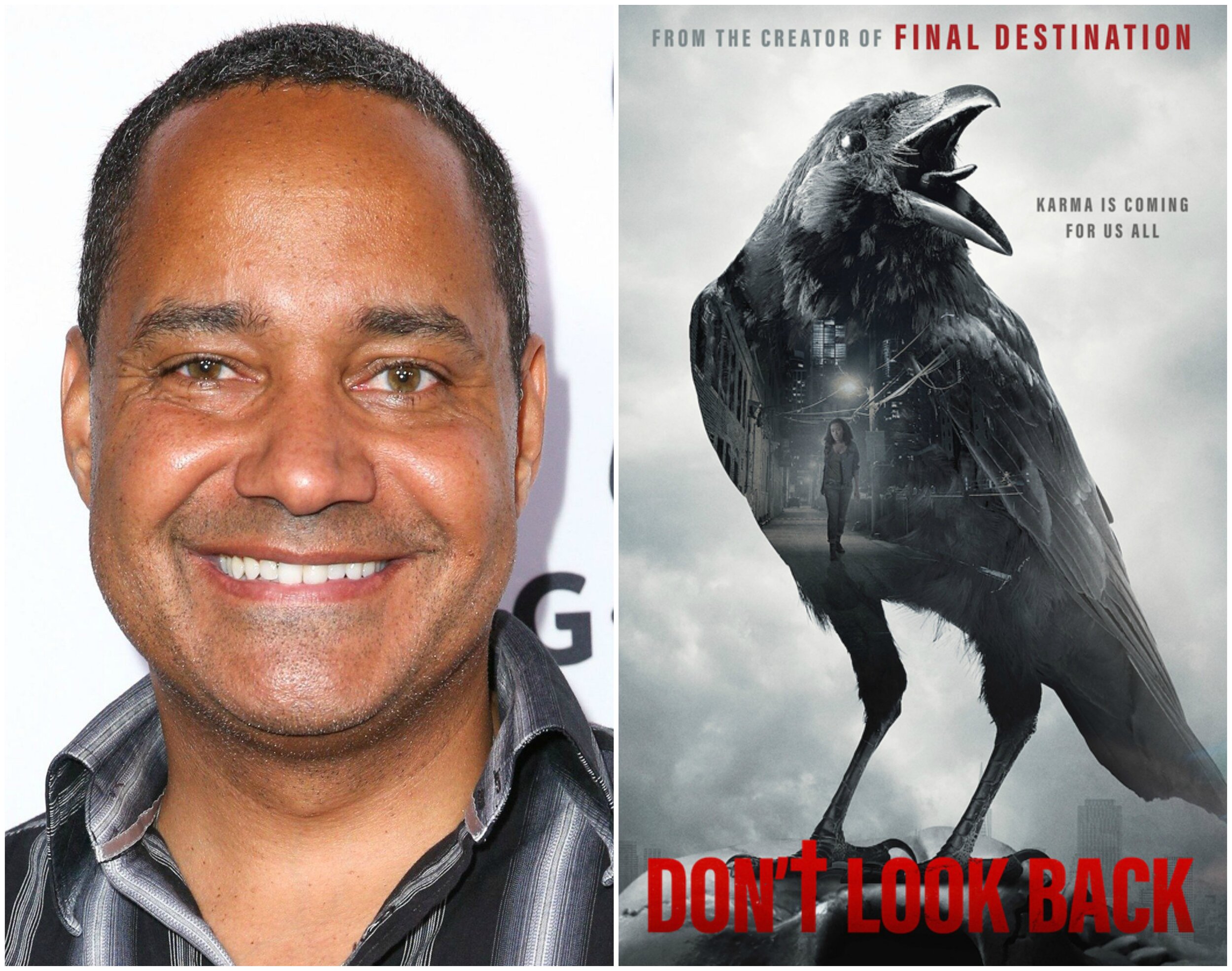
- Don't Look Back (2020): Reddick’s directorial debut allowed him to capture "triple-threat" fees (Writer/Director/Producer).
- Executive Production: By taking executive producer roles on independent projects like The Last Will and Testament of Rosalind Leigh, Reddick earns fees for his name recognition and creative oversight, which bolsters his annual income outside of major studio checks.
Analyzing the Revenue Streams: A 2026 Perspective
To understand the $5 million to $8 million estimate, one must look at the specific revenue buckets that a veteran horror creator accesses. Screenwriting for major studios typically commands mid-six-figure fees for a draft and a set of revisions. However, the true wealth is built through the following:
| Revenue Source | Estimated Impact | Frequency |
|---|---|---|
| New Script Sales | $250k - $500k per project | Occasional |
| WGA Residuals | $100k - $300k annually | Consistent |
| Consulting Fees | $50k - $100k per project | As needed |
| Producer Points | 1% - 5% of net profits | Per sequel |
| Streaming Licenses | Mid-five figures | Per platform deal |
The horror genre is particularly lucrative for creators because it has high "re-watchability." Films like Final Destination are staples for cable networks during the October "spooky season," triggering significant residual checks every year for a quarter of a century.
The Impact of "Final Destination: Bloodlines" (2025)
The release of the sixth installment in the Final Destination franchise, titled Bloodlines, has been a major catalyst for Reddick’s net worth growth leading into 2026. While Jon Watts and others were involved in the production, Reddick’s "Created by" credit ensures he receives a "sequel payment." These payments are often negotiated as a fixed sum or a percentage of the production budget, typically ranging from $100,000 to $500,000 for a veteran creator, plus a share of the box office or streaming bonuses.
Furthermore, a new theatrical release renews interest in the entire catalog. When a new film hits theaters, streaming platforms like Max, Netflix, or Hulu often license the previous films to capitalize on the hype. Each of these licensing deals results in "New Media" residuals for Reddick, which have become a dominant part of screenwriter compensation in the 2020s.
Professional Standing and Industry Influence
Jeffrey Reddick's value is also tied to his reputation as a "script doctor" and consultant within the horror niche. Studios often pay high daily or weekly rates to experienced writers to "punch up" a script or fix structural issues in a horror film's third act. Reddick’s deep understanding of the "rules of the genre"—specifically how to build tension and create inventive "death scenes"—makes him a premium consultant.
Animated Series and Alternative Media
Reddick has successfully branched out into animation, notably with Samurai Rabbit: The Usagi Chronicles on Netflix. Writing for streaming animation involves different pay scales than theatrical features, often based on a per-episode rate. By diversifying his portfolio into family-friendly action and animation, Reddick has insulated his net worth against fluctuations in the R-rated horror market.
Financial Management and Asset Preservation
While public data on Reddick's private investments is limited, high-earning screenwriters typically utilize "Loan-Out Corporations." These entities allow creators to manage their earnings as a business, deducting professional expenses and managing taxes more efficiently than an individual earner. This structural approach to his career suggests that a significant portion of his net worth is held in diversified investments rather than just liquid cash from one-time sales.
Reddick’s career is a model of the "middle-class-plus" success story in Hollywood. He is not a billionaire mogul like Spielberg, but he has achieved a level of financial independence that few writers reach. By creating a specific, repeatable formula that audiences love, he ensured that his work would remain profitable long after the original scripts were typed.
Frequently Asked Questions
Does Jeffrey Reddick own the rights to Final Destination?
No, the underlying intellectual property of Final Destination is owned by New Line Cinema (a subsidiary of Warner Bros. Discovery). However, Reddick retains "separated rights" as the creator, which entitles him to mandatory payments for sequels, spin-offs, and residuals under the WGA Basic Agreement.
What was Jeffrey Reddick’s highest-paid project?
While exact contract figures are private, it is widely believed that his earnings from the original Final Destination (including backend participation) and his producer fees for the recent Final Destination: Bloodlines represent his largest single-project payouts.
How do residuals affect his net worth in 2026?
Residuals are the "passive income" of the film world. In 2026, with Final Destination films being 26 years old, they are considered "library titles." These titles provide steady, predictable income that covers living expenses and allows Reddick to be selective about which new projects he takes on.
Is Jeffrey Reddick still active in Hollywood?
Yes, Reddick remains highly active. In 2025 and 2026, he has been involved in multiple independent horror productions and continues to develop original television pilots. His active status ensures that his net worth continues to grow through new "upfront" fees rather than just relying on his past library.
Has Jeffrey Reddick won any awards that boosted his value?
While Reddick is more known for commercial success than "prestige" awards, his reputation for creating one of the most profitable horror franchises of the 21st century is his greatest professional asset. In Hollywood, "bankability" is often more valuable than awards when negotiating contract fees.
Summary of Financial Position
Jeffrey Reddick’s net worth reflects a career built on a singular, brilliant idea that evolved into a global phenomenon. By navigating the studio system from the inside and securing creator rights early on, he established a financial legacy that continues to yield dividends. As Final Destination enters its third decade of relevance, Reddick’s financial standing remains robust, supported by a mix of classic residuals, new media deals, and active production roles.
Image Gallery