How to Choose Fireplace Companies Near Me
Choosing the right fireplace company near you requires verifying professional certifications, local licensing, and specialized expertise in your specific fuel type. In 2026, homeowners should prioritize contractors with National Firepl...
Choosing the right fireplace company near you requires verifying professional certifications, local licensing, and specialized expertise in your specific fuel type. In 2026, homeowners should prioritize contractors with National Fireplace Institute (NFI) credentials and documented local experience to ensure safety compliance, proper venting, and long-term performance for their home heating investments.
Contents
Establishing Your Project Scope and Fuel Type
Before searching for "fireplace companies near me," you must define the scope of your project. Fireplace companies often specialize in specific niches, and a high-end masonry firm may not be the best fit for a simple electric insert installation.
New Installation vs. Retrofitting
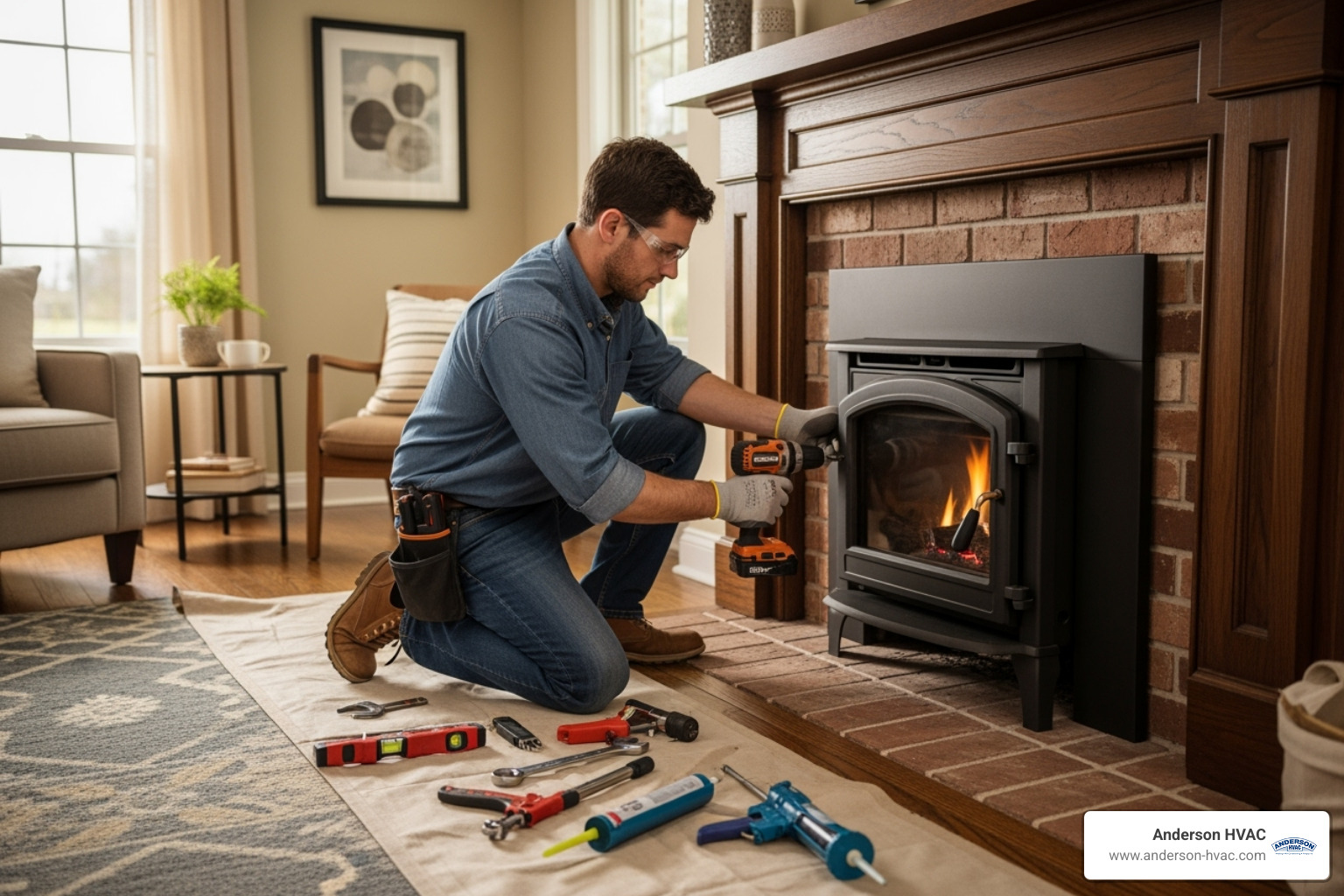
If you are building a new home or adding a fireplace where none exists, you require a full-service company capable of handling structural framing, gas line plumbing, and exterior venting. Retrofitting an existing masonry fireplace with a gas or pellet insert is a different technical challenge that focuses on liner compatibility and clearance-to-combustibility standards.
Fuel Type Specialization
The technical requirements for different fuel types are distinct. In 2026, many regions have updated building codes regarding efficiency and emissions:
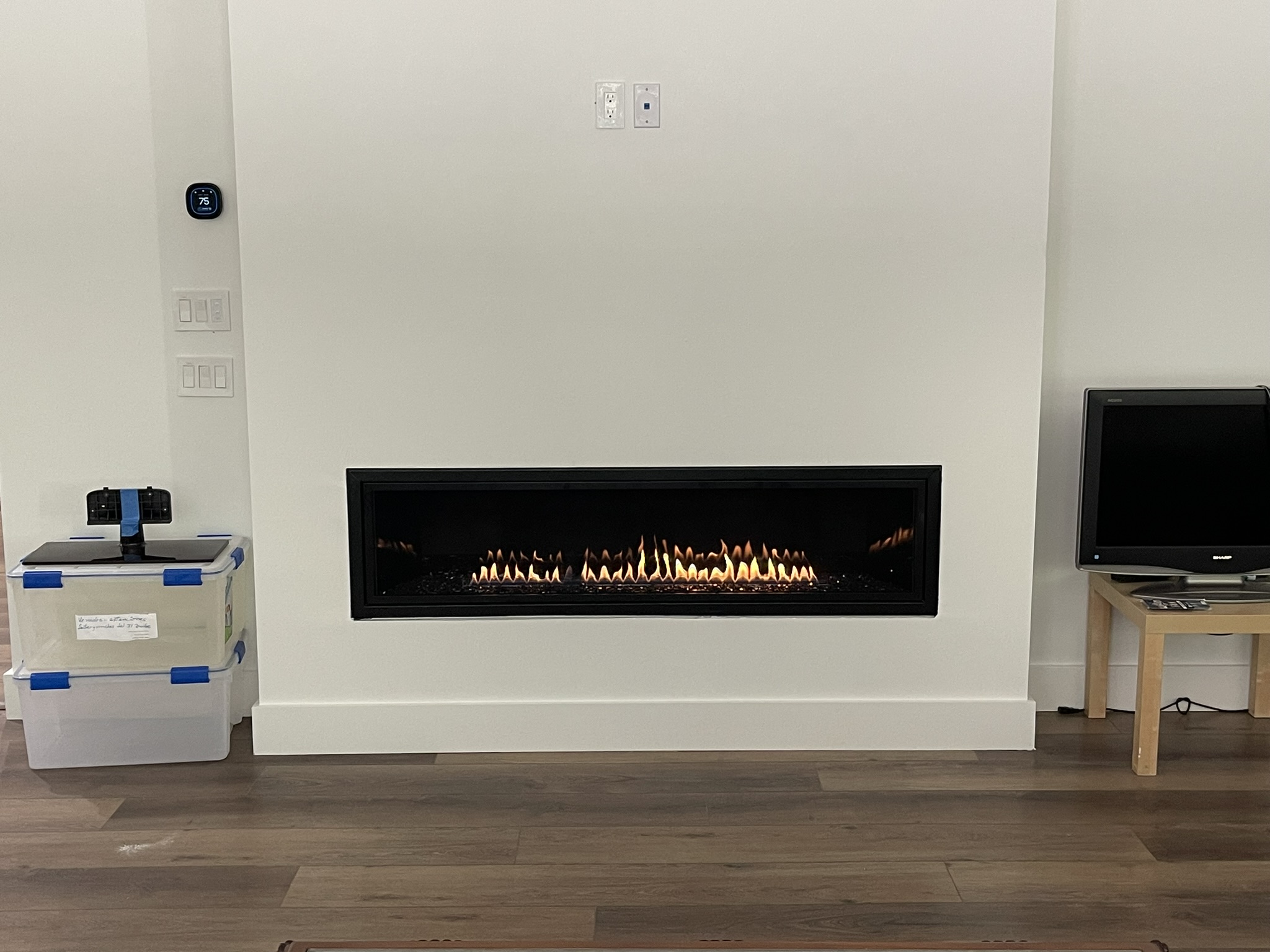
- Gas Fireplaces: Require experts in gas line plumbing and direct-vent technology.
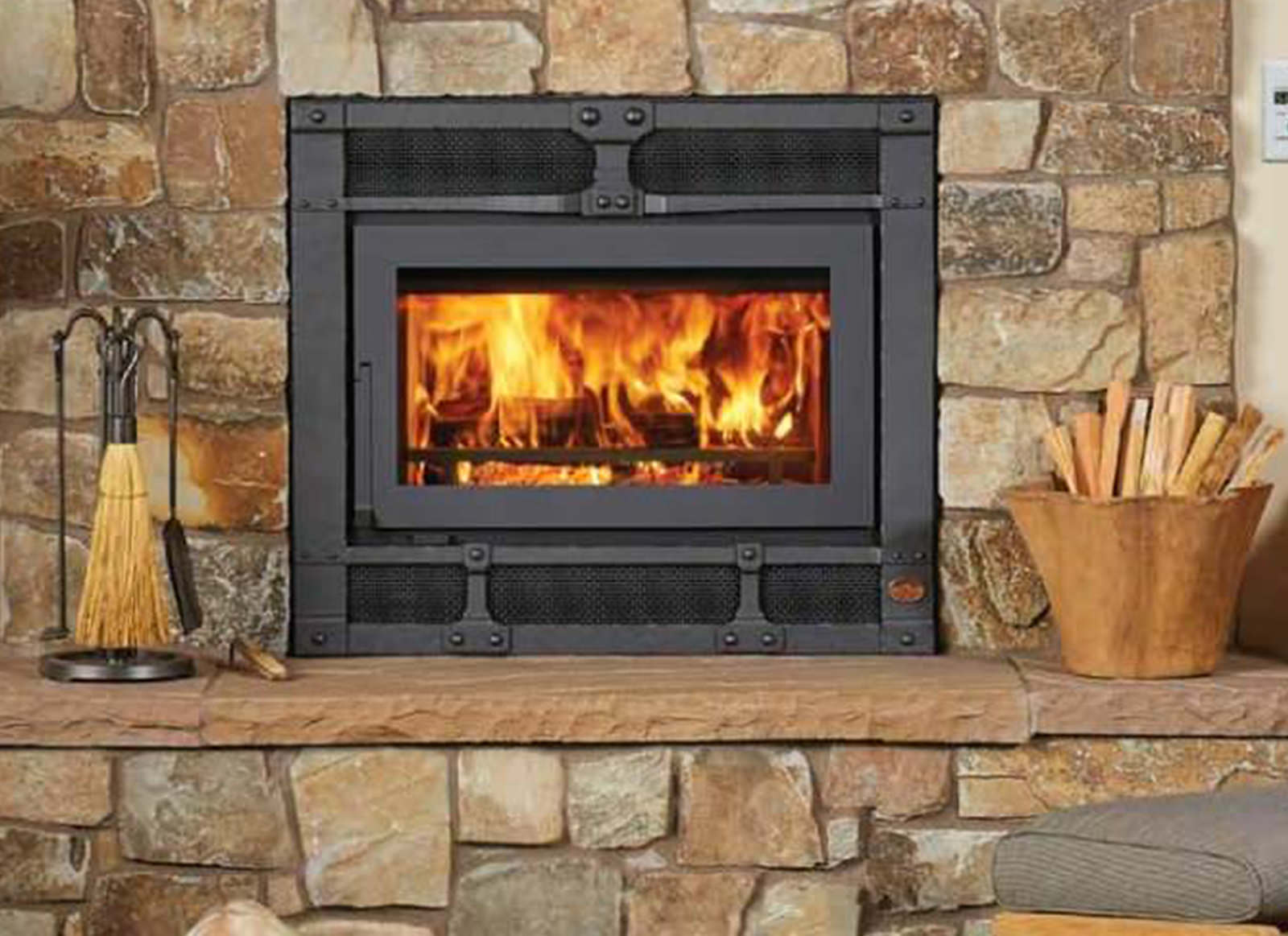
- Wood-Burning Fireplaces: Demand knowledge of chimney liners, draft physics, and current EPA emission standards for wood stoves and inserts.
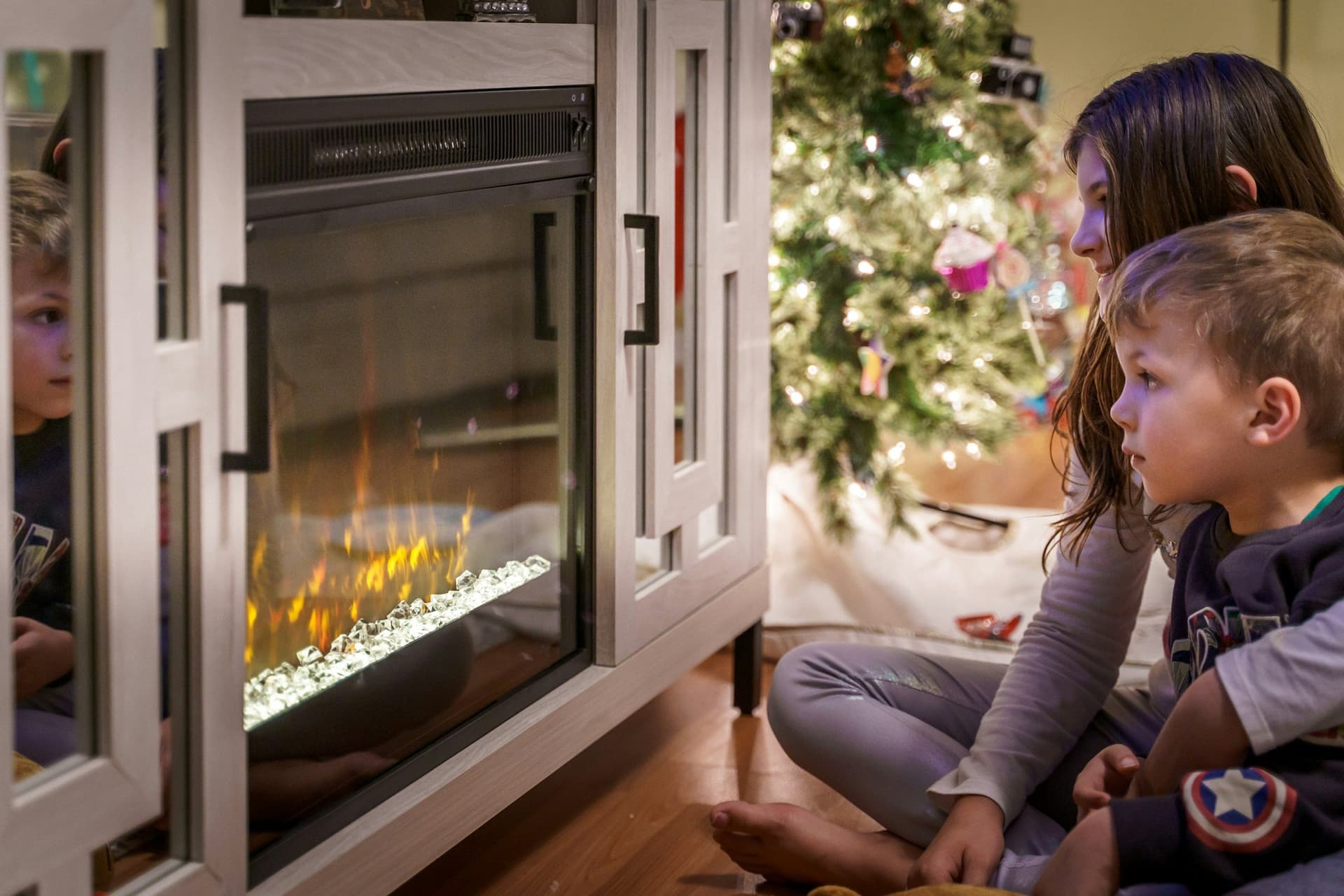
- Electric Fireplaces: Often involve more aesthetic and electrical work than traditional venting, but still require dedicated circuits to prevent overloads.
- Pellet Stoves: Require mechanical expertise for the internal auger systems and specialized venting.
Verifying Professional Certifications and Credentials
The hearth industry is highly regulated due to the inherent fire risks associated with the equipment. A reputable fireplace company must hold specific industry certifications that prove their technicians have been trained on safety and performance standards.
National Fireplace Institute (NFI) Certification
The National Fireplace Institute is the gold standard for technical training in the United States. When evaluating companies, ask if their lead installers are NFI Certified. These certifications are divided into three categories: Gas, Woodburning, and Pellet. A company with "NFI Master Hearth Professionals" has technicians who have passed all three exams, demonstrating a high level of comprehensive expertise.
Chimney Safety Institute of America (CSIA)
If your project involves an existing chimney, the company should ideally have CSIA-certified chimney sweeps. This certification ensures that the technician understands how to inspect for structural integrity, creosote buildup, and venting hazards that could lead to carbon monoxide poisoning or chimney fires.
State and Local Licensing
General business licenses are insufficient for fireplace work. Depending on your jurisdiction in 2026, the company may need:
- Mechanical Licenses: For gas line work and venting systems.
- Electrical Licenses: For blowers, electronic ignition systems, and modern smart-home integrations.
- General Contractor Licenses: If the project involves structural changes to walls or the roof.
Evaluating Local Reputation and Experience
A "near me" search is only useful if it leads to a company with a proven track record in your specific climate and regulatory environment. Local companies understand the specific building codes and permit requirements of your municipality.
Online Reviews and Portfolios
While aggregate star ratings are a starting point, look for detailed reviews that mention the installation process, clean-up, and post-installation support. In 2026, reputable companies should have an online portfolio or social media presence showcasing their actual work. Look for "before and after" photos of projects similar to yours to gauge their craftsmanship in finishing work like mantels and stonework.
Showroom Presence
While some mobile-only services are competent, a physical showroom is a sign of stability and commitment to the community. A showroom allows you to:
- See Units in Operation: Observe the flame pattern and listen to the noise level of the blowers.
- Examine Build Quality: Feel the materials and check the sturdiness of the doors and controls.
- Consult in Person: Discuss your floor plan and heating needs with an expert who can show you various venting configurations.
Comparing Company Types and Service Levels
Not all fireplace companies offer the same range of services. Understanding the business model of the companies you find will help you choose the one that aligns with your needs.
| Company Type | Best For | Typical Services | Pros | Cons |
|---|---|---|---|---|
| Specialty Hearth Retailer | Full installations and premium products. | Sales, installation, and long-term maintenance. | Deep product knowledge; NFI certified staff. | Often higher price point; busy during peak season. |
| Chimney Service Company | Maintenance, liners, and wood-burning retrofits. | Cleaning, inspections, and liner installation. | Experts in venting and safety; masonry repair. | May have limited selection of gas or electric units. |
| HVAC Contractor | Gas fireplace repair and simple gas inserts. | Gas line work and mechanical troubleshooting. | Excellent for mechanical issues; often available year-round. | May lack aesthetic expertise for hearth finishes. |
| Big Box Retailer | Budget-friendly electric units. | Product sales only; third-party installation. | Lowest upfront cost. | Little technical support; third-party installers vary in quality. |
The Consultation and Quoting Process
Once you have narrowed down your list to two or three companies, request an on-site consultation. A reputable company will rarely provide a firm quote over the phone without seeing the space.
What to Expect During an On-Site Inspection
A professional technician should:
- Measure the dimensions of the room and the existing fireplace opening.
- Identify the venting path and check for obstructions or clearance issues.
- Check the gas line capacity (if applicable) to ensure it can support the BTU output of the new unit.
- Discuss "clearance to combustibles," which is the required distance between the fireplace and items like mantels, TVs, or furniture.
Analyzing the Detailed Quote
Your quote should be itemized. In 2026, a transparent quote from a fireplace company should include:
- Model Specifications: The exact brand and model number of the fireplace or insert.
- Venting Components: Specifically listing the type of pipe or liner to be used.
- Labor Charges: Separating the installation of the unit from any finish work like tile or stonework.
- Permit Fees: Clarifying whether the company or the homeowner is responsible for filing permits with the local building department.
- Warranty Information: Details on both the manufacturer’s product warranty and the company’s labor warranty.
Safety and Compliance Considerations for 2026
Modern fireplace installation is as much about safety as it is about aesthetics. When choosing a company, ensure they are up to date on the latest safety technologies and regulations.
Carbon Monoxide and Venting
Improperly installed fireplaces can leak carbon monoxide (CO) into the home. Ask the company about their pressure testing procedures for gas lines and how they verify the "draft" of a wood-burning system. In 2026, many local codes require the installation of hard-wired CO detectors in the same room as a new fireplace installation.
EPA Phase 2 Requirements
If you are installing a wood-burning appliance, ensure the company sells and installs units that meet current EPA clean-air standards. As of 2026, these standards are strict regarding the amount of particulate matter (smoke) a unit can release. Installing a non-compliant unit can lead to fines and may make it difficult to sell your home in the future.
Barrier Screens
By law, all new glass-fronted gas fireplaces must be equipped with a protective safety screen to prevent contact burns. A professional company will ensure this screen is properly installed and will explain its importance, especially in homes with children or pets.
Red Flags to Watch For
When vetting "fireplace companies near me," be wary of certain behaviors that suggest a lack of professionalism:
- Lack of Insurance: Never hire a company that cannot provide a current Certificate of Insurance (COI) for both general liability and workers' compensation.
- Unusually Low Bids: If one quote is significantly lower than others, they may be using inferior venting materials or skipping the permit process.
- Refusal to Obtain Permits: Permits are a legal requirement for most fireplace installations and provide a third-party safety inspection that protects the homeowner.
- High Pressure Sales: Avoid companies that pressure you to sign a contract during the first visit or offer "today only" discounts.
Common Mistakes When Selecting a Provider
Many homeowners focus solely on the aesthetics of the fireplace and neglect the technical qualifications of the installer. One common mistake is hiring a general handyman for a gas or wood fireplace installation. While a handyman may be cheaper, they often lack the specialized manometer equipment needed to test gas pressure or the knowledge of specific chimney clearances required by the manufacturer’s listing.
Another mistake is failing to discuss long-term maintenance. Fireplaces require annual inspections and cleaning to remain safe. Choose a company that offers a service department to support the products they install. Companies that "install and disappear" leave you searching for a new provider when the unit needs its first tune-up.
Frequently Asked Questions
How much does a fireplace installation typically cost in 2026? Costs vary widely based on the type of unit and the complexity of the venting. A basic electric insert installation may cost between $1,500 and $3,500, while a high-end gas fireplace with a new vent run and custom stonework can range from $7,000 to $15,000 or more. Always get an itemized quote to understand exactly what you are paying for.
Do I really need a permit for a fireplace insert? Yes. Most municipalities require a permit for any work involving gas lines, electrical circuits, or structural venting. Permits ensure that a city inspector verifies the installation meets local fire and building codes, which is essential for your home insurance coverage.
What is the difference between a vented and ventless gas fireplace? Vented fireplaces exhaust all combustion byproducts outside, while ventless (unvented) fireplaces use a catalytic converter and exhaust into the room. Many experts and local codes in 2026 restrict or ban ventless units in bedrooms or small spaces due to moisture and air quality concerns. A professional fireplace company can help you determine what is legal and safe for your specific home.
How long does a typical fireplace installation take? An insert installation (gas or wood) into an existing fireplace typically takes one full day. A brand-new fireplace installation involving framing, venting, and finishing can take anywhere from three to five days, depending on the complexity of the masonry or carpentry work involved.
Should I buy the fireplace online and just hire someone to install it? This is generally discouraged. Most reputable fireplace companies will not install units purchased elsewhere because they cannot vouch for the unit’s condition or guarantee the fit of the parts. Furthermore, if the unit arrives damaged or with missing parts, you—not the installer—are responsible for the logistics of returns and replacements, which can lead to costly labor delays.
Final Recommendation for Selection
To ensure a safe and successful project, start your search by looking for NFI-certified professionals through the official NFI website. Once you have a list of local companies, visit their showrooms to inspect the build quality of their products. Always verify their local license and insurance status before signing a contract. Prioritize companies that provide a detailed, itemized quote and include the cost of necessary permits. By focusing on technical expertise and local reputation over the lowest price, you will secure a fireplace that adds both value and safety to your home for years to come.
Image Gallery