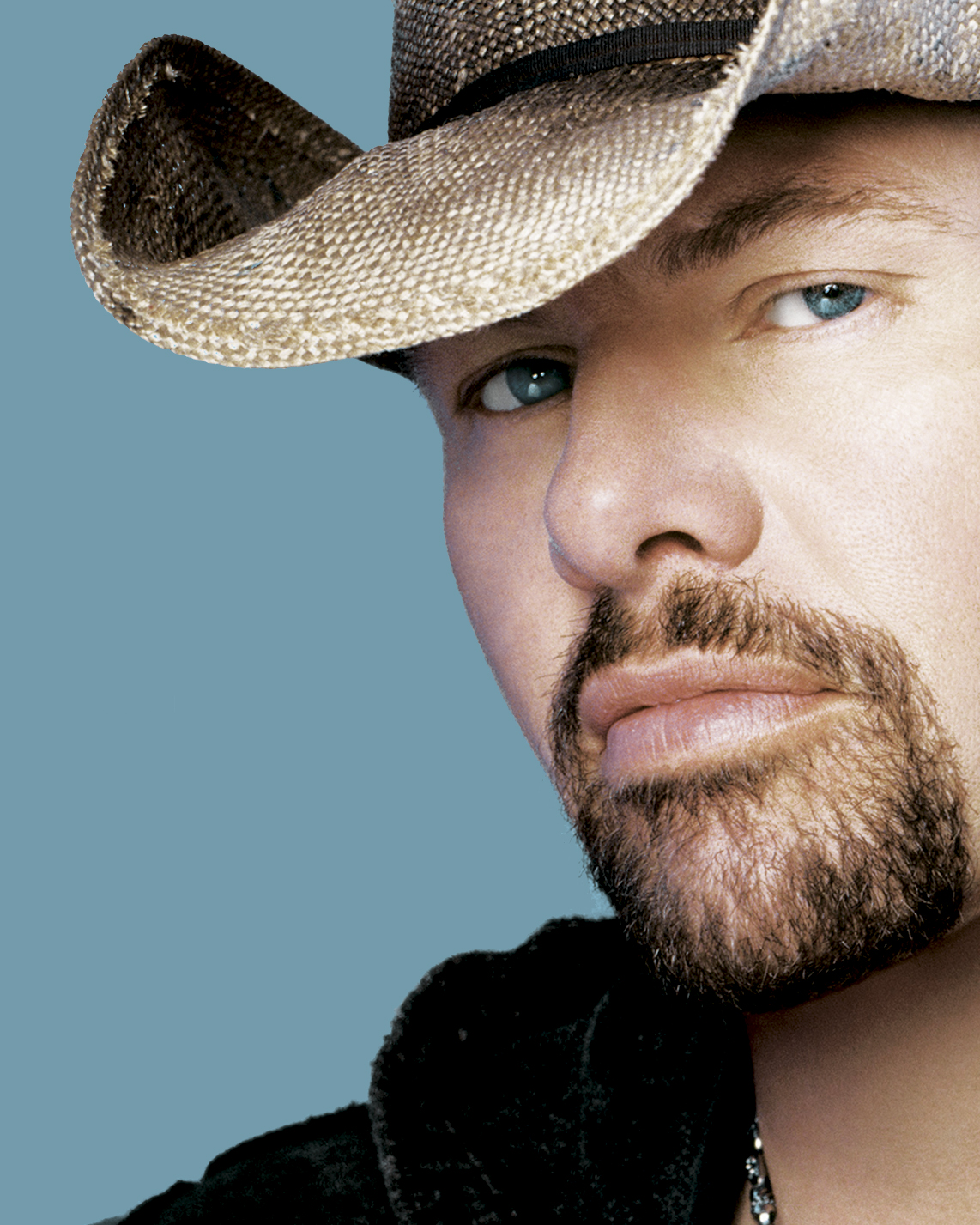
A Comprehensive Look Back at Toby Keith’s Big Dog Daddy Album
Released in 2007, Big Dog Daddy stands as one of the most commercially successful and stylistically representative albums in Toby Keith’s expansive discography. Serving as the primary follow-up to his pivot toward more assertive, natio...
Released in 2007, Big Dog Daddy stands as one of the most commercially successful and stylistically representative albums in Toby Keith’s expansive discography. Serving as the primary follow-up to his pivot toward more assertive, nationalistic, and blue-collar anthems, the record solidified Keith’s position as a dominant force in the country music industry during the mid-2000s, blending traditional songwriting with modern production values.
Contents
The Context of Big Dog Daddy
By 2007, Toby Keith had already established himself as a polarizing yet undeniably prolific figure in American country music. Following the immense cultural impact of post-9/11 tracks like "Courtesy of the Red, White and Blue (The Angry American)," Keith’s creative trajectory favored a blend of defiant patriotism, hard-hitting barroom country, and reflective storytelling. Big Dog Daddy was released on his own label, Show Dog Nashville, marking a significant era where Keith took full control of his artistic output and business operations.
The album serves as a masterclass in the "Toby Keith sound"—a mixture of high-energy, tongue-in-cheek bravado and sensitive, mid-tempo ballads. For listeners looking to understand the evolution of the modern country "outlaw" persona, this album provides an essential snapshot of a performer at the peak of his commercial influence.
Production and Songwriting Dynamics
The production on Big Dog Daddy is characterized by its polished, radio-friendly sound, which was the standard for Nashville in the mid-2000s. Keith, along with co-producer Mark Wright, balanced the record between guitar-driven rockers and acoustic-led ballads. The sonic landscape is built on tight arrangements that highlight Keith’s deep, resonant vocal delivery, which had become his trademark by this stage in his career.
Unlike many artists who rely on a team of outside writers, Keith maintained a heavy hand in the composition of this album. His ability to write lyrics that resonate with a blue-collar demographic—focusing on themes of work, love, and rural pride—remains the backbone of the project. The record captures the tension between the artist’s public persona as a "Big Dog" (a dominant, self-assured character) and the quieter, more observant songwriter behind the hits.
Track Analysis and Commercial Impact
The album’s lead single, "High Maintenance Woman," exemplifies Keith's talent for weaving humor into observational songwriting. It climbed the charts quickly, proving that Keith could still capture the mainstream market while maintaining his distinct, often brash, lyrical approach. Conversely, tracks like "Love Me If You Can" offered a more vulnerable side, showcasing the emotional depth that kept his fanbase loyal across decades.
The following table summarizes the key aspects of the album's structure and performance.
| Category | Details |
|---|---|
| Release Date | June 12, 2007 |
| Label | Show Dog Nashville |
| Primary Genre | Country |
| Peak Billboard 200 | No. 1 |
| Lead Singles | "High Maintenance Woman", "Love Me If You Can" |
| Thematic Focus | Blue-collar life, humor, romantic introspection |
The "Big Dog" Persona and Audience Reception
The title track, "Big Dog Daddy," is a central pillar of the album's branding. It functions as a meta-commentary on Keith's public image. To many, the song is a playful embrace of his "alpha" status in the country music hierarchy. Critics at the time noted that the track was emblematic of Keith’s refusal to shy away from the controversy or the bravado that defined his career.
For the target audience—which largely consisted of fans of modern country, suburban and rural workers, and listeners who prioritized authenticity over pop-crossover polish—this album was a definitive statement. It affirmed that Keith would continue to produce music on his own terms, reinforcing the independence of the Show Dog label.
Critical Comparisons: Then and Now
When reviewing Big Dog Daddy from a 2026 perspective, it is necessary to view it as a bridge between the classic Nashville sound and the hyper-produced era of the 2010s. Unlike current country-pop fusions, Big Dog Daddy remains firmly rooted in the instrumentation of the 2000s, relying heavily on distorted electric guitars and standard drum kits.
While some critics in 2007 argued that the album lacked the experimental risks taken by contemporaries, hindsight reveals that its consistency was its greatest strength. It did not try to reinvent the wheel; instead, it optimized the specific brand of country music that Keith’s audience demanded. The album holds up well as a piece of cultural history, capturing a specific moment in American music when personal identity and national sentiment were closely intertwined in the country charts.
Potential Limitations and Criticisms
One recurring critique of the album is the occasional reliance on formulaic structures. Certain tracks follow a predictable "verse-chorus-verse" pattern that prioritizes radio play over complex narrative evolution. For listeners who prefer the raw, unpolished grit of 1990s country, the production on Big Dog Daddy might feel overly sanitized or compressed. Furthermore, the reliance on bravado-heavy lyrics can at times overshadow the more nuanced, poignant songwriting that Keith was clearly capable of when he chose to lean into his softer side.
Frequently Asked Questions
1. Is Big Dog Daddy considered one of Toby Keith’s best albums? It is widely considered one of his most successful records, having debuted at number one on the Billboard 200. While opinions vary on its artistic merit compared to his earlier work, it is universally recognized as a definitive commercial achievement in his career.
2. How did the Show Dog Nashville label influence the album's sound? Operating on his own label allowed Keith more creative freedom. This independence allowed him to lean further into his established persona without the pressure from a major-label A&R department to force a crossover into pop music.
3. What is the primary theme of the album? The album is split between high-energy anthems celebrating a "big dog" persona—a confident, hard-working, and slightly rebellious character—and slower, sentimental tracks about love and domestic life.
4. Does the album have pop crossovers? While Toby Keith has flirted with pop-country, Big Dog Daddy is distinctly a country album. It lacks the electronic or R&B influences seen in later Nashville productions, keeping its instrumentation centered on country-rock staples.
5. Why is the album still relevant in 2026? The album serves as a case study for artist-owned labels and independent control within the country genre. It remains a blueprint for how an established artist can maintain a consistent brand identity over several decades.
Recommendation
If you are looking to understand the evolution of Toby Keith’s mid-career output, Big Dog Daddy is essential listening. It provides a balanced view of his strengths as both a commercial songwriter and a polarizing performer. For a complete experience, listen to the album alongside his 2005 release, White Trash with Money, to see the progression in his production choices and thematic focus.
Image Gallery