Best Life Insurance for a Young Family
For most young families, the best life insurance is a term life insurance policy with a coverage amount equal to 10 to 15 times their annual income. This provides the highest death benefit for the lowest monthly premium, ensuring child...
For most young families, the best life insurance is a term life insurance policy with a coverage amount equal to 10 to 15 times their annual income. This provides the highest death benefit for the lowest monthly premium, ensuring children and surviving spouses are protected during their most vulnerable financial years.
Contents
Starting a family brings a profound shift in financial priorities. While you may have previously focused on personal savings or debt repayment, the arrival of children introduces the need for a safety net that spans decades. Life insurance is not merely a death benefit; it is a tool for income replacement, debt elimination, and the securing of future educational goals. In 2026, the landscape of life insurance offers more flexibility than ever, with digital-first providers competing alongside century-old mutual companies to provide tailored solutions for young parents.
Understanding the Primary Types of Life Insurance
Before selecting a provider, it is essential to distinguish between the two primary categories of life insurance. Choosing the wrong structure can lead to being underinsured or overpaying for features your family may not currently need.
Term Life Insurance: The Family Standard
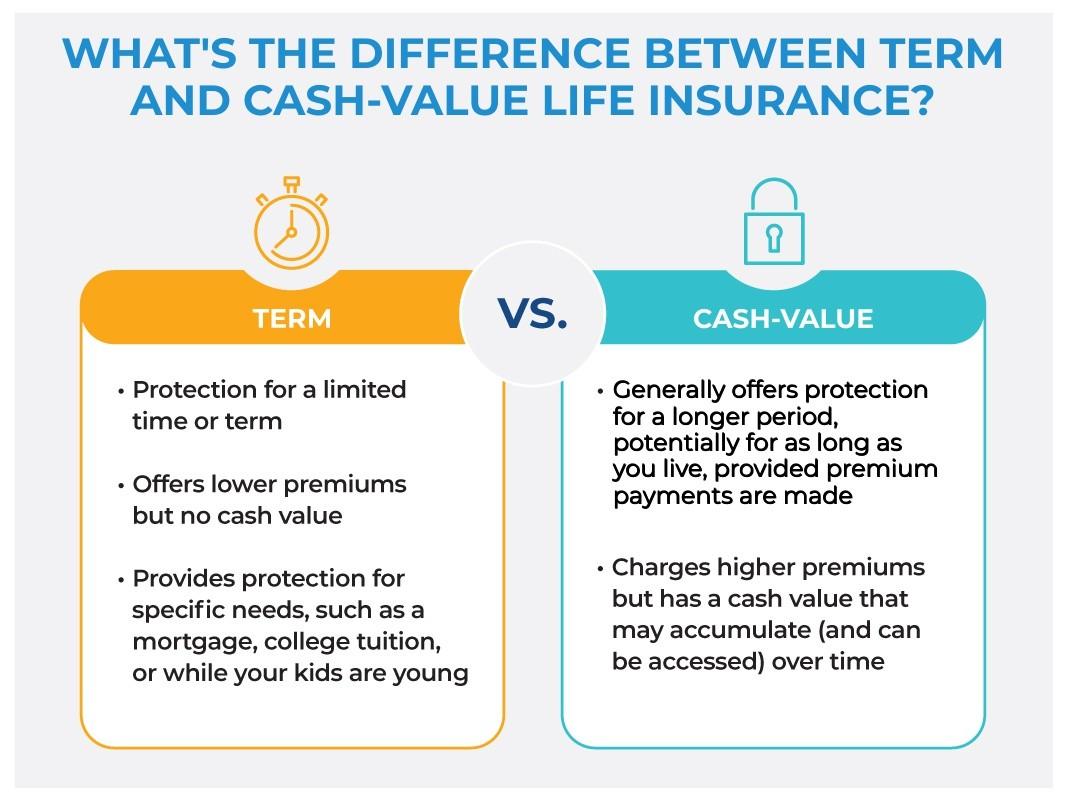
Term life insurance is designed to last for a specific period—typically 10, 15, 20, or 30 years. If the policyholder passes away during this "term," the beneficiaries receive the death benefit. Because these policies do not build cash value and have an expiration date, they are significantly more affordable than permanent options. For a young family, a 20-year or 30-year term often aligns perfectly with the timeline of raising children and paying off a mortgage.
Permanent Life Insurance: Lifelong Protection
Permanent insurance, which includes Whole Life and Universal Life, stays in effect for the policyholder's entire life, provided premiums are paid. These policies include a "cash value" component that grows over time. While this can serve as an investment vehicle or a source of emergency funds, the premiums are often five to ten times higher than term life insurance for the same amount of coverage. Most financial experts suggest that young families prioritize a higher death benefit through term insurance rather than the complex investment features of permanent policies.
Top-Rated Life Insurance Providers for Young Families in 2026
The "best" provider often depends on your specific health profile, budget, and how much "human" interaction you prefer during the application process. Based on financial strength, customer satisfaction, and product flexibility, the following companies stand out in the current market.
1. Northwestern Mutual
Northwestern Mutual consistently ranks at the top for financial stability. As a mutual company, it is owned by its policyholders, which often translates into dividends for those with permanent policies. For young families, their term-to-permanent conversion options are among the best in the industry. This allows a young couple to start with affordable term insurance and convert it to a permanent policy later in life without undergoing a new medical exam.
2. State Farm
State Farm is an excellent choice for families who prefer a personalized touch. With a vast network of local agents, they provide a level of guidance that digital-only platforms lack. Their "Instant Answer" term insurance is particularly popular for young parents who want a straightforward, smaller policy (up to $50,000) quickly, though their standard term products offer much higher limits for comprehensive protection.
3. Ladder
Ladder has revolutionized the industry for the tech-savvy generation. Their primary selling point is flexibility; they allow policyholders to "ladder" their coverage up or down as their needs change. If you pay off your mortgage or your children graduate from college, you can decrease your coverage amount—and your premium—online in minutes. Their application is entirely digital, and many healthy applicants can secure coverage without a medical exam.
4. Guardian Life
Guardian is frequently cited for its robust "riders" or add-ons. For young families concerned about the future, Guardian’s waiver of premium rider is a standout feature. If the policyholder becomes totally disabled and cannot work, the company pays the premiums on their behalf, ensuring the family remains protected even during a health crisis.
Determining Your Coverage: The DIME Formula
A common mistake young families make is choosing an arbitrary coverage amount, such as $250,000 or $500,000. In reality, your coverage should be a reflection of your specific financial obligations. The DIME formula is a standardized method used by financial planners to calculate a more accurate figure.
- Debt: Calculate all outstanding debts other than your mortgage. This includes student loans, car notes, and credit card balances. The goal is to ensure your spouse isn't burdened by these liabilities.
- Income: Multiply your annual salary by the number of years your family would need that support. Typically, this is until your youngest child reaches age 18 or 22.
- Mortgage: Include the total payoff amount for your primary residence. Being "mortgage-free" is one of the greatest gifts you can leave a surviving spouse.
- Education: Estimate the future cost of college for each of your children. Given the inflation of tuition, many parents aim for $100,000 to $200,000 per child.
By adding these four categories together, you arrive at a total coverage amount that truly protects your family's standard of living.
Comparison of Best Life Insurance Options
The following table compares the general characteristics of the top providers for young families to help narrow your search.
| Provider | Best For | Application Type | Financial Strength (A.M. Best) | Key Advantage |
|---|---|---|---|---|
| Northwestern Mutual | Long-term stability | Agent-led | A++ | Best conversion options |
| State Farm | Customer service | Agent-led | A++ | Bundle with home/auto |
| Ladder | Flexibility | 100% Digital | A (Excellent) | Easy to adjust coverage |
| Ethos | Speed | 100% Digital | A (Excellent) | No medical exam focus |
| Guardian Life | Comprehensive riders | Agent/Digital | A++ | Superior disability riders |
| MassMutual | High death benefits | Agent-led | A++ | Strong dividend history |
Essential Riders for Young Parents
Riders are optional provisions that can be added to a basic life insurance policy to provide additional protections. While they increase the premium slightly, several are particularly valuable for young families:
- Child Term Rider: This provides a small death benefit for children. While no one wants to think about this scenario, it covers funeral costs and allows parents to take time off work to grieve.
- Waiver of Premium: As mentioned, this ensures the policy stays active if you become disabled and cannot earn an income.
- Accelerated Death Benefit: This allows the policyholder to access a portion of the death benefit while still alive if they are diagnosed with a terminal illness. This can help cover end-of-life medical expenses.
- Guaranteed Insurability: This allows you to purchase additional coverage at specific intervals (like the birth of another child) without having to prove your health status again.
The Application Process: What to Expect in 2026
The process of buying life insurance has become significantly more streamlined. For many young, healthy parents, "accelerated underwriting" is now the norm.
- The Quote: You provide basic info (age, gender, smoking status) to get an initial price.
- The Application: You answer detailed questions about your medical history, family health history, and lifestyle (hobbies like skydiving can impact rates).
- Underwriting: In 2026, many companies use algorithmic underwriting to pull data from your medical records and prescription history instantly. If the data is clear, you may be approved in minutes.
- Medical Exam: If the insurer requires more data, they will send a technician to your home for a "paramedical exam," which involves measuring height/weight and taking blood and urine samples.
- Policy Issue: Once approved, you sign the documents electronically and pay your first premium to put the coverage "in force."
Common Pitfalls to Avoid
When navigating life insurance, young families often fall into traps that can leave them underprotected or overpaying.
- Relying solely on Employer-Provided Insurance: Most employers offer a basic policy (often 1x or 2x your salary). This is rarely enough for a family with children and a mortgage. Furthermore, if you lose your job or change careers, you usually lose that coverage.
- Delaying the Purchase: Life insurance premiums increase with age. Buying a 30-year term policy at age 28 is significantly cheaper than buying the same policy at age 38. Additionally, any new health issues diagnosed while you wait could make you uninsurable or move you into a higher "risk class."
- Ignoring the Stay-at-Home Parent: Even if one parent does not earn a formal salary, their contribution is massive. If a stay-at-home parent passes away, the surviving spouse would face immense costs for childcare, transportation, and household management. Both parents need coverage.
Frequently Asked Questions
Is term life insurance better than whole life for a new parent?
In the vast majority of cases, yes. Term life insurance provides a much larger death benefit for a fraction of the cost of whole life insurance. This allows a young family to secure the $1 million or $2 million in coverage they likely need without straining their monthly budget.
Can I get life insurance if I am currently pregnant?
Yes, you can apply for life insurance while pregnant. However, some insurers may wait until after delivery if you have pregnancy-related complications like gestational diabetes or high blood pressure. If you are in a healthy pregnancy, most carriers will offer standard or preferred rates.
What happens if I outlive my term life insurance policy?
If you reach the end of your 20 or 30-year term and are still living, the policy simply expires, and no death benefit is paid. By this time, however, most families find that their mortgage is paid off, their children are independent, and they have built up enough savings to be "self-insured."
Do we both need a policy, or just the primary breadwinner?
Both parents should have a policy. The death of a non-earning parent creates a massive financial gap in the form of childcare and domestic services. A surviving breadwinner may also need to take a lower-paying job or work fewer hours to manage the household, making the stay-at-home parent's coverage essential for stability.
What is "no-exam" life insurance?
No-exam life insurance uses "accelerated underwriting" to evaluate your risk based on digital records rather than a physical medical exam. In 2026, many healthy adults under age 50 can qualify for up to $3 million in coverage without ever seeing a nurse, provided their digital health footprint is clear.
Practical Next Action
To protect your family’s future, your next step should be to calculate your "DIME" number today. Once you have that figure, use an online aggregator or speak with an independent agent to compare quotes from at least three different providers, such as Northwestern Mutual for stability and Ladder for flexibility. Secure your policy as early as possible to lock in lower rates based on your current age and health status.
Image Gallery