Why the White Wizard Was Not the Strongest Entity in Middle-earth
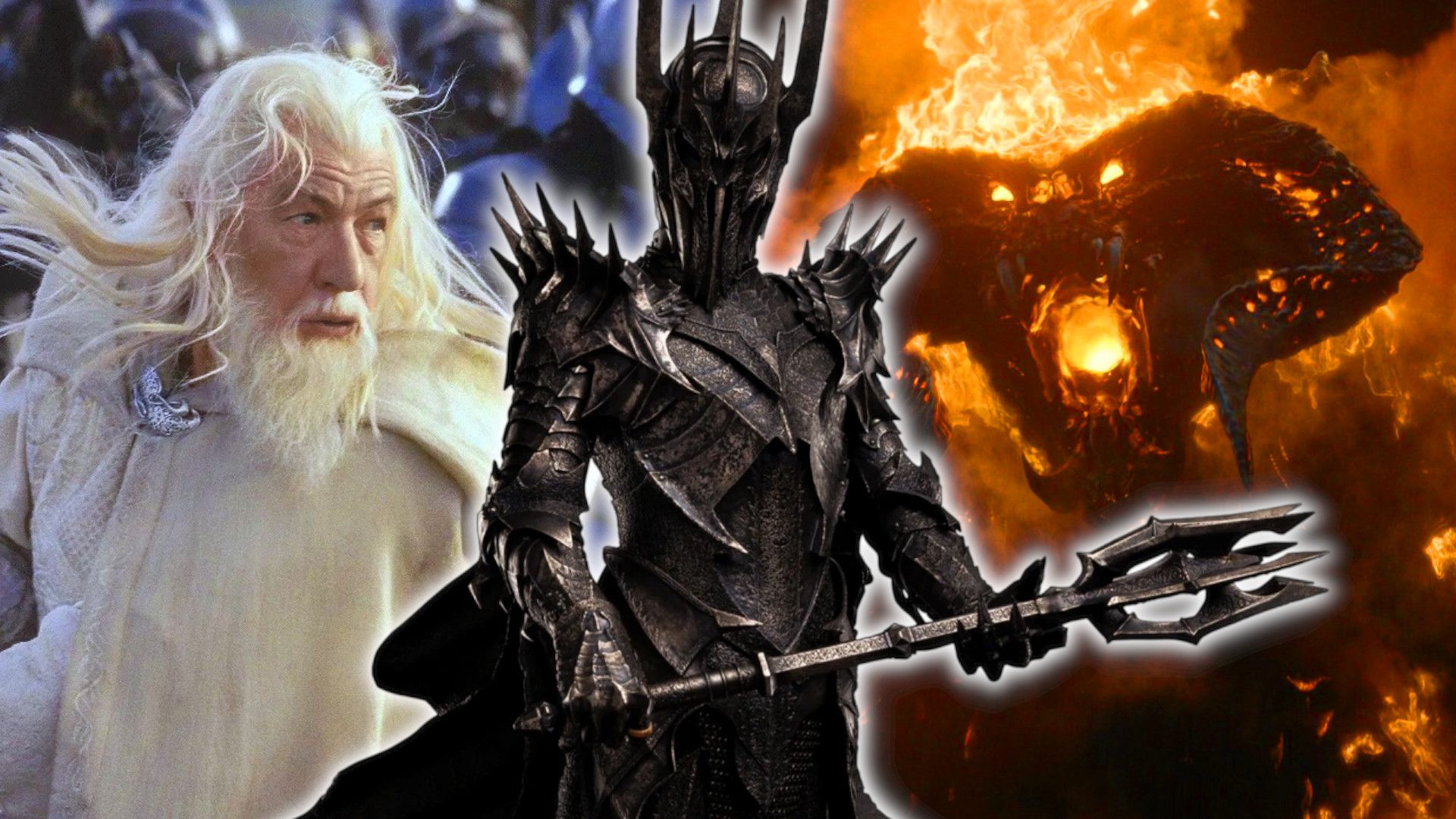
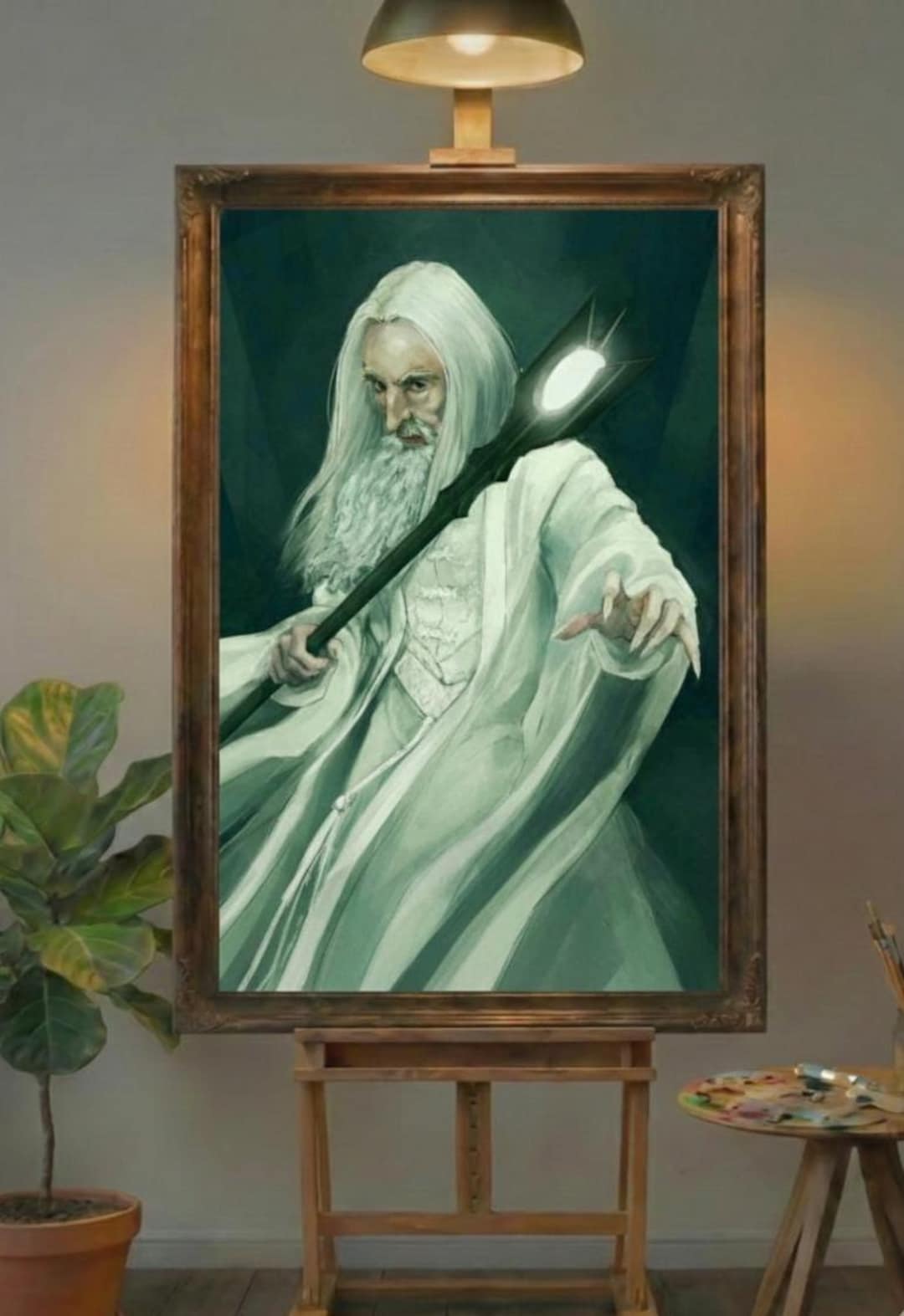
In J.R.R. Tolkien’s legendarium, Saruman being the White Wizard designated his administrative leadership of the Istari order, not absolute spiritual or combat supremacy. Saruman lacked Gandalf’s spiritual wisdom, succumbed to pride and...
In J.R.R. Tolkien’s legendarium, Saruman being the White Wizard designated his administrative leadership of the Istari order, not absolute spiritual or combat supremacy. Saruman lacked Gandalf’s spiritual wisdom, succumbed to pride and Sauron’s manipulation, and lost his authority when Eru Ilúvatar empowered Gandalf to replace him as the true White Wizard.
Contents
The Istari Mandate: Why Saruman Became "The White Wizard"
To understand why the White Wizard was not the strongest power in Middle-earth, one must first examine the origin and purpose of the Istari (the Order of Wizards). Sent to Middle-earth around the year 1000 of the Third Age, the Istari were not mortal men who had mastered sorcery. They were Maiar—angelic spirits of the same order as Sauron, created by Eru Ilúvatar (the One) before the shaping of the world.
When the Valar (the higher angelic powers) realized that Sauron was re-emerging in Middle-earth, they resolved to send emissaries to assist Elves and Men. However, the Valar forbade these emissaries from displaying their raw divine power or ruling over mortals through force. Instead, the wizards were clad in human bodies (hröar) that were subject to real physical frailties, weariness, hunger, and emotional vulnerabilities.
- Eru Ilúvatar (The Creator)
- Valar (Powers of Arda)
- Maiar (Angelic Spirits)
- Sauron (Corrupted)
- Istari (Wizards)
- Saruman (The White)
- Gandalf (The Grey)
- Balrogs (Corrupted)
- Maiar (Angelic Spirits)
- Valar (Powers of Arda)
Saruman, known in Valinor as Curumo, volunteered first for this mission. Because of his vast knowledge of craft, mechanics, and the history of enemy tactics, he was designated as the leader of the Order of Wizards—the Heren Istarion—and given the title of "the White." In the symbolic hierarchy established for the mission, white represented the head of the order, acting as the prime representative of the Council of the Wise.
However, leadership of a council does not equate to absolute spiritual potency or military strength. Saruman’s title reflected a functional role assigned for a specific diplomatic and advisory mission, not an inherent metaphysical superiority over every other entity in Middle-earth.
Spiritual Power vs. Administrative Rank in Tolkien's Lore
A common misconception among readers of fantasy literature is that wizard rankings operate like modern role-playing game power levels, where a "White Wizard" possesses higher numerical statistics than a "Grey Wizard" or an Elven lord. Tolkien’s legendarium operates under a fundamentally different metaphysical framework: spiritual authority is bound to humility, alignment with divine providence, and internal moral integrity.
The Original Nature of Curumo and Olórin
In Valinor, before embarking on their mission to Middle-earth, Saruman (Curumo) and Gandalf (Olórin) served under different Valar:
- Curumo (Saruman): A pupil of Aulë the Smith. Aulë was the master of craft, physical creation, and metallurgy. While this gave Curumo unmatched technical knowledge regarding the creation of Rings of Power and siege engines, it also predisposed him to the same fatal flaw as Aulë's other famous pupil: Sauron. Both shared a desire to order, organize, and control physical reality according to their own designs.
- Olórin (Gandalf): A pupil of Manwë (King of the Valar), Varda (Queen of the Stars), and notably Nienna. Nienna taught Olórin pity, patience, and endurance through sorrow. Olórin did not seek mastery over physical objects; instead, he sought to understand minds, rekindle hope, and inspire free creatures to fight for their own liberation.
When the Vala Manwë requested that Olórin join the Istari, Olórin initially refused, explicitly stating that he was too weak and that he feared Sauron. Manwë replied that this was all the more reason why he should go. Olórin’s humility and self-awareness made him spiritually resilient, whereas Curumo’s eagerness and pride contained the seeds of his eventual downfall.
| Feature | Saruman (Curumo) | Gandalf (Olórin) |
|---|---|---|
| Primary Patron Vala | Aulë the Smith | Manwë, Varda, & Nienna |
| Core Domain | Craft, Ring-lore, Architecture | Hope, Pity, Spiritual Fire |
| Fatal Flaw / Asset | Pride, Desire for Control | Humility, Patience |
| Key Artifact | Palantír of Orthanc | Narya (Elven Ring of Fire) |
The Downfall of Pride: Why Saruman Weakened His Own Spirit
In Tolkien's universe, evil is inherently self-destructive and diminishing. When a spiritual being turns toward domination, malice, and pride, their total strength does not increase; rather, it becomes bound to material objects and rigid constructs, leaving them vulnerable.
Envy and the Gift of Narya
Upon the arrival of the Istari at Mithlond (the Grey Havens) in the early Third Age, Círdan the Shipwright—one of the oldest and wisest Elves in Middle-earth—perceived the true nature of the newcomers. Though Saruman was the formal leader of the order, Círdan recognized that Gandalf possessed the deeper wisdom and moral strength.
Círdan secretly gave Gandalf Narya, the Red Ring of Fire, one of the Three Elven Rings crafted by Celebrimbor. Círdan stated that the ring would aid Gandalf in his labors, allowing him to kindle courage in hearts that had grown cold.
When Saruman learned that Círdan had given the ring to Gandalf instead of him, his pride was deeply wounded. Envy took root in Saruman’s heart, causing him to spend centuries secretly investigating ring-lore, building his fortress at Isengard, and envying both Gandalf’s freedom and the power of the Elven rulers.
- Arrival at Grey Havens (T.A. 1000)
- Saruman recognized as Head of the Order (The White)
- Círdan perceives Gandalf's superior wisdom
- Círdan secretly gives Narya to Gandalf
- Saruman develops intense jealousy & envy
- Círdan secretly gives Narya to Gandalf
The Treachery of Isengard
Saruman’s descent into corruption directly undermined his actual strength:
- Imitation of the Enemy: Rather than fulfilling his mandate to inspire Men and Elves, Saruman built armies of Orcs, cross-bred Uruk-hai, and fortified Orthanc. By adopting Sauron’s methods, Saruman relegated himself to a minor copy of the Dark Lord.
- Abandonment of the White: In The Fellowship of the Ring, when Gandalf visits Isengard, Saruman reveals his betrayal, declaring himself "Saruman of Many Colours." By discarding his designation as "the White," he formally severed his connection to the divine mandate of the Valar, shedding the very authority that gave his rank its meaning.
- Dissipation of Power: Just as Sauron poured his native strength into the One Ring, Saruman expended his spiritual authority attempting to construct his own realm and forge a minor ring of power. This weakened his intrinsic spiritual power (fear).
Saruman vs. Sauron: The Vast Difference in Scale
Another reason the White Wizard was not the strongest figure in Middle-earth stems from the colossal gap between Saruman and Sauron. While both were originally Maiar of Aulë, their inherent power and historical accumulation of force were radically unequal.
| Attribute | Saruman the White | Sauron the Dark Lord |
|---|---|---|
| Order of Being | Maia (Encarnate / Istari) | Maia (Unbound / Dark Lord) |
| Operational Status | Restricted by human form | Operating at full Maia spirit |
| Primary Weapon | Voice, Persuasion, Machinery | Mind Control, Will, Armies |
| Dominion Instrument | Seeing-stone (Palantír) | The One Ring (Master Ring) |
The Trap of the Palantír
Saruman believed he was powerful enough to use the Palantír of Orthanc (the seeing-stone) to spy on Sauron and outmaneuver him. This proved to be his critical miscalculation.
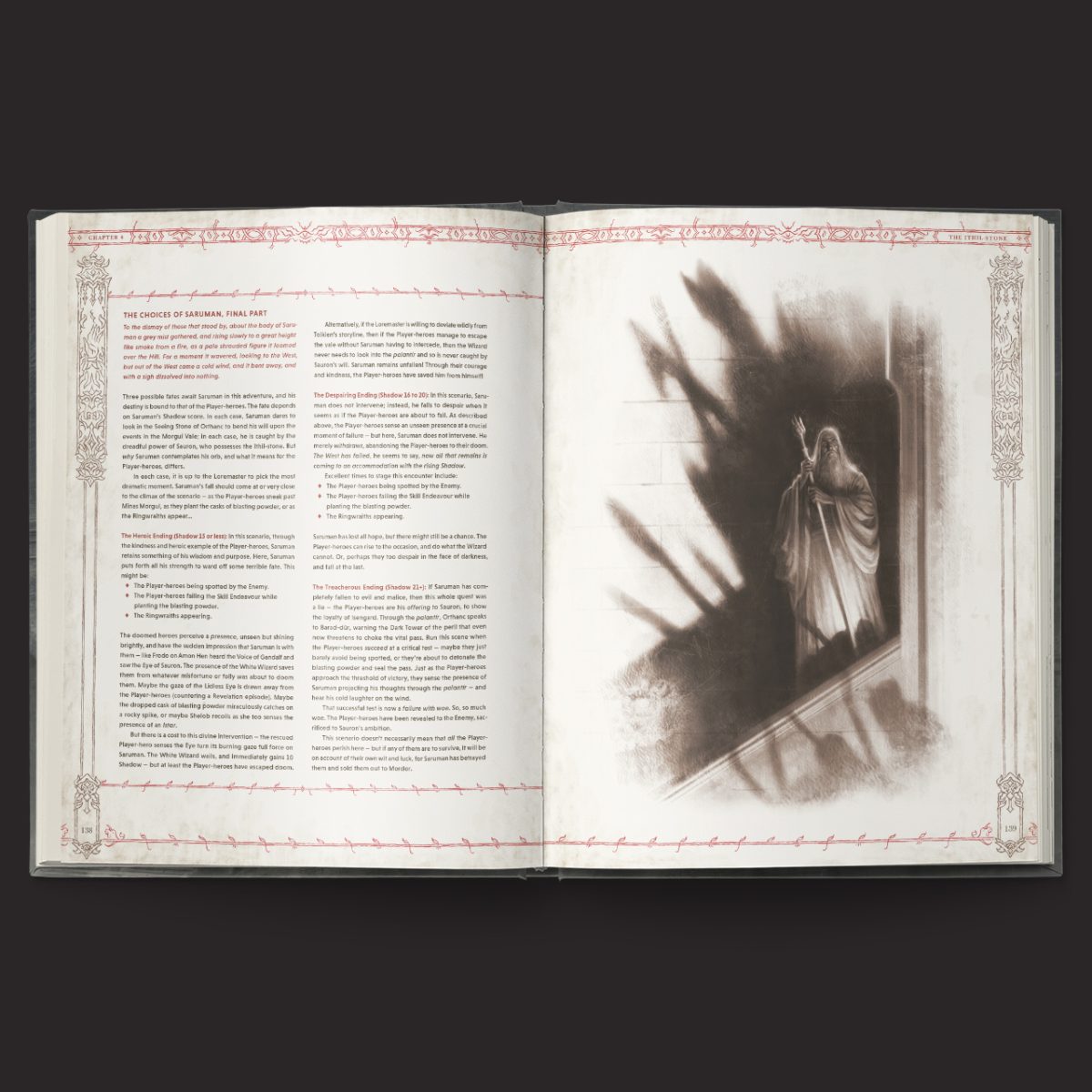
Sauron possessed the Ithil-stone (captured from Minas Ithil). When Saruman looked into the Orthanc-stone, he came into direct mental contact with Sauron. Because Sauron’s willpower and inherent spiritual magnitude were vastly superior, Sauron dominated Saruman’s mind through the Palantír, convincing the White Wizard that victory for the West was impossible. Saruman was reduced from an independent power center to an unwitting pawn of Mordor.
Divine Intervention: How Gandalf Became the True White Wizard
The absolute confirmation that Saruman was not the strongest wizard occurred during the events of The Two Towers. Following Gandalf’s fatal duel with Durin’s Bane (the Balrog of Moria) atop Zirakzigil, Gandalf’s physical form died, and his spirit departed the physical realm of Arda.
At this juncture, Eru Ilúvatar directly intervened in the affairs of Middle-earth—an event that occurred only a handful of times in the entire history of Arda.
- Gandalf dies defeating the Balrog
- Spirit leaves time and space (Arda)
- Direct intervention by Eru Ilúvatar
- Returned to Middle-earth as "Gandalf the White"
- Greater spiritual authority granted
- Enhanced power to break Saruman's mandate
- Direct replacement of the fallen leader
The Authority of the Returned Wizard
Eru re-embodied Olórin and sent him back to Middle-earth with expanded authority, formally stripping Saruman of his office and vesting the mantle of "the White" in Gandalf:
- Restoration with Greater Power: Gandalf the White was no longer fully restricted by the self-imposed limitations placed upon the Istari. He was permitted to reveal a greater portion of his native Maia glory when facing severe threats.
- Confrontation at Orthanc: When Gandalf confronted Saruman at Isengard after the Ents destroyed the fortress, the difference in their true strength was made manifest. Gandalf did not rely on superior armies or machinery; he spoke with direct divine authority.
- The Breaking of the Staff: Gandalf commanded Saruman to return to his duty. When Saruman refused, Gandalf declared: "You have no color now, and I cast you from the order and from the Council." With a single word, Gandalf shattered Saruman's staff, demonstrating that true strength resided in alignment with the divine will, not in Saruman's titles or stone towers.
Comparative Power Dynamics of Major Middle-earth Entities
To contextualize the White Wizard's power relative to other figures during the War of the Ring, the following table outlines the spiritual origins, functional power, and ultimate fates of key figures in the Third Age.
| Entity | Origin / Rank | Nature of Power | Limitation / Weakness | Ultimate Fate |
|---|---|---|---|---|
| Sauron | Fallen Maia (Aulë) | Domination, Ring-craft, Absolute Will | Bound to the fate of the One Ring | Rendered an impotent spirit upon the Ring's destruction |
| Gandalf the White | Restored Maia (Manwë/Nienna) | Hope-kindling, Divine Authority, Preservative Fire | Forbidden from ruling Men directly | Successfully guided the West; returned to Valinor |
| Saruman the White | Fallen Maia (Aulë) | Voice of Persuasion, Industrial Craft, Deception | Consumed by pride; ensnared by Sauron via Palantír | Staff broken by Gandalf; murdered by Gríma Wormtongue |
| Galadriel | Royal Calaquendi Elf | Preservative Ring Power (Nenya), Spiritual Foresight | Bound to Middle-earth's fading physical fate | Relinquished power; departed to the Undying Lands |
| Elrond | Peredhel (Half-Elven) Lord | Healing, Preservation (Vilya), Historical Wisdom | Unable to withstand the military strength of Mordor | Departed Middle-earth after the Ring's destruction |
| Witch-king of Angmar | Mortal Man (Ringwraith) | Terror, Sorcery, Sauron's infused will | Bound to Sauron's power; susceptible to specific prophecy | Slain by Éowyn of Rohan and Meriadoc Brandybuck |
Common Misconceptions About Wizard Powers in Tolkien's Work
Analyzing Tolkien’s writing requires discarding modern fantasy tropes regarding magic. Understanding why the White Wizard was not the strongest requires dispelling several common myths.
Myth 1: "The White" Color Denotes Magical Firepower
In modern gaming adaptations, color transitions represent leveling up or unlocking new spell tiers. In Tolkien’s literature, the colors (White, Grey, Brown, Blue) represented diplomatic station and assigned office.
Saruman was "the White" because he was chosen to lead the mission. When he abandoned his mission to seek personal power, he lost the spiritual backing of the Valar. The color white represented purity of purpose and leadership of the Council—qualities Saruman abandoned long before his staff was broken.
Myth 2: Saruman Defeated Gandalf in Combat Because He Was Stronger
In the cinematic adaptation of The Fellowship of the Ring, Saruman and Gandalf engage in a violent wizard's duel inside Orthanc, with Saruman overpowering Gandalf physically and magically.
In Tolkien's original novel, no such kinetic spell-casting duel occurs. Saruman traps Gandalf because Gandalf entered Orthanc willingly as a trusted colleague, unaware that Saruman had turned traitor. Saruman's victory at Isengard was achieved through ambush and imprisonment, not through a dramatic demonstration of superior combat magic.
Cinematic Version vs. Canonical Book Version:
- Movie Representation:
- Saruman & Gandalf
- Kinetic Wizard Duel
- Saruman overpowers Gandalf via telekinesis.
- Canonical Book Text:
- Gandalf enters Orthanc in trust
- Saruman reveals treason
- Gandalf is trapped on top of Orthanc by guards & isolated position.
Myth 3: The Istari Were the Strongest Beings in Middle-earth
Even at the height of their power, the Istari were not the strongest entities walking Middle-earth in terms of raw physical impact. High Elves who had seen the Light of the Two Trees in Valinor—such as Galadriel and Glorfindel—possessed tremendous spiritual presence. Glorfindel's inner light was powerful enough to drive off multiple Nazgûl at the Ford of Bruinen.
The Istari were deliberately restricted in their physical forms so that they would not attempt to defeat Sauron through raw power, which would have laid waste to Middle-earth in the same manner as the ancient War of Wrath.
Frequently Asked Questions
Why was Saruman made the leader of the Istari if Gandalf was wiser?
Saruman was chosen as the leader because he volunteered first, possessed extensive knowledge of craft and Sauron's historical methods, and displayed strong executive leadership skills. Furthermore, Gandalf initially declined leadership out of humility, preferring to wander freely among Elves and Men rather than command an organized order.
Was Saruman stronger than Galadriel or Elrond?
In terms of native spiritual order, Saruman was a Maia, making his inherent spirit higher than that of any Elf. However, because Saruman was bound within a mortal human body and restricted by the Valar, his functional power in Middle-earth was comparable to, and in some aspects surpassed by, ancient Elven rulers like Galadriel, who wielded the power of Nenya and the accumulated light of Valinor.
Why didn't the Valar send a stronger force to defeat Sauron directly?
At the end of the First Age, the Valar launched a direct military assault against Morgoth in the War of Wrath. While Morgoth was defeated, the conflict destroyed the entire continent of Beleriand. To prevent a similar catastrophic destruction of Middle-earth during the Third Age, the Valar chose to send five restricted Istari to guide, teach, and unite Men and Elves so they could defeat Sauron themselves.
Did Saruman lose his power completely when his staff was broken?
When Gandalf broke Saruman's staff at Orthanc, Saruman lost his authority as the White Wizard and much of his ability to channel high magic. However, he retained his most dangerous natural asset: his persuasive, hypnotic voice. Even as a fallen outcast in the Shire (calling himself "Sharkey"), he was able to manipulate lesser men through deceit until his spirit was finally separated from his body by Gríma Wormtongue.
Could Saruman have defeated Sauron if he had obtained the One Ring?
If Saruman had claimed the One Ring, he eventually could have built a power base capable of overthrowing Sauron militarily. However, Tolkien noted in his letters that doing so would not have saved Middle-earth. Saruman would have become a new Dark Lord in Sauron's place, replacing one tyranny with another while his own spirit became irrevocably corrupted by the Ring.
Key Takeaways for Tolkien Lore Analysis
When analyzing character strength within J.R.R. Tolkien’s legendarium, raw combat capability and office titles are secondary to spiritual alignment and moral choices:
- Rank is Not Power: The title "White Wizard" designated administrative leadership of the Istari, not an absolute measurement of spiritual power.
- The Source of True Strength: True strength in Middle-earth is linked to humility, endurance, and alignment with divine providence—traits embodied by Gandalf rather than Saruman.
- The Mechanism of Downfall: Saruman’s pride, envy of Gandalf, and obsession with machinery weakened his spiritual presence, making him vulnerable to Sauron’s influence through the Palantír.
- Divine Restoration: Gandalf became the true White Wizard only after sacrificing his life in service to the mission, prompting Eru Ilúvatar to intervene directly and grant him the authority Saruman had forfeited.
Image Gallery