Understanding Jeep Commander Problems: A Complete Reliability & Troubleshooting Guide
Understanding Jeep Commander problems requires examining its 2006–2010 production run, where issues centered around dropped valve seats in PowerTech engines, exhaust manifold bolt failures on the 5.7L HEMI, Totally Integrated Power Mod...
Understanding Jeep Commander problems requires examining its 2006–2010 production run, where issues centered around dropped valve seats in PowerTech engines, exhaust manifold bolt failures on the 5.7L HEMI, Totally Integrated Power Module (TIPM) electrical glitches, ignition switch recalls, electronic transfer case actuator faults, and clogged CommandView sunroof drains causing cabin water leaks.
Contents
Overview of the Jeep Commander (XK Platform)
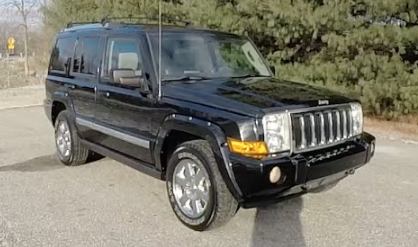
The Jeep Commander (XK platform), manufactured by Chrysler for model years 2006 through 2010, marked Jeep’s entry into the full-size, three-row SUV segment. Built on a modified platform shared with the Grand Cherokee (WK), the Commander offered classic boxy styling, three rows of seating, and capable four-wheel-drive systems, including Quadra-Trac I, Quadra-Trac II, and Quadra-Drive II.
Despite its rugged appeal and off-road capability, high-mileage Jeep Commanders frequently present a distinct series of mechanical, electrical, and structural issues. While Stellantis reintroduced the "Commander" nameplate in select international markets (such as Latin America and Asia) in the 2020s as a modern unibody crossover, secondary-market buyers and current owners primarily navigate the specific maintenance challenges of the original 2006–2010 North American XK chassis.
Diagnosing and fixing these problems requires an understanding of the specific engine options, transmission control systems, and onboard electronics integrated into the vehicle during Chrysler's Daimler-era and Cerberus ownership periods.
Major Powertrain and Engine Vulnerabilities
The Jeep Commander was offered with three primary gasoline engine options in North America—the 3.7L PowerTech V6, the 4.7L PowerTech V8, and the 5.7L HEMI V8—alongside a limited 3.0L Mercedes-Benz OM642 CRD turbo-diesel engine for European and select export markets. Each engine variant carries distinct operational failure modes.
3.7L V6 and 4.7L V8 PowerTech: Dropped Valve Seats and Overheating
The 3.7L V6 and 4.7L V8 engines share a similar architecture utilizing cast-iron cylinder blocks paired with aluminum cylinder heads. The primary vulnerability in these engines is dropped valve seats, a catastrophic failure caused by thermal contraction mismatch.
- Mechanics of Failure: When the engine overheats—even briefly due to a sticking thermostat, failed cooling fan, or low coolant level—the aluminum cylinder heads expand faster than the powdered-metal valve seats press-fit into the head. As the head cools, the valve seat loosens, drops into the combustion chamber, and is struck by the piston.
- Symptoms: Severe metallic hammering or knocking noises, immediate engine misfires (obd-ii codes P0300 through P0308), piston destruction, and complete engine lockup.
- Prevention and Repair: Keeping the cooling system in peak condition is mandatory. If a valve seat drops, repair typically requires a rebuilt or replacement engine, as mechanical fragments routinely damage the cylinder walls and head casting.
5.7L HEMI V8: Exhaust Manifold Ticks and Lifter Failure
The top-tier 5.7L HEMI V8 provides strong towing capacity but suffers from two widely reported defects: broken exhaust manifold bolts and valve-lifter roller seizure.
HEMI Engine Failure Progression: Thermal Expansion Difference -> Exhaust Manifold Stud Shear -> Cold-Start Exhaust Leak (Tick) Low Idle Oil Pressure / Viscosity Degradation -> MDS Lifter Roller Binding -> Camshaft Lobe Scuffing -> Misfire Code
Exhaust Manifold Bolt Shearing:
- Cause: Differential expansion rates between the cast-iron exhaust manifold and aluminum cylinder head cause extreme shear stress on the rear exhaust studs (typically on cylinders 7 and 8). The steel bolts snap off flush with or inside the cylinder head.
- Symptoms: A loud, metallic ticking noise upon cold start that gradually diminishes or disappears as the manifold heats up and expands to seal the gap.
- Resolution: Extraction of broken studs and installation of upgraded aftermarket grade-8 headers or heavy-duty bolts with thicker gaskets.
Multi-Displacement System (MDS) Lifter and Camshaft Wear:
- Cause: The 5.7L HEMI utilizes an MDS system to shut down four cylinders during light load cruising. Restricted oil flow to the hydraulic roller lifters—often exacerbated by long oil-change intervals or using incorrect oil viscosity (5W-20 is strictly required)—causes the roller bearings inside the lifter to freeze.
- Symptoms: A continuous engine tick that does not disappear when warm, accompanying misfires (P0301-P0308), and fine metal particles found during oil changes. Continued driving grinds the lifter roller flat, destroying the camshaft lobe.
Transmission Issues: 545RFE and NAG1
The Commander paired its engines with robust but aging transmission designs: the Chrysler 545RFE (used with V8 engines) and the Mercedes-Benz NAG1 / W5A580 5-speed automatic (used with the 3.7L V6 and 3.0L Diesel).
- 545RFE Solenoid Pack & Filter Issues: A cracked primary oil filter neck or degraded internal solenoid block seals lead to fluid pressure loss, resulting in harsh shifting, delayed engagement, or transmission limp mode (locking in 3rd gear).
- NAG1 Conductor Plate Failure: The Mercedes-sourced NAG1 transmission relies on an internal plastic conductor plate housing speed sensors. Transmission fluid leaking past the electrical plug adapter sleeve contaminates the wiring harness, causing sensor read errors, speed sensor diagnostic codes (P0715, P0720), and sudden entry into limp-home mode (stuck in 2nd gear).
Electrical System Failures: TIPM and Ignition Switch
Electrical instability is among the most frustrating categories of Jeep Commander ownership. Most electrical anomalies stem from two main components: the Totally Integrated Power Module and the ignition lock module.
Totally Integrated Power Module (TIPM) Malfunctions
The TIPM serves as the vehicle’s central electrical junction box, combining a printed circuit board with internal mechanical relays, fuses, and microcontrollers. Over time, heat cycles, vibration, and moisture cause internal board solder joints to crack and relay contacts to burn out or weld shut.
Common symptoms of a failing TIPM include:
- Fuel pump relay stuck in the open position (engine cranks indefinitely but will not start due to lack of fuel pressure).
- Fuel pump relay stuck closed (fuel pump continues running after the engine is turned off, draining the battery overnight).
- Unintended horn activation, power window failure, or windshield wipers running without user input.
- Random deployment of instrument cluster warning lights (ABS, ESP, Traction Control).
Bypassing the internal fuel pump relay with an external relay harness is a common, cost-effective fix. However, widespread circuit board corruption inside the module requires replacing the unit with a remanufactured TIPM programmed to the vehicle's VIN.
Ignition Switch Recall (NHTSA Recall 14V438 / 15V115)
Chrysler issued safety recalls affecting 2006–2010 Jeep Commanders due to defective Wireless Ignition Node (WIN) modules and ignition switch detents.
- The Hazard: External forces—such as a driver’s knee bumping an attached heavy key ring while driving over rough roads—can unexpectedly force the key out of the "RUN" position into "ACC" or "OFF."
- Impact: The engine abruptly shuts down at speed, disabling power steering assist, power brake boosters, and the safety airbag deployment system in the event of a crash.
- Correction: Owners can verify if their vehicle received the revised ignition module and modified key fobs by checking their VIN on the official NHTSA Recalls Database.
Drivetrain, 4WD System, and Suspension Faults
Jeep equipped the Commander with sophisticated four-wheel-drive configurations. However, electronic actuators and rubber isolation mounts deteriorate rapidly as mileage increases.
Electronic Transfer Case Actuators & Differential Bushings
Commanders equipped with Quadra-Trac II or Quadra-Drive II feature the NV245 transfer case, which utilizes an electronic shift motor to modulate torque split between the front and rear axles.
NV245 4WD Fault Flow: Internal Shift Motor Wear / Cracked Sensor Solder -> Instrument Panel Warning: "Service 4WD System" -> Transfer Case Locked in 4WD / Loss of Low-Range Engagement
- "Service 4WD System" Light: This dashboard message usually points to a failed transfer case shift motor actuator or a faulty transfer case position sensor. Internal solder fractures in the motor's circuit card disrupt communication with the Final Drive Control Module (FDCM).
- Front Differential Bushing Wear: The front differential housing is secured to the front subframe by three rubber-isolated mounting bushings. The upper rear bushing deteriorates due to engine oil leaks and torque loading. When worn out, shifting between Park, Drive, and Reverse produces a heavy metallic "clunk," accompanied by driveline vibration under acceleration.
Front Driveshaft CV Joint Degradation
Unlike traditional pickup trucks with double-cardan universal joints, the Jeep Commander utilizes a high-speed Constant Velocity (CV) joint on the rear section of the front driveshaft (connecting to the transfer case).
Because of its close proximity to the catalytic converter, intense radiant heat causes the protective rubber boot to dry-rot, split, and hurl grease outward onto the underbody. Once the grease dissipates, dirt enters the ball bearings, causing high-pitched chirping, clicking during turns, and severe vibration under load.
Interior, Climate Control, and Sunroof Leaks
Interior water intrusion and heating system component failures are frequent causes of cabin discomfort and electrical shorts in older Commanders.
CommandView Sunroof Leakage
The Commander offered an optional "CommandView" system consisting of a front power sunroof combined with two fixed glass skylights over the second-row seats.
Water leaks around the headliner stem from two primary flaws:
- Clogged Front Drain Tubes: Debris, leaves, and dirt enter the sunroof tray and block the front drain tubes located inside the A-pillars. Water overflows the tray, soaking the headliner, running down the interior trim, and collecting in the driver and passenger footwells.
- Corroded Electrical Modules: Water running down the driver-side A-pillar drizzles directly onto the Body Control Module (BCM) and main dash wiring connectors, producing short circuits, erratic gauge readings, and battery drains.
Clearing the drain tubes periodically using compressed air (at low pressure to avoid disconnecting the rubber tubes from the plastic tray spouts) or flexible monofilament line is necessary maintenance.
HVAC Blend Door Actuator Failures
The Commander’s dual-zone climate system uses electric stepper motors (actuators) to move plastic blend doors that adjust air temperature and direction inside the dash HVAC box.
- Symptoms: Rhythmic clicking or popping noises originating from behind the center dashboard console when the key is turned on, inability to alter air temperature, or air blowing hot on the driver side while blowing freezing cold on the passenger side.
- Repair Complexity: Replacing the blend door gear kits or individual actuators requires extracting dash panels. If the internal plastic blend door pivot axle itself snaps, replacing it traditionally requires removing the entire dashboard assembly and opening the heater core housing.
Summary of Common Jeep Commander Problems
The following table summarizes the most frequent mechanical and electrical failures documented across the 2006–2010 Jeep Commander series, along with affected components, classic symptoms, severity ratings, and typical repair cost ranges.
| Problem Area | Affected Systems / Engines | Common Symptoms | Severity Level | Estimated Repair Cost Range |
|---|---|---|---|---|
| Valve Seat Drop | 3.7L V6 & 4.7L V8 PowerTech | Sudden metallic knock, misfires (P0300), total engine lockup after overheating | Critical | $3,500 – $6,000 (Engine Replacement) |
| Exhaust Manifold Stud Shear | 5.7L HEMI V8 | Loud metallic ticking on cold start that fades as engine warms up | Moderate | $450 – $1,100 |
| MDS Lifter & Cam Wear | 5.7L HEMI V8 | Persistent engine tick when warm, continuous misfire, metal shavings in oil | Severe | $2,200 – $4,000 |
| NAG1 Conductor Plate | 3.7L V6 Transmission | Vehicle stuck in 2nd gear limp mode, OBD codes P0715/P0720 | Moderate | $400 – $850 |
| TIPM Internal Relay Failure | All Models & Engines | Engine cranks but won't start, fuel pump runs continuously, random wipers/horn | Severe | $300 – $900 |
| Ignition Switch (WIN) Recall | All 2006–2010 Models | Key turns off while driving over bumps, sudden loss of power and airbags | Critical | Free (Safety Recall Dealer Repair) |
| "Service 4WD" Actuator | Quadra-Trac II / Quadra-Drive II | Warning light, unable to shift into 4WD Low, 4WD system disabled | Moderate | $250 – $650 |
| Differential Bushing Wear | All 4WD Models | Loud "clunk" sound when shifting into Drive/Reverse or accelerating | Minor to Moderate | $350 – $700 |
| Front Driveshaft CV Joint | All 4WD Models | High-pitched squeaking/chirping, underbody vibration, torn grease boot | Moderate | $200 – $500 |
| Sunroof Drain Leaks | CommandView Sunroof | Wet carpet, soaked headliner, electrical shorts near A-pillar | Moderate | $100 – $400 |
| HVAC Blend Door Actuator | Dual-Zone Climate Control | Continuous popping/clicking behind dashboard, stuck temperature zones | Minor to Moderate | $150 – $800 |
Diagnostic Checklist for Buyers and Current Owners
When inspecting a pre-owned 2006–2010 Jeep Commander or troubleshooting a current vehicle, complete the following systematic checklist to identify latent faults before they cause breakdown conditions:
1. Engine Bay & Cooling System Audit
- Check coolant condition and verify that the expansion tank is free of oil slick contamination or rust sediment.
- Perform a cold engine start while listening closely to the wheel wells for exhaust ticking (indicative of broken 5.7L HEMI manifold bolts).
- Allow the engine to reach full operating temperature; confirm the electric radiator fan engages properly and verify the oil cap shows no milky emulsion (which indicates blown head gaskets).
2. Transmission & Drivetrain Field Test
- Connect an OBD-II scanner capable of reading Chrysler transmission control module (TCM) diagnostic codes. Look for pending transmission output speed sensor codes.
- Shift the vehicle repeatedly from Park to Drive and Park to Reverse while standing near the vehicle; a loud metallic thunk confirms torn front differential mount bushings.
- Engage 4WD Low (if equipped with a transfer case lever/switch) while moving slowly in Neutral (1-3 mph). Verify smooth shift engagement without triggering a "Service 4WD System" error.
3. Electrical System & TIPM Inspection
- Turn the ignition key to the "ON" position without starting the engine. Check if the fuel pump continuously runs without shutting off after a few seconds.
- Check the vehicle ignition key keyway for firmness. Verify via official recall portals whether recall 14V438 / 15V115 has been performed.
- Test all cabin electronics simultaneously: operate power windows, windshield wipers, interior horn, outer turn signals, and air conditioning controls to detect TIPM module instability.
4. Cabin Water Intrusion & Interior Verification
- Inspect the lower corners of the front A-pillar trim and feel the carpet underneath the driver and front passenger floor mats for moisture.
- Run water directly into the sunroof channels with the glass open to verify that water drains rapidly behind the front mudflaps rather than inside the interior cabin.
- Cycle the HVAC controls through maximum heat and maximum cold for both driver and passenger zones while listening for clicking gears behind the center dash stack.
Frequently Asked Questions
Which Jeep Commander engine is the most reliable?
The 5.7L HEMI V8 is generally considered the most durable engine option for long-term power delivery and heavy towing, provided it receives regular oil changes with the correct 5W-20 oil weight to protect the MDS lifters. While the 5.7L HEMI commonly develops broken exhaust manifold studs, it avoids the catastrophic dropped valve seat failures that frequently destroy the 3.7L V6 and pre-2008 4.7L V8 engines when subjected to minor overheating.
Why does my Jeep Commander shut off suddenly while driving?
Engine shut-off while driving is usually caused by either the recalled Wireless Ignition Node (WIN) key switch or a failing Totally Integrated Power Module (TIPM). If the key detent mechanism is weak, hitting bumps can knock the key into the "ACC" position, killing power. Alternatively, an internal failure in the TIPM's fuel pump relay can cut power to the fuel injectors instantly without throwing an engine check light.
How do I fix the "Service 4WD System" light on my Jeep Commander?
First, scan the vehicle with an advanced diagnostic tool that can read the Final Drive Control Module (FDCM). Common fixes include re-soldering or replacing the NV245 transfer case shift motor actuator mounted on the transfer case, replacing damaged wheel speed sensors, or applying official technical service bulletin (TSB) software updates to clear false fault codes stored in the FDCM.
How much does it cost to fix a dropped valve seat in a Jeep Commander?
If a valve seat drops into the engine cylinder, it almost always fractures the piston, bends the valves, and severely scores the cylinder wall. Because of this extensive damage, simple cylinder head repair is rarely viable. Complete replacement with a remanufactured or low-mileage used engine assembly is usually required, costing between $3,500 and $6,000 depending on shop labor rates and component availability.
Why is water leaking into the floorboards of my Jeep Commander?
Water accumulation in the footwells is almost always caused by clogged front drain tubes on the CommandView sunroof assembly. When leaves or sediment block the rubber drain tubes inside the A-pillars, water overflows the sunroof frame tray, runs down behind the plastic trim panels, and pools under the carpet. Clearing the drain lines using compressed air or a thin wire resolves the issue.
Final Verdict and Repair Priorities
Keeping a classic 2006–2010 Jeep Commander running reliably requires addressing its critical failure points early. Preventive cooling system maintenance must take precedence over cosmetic work to protect 3.7L and 4.7L engines from thermal damage, while 5.7L HEMI owners must strictly adhere to 5W-20 oil specifications and address cold-start exhaust manifold ticks promptly.
Owners experiencing electrical glitches should prioritize checking ignition switch recall status and inspecting the TIPM before replacing individual sensors. By addressing fluid leaks, clearing sunroof drains, and upgrading weak factory driveline bushings with heavy-duty polyurethane or reinforced rubber alternatives, owners can maintain the substantial off-road capability and three-row utility of the Jeep Commander platform.
Image Gallery