What the ESV Cadillac Meaning Tells You About Full-Size Luxury SUVs
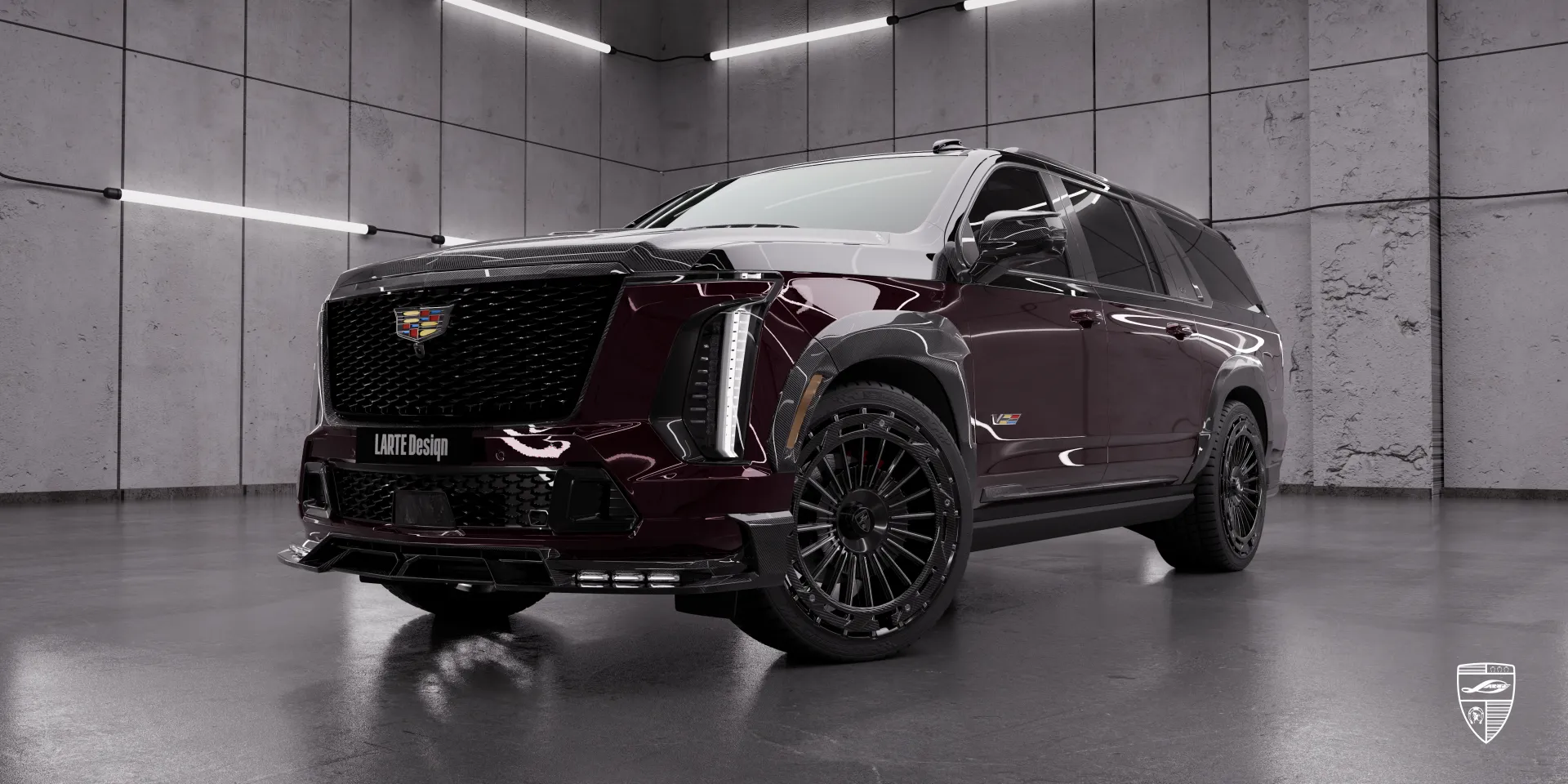
The letters ESV on a Cadillac Escalade stand for Escalade Stretch Vehicle, signifying the extended-wheelbase variant that offers maximum cargo capacity, extra third-row legroom, and an imposing road presence that defines American full-...
The letters ESV on a Cadillac Escalade stand for Escalade Stretch Vehicle, signifying the extended-wheelbase variant that offers maximum cargo capacity, extra third-row legroom, and an imposing road presence that defines American full-size luxury motoring.
Contents
When automotive buyers encounter luxury nameplates, specific alphanumeric suffixes often carry significant weight regarding capability, size, and market positioning. Within the realm of General Motors' flagship luxury division, the Cadillac Escalade remains an enduring symbol of prestige. However, understanding what the ESV Cadillac meaning tells you requires looking beyond the standard nameplate to analyze wheelbase dimensions, interior utility, mechanical engineering, and the specific needs of consumers who require maximum space without compromising luxury appointments.
Resolving the exact meaning of the badge clarifies how this extended variant differs from the standard-length model. While the standard Escalade serves traditional full-size luxury buyers, the ESV variant addresses the demands of executives, large families, security fleets, and livery services needing expansive cargo volume behind the third row. Examining this badge reveals how automotive manufacturers scale utility, weight distribution, and chassis design to satisfy a distinct segment of the luxury market.
Decoding the Acronym: What "ESV" Actually Stands For
The acronym ESV officially stands for Escalade Stretch Vehicle. Introduced to the market for the 2003 model year during the second generation of the Escalade lineup, the designation was created to denote a long-wheelbase variant that mirrors the relationship between other large utility vehicles in the General Motors portfolio, such as the Chevrolet Suburban and GMC Yukon XL.
Unlike aftermarket stretch limousines that are physically cut and welded by third-party coachbuilders, the Cadillac Escalade ESV is manufactured directly on an extended platform at the assembly plant. This factory integration ensures that structural integrity, safety crumple zones, factory warranties, and electronic stability systems are engineered from the ground up to handle the increased length and mass.
Understanding this distinction is vital for prospective buyers. The ESV badge does not merely indicate a higher trim level or a more powerful engine; it signifies a fundamentally larger vehicle architecture designed to maximize interior volume. This architectural change alters the vehicle's turning radius, curb weight, fuel consumption dynamics, and parking requirements.
Architectural and Dimensional Differences
To fully grasp the implications of the ESV designation, one must examine the physical dimensions that separate it from the standard Escalade model. The extended variant stretches the overall length and wheelbase significantly, creating a cascading effect on interior packaging.
| Dimension Metric | Standard Cadillac Escalade | Cadillac Escalade ESV | Difference / Impact |
|---|---|---|---|
| Overall Length | Approx. 211.9 inches | Approx. 227.0 inches | ~15.1 inches longer overall |
| Wheelbase | Approx. 120.9 inches | Approx. 134.1 inches | ~13.2 inches added to wheelbase |
| Cargo Volume (Behind 3rd Row) | Approx. 25.5 cubic feet | Approx. 41.5 cubic feet | ~16.0 cubic feet of extra storage |
| Max Cargo Volume (All Seats Down) | Approx. 121.0 cubic feet | Approx. 142.8 cubic feet | ~21.8 cubic feet of total volume gain |
| Third-Row Legroom | Approx. 34.9 inches | Approx. 36.6 inches | ~1.7 inches of added legroom |
As illustrated by these structural measurements, the primary beneficiary of the ESV architecture is cargo utility. While the third-row legroom receives a modest increase, the nearly 16-cubic-foot expansion behind the third row solves a persistent compromise in standard full-size SUVs: the inability to carry both a full complement of passengers and their luggage simultaneously.
Target Audience and Primary Use Cases
The market presence of the Cadillac Escalade ESV is sustained by specific buyer profiles who require capabilities that standard-length luxury SUVs cannot provide. Analyzing these use cases explains why the ESV configuration commands substantial market demand.
Executive Transport and Livery Services
Corporate fleets, high-profile executives, and VIP transport services heavily favor the ESV variant. The extended cargo area easily accommodates multiple large garment bags, golf clubs, and heavy luggage sets without requiring passengers to sacrifice cabin space. Furthermore, the commanding road presence and tinted privacy glass align with the security and aesthetic expectations of executive transit.
Large Families and Long-Distance Touring
For families requiring three rows of seating on a daily basis, standard SUVs often leave virtually zero room for groceries, strollers, or sports equipment when all seats are occupied. The ESV configuration eliminates this compromise, allowing families to travel with full seating capacity and extensive luggage loads simultaneously, making it a preferred vehicle for cross-country road trips.
Specialized Fleet and Security Applications
Due to its robust body-on-frame architecture and high payload capacity, the ESV platform serves as an ideal base for armored vehicle upfitting. Armoring adds thousands of pounds of heavy steel plating and bullet-resistant glass, requiring the elevated weight capacity and reinforced chassis of the extended-wheelbase platform to maintain drivability and suspension integrity.
Mechanical Engineering, Performance, and Powertrain Dynamics
Operating a vehicle with the physical footprint of the Escalade ESV requires specialized engineering to ensure that ride quality, handling, and safety standards match the expectations of a flagship luxury product.
Weight and Suspension Management
The added length and structural reinforcement increase the curb weight of the ESV compared to its standard counterpart. To counteract this, Cadillac equips the ESV with advanced suspension setups, such as Magnetic Ride Control and adaptive four-corner Air Ride Suspension. These systems continuously adjust dampening rates based on road conditions and vehicle load, preventing excessive body roll, mitigating nose-dive during braking, and maintaining a level ride height regardless of cargo weight.
Powertrain Offerings
Modern iterations of the ESV offer high-performance powertrain choices, including robust naturally aspirated V8 engines and efficient turbodiesel inline-six options.
- The V8 Option: Delivers high horsepower and immediate throttle response, catering to traditionalists who value effortless acceleration despite the vehicle's massive scale.
- The Duramax Diesel Option: Provides high torque at lower RPMs and exceptional highway cruising range, making it a favored choice for high-mileage drivers and heavy towers.
Towing and Trailering Capabilities
The heavy-duty truck-based frame underlying the Escalade ESV grants it substantial towing utility. Equipped with specialized trailering packages, integrated brake controllers, and multiple camera views, the ESV can tow heavy loads like horse trailers, boats, and large recreational vehicles while maintaining stable tracking at highway speeds.
Common Misconceptions About the ESV Badge
Several recurring myths surround the Cadillac Escalade ESV, often leading to confusion among first-time buyers and casual automotive enthusiasts.
- Myth 1: "ESV means it has more seats." Many assume the stretch vehicle designation means the cabin features a fourth row or seating for nine. In reality, the seating capacity remains identical to the standard Escalade, typically accommodating seven or eight passengers depending on whether the second row features captain's chairs or a bench seat. The extra space is dedicated entirely to legroom and cargo storage.
- Myth 2: "It is an aftermarket conversion." Because the word "stretch" appears in the underlying acronym, some buyers believe the vehicle is modified after leaving the factory. As established, the ESV is an Original Equipment Manufacturer (OEM) production model built on an extended dedicated assembly line.
- Myth 3: "It drives like a traditional commercial bus." While the ESV has a larger turning circle and requires more spatial awareness when parking, modern electronic power steering, rear-wheel steering systems, and 360-degree camera arrays make low-speed maneuverability significantly easier than older generation full-size SUVs.
Practical Considerations for Buyers
Purchasing or operating a Cadillac Escalade ESV involves distinct practical realities that extend beyond standard vehicle ownership. Buyers must evaluate these factors before committing to the platform.
- Garage Clearance: At over 227 inches long, standard residential garages may struggle to accommodate the ESV. Buyers must measure their garage depth, keeping in mind the clearance needed to walk around the vehicle and close the garage door.
- Fuel Consumption and Operational Costs: The combination of substantial curb weight, large displacement engines, and massive frontal area results in lower fuel economy figures. Owners must budget accordingly for fuel expenditures and premium maintenance requirements.
- Maneuverability in Urban Environments: Navigating tight multi-story parking structures, narrow city streets, and parallel parking spaces requires patience and reliance on modern driver-assistance technologies.
Frequently Asked Questions
What does ESV stand for on a Cadillac?
ESV stands for Escalade Stretch Vehicle. It designates the factory-extended long-wheelbase version of Cadillac's flagship full-size luxury SUV, providing increased cargo volume and enhanced third-row comfort.
How much longer is an Escalade ESV than a standard Escalade?
The Escalade ESV is approximately 15 inches longer overall than the standard Escalade, with a wheelbase that is roughly 13 inches longer, resulting in significantly expanded storage space behind the rear seats.
Does the ESV model feature extra seating capacity?
No, the seating capacity remains the same as the standard Escalade, typically accommodating up to seven or eight passengers depending on the interior configuration. The additional interior space is dedicated to legroom and cargo capacity.
Can the Cadillac Escalade ESV fit in a standard garage?
Many standard residential garages struggle to fit a vehicle that is nearly 19 feet long. Owners should carefully measure their garage length and account for clearance needed for bumpers and garage doors.
Is the ESV harder to drive than the standard Escalade?
While the longer wheelbase increases the turning radius and requires extra awareness when parking, modern steering systems, adaptive suspension, and comprehensive camera arrays make handling manageable in most driving conditions.
Conclusion and Next Actions
The Cadillac Escalade ESV badge communicates a specific engineering philosophy: delivering uncompromised cargo capacity and expansive interior room within a high-end luxury framework. For buyers weighing the standard model against the extended variant, the decision hinges on cargo requirements and garage space availability. To take the next step, visit a certified dealership to test-drive both configurations, measure your primary parking spaces, and evaluate whether the extra length aligns with your daily driving and utility needs.
Image Gallery