Why the Mahershala Ali Netflix Movie Matters: Analyzing the Legacy of Leave the World Behind
The Mahershala Ali Netflix movie, Leave the World Behind, matters because it redefined the prestige disaster thriller by blending high-concept dread with intricate socio-political commentary. As a centerpiece of Netflix’s original prog...
The Mahershala Ali Netflix movie, Leave the World Behind, matters because it redefined the prestige disaster thriller by blending high-concept dread with intricate socio-political commentary. As a centerpiece of Netflix’s original programming strategy, it leveraged Ali’s Academy Award-winning gravitas to subvert racial tropes and explore the psychological fragility of modern civilization during a technological collapse.
Contents
Released in late 2023 and remaining a cornerstone of streaming discourse in 2026, Leave the World Behind serves as more than just a suspenseful weekend watch. Directed by Sam Esmail and produced by Barack and Michelle Obama’s Higher Ground Productions, the film represents a convergence of A-list talent, political insight, and a shift in how audiences consume "the end of the world." By casting Mahershala Ali as G.H. Scott, the film challenged decades of cinematic norms regarding authority, class, and survival.
The Significance of Mahershala Ali’s Performance
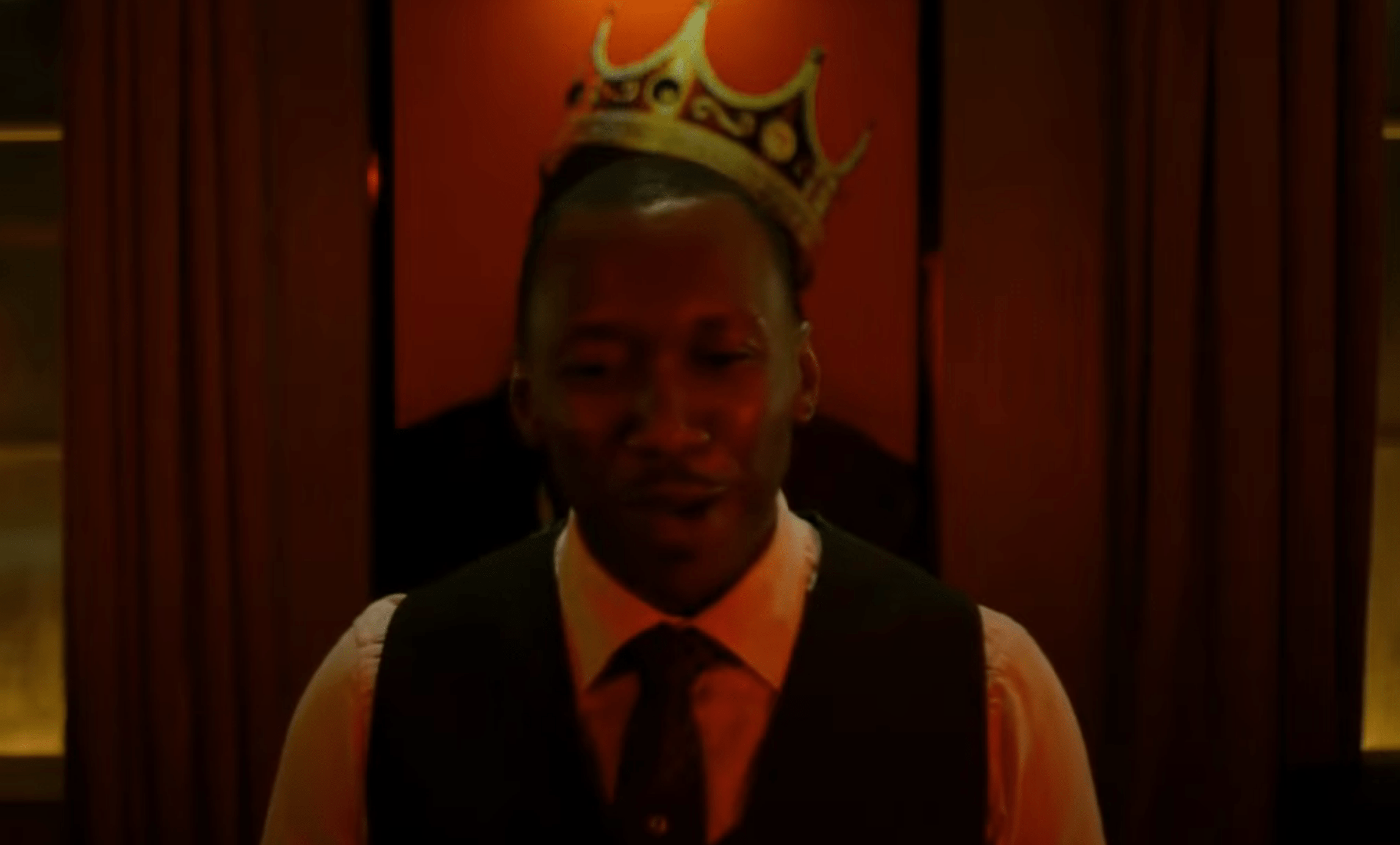
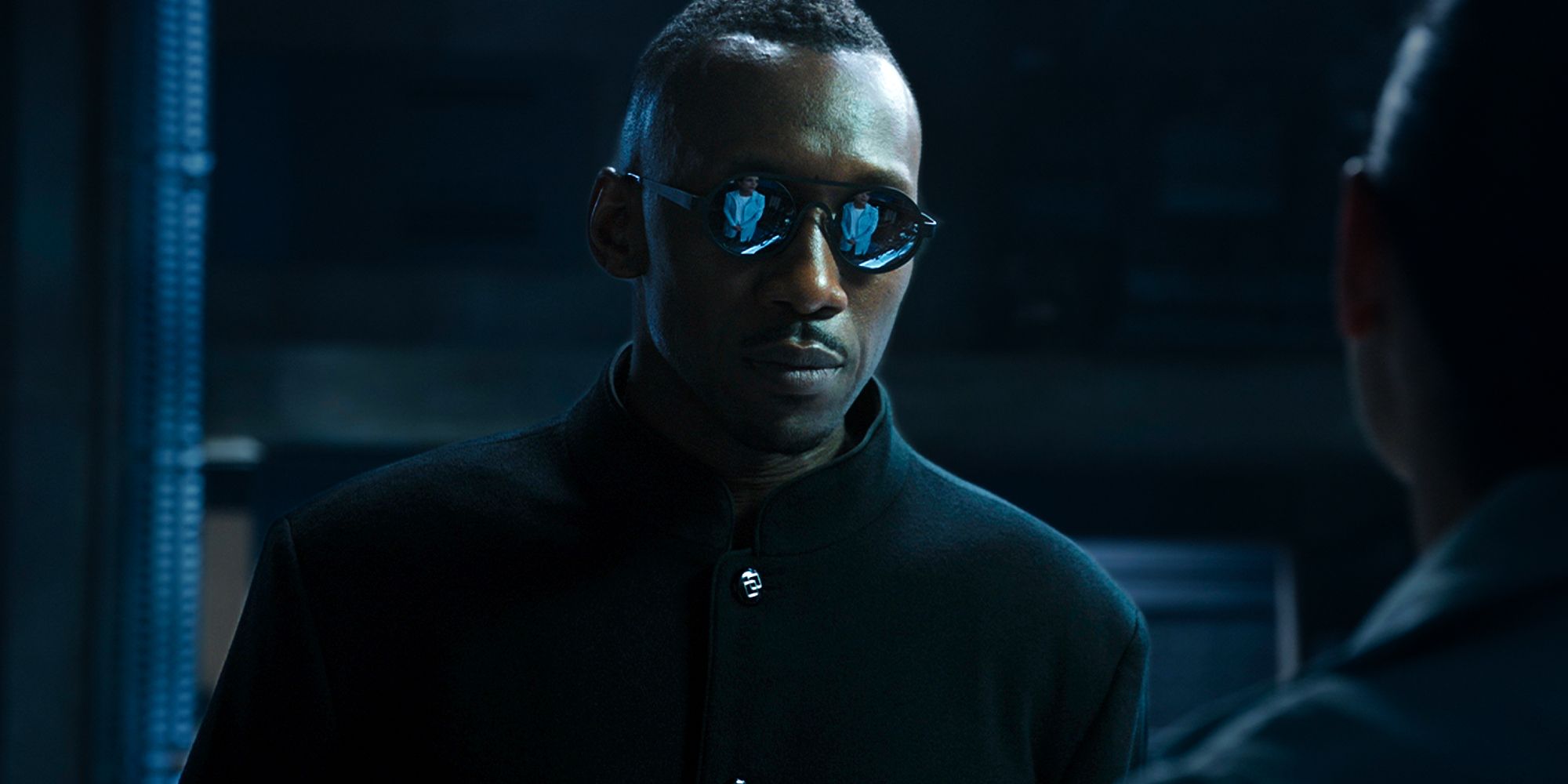
At the heart of why this movie continues to resonate in 2026 is the performance of Mahershala Ali. Following his Academy Award wins for Moonlight and Green Book, Ali’s move into a leading role for a Netflix blockbuster signaled a major shift in the industry's hierarchy. In Leave the World Behind, Ali portrays G.H. Scott, a sophisticated, wealthy, and deeply observant man who returns to his own rental property when a mysterious blackout strikes New York City.
Ali’s importance to this role cannot be overstated. He brings a "contained intensity" to G.H. Scott that avoids the typical "hero" archetypes of disaster cinema. Unlike the action-oriented protagonists played by Will Smith or Dwayne Johnson, Ali’s character is defined by his intellect and his vulnerability. He is a man who understands the systems of the world—finance, logistics, and social hierarchies—and is the first to realize that those systems are permanently breaking.
His performance matters because it provides a nuanced look at Black excellence under pressure. G.H. Scott is not a secondary character or a source of comic relief; he is the most competent person in the room, yet he must navigate the inherent biases of the white family (played by Julia Roberts and Ethan Hawke) who have rented his home. The tension Ali navigates—being the owner of a luxury estate while being treated as an intruder—adds a layer of social commentary that is rarely found in the "apocalypse" genre.
Subverting the Apocalypse: A Genre Shift
For decades, disaster movies followed a predictable formula: a global threat emerges, a scientist explains the stakes, and a protagonist saves the day through physical prowess. Leave the World Behind matters because it rejects every one of these pillars. Instead of focusing on the "how" of the world ending, it focuses on the "why" of human disconnection.
The film utilizes Sam Esmail’s signature technical style—unsettling camera movements, a discordant score, and a focus on isolation—to make the audience feel the same confusion as the characters. By 2026, we have seen an influx of "quiet" thrillers, but this movie was a pioneer in using the absence of information as a primary source of terror.
The Role of Higher Ground Productions
The involvement of the Obamas’ production company, Higher Ground, added a layer of realism that haunted viewers long after the credits rolled. Reports at the time of release indicated that former President Barack Obama provided script notes to Sam Esmail, specifically regarding the realism of the cyber-attack scenarios and the breakdown of government communication.
This connection makes the movie matter as a piece of "speculative fiction" that feels grounded in actual national security concerns. In an era where cybersecurity is a daily headline, the film’s depiction of a multi-stage collapse—isolation, misinformation, and physical sickness—serves as a chilling roadmap of modern vulnerability. It moved the conversation from "aliens and asteroids" to "servers and satellites," a transition that feels even more relevant today in 2026.
Comparison of Character Dynamics and Themes
To understand the weight of this film, one must look at how it differentiates itself from other notable entries in the survival and disaster genres. The following table highlights the key shifts in narrative focus that Leave the World Behind introduced.
| Feature | Traditional Disaster Movies | Leave the World Behind (Netflix) |
|---|---|---|
| Primary Conflict | Physical survival against nature/monsters. | Psychological survival against uncertainty. |
| Protagonist Role | Active hero seeking a solution. | Passive observer reacting to collapse. |
| Racial Dynamics | Often sidelined or stereotypical. | Central to the tension and power struggle. |
| Technology | A tool used to save the world. | The weapon used to destroy society. |
| The Ending | Resolution and hope for rebuilding. | Ambiguity and an emphasis on personal comfort. |
| Information Flow | News broadcasts explain everything. | Total silence and conflicting rumors. |
Why the Technical Craft Still Matters in 2026
From a technical perspective, the movie remains a masterclass in tension. The cinematography by Tod Campbell uses long, sweeping takes that often move through walls or hover high above the characters, creating a "God’s-eye view" that suggests an unseen force is watching the unfolding tragedy. This choice reinforces the theme that the characters are merely pawns in a much larger, invisible war.
The sound design is equally vital. The use of sudden, bone-shaking noises—later revealed to be the result of sonic weaponry—serves to disorient the audience just as much as the characters. In the context of 2026’s home theater technology, these technical elements have allowed the film to age gracefully, maintaining its status as a "reference disc" (or reference stream) for high-fidelity audio and visual performance.
Furthermore, the film’s focus on "The Ending" sparked a global conversation. By choosing to end on a scene involving a young girl finding comfort in a DVD of Friends while the world burns outside, Esmail and Ali delivered a biting critique of American escapism. It suggests that even in the face of total annihilation, our primary instinct is to return to the digital comfort of the past.
The Cultural Impact of the "Ali-Roberts" Pairing
The chemistry between Mahershala Ali and Julia Roberts is another reason the film remains a subject of study. Roberts, playing a cynical and "casually" prejudiced mother, provides the perfect foil to Ali’s composed and weary G.H. Scott. Their interactions serve as a microcosm of American race relations: a fragile truce built on mutual need, constantly threatened by underlying suspicion.
This pairing was a significant "get" for Netflix. It proved that the platform could facilitate high-level dramatic acting usually reserved for the Oscars. For Ali, it was a chance to lead a massive commercial hit that didn't require him to put on a superhero suit (notwithstanding his long-gestating role in Blade), proving his bankability as a leading man in the streaming era.
Impact on Netflix’s Content Strategy
In the years following the film's 2023 release, Netflix pivoted toward more "prestige-genre" hybrids. The success of the Mahershala Ali-led project gave the green light to other complex, high-budget adaptations of literary thrillers. It proved that audiences were willing to engage with slow-burn narratives that didn't provide easy answers, as long as the pedigree of the acting and directing was high enough.
By 2026, we can see the "Ali Effect" in various streaming projects where Academy Award winners are given the creative freedom to explore darker, more ambiguous themes without the pressure of a traditional theatrical opening weekend. This has led to a richer, more diverse landscape of adult-oriented cinema on digital platforms.
Frequently Asked Questions
Is the Mahershala Ali Netflix movie based on a book?
Yes, Leave the World Behind is based on the 2020 novel of the same name by Rumaan Alam. The film follows the book's core premise but makes several changes to the ending and the specific nature of the national "emergency" to better suit a visual medium and heighten the tension.
Why was the ending of the movie so controversial?
The ending was controversial because it offered no resolution to the external conflict. Instead of showing the characters being rescued or defeating the threat, it ends with Rose (the daughter) finding a bunker and watching the final episode of Friends. This was a deliberate choice to emphasize that the characters—and by extension, the audience—are powerless against systemic collapse and often seek refuge in nostalgia.
What is the significance of the "sonic boom" in the movie?
The sonic boom is a key plot element representing a form of electronic or acoustic warfare. It serves as a physical manifestation of the "invisible" war being fought through cyber-attacks. It also acts as a catalyst for the physical ailments some characters experience, such as Archie losing his teeth, symbolizing the literal decay of the characters' health and the social fabric.
Did Mahershala Ali win any awards for this role?
While the film was a major streaming hit and received critical acclaim for its acting, it was primarily recognized in the "Best Thriller" or "Best Streaming Movie" categories at various critics' choice and industry awards rather than the traditional Oscar circuit, which often overlooks late-year streaming genre releases. However, Ali's performance was widely cited as one of the best of the year.
How did the Obamas contribute to the film?
Barack and Michelle Obama served as executive producers through Higher Ground Productions. Barack Obama famously sent Sam Esmail a heavily annotated copy of the script. His notes focused on making the breakdown of the world feel more grounded in reality, drawing from his experience with crisis management and national security protocols.
Final Recommendation for Viewers
For those revisiting Leave the World Behind in 2026, the best way to experience the film is to view it as a character study rather than a traditional disaster movie. Focus on the subtle power shifts between Mahershala Ali and Julia Roberts, and pay close attention to the background details that hint at the world's collapse long before the characters acknowledge it. The movie matters because it asks a haunting question: in a world where we are all connected by technology, who are we when the signal finally dies?
Image Gallery