Understanding Allstate Average Yearly Auto Insurance Premiums in 2026
There is no single "average" Allstate auto insurance premium that applies to every driver, as costs are determined by individualized risk assessment models. Factors such as your geographic location, vehicle make and model, driving hist...
There is no single "average" Allstate auto insurance premium that applies to every driver, as costs are determined by individualized risk assessment models. Factors such as your geographic location, vehicle make and model, driving history, credit-based insurance score, and selected coverage limits cause premiums to fluctuate significantly from the national mean.
Contents
The Mechanism of Premium Calculation
Insurance companies like Allstate operate on the principle of actuarial risk. When you request a quote, the company processes millions of data points to predict the likelihood of you filing a claim. Because Allstate uses proprietary algorithms, the "average" premium you see in national reports may not reflect your specific reality.
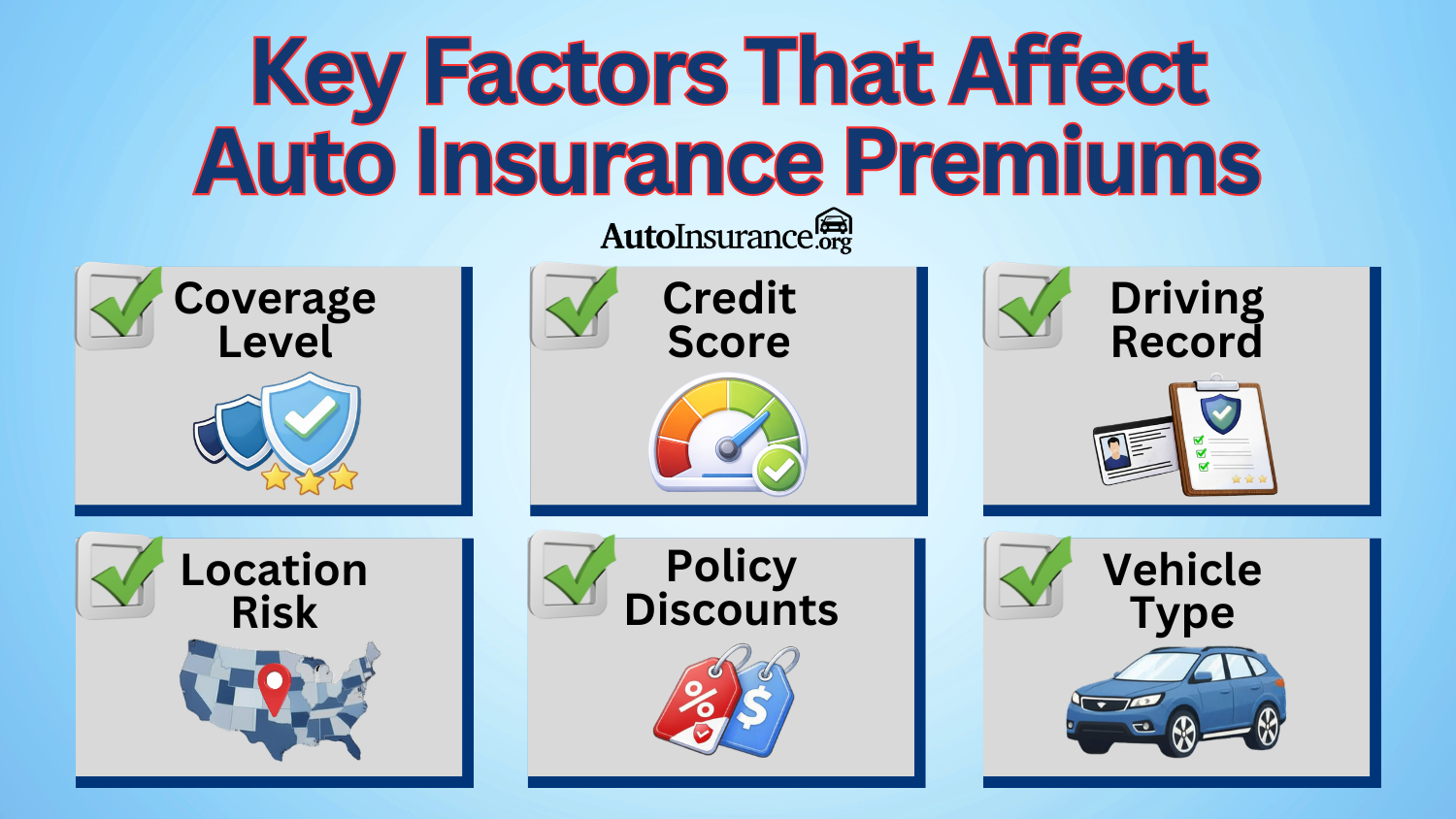
Your yearly premium is not a static fee; it is a cumulative result of several weighted factors. These include:
- The Loss Experience in Your ZIP Code: Insurers look at the frequency of theft, vandalism, and accidents in your specific neighborhood.
- Vehicle Risk Profile: Newer vehicles with advanced safety features may have lower collision premiums but higher repair costs, while high-performance sports cars often carry increased liability risk.
- Personal Rating Factors: Age, years of driving experience, and your history of past claims are primary drivers of base rates.
Core Factors Influencing Your Allstate Quote
To understand your specific premium, you must evaluate the variables that Allstate underwriters prioritize. In 2026, the regulatory environment in many states allows for sophisticated rating tiers that directly impact the bottom line of your policy.
1. Driving Record and Claims History
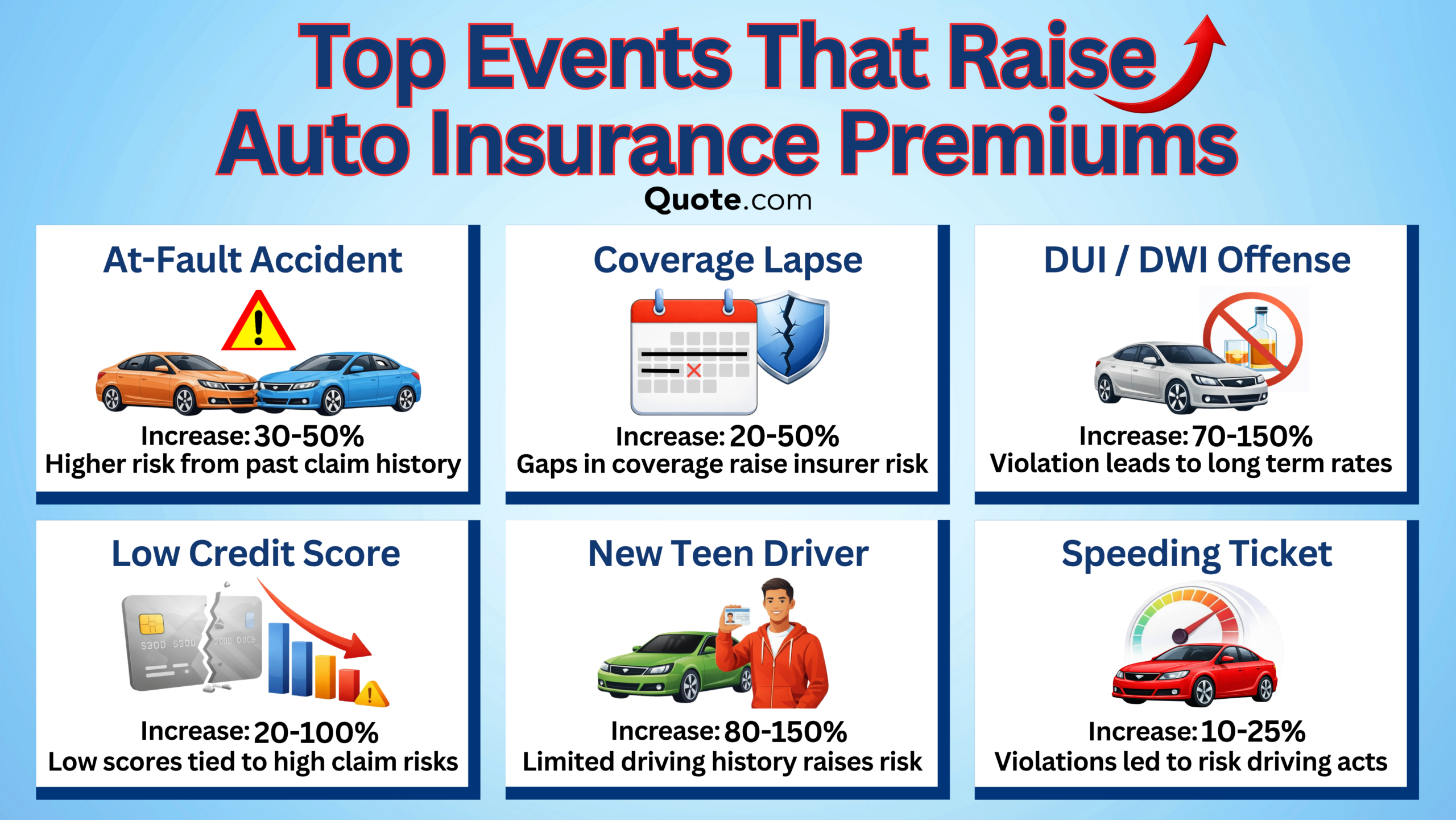
This is the most significant factor under your control. A clean driving record—defined as no at-fault accidents or major traffic violations within the last three to five years—typically qualifies you for the lowest rate tiers. Conversely, a single DUI or multiple speeding tickets can move you into a "high-risk" pool, which often results in premiums that are substantially higher than the company's average for your region.
2. Credit-Based Insurance Scores
In most U.S. states where permitted by law, Allstate utilizes credit-based insurance scores as a predictive tool. Statistically, data shows a correlation between certain credit behaviors and the likelihood of filing an insurance claim. If you have a high credit-based insurance score, you are generally viewed as a lower risk, which often leads to a more favorable premium calculation compared to those with lower scores.
3. Policy Deductibles and Limits
Your choice of coverage limits is the most immediate way to adjust your yearly premium. A higher deductible—the amount you pay out-of-pocket before insurance kicks in—reduces the insurer's liability for small claims, thereby lowering your annual premium. However, choosing state-minimum liability limits can leave you personally exposed in the event of a catastrophic accident, which is why financial experts generally recommend carrying liability limits that exceed state minimums.
Comparative Cost Considerations
When analyzing Allstate’s premiums, it is essential to compare "apples to apples." The following table outlines how different coverage selections can shift your annual financial commitment.
| Coverage Element | Impact on Yearly Premium | Recommended Strategy |
|---|---|---|
| Comprehensive Deductible | High Deductible = Lower Premium | Balance against cash on hand for repairs |
| Collision Deductible | High Deductible = Lower Premium | Assess vehicle market value |
| Liability Limits | Higher Limits = Higher Premium | Maintain high limits for asset protection |
| Usage-Based Programs | Potential for Savings | Enroll if you drive fewer than 10k miles/year |
Strategies for Managing Your Allstate Premium
If you are looking to optimize your yearly costs, you must look beyond the base rate. Allstate offers several mechanisms to reduce your total expenditure, provided you meet specific eligibility criteria.
Leveraging Multi-Policy Discounts
Bundling is the most common method for reducing insurance costs. If you purchase both your auto and home—or renters—insurance through Allstate, you are often eligible for a significant "bundling discount." This is because the company views a customer with multiple policies as more stable, which lowers the overall cost of customer acquisition and retention.
Telematics and Usage-Based Insurance
Allstate’s "Drivewise" program tracks your driving habits in real-time, including braking patterns, speed, and time of day you operate the vehicle. For cautious drivers, this program can result in a percentage-based discount on the yearly premium. However, it requires a trade-off regarding data privacy, as your driving behavior is being monitored and transmitted to the insurer.
Evaluating Policy Add-ons
Add-ons like "New Car Replacement" or "Rental Car Reimbursement" provide significant value but increase your yearly premium. If you are driving an older, high-mileage vehicle, paying for optional features that cover brand-new car scenarios may not be cost-effective. Audit your policy declarations page annually to ensure you aren't paying for coverages that no longer align with your vehicle's current market value.
Common Misconceptions About Insurance Premiums
Many consumers believe that "Loyalty Discounts" automatically decrease their rates over time. In reality, insurance is priced based on current risk, not the duration of your tenure with a company. While longevity can sometimes lead to lower rates through specific retention programs, your premium is always subject to market-wide rate adjustments. If your premium rises, it may be due to regional inflation in repair costs or increased litigation trends in your area, rather than a personal penalty.
Frequently Asked Questions
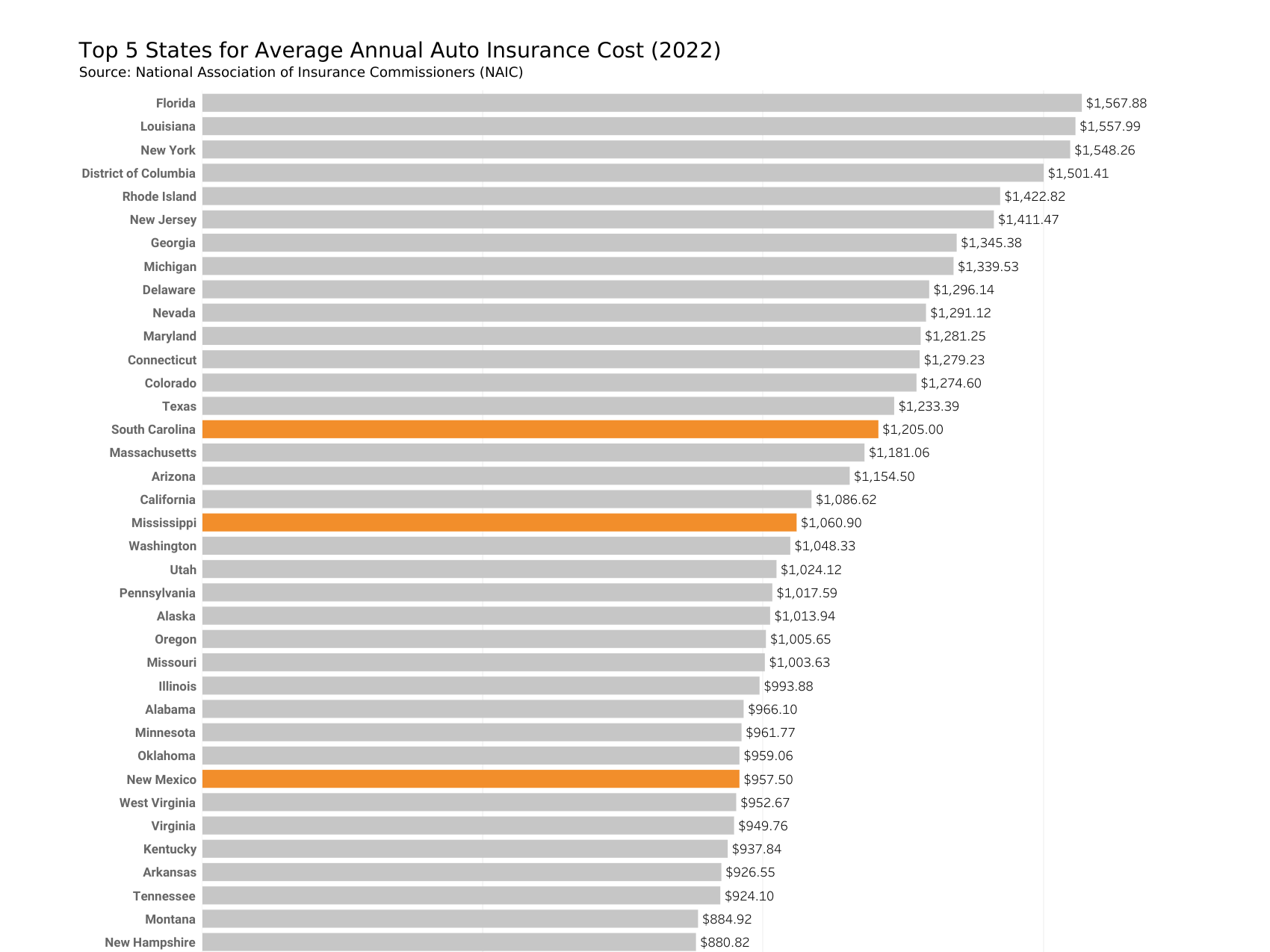
Does my ZIP code affect my Allstate premium more than my driving record? While both are critical, your driving record is typically the most significant personal factor. However, if you move from a rural area with low traffic to a major metropolitan center with high rates of auto theft and accident density, your premium may increase significantly even if your personal driving record remains perfect.
How does Allstate determine the value of my car for a claim? Allstate, like most insurers, uses industry-standard valuation services to determine the "Actual Cash Value" (ACV) of your vehicle. This accounts for depreciation, mileage, and the physical condition of the car at the time of the loss.
Can I switch my payment plan to lower my yearly premium? Changing from a monthly payment schedule to a semi-annual or annual lump-sum payment can often eliminate installment fees. While this does not change the underlying premium, it reduces the total out-of-pocket cost you pay to the company over the course of the year.
Does Allstate offer discounts for safe driving courses? In many jurisdictions, yes. Completing an accredited defensive driving course can qualify you for a discount. Check with your local agent to ensure the course you select is recognized by Allstate in your specific state.
Why did my premium increase despite no changes to my policy? Premiums often rise due to external factors such as rising costs of vehicle parts, increases in labor rates at repair shops, and higher frequency of medical claims in your state. Insurers must adjust their rates to maintain solvency and cover the increasing cost of claims.
Final Recommendation
To manage your Allstate auto insurance premium effectively, do not rely on generic averages found in national advertisements. Contact a local Allstate agent to conduct an annual policy review. Ask them to analyze your current coverage limits against your current assets and vehicle value. If you find your premium is consistently higher than expected, inquire specifically about the impact of your credit-based insurance score and whether telematics programs could offer a measurable reduction in your annual cost.
Image Gallery