Understanding Inhibitors in Biology: Mechanisms and Biological Significance
In biology, an inhibitor is a molecule that binds to an enzyme or protein to decrease, slow down, or completely stop its catalytic activity. By modulating the rate of chemical reactions within a cell, inhibitors serve as critical regul...
In biology, an inhibitor is a molecule that binds to an enzyme or protein to decrease, slow down, or completely stop its catalytic activity. By modulating the rate of chemical reactions within a cell, inhibitors serve as critical regulatory checkpoints, maintaining metabolic homeostasis, preventing the overproduction of specific biological products, and acting as the fundamental basis for much of modern pharmacology.
Contents
The Mechanism of Enzyme Inhibition
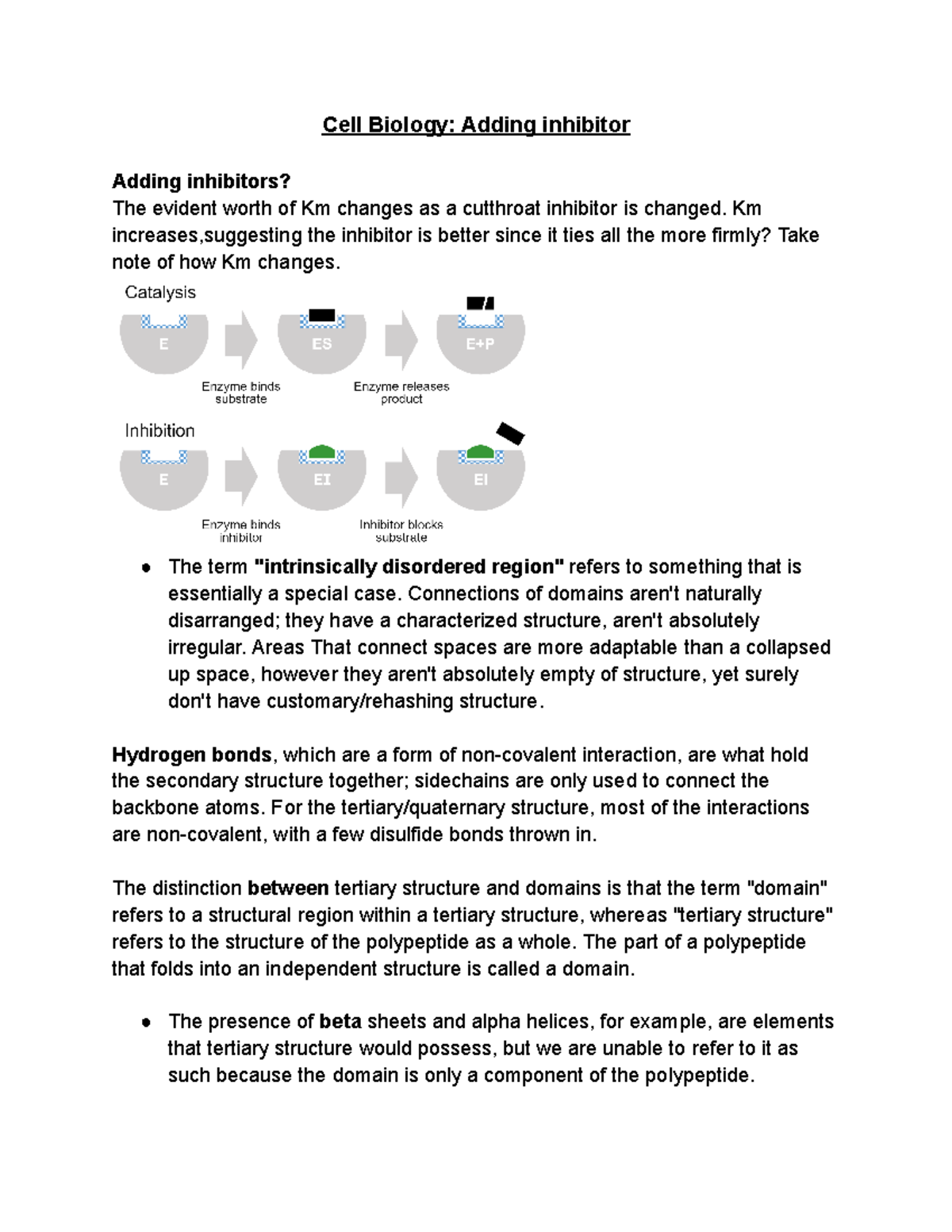
To understand how an inhibitor works, one must first look at the relationship between enzymes and substrates. Enzymes are biological catalysts that lower the activation energy required for chemical reactions. A substrate is the specific molecule upon which an enzyme acts. An inhibitor interferes with this interaction, effectively serving as a biological "brake" on metabolic processes.
The interaction is typically classified based on how and where the inhibitor binds to the enzyme:
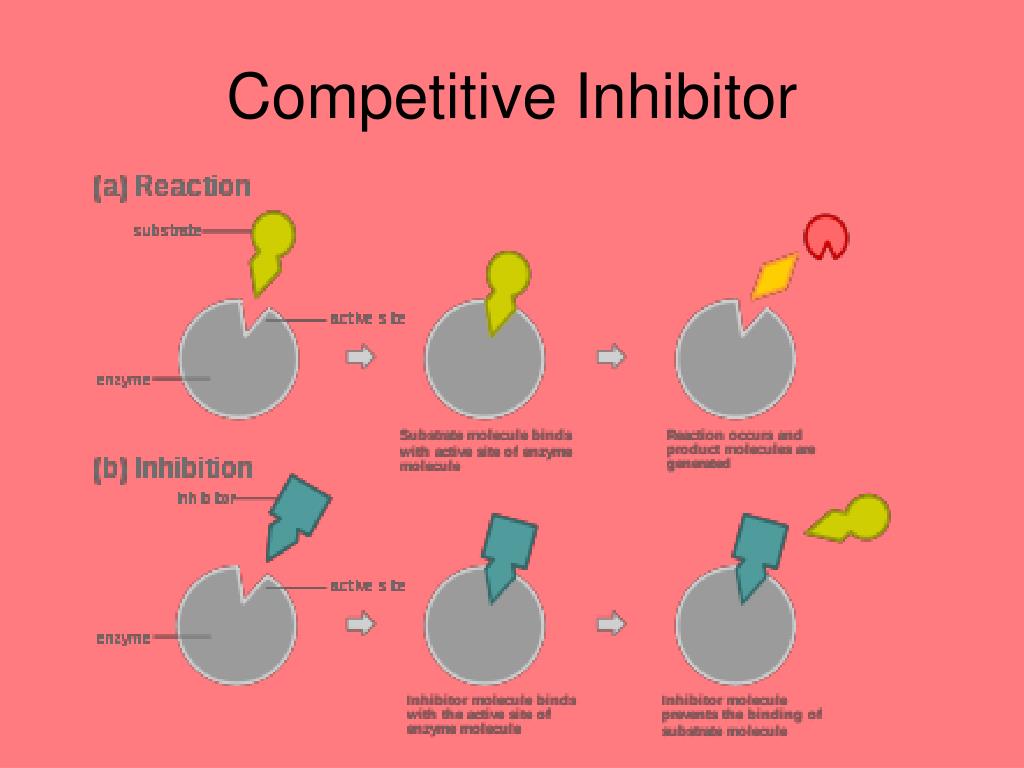
- Competitive Inhibition: The inhibitor structurally resembles the substrate and competes for the enzyme’s active site. If the inhibitor binds there, the substrate cannot enter, and the reaction is blocked. This can often be overcome by increasing the concentration of the substrate, which "outcompetes" the inhibitor for the active site.
- Non-competitive Inhibition: The inhibitor binds to an allosteric site—a location other than the active site. This binding induces a conformational change in the enzyme, altering its shape so that the active site is no longer effective, even if the substrate is present. Increasing substrate concentration does not reverse this effect.
- Uncompetitive Inhibition: The inhibitor binds only to the enzyme-substrate complex. This prevents the complex from releasing the product, essentially trapping the substrate in the enzyme.
Biological Roles and Homeostatic Control
Inhibitors are not merely "stoppers" of life; they are precision instruments of biological control. In metabolic pathways, the product of a reaction often acts as an inhibitor for an enzyme earlier in the pathway. This process, known as feedback inhibition, ensures that a cell does not waste resources producing more of a compound than it currently needs.
For example, in the synthesis of amino acids, the end product of a long chain of reactions may inhibit the first enzyme in that chain. When concentrations of the final product drop, the inhibition is lifted, and the pathway resumes. This self-regulating system is essential for maintaining the delicate balance of molecules within the cytoplasm.
Pharmacological Significance
The concept of inhibition is the cornerstone of 21st-century medicine. Many therapeutic drugs function by inhibiting specific enzymes that are overactive or associated with pathogenic processes.
- Antibiotics: Many antibiotics, such as penicillin, work by inhibiting enzymes required for bacterial cell wall synthesis. By stopping the bacteria from repairing or building their walls, the drug leads to the death of the pathogen while remaining non-toxic to human cells.
- Antivirals: Drugs like protease inhibitors interfere with the enzymes viruses need to replicate their genetic material or package new viral particles, effectively halting the spread of the infection within the host.
- Statin Drugs: Widely prescribed for cardiovascular health, statins inhibit the HMG-CoA reductase enzyme, which plays a central role in the body’s production of cholesterol.
Comparison of Inhibition Types
| Inhibition Type | Binding Site | Effect of Substrate Concentration | Impact on Enzyme Shape |
|---|---|---|---|
| Competitive | Active Site | Reversible (can be outcompeted) | Minimal |
| Non-competitive | Allosteric Site | Irreversible (by substrate) | Significant change |
| Uncompetitive | Enzyme-Substrate Complex | Increases binding stability | Induced by substrate binding |
Irreversible vs. Reversible Inhibition
It is important to distinguish between the duration of the inhibitory effect. Reversible inhibitors bind to enzymes via weak interactions such as hydrogen bonds, hydrophobic interactions, and ionic bonds. These can dissociate from the enzyme, allowing the protein to return to its functional state.
Conversely, irreversible inhibitors typically form strong covalent bonds with the enzyme. By chemically modifying the enzyme’s active site or crucial functional groups, these inhibitors permanently deactivate the protein. While this is often toxic—as seen with nerve agents that inhibit acetylcholinesterase—it is also utilized in medicine. Aspirin, for example, acts as an irreversible inhibitor of cyclooxygenase enzymes, which is why its effects last long after the drug has been cleared from the bloodstream.
Common Misconceptions and Troubleshooting
Students and researchers often confuse "inhibition" with "denaturation." Denaturation refers to the total loss of a protein’s structure due to heat, pH extremes, or chemicals, rendering it permanently non-functional. Inhibition, however, is a targeted, often regulated process that preserves the enzyme’s structural integrity while preventing its catalytic function.
When observing experimental data, researchers must troubleshoot "false inhibition." If a reaction rate slows down, it is critical to verify if:
- The temperature or pH has drifted, affecting enzyme stability.
- The substrate is actually being consumed or depleted.
- The inhibitor is chemically reacting with the substrate rather than the enzyme itself.
Frequently Asked Questions
Are all biological inhibitors harmful? No. While some toxins function as inhibitors, many inhibitors are essential for normal bodily functions. Feedback inhibition is a natural, healthy process that keeps metabolic pathways balanced. Without it, cells would rapidly deplete their energy stores and building blocks.
Can an inhibitor bind to more than one type of enzyme? Yes, but most physiological inhibitors are highly specific. Evolution has refined these molecules to bind only to specific targets to prevent unintended interference with other vital processes. However, non-specific inhibitors (often heavy metals or strong oxidizing agents) can cause systemic damage by binding to a wide variety of proteins.
How is the strength of an inhibitor measured? Scientists use the Ki (inhibition constant) to measure potency. A lower Ki value indicates that an inhibitor is more effective, as it requires a lower concentration to inhibit 50% of the enzyme activity.
What is the difference between an inhibitor and a cofactor? An inhibitor stops or slows an enzyme, whereas a cofactor (or coenzyme) is a non-protein chemical compound that is necessary for the enzyme's biological activity to occur. Essentially, one turns the reaction off, while the other helps turn it on.
Does inhibition happen only in enzymes? While the term is most commonly used in the context of enzymes, it is also used for receptor inhibition in cell signaling. In this case, an inhibitor binds to a cell-surface receptor to prevent a signal molecule (like a hormone) from triggering a cellular response.
Next Steps for Students and Researchers
If you are studying enzyme kinetics, begin by plotting your data on a Lineweaver-Burk plot. This graphical representation is the industry standard for determining the type of inhibition—competitive, non-competitive, or uncompetitive—by analyzing how the inhibitor changes the intercept and slope of the enzyme activity curve. For those interested in pharmacology, further investigation into "allosteric modulators" provides a deeper look at how modern drug design moves beyond simple competition to achieve more refined control over human biology.
Image Gallery