Exploring the Historic Significance of LeBron James’s NBA Draft Selection
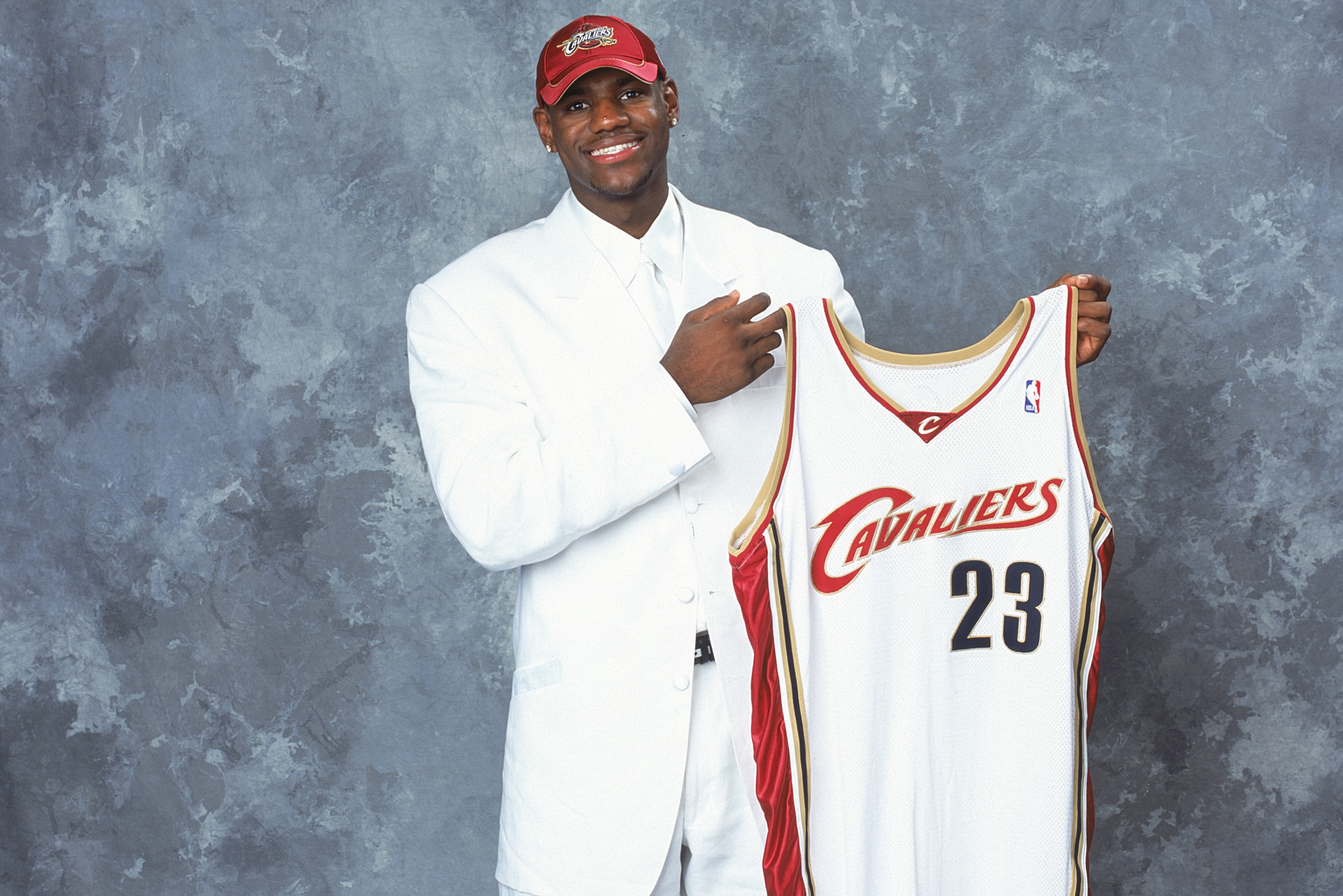
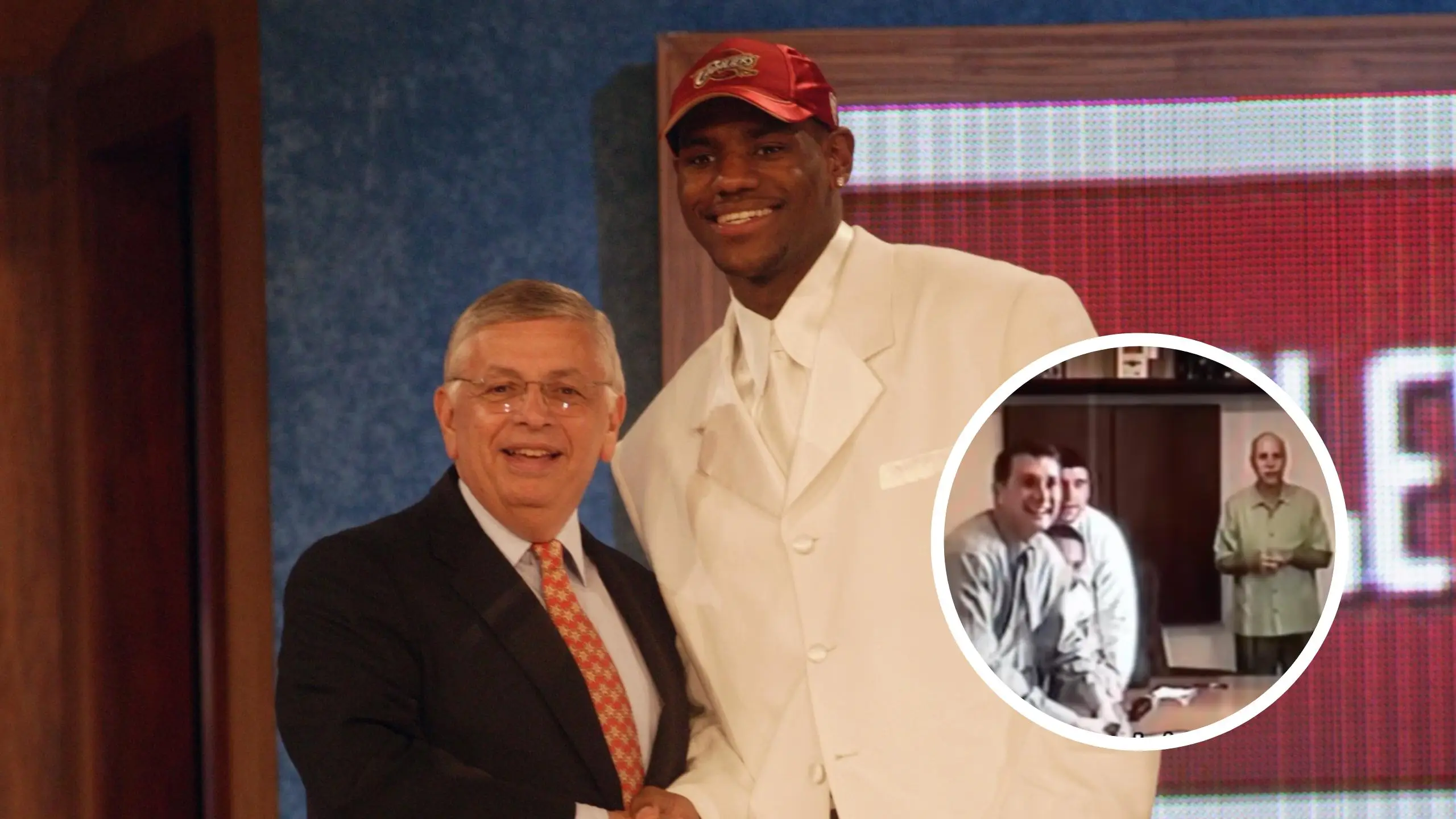
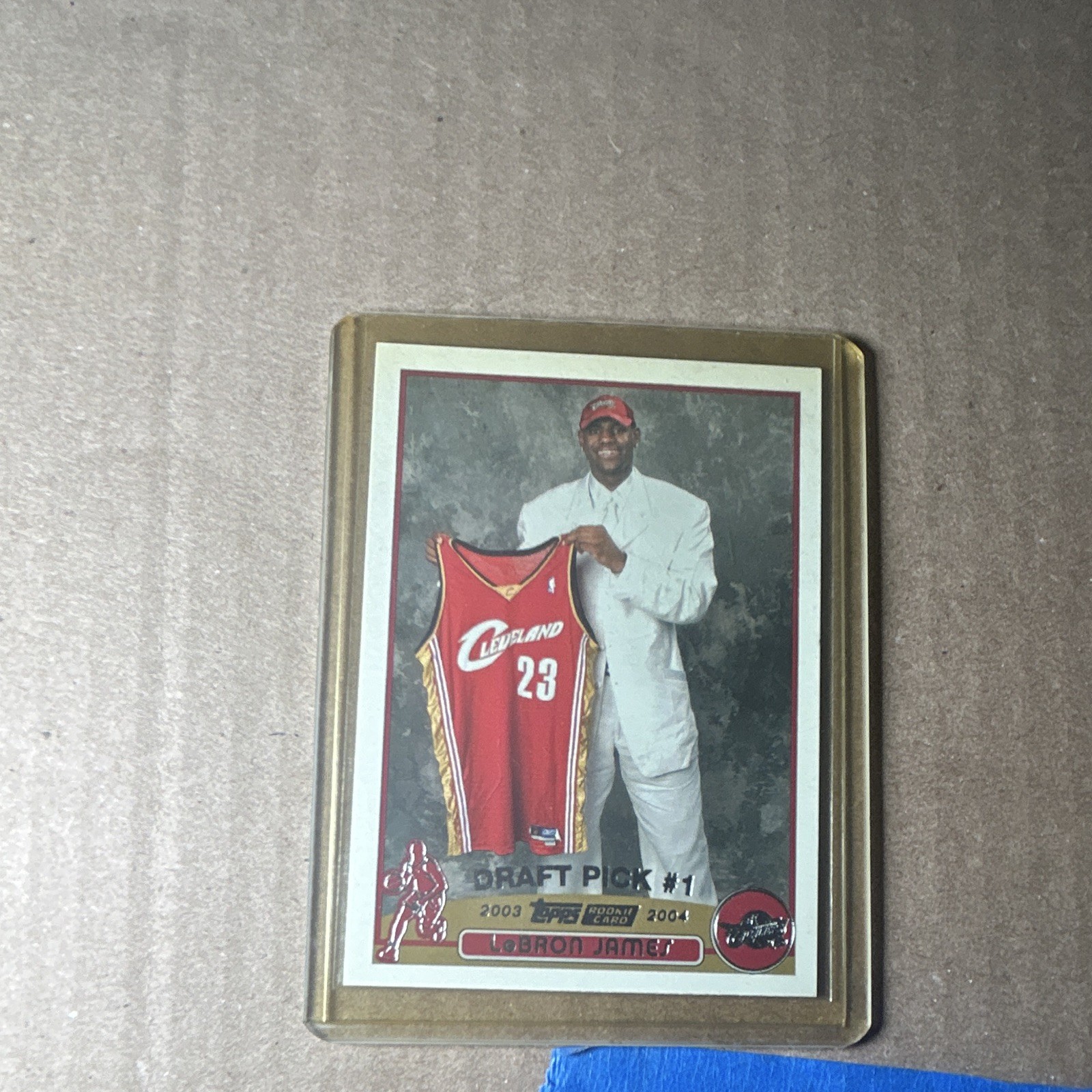
LeBron James was the first overall pick in the 2003 NBA Draft, selected by the Cleveland Cavaliers. His selection is widely regarded as one of the most anticipated and impactful moments in professional basketball history, marking the t...
LeBron James was the first overall pick in the 2003 NBA Draft, selected by the Cleveland Cavaliers. His selection is widely regarded as one of the most anticipated and impactful moments in professional basketball history, marking the transition of a high school phenom directly into a transformative franchise cornerstone.
Contents
The 2003 NBA Draft: A Historical Context
To understand the gravity of LeBron James being the first pick, one must consider the landscape of the NBA in 2003. The draft, held on June 26, 2003, at the Theater at Madison Square Garden in New York City, is frequently cited by analysts and historians as one of the deepest and most talented draft classes in the history of the league. Alongside James, the class featured future Hall of Fame talents such as Dwyane Wade, Carmelo Anthony, and Chris Bosh.
James entered the draft straight out of St. Vincent-St. Mary High School in Akron, Ohio. At the time, the NBA allowed players to declare for the draft directly from high school, provided they met specific age and status requirements. James had garnered unprecedented national attention during his high school career, appearing on the cover of Sports Illustrated as a junior with the headline "The Chosen One." This level of hype created a unique pressure for any team holding the first pick, a position held by the Cleveland Cavaliers following the draft lottery.
The Selection Process and Scouting
The Cleveland Cavaliers’ decision to select James with the first overall pick was widely expected but nonetheless carried significant organizational risk. Scouts had monitored James for years, tracking his development as a physically mature, high-IQ playmaker who possessed a rare combination of size, speed, and court vision.
The draft order is determined by a weighted lottery system, which aims to provide struggling teams with the opportunity to acquire elite talent. The Cavaliers, having finished the 2002–2003 season with a 17–65 record, secured the top spot. General Manager Jim Paxson and the front office faced a consensus choice that transcended traditional scouting analytics. While standard scouting involves assessing collegiate statistics and performance against NCAA competition, James’s evaluation relied on the projection of his skills against professional athletes. His selection validated the strategy of drafting based on "transcendent potential" rather than proven collegiate output.
The Immediate Impact of a First-Pick Selection
When a player is selected first overall, they are expected to serve as a foundational piece for the franchise’s future. For the Cavaliers, the arrival of James in 2003 catalyzed an immediate turnaround. In the season prior to his arrival, the team struggled with attendance and competitive relevance. Following his debut, the franchise saw a surge in visibility, revenue, and competitiveness.
The following table illustrates the immediate statistical trajectory of the 2003 top five draft picks, providing a snapshot of the caliber of talent selected alongside James.
| Draft Pick | Player | Original Team | Primary Position |
|---|---|---|---|
| 1 | LeBron James | Cleveland Cavaliers | Small Forward |
| 2 | Darko Miličić | Detroit Pistons | Center |
| 3 | Carmelo Anthony | Denver Nuggets | Small Forward |
| 4 | Chris Bosh | Toronto Raptors | Power Forward |
| 5 | Dwyane Wade | Miami Heat | Shooting Guard |
Expectations vs. Reality: The Burden of the First Pick
Being the first overall pick brings an immense burden of expectation. Historically, many top-selected players struggle to adapt to the physical and mental demands of the NBA. The pressure is compounded when the media labels the player a "savior" for a specific city.
LeBron James’s performance during his rookie season in 2003–2004 served to mitigate these concerns. He averaged 20.9 points, 5.5 rebounds, and 5.9 assists per game, securing the NBA Rookie of the Year award. This performance confirmed that the evaluation process—which identified him as a generational talent—was accurate. By meeting these early expectations, James avoided the common "bust" trajectory that has afflicted other top-ranked prospects in the history of the league, where the gap between high school dominance and professional performance proved insurmountable.
The Evolution of the Draft Since 2003
The process that allowed LeBron James to enter the NBA draft directly from high school underwent significant changes shortly after his entry. In 2005, the NBA implemented a new collective bargaining agreement that effectively mandated a "one-and-done" rule. Under the current landscape as of 2026, players must be at least 19 years old during the calendar year of the draft and at least one NBA season must have elapsed since their high school graduation.
This shift has changed the profile of the first overall pick. Today, scouts have at least one year of collegiate or professional international experience to analyze, reducing the uncertainty that existed when James was drafted. However, the legacy of James remains the benchmark against which all "prospects of a generation" are measured.
Frequently Asked Questions
Why was LeBron James eligible to be drafted straight from high school? In 2003, NBA regulations permitted players to declare for the draft upon the completion of their high school careers. James met the necessary criteria, and the league did not yet require the "one-and-done" year of collegiate play that was introduced in 2005.
Who was drafted after LeBron James in the 2003 class? The second pick in the 2003 NBA Draft was Darko Miličić, selected by the Detroit Pistons. The third pick was Carmelo Anthony, selected by the Denver Nuggets, followed by Chris Bosh at number four and Dwyane Wade at number five.
Did the Cleveland Cavaliers struggle after picking LeBron James first? The Cavaliers did not struggle in the long term. While they did not immediately win a championship, James led them to significantly improved records and eventually to the NBA Finals in 2007. His arrival ended a period of stagnation for the franchise and established them as a consistent contender in the Eastern Conference.
How is the first draft pick determined? The NBA uses a draft lottery system. The teams with the worst regular-season records are given the highest mathematical probability of receiving the first overall pick. This is designed to prevent teams from intentionally losing while ensuring that struggling franchises have a pathway to acquiring elite, game-changing talent.
What does it mean for a player to be a "consensus" number one pick? A consensus number one pick is a player widely agreed upon by scouts, media, and front-office personnel as the best available athlete in the draft. In James's case, there was virtually no debate among basketball experts that he was the premier talent available, a rarity in professional sports.
Strategic Considerations for Future Prospects
For young athletes aspiring to reach the level of a top-tier draft pick, the journey of LeBron James offers several professional insights. Technical proficiency is only one component; physical conditioning, basketball intelligence, and the ability to handle high-pressure environments are equally critical. The transition from amateur status to a high-stakes professional environment requires a focus on long-term health and consistent skill development. Teams looking for the "next" first-round cornerstone prioritize players who demonstrate the ability to elevate their teammates, as individual statistical excellence is rarely sufficient to build a championship-caliber roster.
Image Gallery