Mikaela Shiffrin at the 2026 Milano Cortina Olympics: Confirmation and Impact
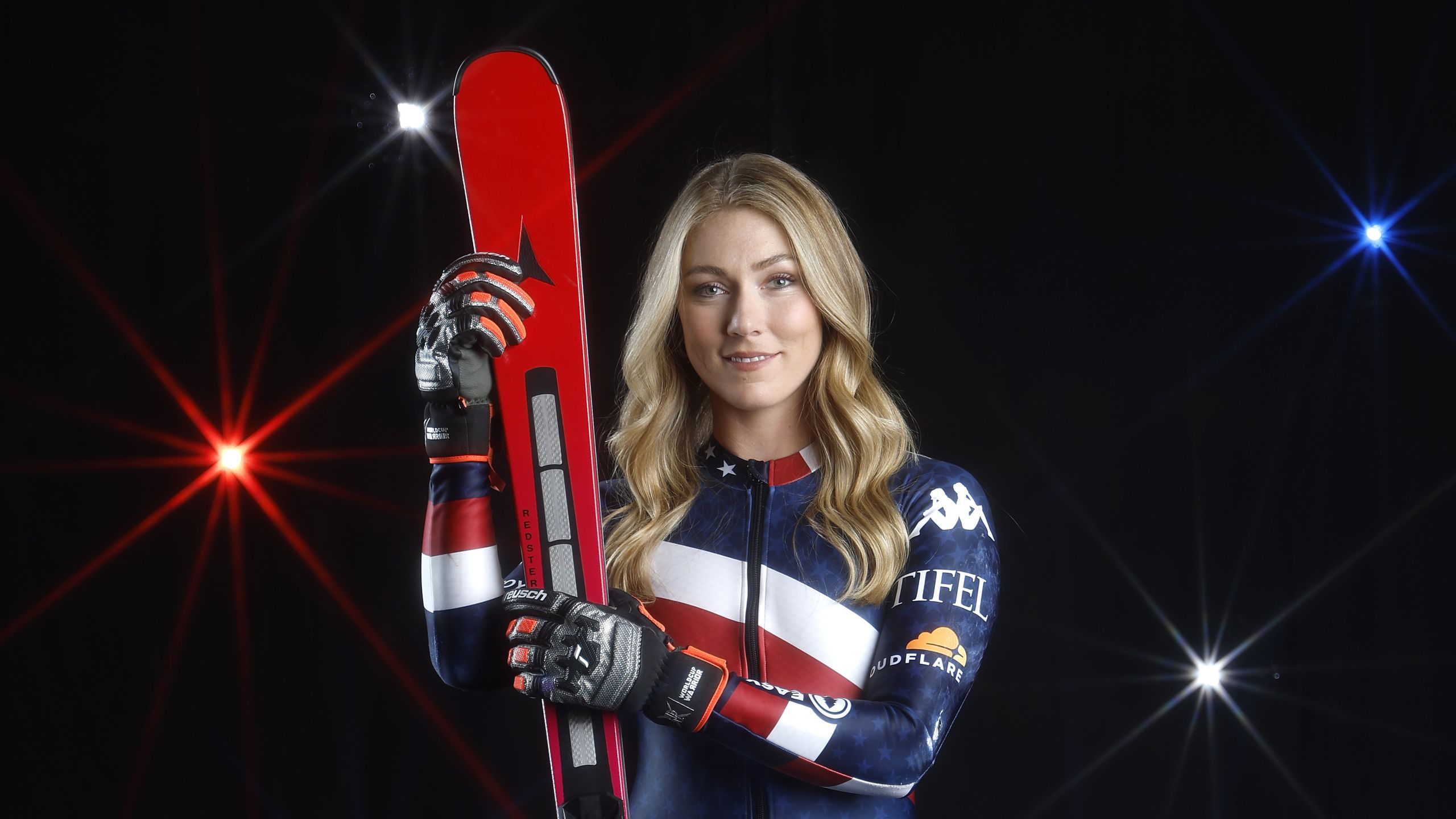
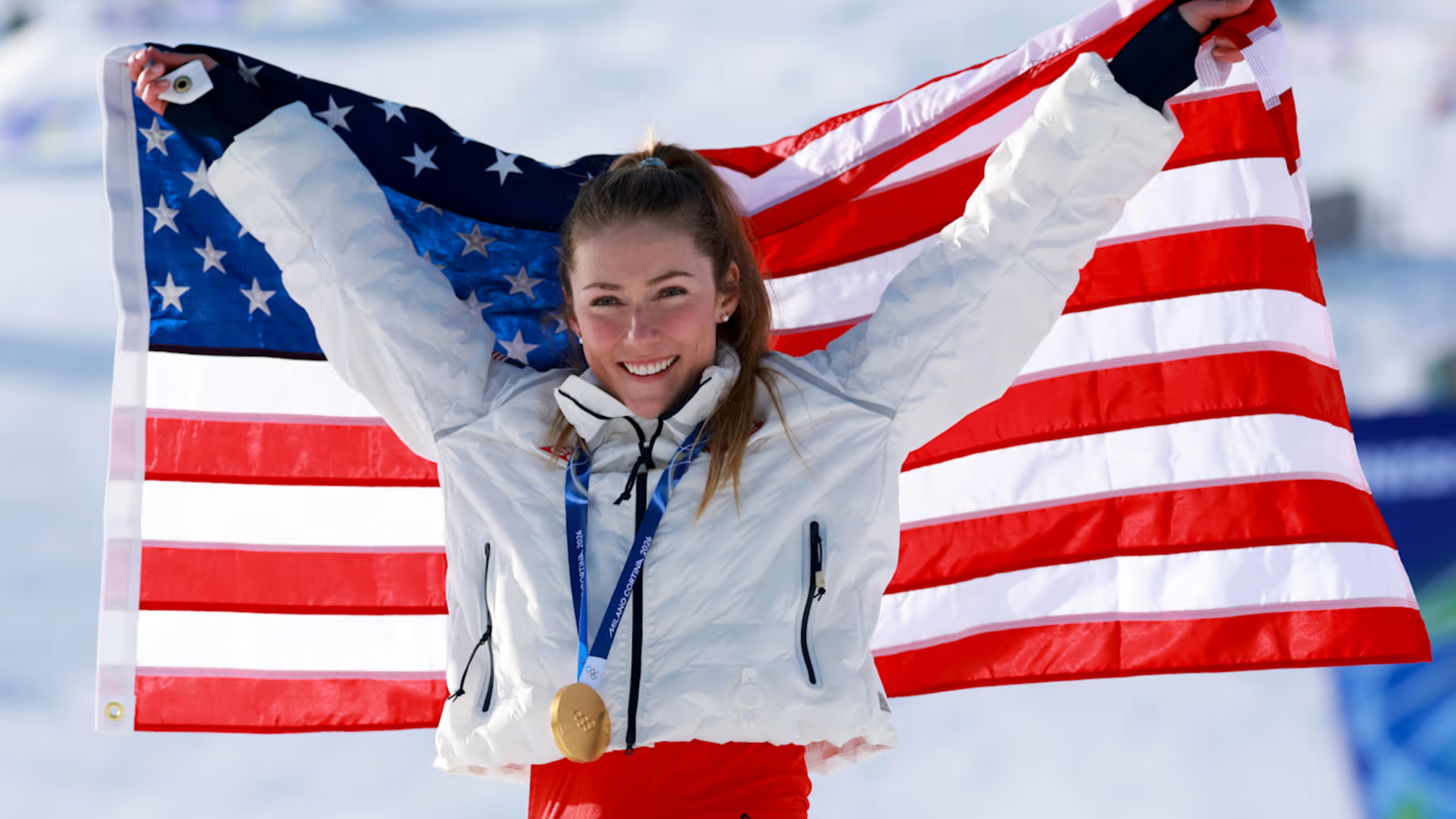
Mikaela Shiffrin has officially confirmed her participation in the 2026 Milano Cortina Winter Olympics, marking her fourth appearance on the world’s most prestigious sporting stage. As the winningest alpine skier in history, Shiffrin e...
Mikaela Shiffrin has officially confirmed her participation in the 2026 Milano Cortina Winter Olympics, marking her fourth appearance on the world’s most prestigious sporting stage. As the winningest alpine skier in history, Shiffrin enters the 2026 Games not just as a competitor, but as the face of international skiing, aiming to add to her historic medal count across multiple disciplines including Slalom, Giant Slalom, and Super-G.
Contents
The Road to Milano Cortina 2026: Confirmation of Participation
The confirmation of Mikaela Shiffrin’s participation in the 2026 Winter Olympics comes after a period of strategic reflection and physical preparation. Following the 2022 Beijing Games and her record-breaking World Cup seasons in 2023 and 2024, Shiffrin has been vocal about her desire to compete in Italy—a country where she has historically performed with immense success.
The decision to commit to 2026 was largely driven by her affinity for the Italian venues, particularly Cortina d’Ampezzo. Shiffrin has often referred to the Olympia delle Tofane course as one of her favorite stops on the World Cup circuit. Her confirmation wasn't merely a personal milestone; it served as a stabilizing force for the U.S. Ski & Snowboard Team, providing a veteran anchor for a roster undergoing a generational transition.
To ensure she reached 2026 in peak condition, Shiffrin and her team adjusted her training load over the 2024-2025 season. By prioritizing quality over quantity and being selective with her Downhill starts, she preserved her health for the high-intensity environment of the Olympic technical events. This calculated approach has paid off, as she enters the 2026 window as the top-ranked female skier in the world.
Strategic Focus: Disciplines and Venue Dynamics
For the 2026 Games, Shiffrin’s schedule is designed to maximize her medal potential while managing the physical toll of the Italian Alps. The alpine events are split between Bormio (men) and Cortina d’Ampezzo (women), with Shiffrin’s primary focus remaining on the technical disciplines where she remains the gold standard.
Slalom and Giant Slalom (GS)
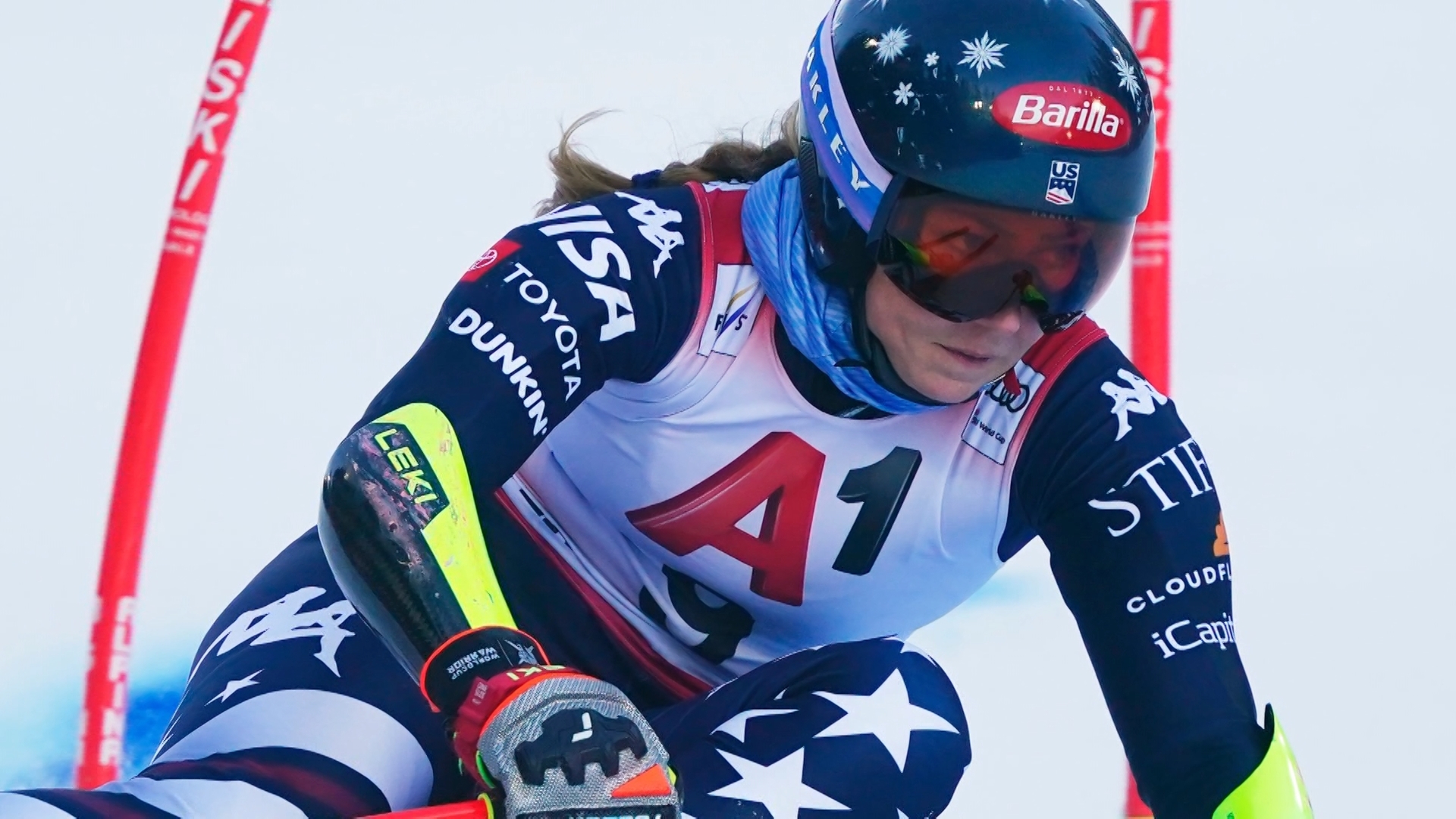
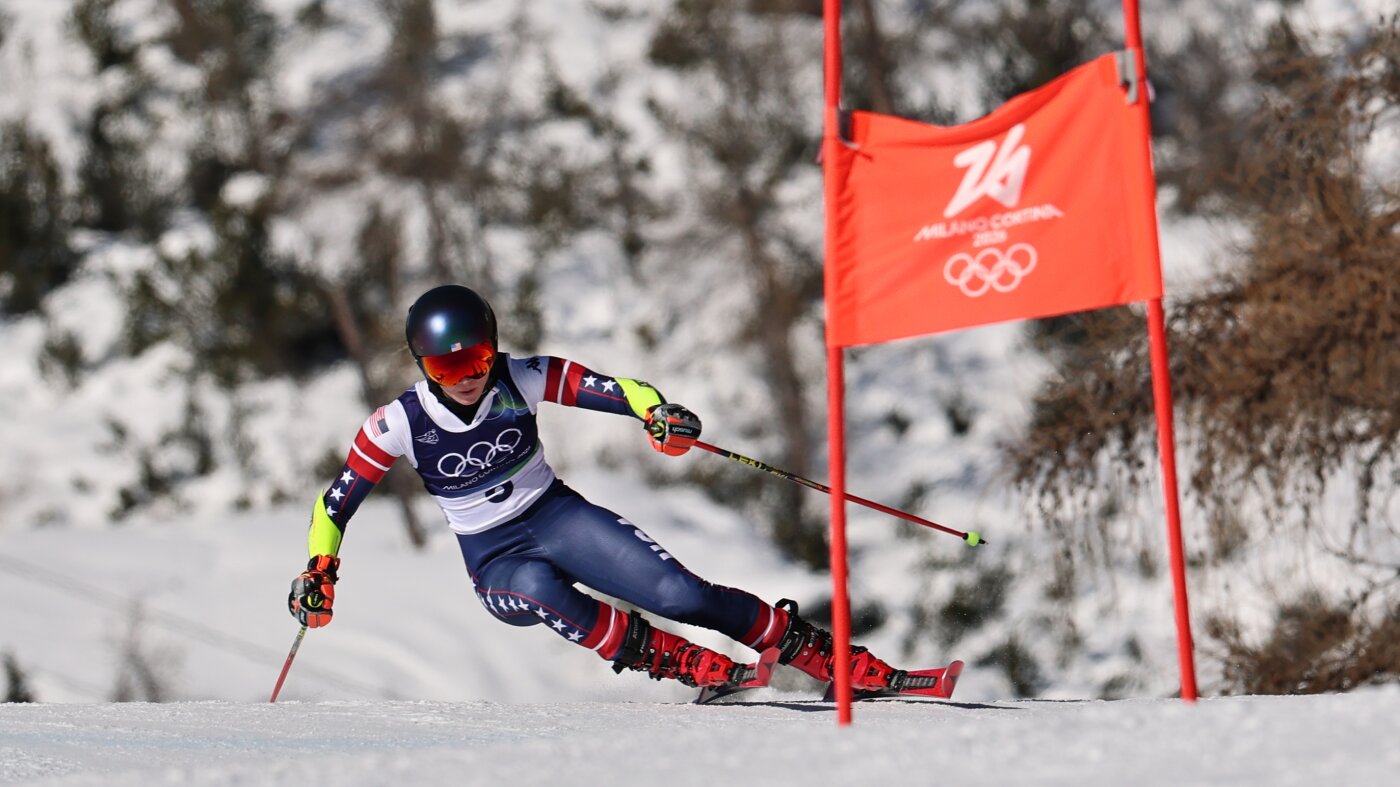
These remain Shiffrin’s "bread and butter." In Milano Cortina, the GS and Slalom courses are expected to be set on terrain that rewards technical precision and rhythm—traits that favor Shiffrin’s skiing style. Unlike the aggressive, icy conditions often found in Central Europe, the Italian snow in February tends to be responsive, allowing her to utilize her superior edge work.
Speed Events (Super-G and Downhill)
While Shiffrin has limited her Downhill starts in recent years to avoid injury, she remains a formidable force in the Super-G. Her ability to read the terrain at high speeds makes her a podium favorite in Cortina, a venue where she has previously won World Cup races. Her team has indicated that her participation in the Downhill will be a "game-day decision," based on her performance in the technical events and her physical recovery.
The Team Event and Alpine Combined
With changes to the Olympic program often debated, Shiffrin’s role in the Team Parallel and the Alpine Combined remains a point of interest for U.S. coaches. As a versatile "all-rounder," her presence gives Team USA a tactical advantage in any format that requires consistency across different skiing styles.
Comparing Shiffrin’s Olympic Career Path
To understand the impact of Shiffrin’s 2026 participation, one must look at her trajectory from a teenage prodigy in Sochi to the seasoned veteran in Milano Cortina.
| Olympic Year | Location | Primary Outcomes | Status/Legacy Stage |
|---|---|---|---|
| 2014 | Sochi, Russia | Gold (Slalom) | The "Teenage Phenom" |
| 2018 | PyeongChang, South Korea | Gold (GS), Silver (Combined) | Global Superstar |
| 2022 | Beijing, China | 0 Medals (Multiple DNFs) | The "Resilience" Era |
| 2026 | Milano Cortina, Italy | TBD | The "Greatest of All Time" (GOAT) |
The Competitive Landscape: Rivals and Challenges
Shiffrin does not enter 2026 in a vacuum. The field has narrowed, and several European powerhouses are skiing at peak levels. Her presence in the 2026 Games creates a "target on her back" scenario that elevates the entire competition.
- The Italian Home Crowd Favorites: Federica Brignone and Marta Bassino will be competing on their home snow. The pressure and the passion of the Italian "tifosi" will provide a massive emotional boost to Shiffrin’s rivals. Brignone, in particular, has shown that she can match Shiffrin’s intensity in Giant Slalom.
- The Slovakian Rivalry: Petra Vlhová remains Shiffrin’s most consistent rival in Slalom. Their "cat and mouse" game over the last decade has defined the sport. In 2026, Vlhová’s power versus Shiffrin’s finesse remains the premier matchup of the Games.
- Emerging Talents: Younger skiers from Austria and Switzerland have closed the gap in Super-G. Shiffrin’s challenge in 2026 is as much about managing the "young legs" of the circuit as it is about her own technique.
Socio-Economic and Cultural Impact of Her Participation
The "Shiffrin Effect" extends far beyond the finish line. Her confirmation for 2026 has significant implications for the business of the Winter Olympics and the visibility of alpine skiing.
Viewership and Media Rights
NBC and other major broadcasters heavily rely on "household names" to drive ratings. Shiffrin is arguably the only alpine skier currently active with true mainstream crossover appeal in the United States. Her quest for redemption after the medal-less 2022 Games provides a compelling narrative arc that marketers call the "comeback story." Experts predict that Shiffrin's races will be the most-watched events of the 2026 Winter Games in the North American market.
Sponsorship and Commercial Endorsements
Brands like Adidas, Barilla, and Atomic have centered their Olympic marketing campaigns around Shiffrin. Her participation ensures that these sponsors receive the ROI they expect from a four-year Olympic cycle. Furthermore, Shiffrin’s advocacy for mental health and environmental sustainability in sports has made her a "safe" and highly desirable partner for global brands looking to align with social values.
Impact on U.S. Winter Sports Participation
Whenever a high-profile athlete like Shiffrin competes, there is a measurable "trickle-down" effect on youth sports. The U.S. Ski & Snowboard association often sees a spike in club registrations following Shiffrin’s Olympic appearances. Her longevity encourages younger athletes to see skiing as a long-term professional career rather than a short-term pursuit.
Technical Preparation: Equipment and Physics
In 2026, the technical aspects of Shiffrin’s setup are more refined than ever. Working closely with her equipment sponsor, Atomic, Shiffrin has developed a customized "Redster" ski setup specifically tuned for the snow crystals found in the Dolomites.
The physics of her skiing in 2026 focus on "energy conservation." As an older athlete (in skiing terms), Shiffrin has mastered the ability to generate speed through the turn without the same level of raw muscular force she used in her early twenties. By optimizing her boot-to-ski power transfer, she maintains a higher "average velocity" through the gates, which is often the difference between a podium and a fourth-place finish.
Mental Health and the "Beijing Lessons"
Perhaps the most significant impact of Shiffrin’s presence in 2026 is her openness about the psychological pressures of the Olympics. Her experience in Beijing 2022, where she faced unexpected DNFs (Did Not Finish), changed the way she approaches the Games.
In Milano Cortina, Shiffrin has adopted a "process-oriented" rather than "result-oriented" mindset. This shift has been influential across the Olympic village, encouraging other athletes to prioritize mental well-being over the binary of gold-or-failure. Her impact here is a legacy that will likely outlast her actual racing results.
Frequently Asked Questions
Is 2026 expected to be Mikaela Shiffrin’s final Olympics?
While Shiffrin has not officially announced her retirement, many analysts believe Milano Cortina will be her "swan song" on the Olympic stage. At 30 years old during the 2026 Games, she is at the upper age limit for peak performance in technical alpine skiing, though her fitness levels suggest she could potentially continue if she chooses.
How many gold medals does Shiffrin need to break the all-time record?
Shiffrin already holds the record for the most World Cup wins. In terms of Olympic gold medals, she entered 2026 with two. To surpass the all-time record for alpine skiers (held by Vreni Schneider and others at three or more), she would need a dominant performance in Italy.
What venue will Mikaela Shiffrin compete in for the 2026 Games?
The women's alpine events for the 2026 Milano Cortina Olympics are hosted in Cortina d’Ampezzo. Specifically, the races take place on the Olympia delle Tofane, a historic course known for its spectacular scenery and technical "Tofane Schuss" section.
Has Shiffrin’s training changed since her 2024 knee injury?
Yes. Since her crash in early 2024, Shiffrin has been more selective with her racing calendar. Her 2026 preparation involved a heavier focus on recovery and specialized strength training to protect her ligaments, moving away from a "race every weekend" schedule to a "peak for the big events" strategy.
Who is Mikaela Shiffrin's main coach for the 2026 Olympics?
Shiffrin continues to work within her specialized "Team Shiffrin" structure, which includes her mother, Eileen Shiffrin, as a primary advisor, alongside technical coaches provided by the U.S. Ski Team. This inner circle has been credited with her sustained success and ability to navigate the pressures of professional sports.
Final Recommendation for Fans and Analysts
To fully appreciate Mikaela Shiffrin’s impact in 2026, viewers should look beyond the medal count. Pay close attention to her Slalom splits in the second run; this is where her technical mastery usually overcomes the fatigue of her competitors. For those following the Games, focusing on her performance in the Giant Slalom will provide the best indicator of her overall form and confidence for the duration of the Milano Cortina schedule.
Image Gallery