Neil Armstrong Ethnicity in Context: Ancestry, Heritage, and Historical Significance
Neil Armstrong’s ethnic background was predominantly of Scottish, Scots-Irish, and German descent. His paternal lineage traces back to the border region between Scotland and England, while his maternal heritage originates from German i...
Neil Armstrong’s ethnic background was predominantly of Scottish, Scots-Irish, and German descent. His paternal lineage traces back to the border region between Scotland and England, while his maternal heritage originates from German immigrant families who settled in rural Ohio during the nineteenth century. Examining his ethnicity in context clarifies both his family history and the broader demographic landscape of twentieth-century American astronaut selection.
Contents
Genealogical Breakdown of Neil Armstrong's Lineage
To understand the ethnicity of Neil Alden Armstrong (1930–2012), it is necessary to examine both his paternal and maternal branches. Like many midwestern families of the twentieth century, Armstrong’s family tree reflects classic migration patterns from Western and Northern Europe to the American heartland.
- Neil Alden Armstrong
- Stephen Koenig Armstrong
- Willis Koenig Armstrong (Scottish/Scots-Irish & German)
- Laura Belle Koenig (German ancestry)
- Viola Louise Engel
- Martin Engel (German ancestry)
- Caroline Ketteman (German ancestry)
- Stephen Koenig Armstrong
Paternal Ancestry: The Scottish and Scots-Irish Connection
The surname Armstrong is historically associated with the Scottish Borders region, particularly Liddesdale and the surrounding territory of Dumfriesshire.
- Border Reiver Heritage: The Armstrong surname belongs to one of the most prominent border families of the sixteenth century, known historically for their role in border clashes between England and Scotland.
- Emigration Path: Branches of the Armstrong family migrated from Scotland to Ulster (Northern Ireland) during the seventeenth-century Plantation of Ulster, becoming part of the Scots-Irish population. Subsequent generations emigrated across the Atlantic to North America during the eighteenth and nineteenth centuries.
- The Koenig Connection: Neil's paternal grandfather, Willis Koenig Armstrong, carried the middle name Koenig—reflecting early intermarriage with German-American families in Ohio.
Maternal Ancestry: German Roots in Auglaize County
Armstrong’s maternal line is almost exclusively of German origin. His mother, Viola Louise Engel (1907–1990), belonged to a community of German immigrants who settled in western Ohio in the nineteenth century.
- The Engel and Ketteman Families: Viola’s ancestors arrived in the United States from various regions of the German Confederation during the mid-to-late 1800s. They settled predominantly in Auglaize and Mercer counties in Ohio.
- Cultural Preservation: These German immigrant communities maintained strong agrarian, Lutheran, and Evangelical traditions, establishing localized civic institutions, farming cooperatives, and parish schools that shaped the cultural environment in which Neil Armstrong's mother was raised.
Comparative Summary of Neil Armstrong’s Ethnic Heritage
The table below outlines the primary components of Neil Armstrong’s genealogical lineage, documenting geographic origins, ancestral names, and historic migration periods.
| Branch | Primary Ethnicities | Key Ancestral Surnames | Historical Geographic Origin | US Settlement Location |
|---|---|---|---|---|
| Paternal Line | Scottish, Scots-Irish, German | Armstrong, Koenig | Scottish Borders (Langholm), Ulster, Palatinate | Pennsylvania, Ohio (Auglaize County) |
| Maternal Line | German | Engel, Ketteman, Ladner | Baden-Württemberg, Hesse, Rhineland | Ohio (Auglaize County, Wapakoneta) |
Cultural and Historical Context of Armstrong's Heritage
Analyzing an individual's ethnicity requires looking beyond raw genealogical data to evaluate how cultural identity was expressed, preserved, or integrated into broader society.
Scottish Heritage and the 1972 Visit to Langholm
While Neil Armstrong rarely spoke at length about his personal background during his career as a naval aviator and NASA astronaut, his connection to Scotland became a matter of international attention following the Apollo 11 moon landing in July 1969.
In March 1972, Armstrong accepted an invitation to visit the Scottish town of Langholm, historically considered the ancestral seat of Clan Armstrong.
- Freedom of the Burgh: During his visit, Armstrong was named the first Freeman of the Burgh of Langholm in over 400 years.
- Public Address: Addressing the town assembly, Armstrong acknowledged his roots, declaring that he took great pride in his ancestral connection to the region.
- Historical Continuity: The visit highlighted how global space exploration connected back to old-world diaspora networks, demonstrating the pride small European communities took in the achievements of the American astronaut corps.
Midwestern Settlement Patterns and German-American Integration
Armstrong’s German heritage reflects the broader historical narrative of the American Midwest. During the mid-nineteenth century, millions of German emigrants left Europe due to political instability, crop failures, and economic reorganization following the Industrial Revolution.
- Settlement in Ohio: Ohio became one of the primary destinations for German settlement. Immigrants established thriving agricultural communities, bringing advanced farming techniques, craftsmanship, and structured educational values.
- Assimilation Dynamics: By the early twentieth century—particularly following World War I—German-American families in rural Ohio integrated rapidly into mainstream American culture. Language shift from German to English occurred rapidly across civic and religious institutions, creating a blended Midwestern identity that combined traditional German work ethic with American civic nationalism.
Public Perception and National Identity during the Apollo Era
Understanding Neil Armstrong's ethnicity requires contextualizing how NASA and the American public perceived identity during the Cold War space race.
The "All-American" Astronaut Archetype
During the Mercury, Gemini, and Apollo programs, NASA selected test pilots who reflected the dominant military flight culture of the era.
- Demographic Profile: The initial astronaut cohorts consisted primarily of white men of Western and Northern European heritage, drawing heavily from rural and small-town Midwestern backgrounds.
- Symbolic Identity: Media outlets, including Life magazine, presented astronauts like Armstrong as representations of traditional American values: modest, self-reliant, technically skilled, and disciplined.
- Submergence of Ethnic Identity: In the mid-twentieth century American public sphere, specific European ethnic distinctions (such as Scottish versus German ancestry) were largely subsumed under a unified American identity designed to project national unity during high-stakes geopolitical competition with the Soviet Union.
How Lineage Intersected with Global Public Relations
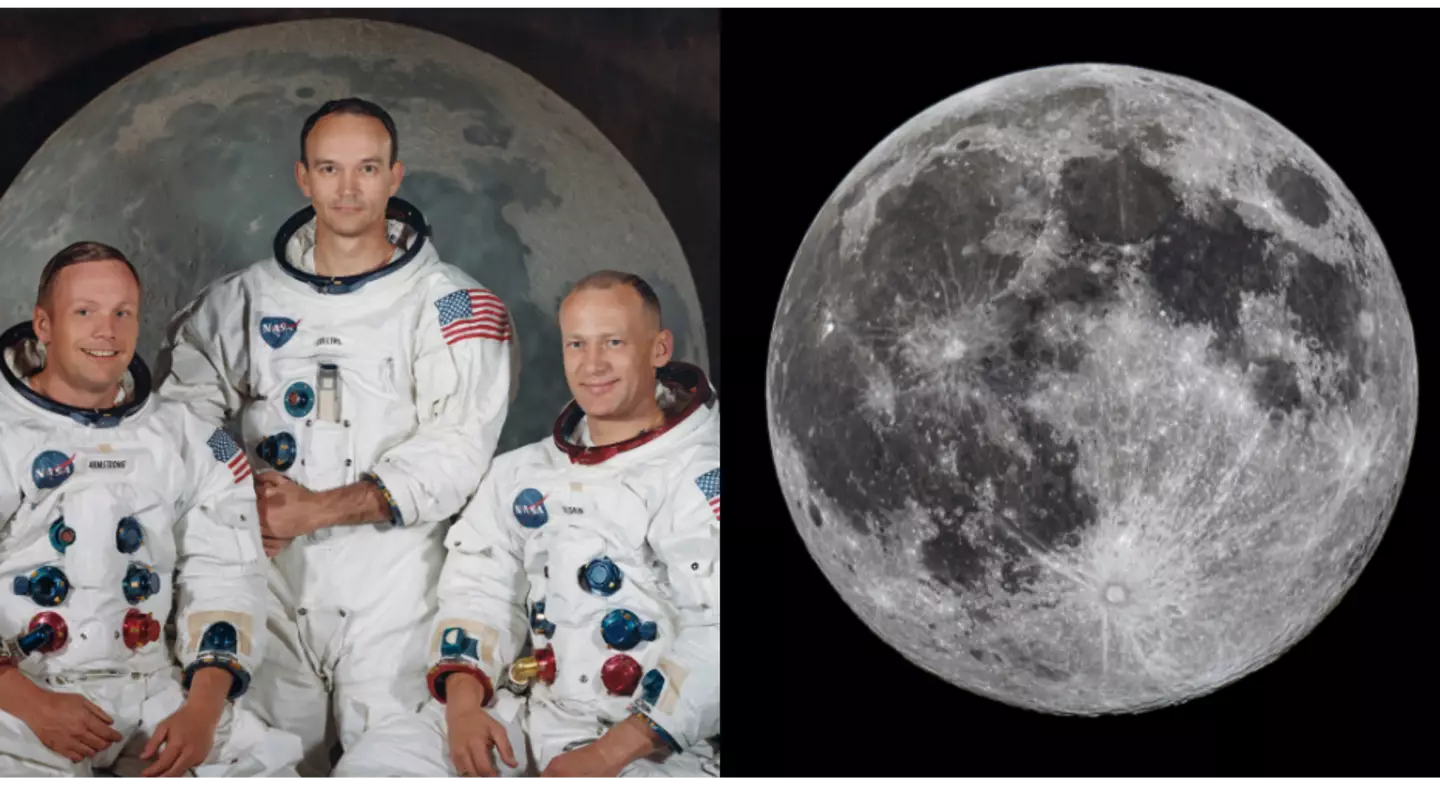
Following the Apollo 11 mission, the United States Department of State organized international goodwill tours for Armstrong, Buzz Aldrin, and Michael Collins. During these tours, local international media frequently emphasized any regional or national connections the astronauts possessed:
- In Great Britain, the press focused heavily on Armstrong's Scottish Border lineage.
- In Germany, journalists highlighted his mother's family origins in the German heartland.
- This global interest demonstrated how international audiences sought shared heritage with the individuals who had executed humanity's first lunar landing.
How to Research Mid-20th Century Astronaut Lineage
Genealogical research into mid-twentieth-century historic figures relies on specific public records, institutional archives, and regional census documents. Researchers analyzing family histories from this era typically follow a standard archival methodology.
1. Primary Public Census Records
Decennial census records (such as the 1930, 1940, and 1950 United States Federal Censuses) provide verified data on household composition, birthplace, occupation, and language spoken in the home.
2. Military and Federal Personnel Files
Official military records from the United States Navy and civilian personnel files from NACA (National Advisory Committee for Aeronautics) and NASA contain basic genealogical, demographic, and background check data gathered during security clearances.
3. Local Historical Society Archives
County historical societies in regional hubs—such as the Auglaize County Historical Society in Ohio—maintain detailed records of early pioneer families, parish registers, land deeds, and local newspaper archives documenting family arrivals and naturalization records.
Frequently Asked Questions
Was Neil Armstrong fluent in German or Gaelic?
No. Neil Armstrong grew up in an English-speaking home in Ohio during the 1930s and 1940s. By the time his generation was raised, earlier European languages had largely given way to standard American English within Midwestern households.
Is Neil Armstrong related to the Scottish Clan Armstrong?
Yes, paternal genealogical records trace his direct paternal line back to the Armstrong clan residing in the Scottish Borders, specifically around Langholm, Dumfriesshire.
Did Neil Armstrong ever identify strongly with a specific ethnic group?
Armstrong consistently identified simply as an American. While he acknowledged and respected his Scottish and German ancestral heritage when invited to cultural commemorations, he did not publicly emphasize ethnic identity during his naval or NASA career.
Why was Armstrong's heritage highlighted in Scotland in 1972?
The town of Langholm formally invited Armstrong to receive the Freedom of the Burgh because he represented the most famous global figure bearing the Armstrong name. The event served as a major cultural celebration linking Scottish historical emigration to modern scientific achievements.
What proportion of Neil Armstrong's ancestry was German versus Scottish?
Based on documented genealogical records, Armstrong’s maternal background was almost entirely German, while his paternal line was a mix of Scottish, Scots-Irish, and German heritage. This places his lineage at roughly half German, with the remaining half primarily Scottish and Scots-Irish.
Final Considerations for Historical and Genealogical Research
When evaluating the ethnicity of historical figures like Neil Armstrong, researchers should maintain a balance between documented genealogical facts and broader historical context. Armstrong's ancestry is a representative example of nineteenth-century European migration to the American Midwest, followed by twentieth-century integration into federal service and military aviation.
To conduct further research into the demographic histories of Apollo-era personnel, consult the NASA History Division archives, regional genealogical libraries in Ohio and Pennsylvania, or published biographical works such as First Man: The Life of Neil A. Hansen by James R. Hansen.
EDITORIAL CATEGORY METADATA:
Image Gallery