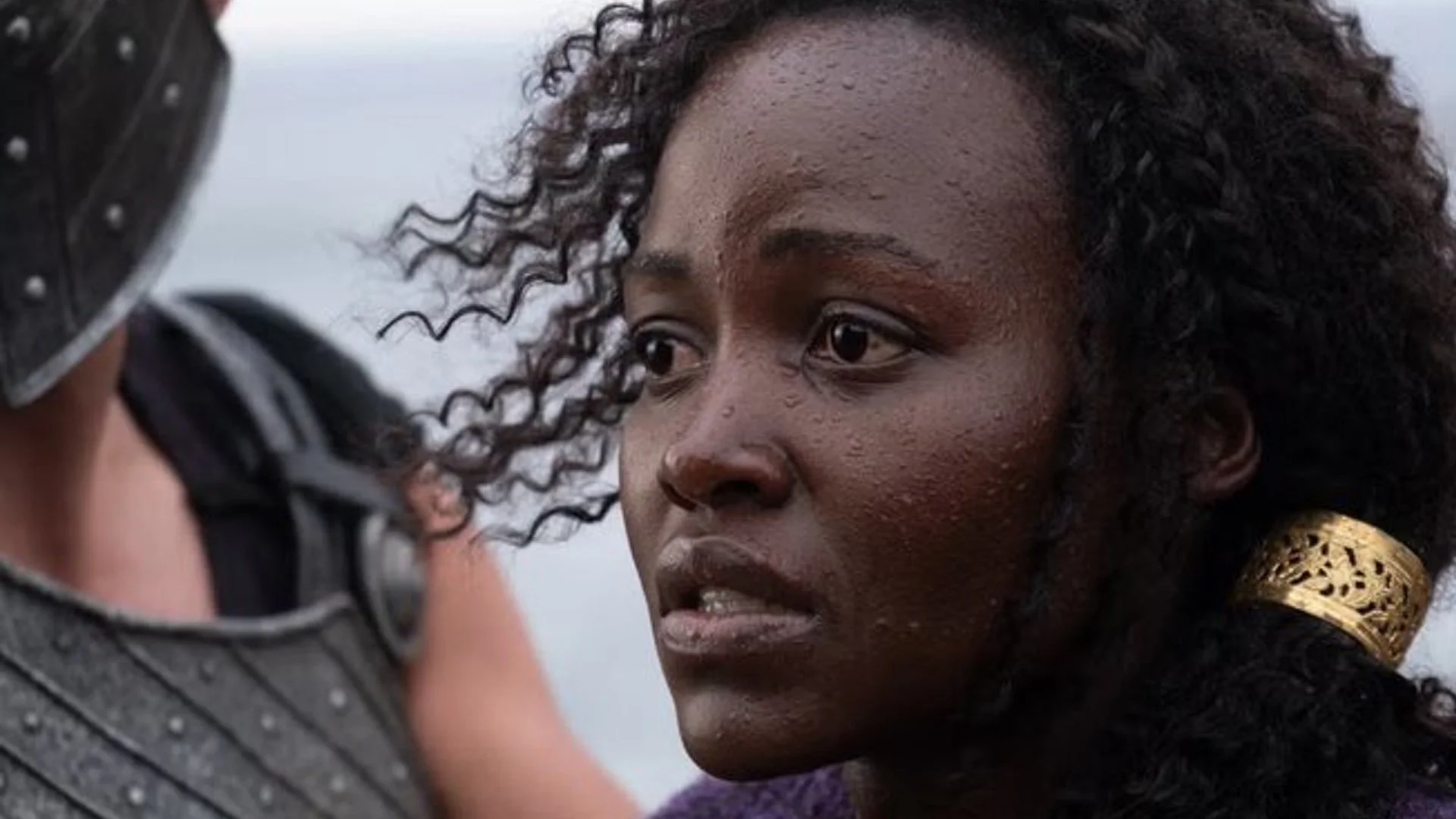
The Odyssey Movie Pictures Reveal a Bold New Mythic Vision
The recent release of production stills and promotional imagery for the latest adaptation of Homer’s epic, titled The Return, confirms a stark departure from traditional Hollywood spectacles. This bold new mythic vision prioritizes psy...
The recent release of production stills and promotional imagery for the latest adaptation of Homer’s epic, titled The Return, confirms a stark departure from traditional Hollywood spectacles. This bold new mythic vision prioritizes psychological realism and visceral textures over CGI-heavy fantasy, focusing on the harrowing domestic consequences of Odysseus’s homecoming to Ithaca after twenty years of war and wandering.
Contents
The cinematic landscape of 2026 has seen a significant shift toward "prestige myth-making," where classical stories are stripped of their gilded age romanticism to reveal the raw human elements beneath. The Odyssey movie pictures, directed by Uberto Pasolini and starring Ralph Fiennes and Juliette Binoche, signal that this version is not a retreading of the "greatest hits" of Greek monsters, but a focused, intimate look at trauma, fidelity, and the brutal reality of reclaiming a lost life.
A Departure from the Supernatural Spectacle
For decades, film adaptations of The Odyssey have leaned heavily into the fantastical. From the stop-motion skeletons of Ray Harryhausen to the high-budget digital chimeras of the late 1990s, the focus was often on the "Outer Journey"—the Cyclops, the Sirens, and Scylla. However, the visuals revealed for this new mythic vision suggest a radical pivot toward the "Inner Journey."
The imagery showcases a weathered, almost unrecognizable Odysseus (Ralph Fiennes). Gone are the gleaming bronze breastplates and the heroic posture of a conqueror. Instead, the pictures reveal a man who looks as though he has been carved out of the very salt and stone of the Mediterranean. This Odysseus is a shell-shocked veteran. By choosing to adapt the final stages of the poem—the arrival in Ithaca—Pasolini forces the audience to confront what it actually means to return from a twenty-year absence.
The "bold new vision" lies in its restraint. There are no glowing orbs of gods or sprawling digital armies. The mythic quality is found in the lighting, the shadows of the Ithacan palace, and the expressive, aging faces of its protagonists. This approach treats the Odyssey not as a fairy tale, but as a foundational text of human survival.
The Visual Language of Ithaca
The cinematography, handled by Marius Panduru, utilizes a desaturated palette that emphasizes the harshness of the Greek sun and the coldness of the stone halls. The pictures reveal a version of Ithaca that feels lived-in and decaying. This is a kingdom that has been under siege from within by suitors for a decade, and the visual evidence of that neglect is everywhere.
Texture and Materiality
One of the most striking aspects of the revealed images is the emphasis on texture. You can almost feel the grit of the sand, the coarseness of the homespun wool tunics, and the cold dampness of the cave where Odysseus first hides his treasures. This focus on materiality serves a specific narrative purpose: it anchors the myth in a recognizable physical reality. When we see the scars on Fiennes’s back or the weary lines around Binoche’s eyes, the stakes of the poem become personal rather than abstract.
The Role of Nature
The "mythic vision" also extends to how the film treats the Greek landscape. Rather than using sweeping, travelogue-style shots of the islands, the pictures suggest a claustrophobic relationship with nature. The sea is not a blue playground but a grey, indifferent barrier. The mountains are jagged and unforgiving. This reflects the ancient Greek concept of nostos (homecoming), which was often viewed as a painful, uphill struggle rather than a joyous return.
Casting the Pillars: Fiennes and Binoche
The choice to reunite Ralph Fiennes and Juliette Binoche (thirty years after The English Patient) is a masterstroke of casting that the promotional pictures lean into heavily. Their chemistry is not built on youthful passion but on the heavy, silent weight of shared history and prolonged separation.
- Ralph Fiennes as Odysseus: The pictures reveal a performance of stillness. Fiennes portrays an Odysseus who has seen too much to ever truly be at peace. His "bold vision" of the character eschews the "man of many wiles" persona in favor of the "man of many sorrows."
- Juliette Binoche as Penelope: In this adaptation, Penelope is no longer a passive weaver waiting to be rescued. The images show her as a ruler holding a fractured court together through sheer force of will. Her face reflects the toll of maintaining a facade of hope while surrounded by predators.
- Charlie Plummer as Telemachus: The younger generation is represented by a Telemachus who looks caught between a father he doesn't know and a world that demands he become a man before he is ready.
Technical Specifications and Production Design
The production of The Return opted for practical locations and authentic historical reconstructions. Unlike 2004's Troy or the 1997 Odyssey miniseries, there is a deliberate "lo-fi" aesthetic that increases the film's mythic weight. By removing the distraction of obvious visual effects, the film heightens the "uncanny" nature of the story—the sense that the gods might be present in a sudden gust of wind or a stray beggar’s riddle, rather than appearing as giant CGI entities.
| Feature | 1997 Miniseries Adaptation | 2026 The Return (The Odyssey) |
|---|---|---|
| Primary Focus | The full 20-year voyage and monsters | The homecoming and internal trauma |
| Visual Style | High-saturation, early CGI spectacle | Desaturated, practical, gritty realism |
| Odysseus Portrayal | Heroic, cunning, physically dominant | Traumatized, weathered, contemplative |
| Penelope's Role | Distant beacon of virtue | Active political and psychological lead |
| Gods/Magic | Explicitly shown on screen | Ambiguous, atmospheric, or psychological |
| Setting | Multiple Mediterranean locations | Concentrated mostly on the rugged Ithaca |
Understanding the "Bold New Mythic Vision"
What makes this vision "bold" in 2026 is its refusal to cater to the traditional "action-adventure" expectations of the epic genre. By labeling this as a "mythic vision," the creators are suggesting that myth is not about what is impossible, but about what is universal.
The pictures reveal a story about the difficulty of reconciliation. When Odysseus finally stands before Penelope, the images don't show a cinematic embrace. They show two strangers staring across a chasm of twenty years. This is the heart of the "new vision": recognizing that even a successful homecoming is a type of tragedy because the time lost can never be reclaimed.
The Psychology of the Suitors
The promotional images also give us a glimpse of the suitors. Often portrayed as caricatures of villainy, this version presents them as a tangible political threat—young, hungry, and dangerous men who have grown up in a power vacuum. Their presence in the palace feels like a simmering infection, making the eventual "mistery" (the slaughter of the suitors) feel less like a heroic triumph and more like a grim, necessary purging of a diseased state.
Why This Adaptation Matters Now
As we navigate the cultural landscape of 2026, there is a growing fatigue with "reboots" and "remakes" that simply add more pixels to old stories. The Return is gaining traction because it treats the Odyssey as a living document. It addresses themes that are particularly resonant today:
- The Veteran's Experience: How does a warrior reintegrate into a society that has moved on without him?
- The Female Perspective: What is the cost of "waiting," and how does a woman exercise power in a world of violent men?
- The Nature of Identity: Is Odysseus still the King of Ithaca if no one recognizes him, or is he simply the sum of his scars?
Frequently Asked Questions
Does this movie cover the Cyclops and the Sirens?
The film focuses primarily on the events of Odysseus's return to Ithaca. While the "adventures" are referenced through dialogue and haunting flashbacks, they are not the primary set-pieces of the film. The "bold vision" is specifically centered on the domestic and psychological climax of the epic.
How does Ralph Fiennes's performance differ from previous versions?
Fiennes plays Odysseus with a heavy emphasis on silence and "active observation." Previous versions often emphasized his cleverness through long speeches. In The Return, Fiennes uses his physicality to show a man who is constantly assessing threats, reflecting the hyper-vigilance of a long-term survivor.
Is the film historically accurate to the Bronze Age?
The production design leans into a "Late Bronze Age" aesthetic, using materials and architectural styles that reflect the era of the Mycenaean Greeks. However, it maintains a "mythic" quality that transcends strict archaeology to capture the timeless feel of the poem.
Why is the movie titled The Return instead of The Odyssey?
The title The Return (or Nostos) emphasizes the specific theme of the movie. It distinguishes itself from general adventure films by signaling that the story is about the struggle to come home, both physically and spiritually.
Who is the intended audience for this "mythic vision"?
The film is aimed at fans of prestige cinema, classical literature, and psychological dramas. It is less of a family-friendly adventure and more of a mature, "R-rated" exploration of the darker themes inherent in Homer's work.
Final Recommendation
To truly appreciate the "bold new mythic vision" revealed in these pictures, viewers should revisit the final third of Homer’s Odyssey (Books 13–24). Understanding the tension within the palace of Ithaca and the precariousness of Odysseus’s disguise will heighten the impact of Pasolini’s grounded, visceral direction. Look for The Return in select theaters and premium streaming platforms as it continues its 2026 awards-season run.
Image Gallery