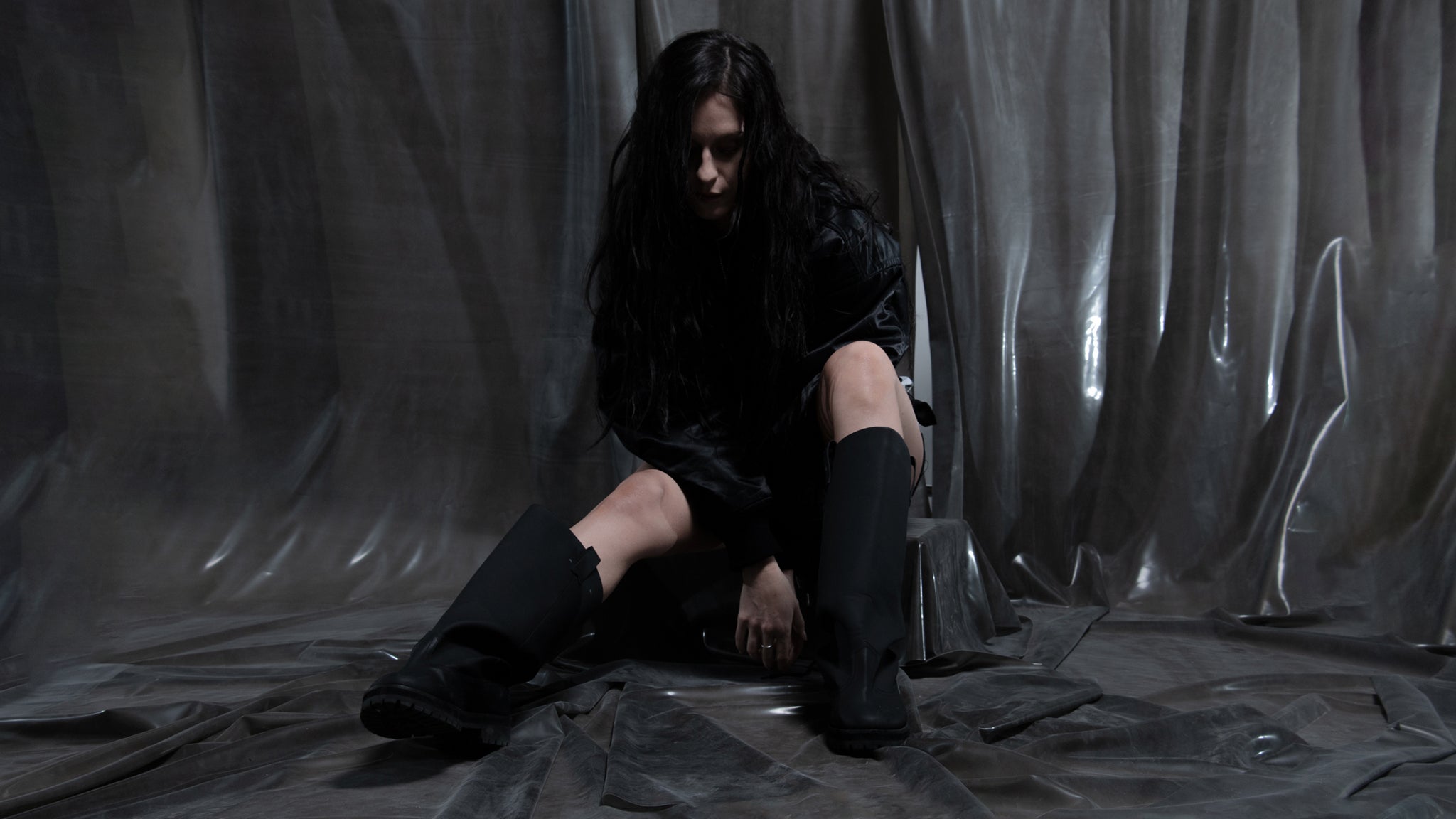
Why Clara La San’s Identity and Visibility Matter in Modern R&B
Clara La San’s identity matters because she represents a bridge between the anonymous SoundCloud era and the modern reclamation of R&B by Black and mixed-heritage British artists. As a singer-songwriter and producer of Mauritian and Br...
Clara La San’s identity matters because she represents a bridge between the anonymous SoundCloud era and the modern reclamation of R&B by Black and mixed-heritage British artists. As a singer-songwriter and producer of Mauritian and British descent, her visibility challenges the industry’s tendency to de-center Black women from the very genres they pioneered, specifically within the "alt-R&B" and electronic landscapes.
Contents
The Rise of Clara La San: From SoundCloud Mystery to R&B Icon
To understand why the discourse surrounding Clara La San's identity is so potent in 2026, one must look back at her trajectory. Emerging in the mid-2010s, Clara La San became a staple of the SoundCloud "underground." Her early tapes, such as Good Mourning, established a sound that was nostalgic yet futuristic—blending the technical vocal agility of 90s R&B with the hazy, atmospheric production of UK electronic music.
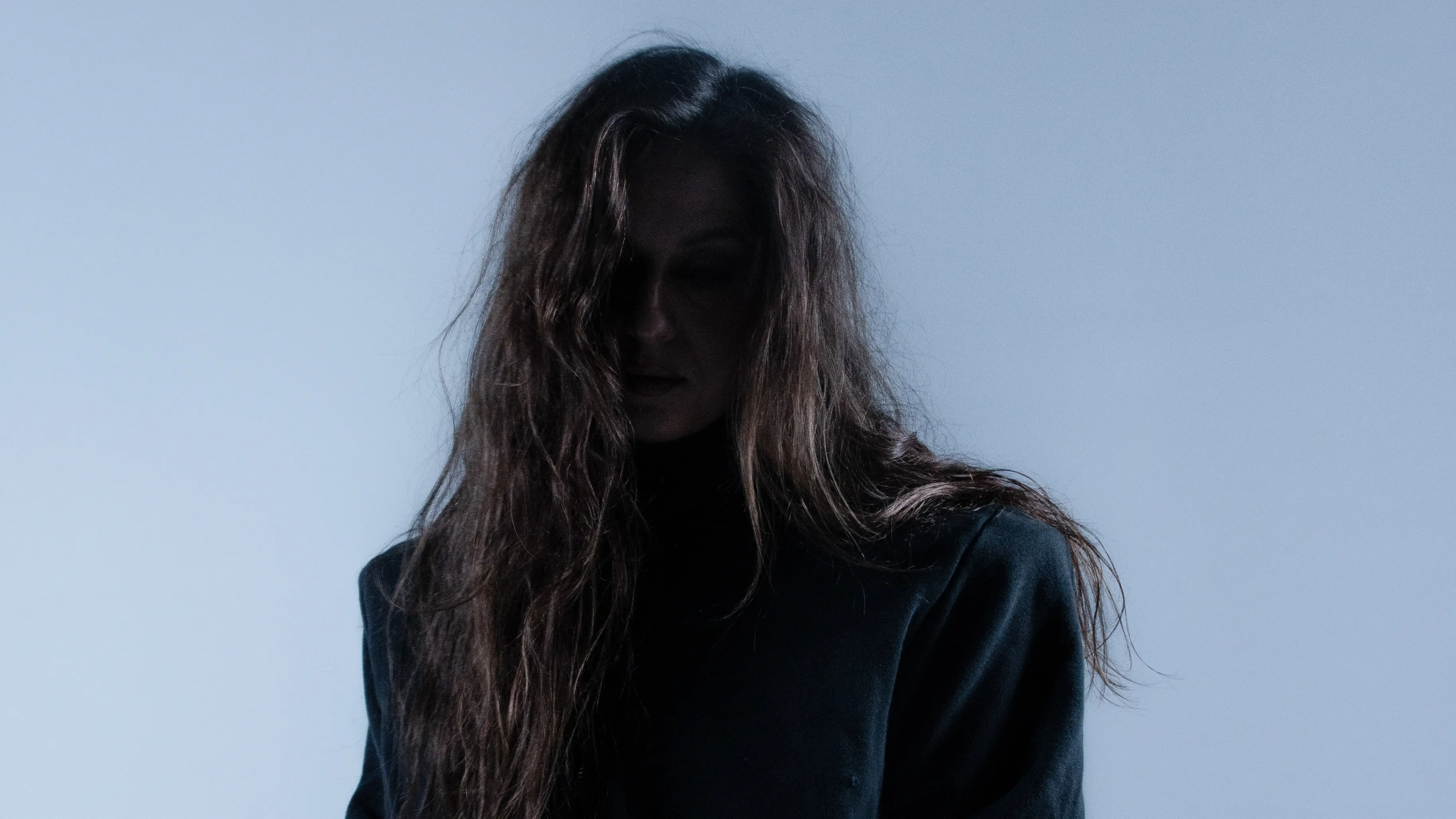
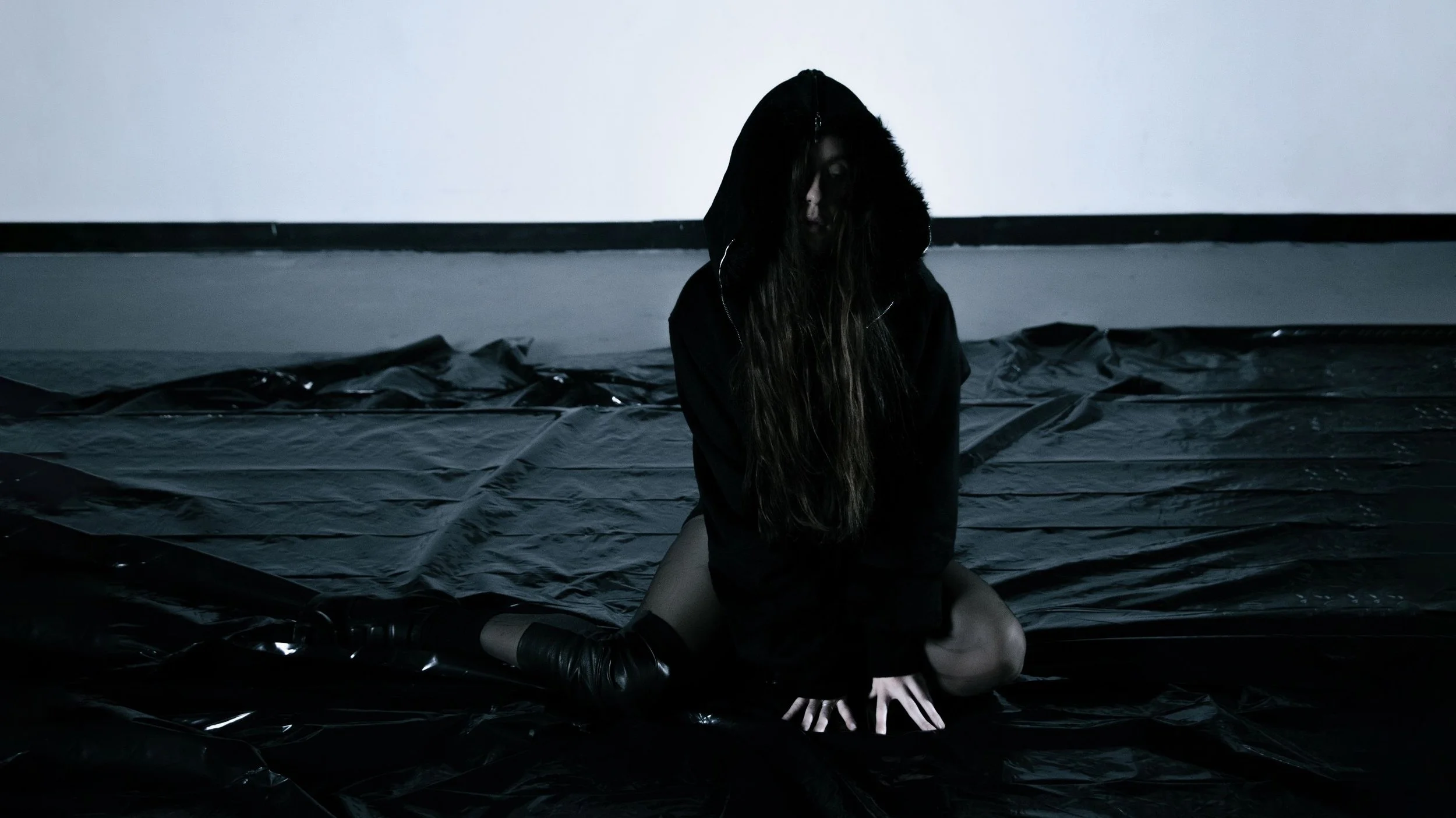
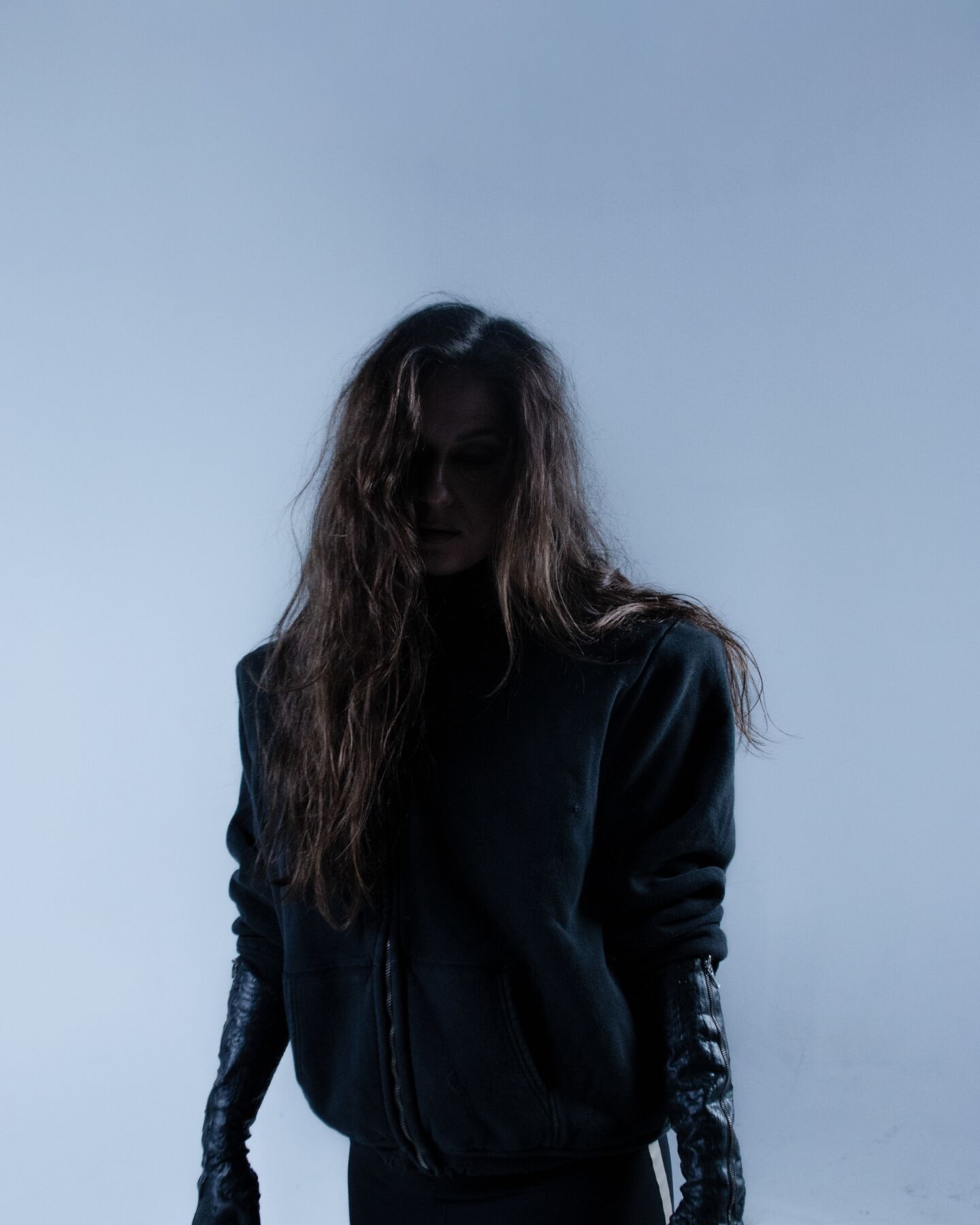
For nearly a decade, Clara La San operated with a degree of anonymity. This was a common trope during the "PBR&B" or "Alternative R&B" explosion, where artists like The Weeknd and H.E.R. initially hid their faces to let the music speak first. However, for Clara La San, this period of mystery created a vacuum of information that led to intense speculation about her background, her heritage, and her influences.
By the time she released her definitive studio album, Made My Way, in 2024, the landscape had shifted. The music industry was facing a reckoning regarding "culture vultures"—non-Black artists who adopt the vocal mannerisms and aesthetic of R&B without acknowledging its roots. Clara La San’s emergence as a woman of mixed Mauritian and Black heritage provided a sense of "narrative correction." It confirmed that the soul and technical precision in her music weren't just a curated "vibe," but a continuation of a specific cultural lineage.
The Cultural Significance of Black Representation in UK Electronic-R&B
The UK music scene has a long, often overlooked history of Black women driving the success of electronic and dance genres. From the soulful house of the 90s to the UK Garage (UKG) explosion of the early 2000s, Black female vocals have been the "glue" of the British underground. However, these women were frequently relegated to uncredited features or "faceless" session work.
Clara La San’s career path is a subversion of this trend. While she gained massive mainstream exposure through her collaboration with the electronic duo Bicep on the track "Water," she did not remain a guest vocalist in someone else's discography. By maintaining creative control and producing much of her own work, she asserts her place as an architect of her sound rather than a peripheral contributor.
Why Her Mauritian Heritage Matters
Clara La San has been vocal about her Mauritian roots, which adds a layer of intersectionality to the conversation about Black identity in the UK. Mauritius is a melting pot of African, Indian, and European influences. For many fans, seeing a Black-Mauritian woman succeed in a niche that often leans toward "Western-centric" R&B provides a broader representation of the African diaspora. It highlights that "Blackness" is not a monolith and that the UK R&B scene is enriched by these diverse, specific histories.
Authenticity vs. Aesthetic: Reclaiming the R&B Sound
One of the primary reasons the question of Clara La San's identity "matters" is the ongoing debate over the "gentrification" of R&B. In the early 2020s, a trend emerged where "moody" or "atmospheric" R&B was frequently marketed through artists who prioritized aesthetic over vocal ability or cultural connection to the genre.
Clara La San stands in contrast to this because:
- Vocal Lineage: Her phrasing and runs are deeply rooted in the tradition of singers like Brandy and Aaliyah—artists who treated the voice as an instrument.
- Production Knowledge: Unlike many of her peers, she is a producer. This technical depth means she isn't just "fitting into" a track; she is building the sonic world from the ground up.
- Narrative Integrity: Her lyrics often deal with autonomy, self-sufficiency, and the refusal to be commodified by the industry.
When an artist with such high technical proficiency is revealed to be a Black woman, it reinforces the fact that Black women are the innovators of this sound, not just the "inspiration" for it. It dismantles the "mystery artist" trope that can sometimes be used to market Black sounds through a more "racially ambiguous" or "neutral" lens.
Technical Artistry: Breaking the "Muse" Stereotype
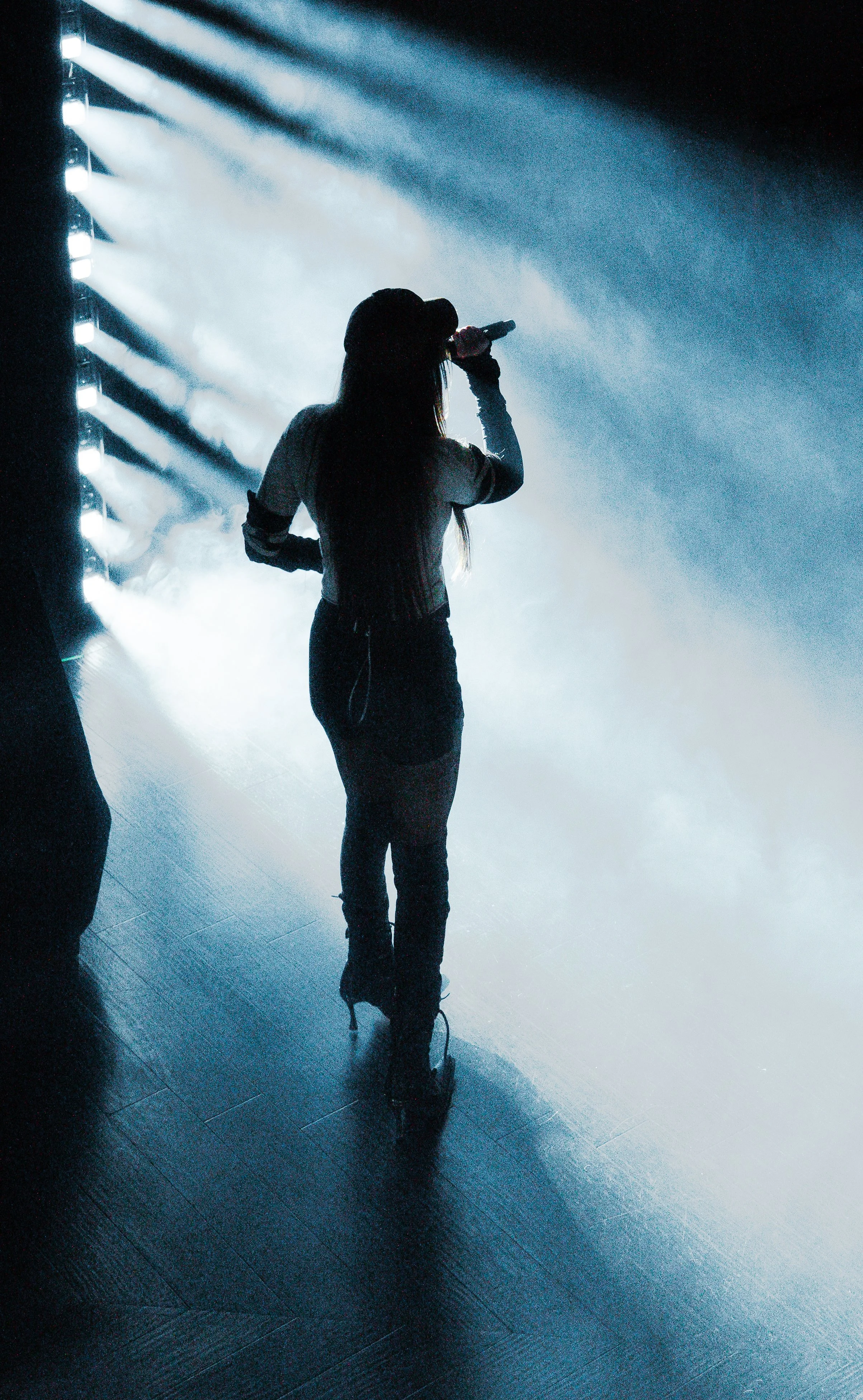
In the music industry, Black women are often framed as "muses"—the voice that brings a producer's vision to life. Clara La San’s identity as a self-contained artist (writer, singer, and producer) breaks this stereotype. In her 2024 and 2025 tours, she showcased a level of technical autonomy that is rarely credited to women in R&B.
The "Blackness" of her identity is tied to this reclamation of the "Auteur" title. Historically, Black artists have had to fight for the right to be seen as "geniuses" or "producers" rather than just "performers." By being a visible, Black-Mauritian woman who controls her masters and her production, Clara La San sets a precedent for the next generation of SoundCloud-born artists.
Evolution of Visibility and Career Milestones
| Era | Key Characteristic | Notable Work | Impact on Discourse |
|---|---|---|---|
| SoundCloud Era (2014-2018) | Total Anonymity | Good Mourning | Established her as a "cult" favorite; sparked heritage rumors. |
| Feature Era (2019-2022) | Collaborative Voice | Bicep - "Water" | Mainstream crossover; her voice became globally recognized. |
| Identity Reveal (2023-2024) | High Visibility | Made My Way (Album) | Confirmed her heritage; centered her in the UK R&B resurgence. |
| Legacy Building (2025-2026) | Established Auteur | Global Tours | Solidified her role as a self-produced icon in the electronic-soul space. |
Why the "Mystery" Was Eventually Shed
While anonymity served her well in the beginning, the decision to step into the light was a political one, whether intentional or not. In an era where AI can mimic R&B vocals and "vocal templates" are sold online, the physical presence of the artist matters more than ever.
For Clara La San, showing her face and owning her identity as a Black woman in 2026 serves as a "proof of work." It connects the ethereal, digital sound of her music to a human reality. It prevents her work from being categorized as "generic lo-fi" and anchors it in the tradition of British Black music. This visibility is essential for ensuring that the credits—both financial and cultural—stay with the creator.
Related Questions and Deep Dives
Is Clara La San an independent artist?
Clara La San has long championed the independent path, though she has utilized strategic partnerships for distribution. Her independence is central to her identity because it allows her to maintain the "purity" of her sound without label interference that might try to "pop-ify" her R&B roots. This autonomy is a significant part of why her career is cited as a blueprint for modern R&B artists who want to avoid the "industry plant" label.
What is the significance of the album "Made My Way"?
Released in 2024, Made My Way was the moment Clara La San transitioned from a "vocalist" to a "definitive artist." The album title itself is a statement of self-reliance. For the Black community and the UK music scene, this album proved that an artist could bypass traditional radio-friendly formulas and still achieve critical and commercial success through authentic R&B and electronic fusion.
How does her Mauritian background influence her music?
While her sound is heavily influenced by 90s American R&B and UK Garage, she has mentioned in interviews that her Mauritian heritage contributes to a "global" outlook on rhythm and melody. The polyrhythmic nature of some of her percussion and the "island-soul" undertones in her more melodic tracks can be traced back to the diverse musical environment of her upbringing.
Why was there controversy over her identity?
The "controversy," if any, was largely rooted in the "faceless" nature of her early career. In the absence of photos, some listeners assumed she was white or "racially ambiguous" due to the high-gloss, electronic nature of her production, which is often associated with white artists in the "indie-electronic" sphere. When she was revealed to be a Black woman, it challenged these internal biases about who creates "electronic" music versus who creates "soul" music.
Practical Recommendations for Listeners and Creators
For those following Clara La San’s journey or looking to understand the intersection of identity and music in 2026, the following steps are recommended:
- Listen Beyond the Features: To appreciate why her identity matters, listen to her self-produced solo work (like Made My Way) rather than just her features with Bicep or Bryson Tiller. This highlights her specific creative agency.
- Support Credits and Attribution: In the streaming age, Black female vocalists are often buried in the metadata. Always check the "Written By" and "Produced By" credits to see the extent of an artist's involvement.
- Explore the UK Garage/R&B Lineage: To understand Clara La San, one should research the history of the "Manchester Sound" and the role of Black women in the North of England’s music history.
- Acknowledge Heritage: When discussing Clara La San, acknowledging her Mauritian-British background is important for accurate representation, as it distinguishes her unique path within the broader Black British experience.
Clara La San’s identity is not just a footnote to her music; it is the foundation of her authenticity. By being a visible, successful, and self-produced Black woman, she ensures that the evolution of R&B remains firmly rooted in the culture that created it, even as it branches out into new, digital territories.
Image Gallery