Finding the Cheapest Full Coverage Auto Insurance in Phoenix Arizona
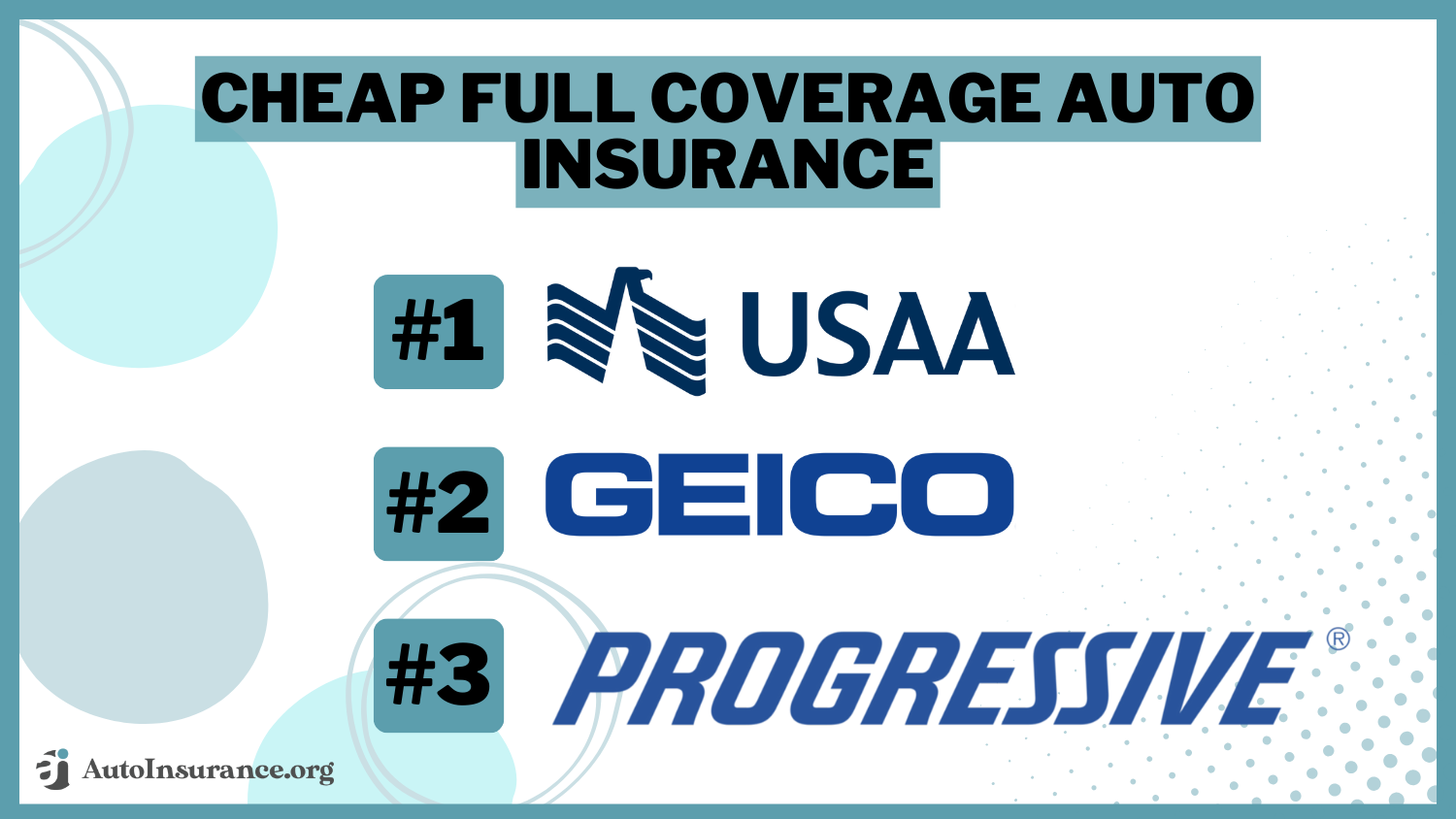
Finding the cheapest full coverage auto insurance in Phoenix, Arizona, requires comparing quotes from providers like GEICO, State Farm, and Progressive, which often lead the market in 2026. Drivers can secure the lowest rates by levera...
Finding the cheapest full coverage auto insurance in Phoenix, Arizona, requires comparing quotes from providers like GEICO, State Farm, and Progressive, which often lead the market in 2026. Drivers can secure the lowest rates by leveraging telematics, maintaining a high credit score, and selecting higher deductibles to offset Phoenix's rising premiums.
Contents
Understanding Full Coverage in the Phoenix Market
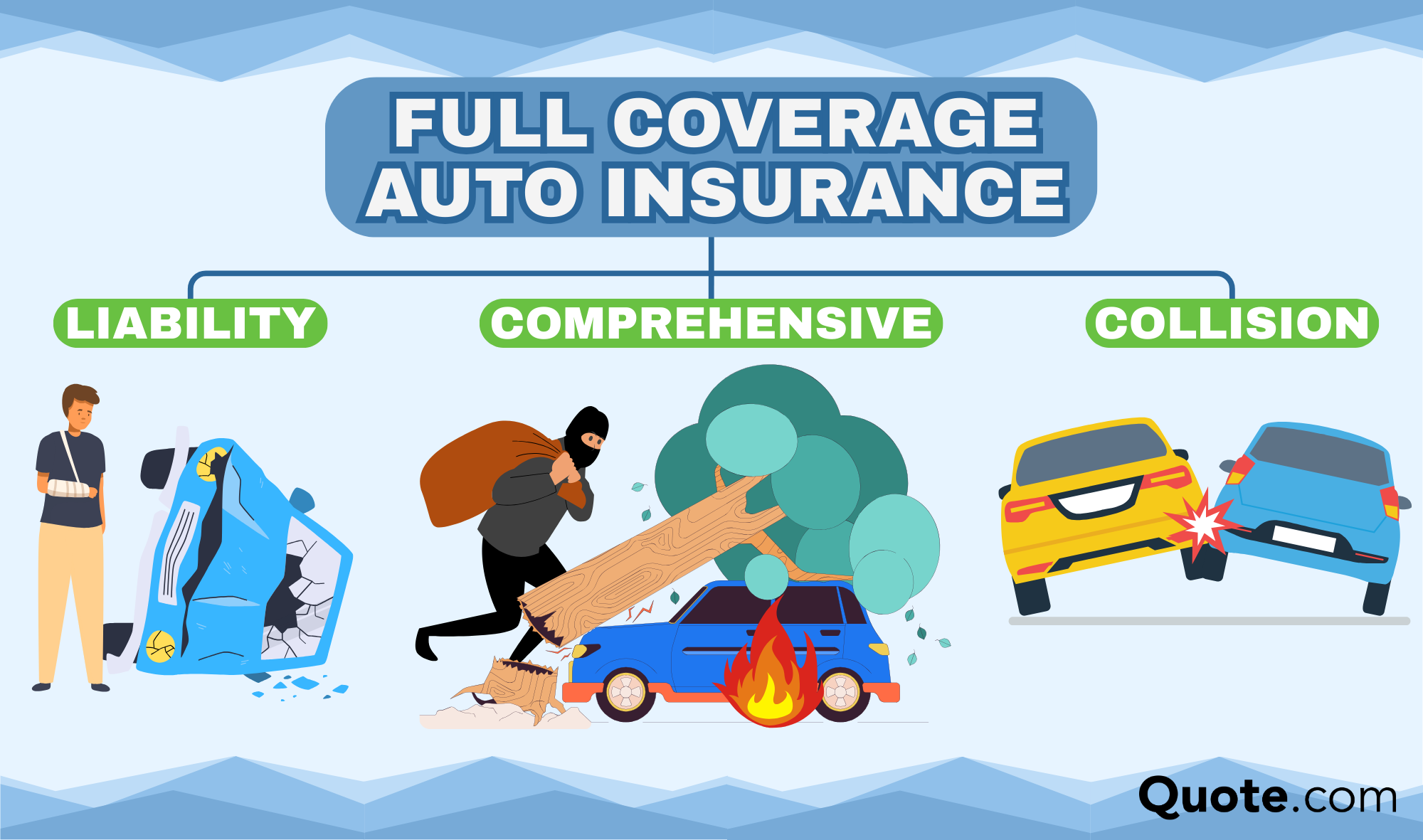
In the context of the Phoenix insurance market in 2026, "full coverage" is not a single policy but a combination of several different protections. While the State of Arizona only mandates liability insurance to cover damages you cause to others, a full coverage suite includes Liability, Collision, and Comprehensive insurance. In a sprawling metropolitan area like Phoenix—where the average commute involves high-speed freeway travel on the I-10 or Loop 101—carrying only the state minimum is often a significant financial risk.
Collision coverage pays for damage to your own vehicle resulting from an accident, regardless of fault. Comprehensive coverage protects against non-collision events, which are particularly relevant in the Sonoran Desert. This includes theft, vandalism, and damage from extreme weather events like monsoon-related flash flooding or microbursts. In 2026, as vehicle technology has become more sophisticated, the cost of repairing sensors and electric vehicle (EV) batteries has driven the "physical damage" portion of full coverage higher for Phoenix residents.
The Cost of Full Coverage in Phoenix for 2026
As of 2026, Phoenix remains one of the more expensive cities for auto insurance in the Southwest. This is attributed to high traffic density, a significant rate of uninsured motorists, and the city’s high vehicle theft rates. The average annual premium for full coverage in Phoenix currently ranges from $1,850 to $2,450, though these figures fluctuate based on the specific zip code within the Valley.
Insurers use complex algorithms to determine risk. In Phoenix, a driver in a quiet suburban neighborhood in North Phoenix (like 85032 or 85050) will likely pay significantly less than a driver in high-density areas near the city center or parts of the West Valley where accident frequencies are statistically higher. Furthermore, Arizona law allows insurance companies to use credit-based insurance scores to determine premiums. In 2026, this remains a primary factor; drivers with "Excellent" credit often pay 40% less than those with "Poor" credit for the exact same full coverage policy.
Top Providers for Affordable Full Coverage in Phoenix
While rates are highly individualized, certain carriers consistently offer the most competitive pricing in the Phoenix metropolitan area.
GEICO
GEICO often provides the lowest baseline rates for Phoenix drivers who prefer managing their policies through digital platforms. Their competitive edge in 2026 stems from aggressive bundling discounts and a streamlined claims process that reduces administrative overhead. They are particularly affordable for government employees and military members stationed at Luke Air Force Base.
State Farm
State Farm remains a dominant force in Arizona due to its extensive network of local agents. For drivers who want a balance between low cost and personalized service, State Farm is a top contender. They frequently offer the best rates for drivers with a clean record and those who utilize the "Drive Safe & Save" telematics program, which tracks driving habits in real-time.
Progressive
Progressive is often the most cost-effective choice for drivers who may have a less-than-perfect driving record, such as a prior speeding ticket or a minor at-fault accident. Their "Name Your Price" tool and Snapshot program allow Phoenix drivers to prove they are safe operators despite their history, potentially lowering the cost of full coverage significantly.
Auto-Owners Insurance
While not as widely advertised as the "Big Three," Auto-Owners Insurance frequently appears as a high-value option in Arizona. They operate through independent agents and often provide superior rates for homeowners who bundle their auto and property insurance, a common scenario for residents in Phoenix’s many planned communities.
Comparison of Estimated Annual Premiums (2026)
The following table provides an estimate of annual full coverage premiums in Phoenix based on a 35-year-old driver with a clean record and a 2023 mid-sized sedan.
| Insurance Carrier | Estimated Annual Premium | Primary Discount Opportunity |
|---|---|---|
| GEICO | $1,780 | Military & Federal Employee |
| State Farm | $1,895 | Drive Safe & Save (Telematics) |
| Progressive | $2,010 | Snapshot & Multi-Policy |
| Travelers | $2,150 | Hybrid/EV Vehicle Discount |
| AAA Arizona | $2,240 | Member Loyalty & Roadside Bundle |
| Farmers | $2,380 | Occupational Group Discounts |
Note: These figures are estimates for 2026. Actual quotes depend on specific driver profiles, vehicle types, and exact Phoenix zip codes.
Factors That Specifically Impact Phoenix Insurance Rates
To find the cheapest rates, it is essential to understand the local variables that Arizona insurers prioritize.
The Impact of Arizona's Tort System
Arizona operates under a "tort" or "at-fault" system. This means the person found responsible for an accident is liable for the damages. In Phoenix, where liability disputes are common due to heavy intersection traffic, insurers price their full coverage policies to account for potential legal defense costs. Drivers with high net worth often opt for higher liability limits (e.g., 100/300/100) to protect their assets, which increases the "full coverage" total but prevents catastrophic financial loss.
Uninsured and Underinsured Motorist Coverage
Arizona has historically had a high percentage of uninsured drivers. While not strictly part of "full coverage" in every definition, adding Uninsured Motorist (UM) and Underinsured Motorist (UIM) coverage is highly recommended in Phoenix. Most "cheap" quotes may exclude these to lower the sticker price, but omitting them leaves you vulnerable if you are hit by one of the many drivers in the Valley operating without insurance.
Weather and Environment
The extreme heat in Phoenix leads to unique mechanical risks, such as premature battery failure and tire blowouts. While standard insurance doesn't cover mechanical wear, it does cover accidents resulting from these failures. Furthermore, the "monsoon season" (June through September) brings localized flooding and dust storms (haboobs). Insurers in Phoenix factor these seasonal risks into the comprehensive portion of your premium.
Strategic Ways to Lower Full Coverage Costs in 2026
Achieving the lowest possible rate requires more than just picking a cheap company; it requires active policy management.
- Opt for Telematics: Most major insurers in Phoenix now offer "pay-how-you-drive" programs. By installing an app or a plug-in device, you can receive discounts of up to 30% based on your braking habits, speed, and the times of day you drive. If you avoid the peak-hour chaos of the I-17 or the US-60, telematics can save you hundreds of dollars.
- Adjust Your Deductibles: One of the fastest ways to lower your premium is to increase your deductible. Moving from a $500 deductible to a $1,000 deductible can reduce your collision and comprehensive costs by 15% to 25%. However, ensure you have this amount saved in an emergency fund.
- Audit Your Mileage: With the rise of remote work in the Phoenix tech corridor and Scottsdale, many drivers are using their vehicles less than they did five years ago. If you drive fewer than 7,500 miles annually, you may qualify for "low mileage" or "pay-per-mile" insurance through providers like Metromile or Allstate.
- Leverage Arizona’s Glass Coverage Law: Arizona is one of the few states where insurers are required to offer a "full glass" coverage option with no deductible. While this adds a small amount to your premium, in the gravel-heavy environment of Phoenix freeways, it often pays for itself by covering frequent windshield replacements without out-of-pocket costs.
Legal Requirements and Verification
When searching for insurance, ensure the provider is licensed to operate in the state. The Arizona Department of Insurance and Financial Institutions (DIFI) provides resources to verify a company's standing and complaint history. Under Arizona Revised Statutes § 28-4032, every motor vehicle operated on Arizona roads must be covered by a motor vehicle liability policy.
In 2026, Arizona law requires the following minimum liability limits:
- $25,000 for bodily injury to one person.
- $50,000 for bodily injury to two or more persons.
- $15,000 for property damage.
For "full coverage," these limits are typically exceeded to provide adequate protection for the vehicle owner's own assets and the vehicle's market value.
Common Mistakes to Avoid
- Comparing Only Monthly Payments: Some companies offer low monthly payments by requiring high upfront fees or providing inadequate limits. Always compare the total annual cost and the specific coverage limits.
- Ignoring Local Companies: While national brands have the biggest marketing budgets, local Arizona-based mutual companies sometimes offer lower rates for long-term desert residents.
- Forgetting to Update Your Address: Moving from Downtown Phoenix to a suburb like Chandler or Gilbert can change your rate significantly. Failing to update your address is considered insurance fraud and can lead to a denied claim.
Frequently Asked Questions
What is the cheapest insurance company for young drivers in Phoenix?
GEICO and Erie (if available through certain partnerships) are often the most affordable for drivers under 25. Young drivers in Phoenix can also significantly lower their rates by remaining on a parent's policy and qualifying for "Good Student" discounts, which require a 3.0 GPA or higher.
Does credit score affect my insurance rate in Phoenix?
Yes, heavily. Arizona allows insurers to use credit-based insurance scores. In 2026, Phoenix drivers with poor credit may pay nearly double what those with excellent credit pay for the same full coverage policy. Improving your credit score is one of the most effective long-term strategies for lowering insurance costs.
Is glass coverage included in full coverage in Arizona?
Not automatically. While "full coverage" usually includes comprehensive insurance, you must specifically select the "Safety Equipment" or "Full Glass" option to have a $0 deductible for windshield repairs. Given the amount of road debris on Phoenix freeways, this is a highly recommended addition.
Why is full coverage so much more expensive than liability in Phoenix?
Full coverage includes protection for your own vehicle (Collision and Comprehensive), whereas liability only pays for others. Because Phoenix has high repair labor rates and a high frequency of weather-related claims (sun damage, hail, and flooding), the cost to insure the vehicle itself is substantial.
Can I get cheap full coverage if I have a DUI in Arizona?
Finding cheap insurance with a DUI is challenging in Phoenix. Progressive and specialized "non-standard" insurers like SR22-focused providers are usually the best options. Drivers will likely be required to file an SR-22 certificate with the Arizona Department of Transportation (ADOT) to prove financial responsibility.
Final Recommendation for Phoenix Drivers
To find the cheapest full coverage auto insurance in Phoenix in 2026, your first step should be to gather your current policy’s "Declarations Page" to ensure you are comparing identical coverage limits. Use an online comparison tool to get quotes from at least three national carriers (like GEICO and Progressive) and one regional provider. Once you have the lowest base quote, ask about telematics programs and professional group discounts (such as for teachers, healthcare workers, or engineers). Finally, review your deductibles; if you can afford a $1,000 out-of-pocket expense, choosing that over a $500 deductible will consistently provide the lowest monthly premium in the Phoenix market.
Image Gallery