The Truth Behind Point Break’s Final Scene: Is it Really Bells Beach, Victoria?
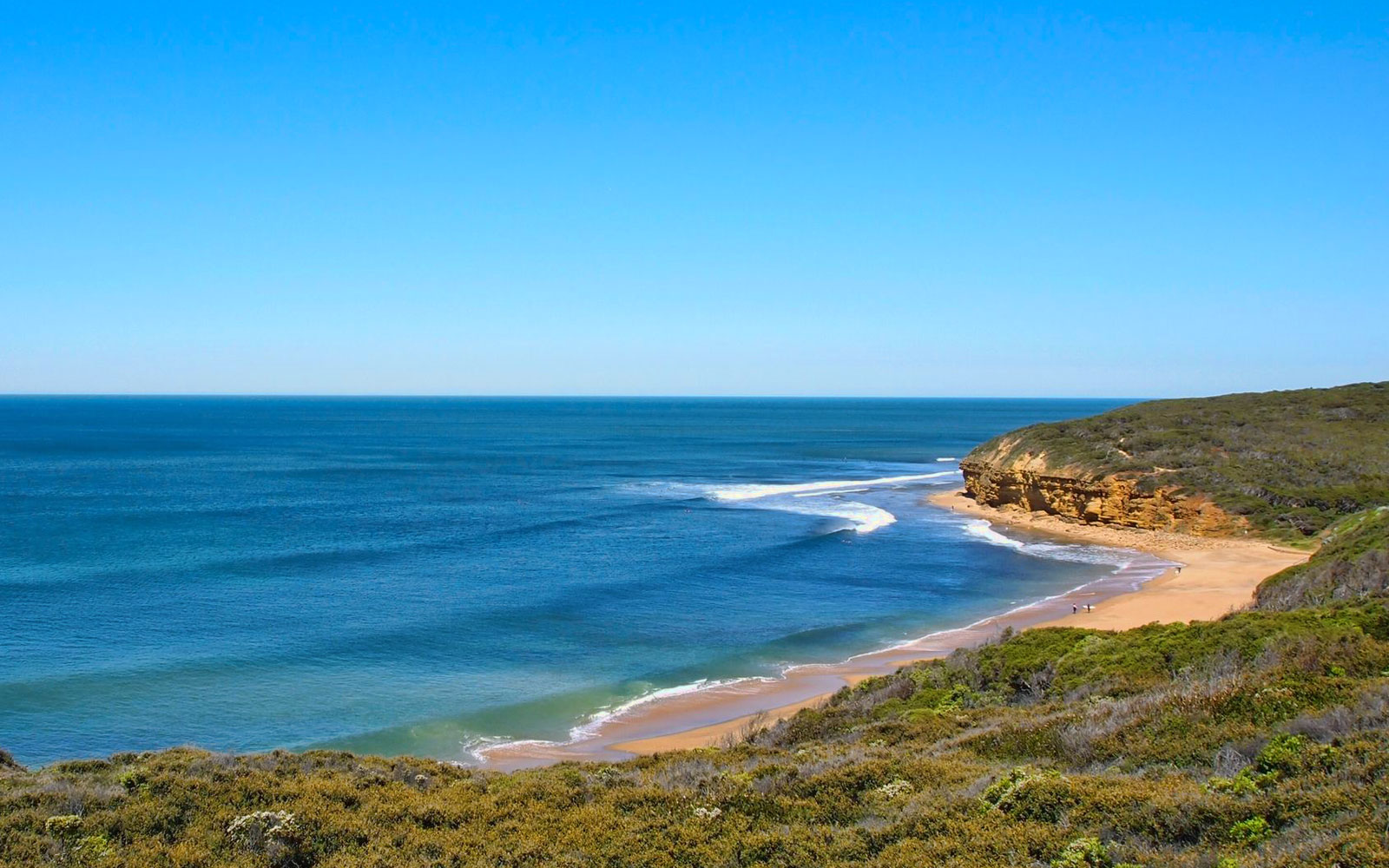
In the cinematic climax of the 1991 cult classic Point Break, the narrative places the final confrontation between Johnny Utah and Bodhi at Bells Beach, Victoria, Australia. However, while the story identifies the location as Australia...
In the cinematic climax of the 1991 cult classic Point Break, the narrative places the final confrontation between Johnny Utah and Bodhi at Bells Beach, Victoria, Australia. However, while the story identifies the location as Australia’s premier surf break during a legendary "50-Year Storm," the actual filming took place at Indian Beach in Ecola State Park, Oregon.
Contents
The discrepancy between the film's fictional setting and its physical filming location has become a cornerstone of surf-cinema trivia. For fans and travelers in 2026, understanding this distinction is essential for any pilgrimage to these iconic sites. While the narrative spirit of the scene belongs to the rugged coast of Victoria, the visual backdrop—defined by misty cliffs and dark, churning water—is pure Pacific Northwest.
The Narrative Choice: Why Bells Beach, Victoria?
To understand why director Kathryn Bigelow and the screenwriters chose Bells Beach as the ultimate destination for Bodhi (Patrick Swayze), one must look at the cultural geography of surfing. Located on the Surf Coast of Victoria, Australia, Bells Beach is not merely a location; it is a cathedral of high-performance surfing.
In the film's lore, Bodhi is chasing the "50-Year Storm," a mythical weather event capable of producing waves of unprecedented magnitude. In reality, Bells Beach is famous for its long, powerful right-hand breaks that wrap around the limestone cliffs. By placing the finale at Bells, the filmmakers tapped into the global prestige of the Rip Curl Pro—the world's longest-running surf competition—elevating Bodhi’s final act from a simple escape to a spiritual quest for the ultimate ride.
The Significance of the "50-Year Storm"
In the context of the screenplay, Bells Beach represents the end of the line. It is the geographic opposite of the sunny, crowded breaks of Southern California where the film begins. By moving the setting to the cold, wild Southern Ocean, the film transitions from an action-thriller into a tragedy. The fictionalized Bells Beach serves as a symbol of nature’s untamable power, a force that Bodhi respects more than human law.
The Filming Reality: Indian Beach, Oregon
Despite the dialogue explicitly naming Victoria, Australia, the production team faced logistical and aesthetic challenges that led them to the Oregon coast. As of 2026, Indian Beach remains a popular destination for film buffs, as it provided the moody, atmospheric look required for the film's somber ending.
Aesthetic Similarities and Differences
The choice of Indian Beach was driven by the need for a "grey" aesthetic. The Southern Ocean in Australia can indeed be dark and violent, but the Oregon coast offered a consistent mist and ruggedness that suited the 35mm film stock and the lighting design of cinematographer Donald Peterman.
- Rock Formations: Indian Beach features prominent basalt sea stacks, which differ significantly from the orange-hued limestone cliffs of the real Bells Beach.
- Vegetation: The temperate rainforest backdrop of Ecola State Park is distinctly North American, featuring Sitka spruce and Douglas fir, whereas the Victoria coastline is characterized by low-lying heathland and scrub.
- Water Temperature: While both locations are cold, the visual "texture" of the Pacific Northwest water often appears more viscous and darker on screen, enhancing the "50-Year Storm" effect.
Technical Comparison: Bells Beach vs. Indian Beach
For surf enthusiasts and location scouts, the physical characteristics of these two beaches are vastly different. The following table outlines the technical specifications of both the fictional and actual locations as they stand in 2026.
| Feature | Bells Beach (Narrative Setting) | Indian Beach (Filming Location) |
|---|---|---|
| Location | Victoria, Australia | Oregon, USA |
| Surf Type | Right-hand point/reef break | Beach break with rock outcroppings |
| Geology | Limestone cliffs, clay-based soil | Basalt sea stacks, volcanic rock |
| Water Temp (Avg) | 14°C – 18°C (57°F – 64°F) | 8°C – 13°C (46°F – 55°F) |
| Primary Swell | Long-period Southern Ocean swells | Short to mid-period Pacific swells |
| Accessibility | Via Great Ocean Road (Torquay) | Via Ecola State Park (Cannon Beach) |
| Cinematic History | Point Break (Setting Only) | Point Break, Twilight, The Goonies |
The Legacy of the Final Scene in Victoria
Even though the cameras never rolled at Bells Beach for the 1991 production, the film had a profound impact on the local tourism industry in Victoria. For decades, international visitors have arrived in Torquay expecting to see the exact rock where Keanu Reeves’ character, Johnny Utah, threw his FBI badge into the ocean.
The "Point Break" Effect on Australian Surf Tourism
The Victorian government and local tourism boards have historically leaned into the connection. In 2026, the Surf Coast remains a high-value destination, partly because of the cinematic mythology established by Hollywood. The real Bells Beach is part of a protected surfing reserve—the first of its kind in the world—ensuring that the "wild" nature depicted in the film is preserved, even if the specific rock formations don't match the movie.
Environmental and Practical Considerations for 2026 Visitors
If you are planning to visit either location in 2026, there are updated environmental regulations and access requirements to consider. Both sites have implemented stricter conservation measures to handle the influx of "set-jetters" and surf tourists.
Visiting Bells Beach, Victoria
As of 2026, Bells Beach is managed under the Bells Beach Surfing Reserve Management Plan. Visitors must adhere to strict "leave no trace" principles.
- Parking: During peak season or the Rip Curl Pro, parking at the main Bells lot is restricted. Use the walking tracks from Jan Juc for a more scenic experience.
- Viewing Platforms: New elevated boardwalks have been installed to prevent cliff erosion. These offer the best vantage points for photographers.
- Surfing Etiquette: Bells is a high-level break. If you are not an experienced surfer, it is safer to watch from the cliffs rather than paddle out into the heavy swells.
Visiting Indian Beach, Oregon
Located within Ecola State Park, Indian Beach requires a day-use permit.
- Reconstruction Updates: Following several years of trail repairs due to landslides, the main access road to Indian Beach is fully operational in 2026.
- Cinematic Landmarks: While the "shack" seen in the film was a temporary prop, the rock where the final fight occurs is easily identifiable at the northern end of the beach during low tide.
- Safety: The Oregon coast is notorious for "sneaker waves." Never turn your back on the ocean while exploring the tide pools or the shoreline.
Why the Discrepancy Matters to Film History
The decision to sub Oregon for Australia was not just about budget; it was about the evolution of the action genre. Kathryn Bigelow wanted to capture the "sublime"—a philosophical concept where beauty and terror coexist. The real Bells Beach, while magnificent, often enjoys bright sunshine and clear blue water, which would have undercut the "Point Break" ending's tragic tone.
By using the rain-soaked, moody environment of Oregon, Bigelow created a version of Australia that lived up to the internal emotional state of the characters. This technique, known as "geographic doubling," is common in Hollywood, yet few films have executed it as convincingly as Point Break. The 2015 remake attempted to film in actual world-class locations (including Teahupo'o and Jaws), but many critics argue it lost the atmospheric soul that the 1991 version achieved through its Oregon-based "Australian" finale.
Common Misconceptions and Trivia
- The Badge Toss: The iconic moment where Utah tosses his badge was filmed at Indian Beach. In 2026, local lore in Oregon still claims that prop badges are occasionally found in the sand, though these are likely fan-made replicas left as tributes.
- The Waves: The massive waves seen in the "Bells Beach" scene were a mix of footage from Waimea Bay, Hawaii, and practical effects. Neither Oregon nor the real Bells Beach typically produces the specific "mountain of water" look seen in the final 50-year storm shots without extreme conditions.
- The "Australian" Extras: Many of the "Australian" police officers in the scene were actually local Oregonians or California-based actors using coached accents.
Frequently Asked Questions
Was any part of Point Break actually filmed in Australia?
No. Despite the film being set in Los Angeles and the finale in Victoria, Australia, the production was filmed almost entirely in California, Hawaii, and Oregon. The Australian scenes were recreated using the rugged coastline of the Pacific Northwest.
Can I surf the "50-Year Storm" waves at Bells Beach today?
While the 50-year storm is a fictional narrative device, Bells Beach does experience massive swells, particularly during the winter months (June–August). However, the waves depicted in the movie are exaggerated for cinematic effect. In 2026, professional surfers still consider Bells one of the most challenging and rewarding breaks in the world.
How do I get to the exact spot where the final scene was filmed?
You need to travel to Indian Beach in Ecola State Park, Oregon. Follow the trail down from the main parking lot to the beach. The rocky area at the north end of the beach is where the majority of the confrontation between Johnny Utah and Bodhi was staged.
Is the Rip Curl Pro held at the same beach seen in the movie?
The Rip Curl Pro is held at the real Bells Beach in Victoria, Australia. If you visit during Easter, you will see the actual location the characters were talking about, but it will look different from the beach shown in the film.
Why didn't they just film in Australia?
In 1990 and 1991, the cost of moving a full Hollywood production crew to Australia was significantly higher than it is today. Additionally, the production needed a specific "stormy" look that was more easily guaranteed in the Pacific Northwest than on the Australian coast during their filming window.
Final Recommendation for Fans
For the ultimate Point Break experience in 2026, you should consider a dual pilgrimage. Visit Bells Beach, Victoria, to experience the genuine culture, power, and history of Australian surfing that inspired the script. Then, visit Indian Beach, Oregon, to stand in the actual physical footprints of Patrick Swayze and Keanu Reeves. Understanding the duality of these locations provides a deeper appreciation for how cinema blends reality and fiction to create legendary myths.
Image Gallery