What the Peter Berg Director Debate Reveals About Modern Filmmaking
The debate surrounding director Peter Berg reveals a fundamental tension in modern filmmaking between high-gloss spectacle and "tactile realism." By 2026, his career serves as a primary case study for the survival of mid-budget adult d...
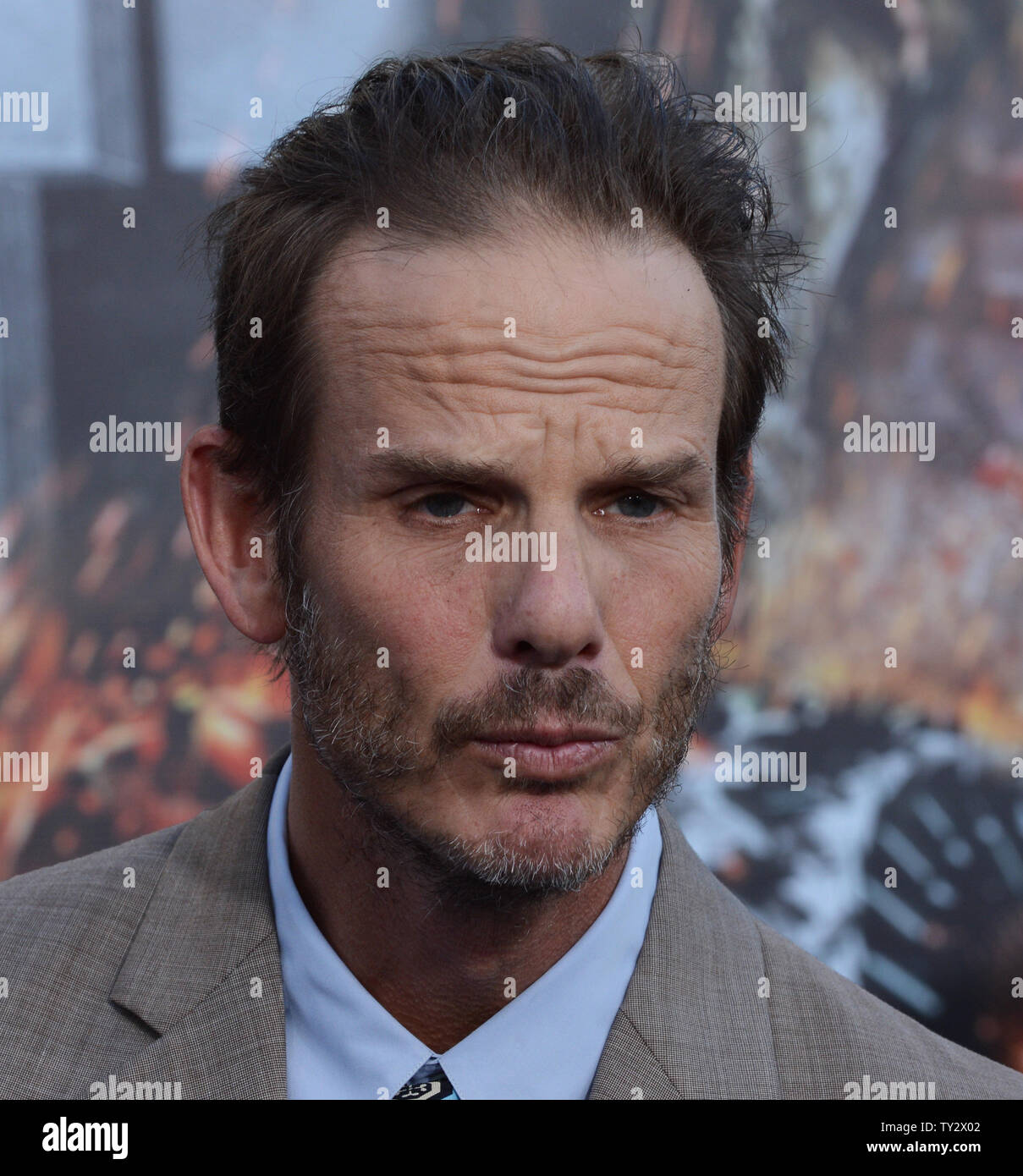
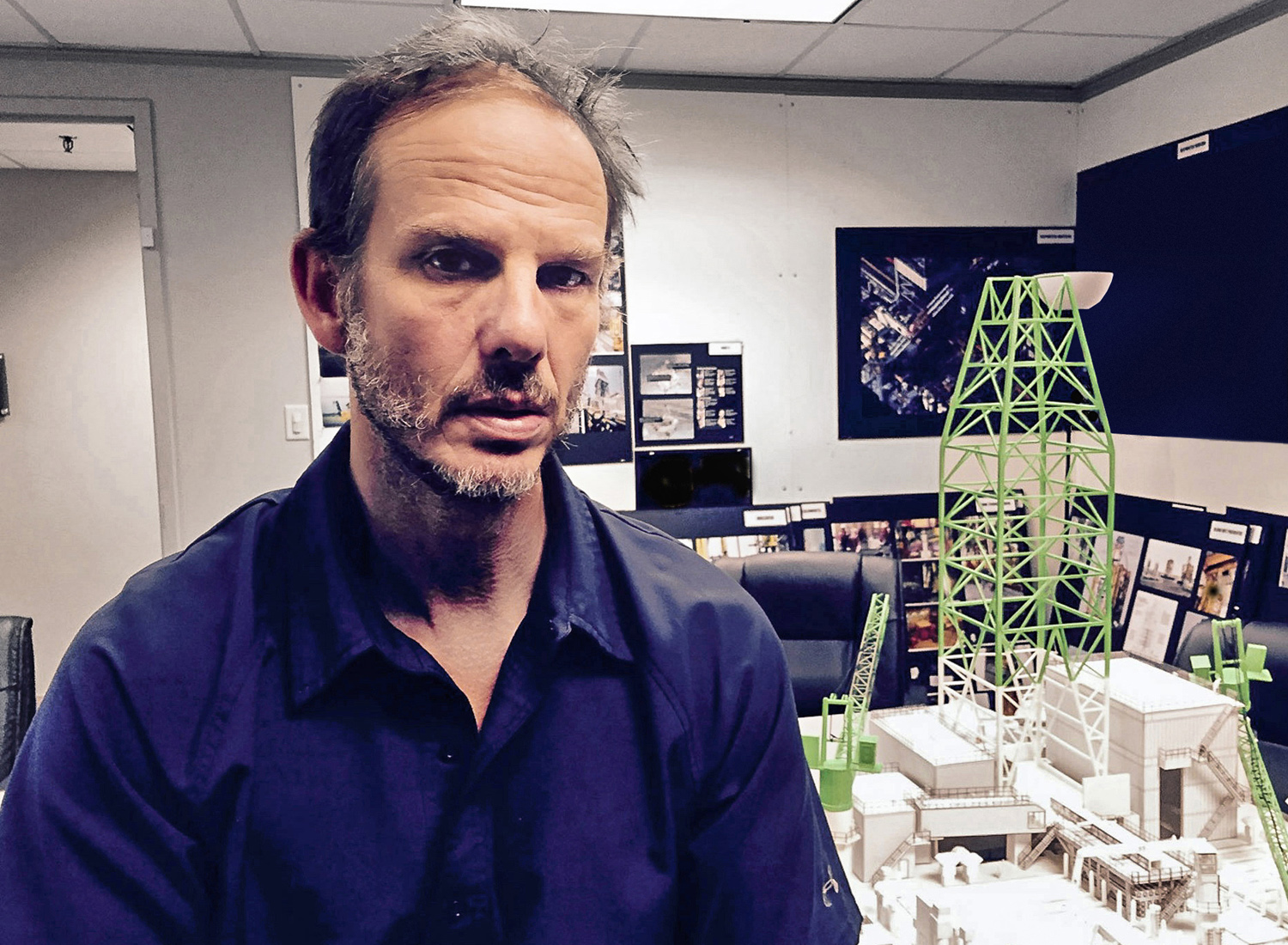
The debate surrounding director Peter Berg reveals a fundamental tension in modern filmmaking between high-gloss spectacle and "tactile realism." By 2026, his career serves as a primary case study for the survival of mid-budget adult dramas, the evolving portrayal of the American "everyman," and the industry's shift toward hyper-authentic, procedural-driven storytelling in an era dominated by digital artifice.
Contents
The "Berg-ism" Aesthetic: Realism vs. Stylization
At the heart of the Peter Berg debate is a specific directorial language often referred to as "Berg-isms." Since his breakout with Friday Night Lights (2004), Berg has championed a documentary-style approach characterized by multiple handheld cameras, overlapping naturalistic dialogue, and an avoidance of traditional "movie lighting." This style is not merely an aesthetic choice; it is a philosophical stance on how modern stories should be told.
In the 2026 cinematic landscape, where generative AI and heavy CGI often distance the audience from the physical reality of a scene, Berg’s insistence on "tactile cinema" has become a point of contention and admiration. Critics often argue whether this style enhances the emotional truth of a story or simply masks a lack of formal composition. However, for the modern filmmaker, Berg provides a blueprint for creating immersion. By filming in real locations—such as the actual oil rigs for Deepwater Horizon or the streets of Boston for Patriots Day—he prioritizes a visceral connection over polished perfection.
This approach reveals that modern audiences are increasingly bifurcated. One segment craves the escapism of the "Uncanny Valley," while another seeks the "Sweat and Grit" of Berg’s filmography. The debate suggests that the director's greatest contribution is the "proceduralization" of action—showing exactly how a machine works, how a soldier cleans a rifle, or how a medic applies a tourniquet—thereby grounding the film in technical reality.
The Mid-Budget Survivalist in a Blockbuster World
For years, industry analysts have lamented the "death of the middle"—the disappearance of movies budgeted between $40 million and $100 million. Peter Berg has remained one of the few directors capable of consistently operating in this "danger zone." His ability to do so reveals a crucial survival strategy in modern filmmaking: the marriage of star power with institutional efficiency.
Berg’s long-standing partnership with Mark Wahlberg is central to this debate. To some, it represents a repetitive "Blue-Collar Cinematic Universe." To others, it is a masterclass in production stability. By 2026, the "Berg-Wahlberg" model has proven that a mid-budget film can survive if it targets a specific, underserved demographic—often referred to as "Dad Cinema" or "Heartland Thrillers."
The debate over his filmography highlights a shift in how studios view risk. Berg’s films often perform modestly at the domestic box office but find a massive second life on streaming platforms. This "long-tail" viability shows that modern filmmaking is no longer just about the opening weekend; it is about creating "utility content" that viewers return to for its reliability and familiar tone.
Comparison of Directorial Approaches in Modern Action
The following table compares Berg’s "Tactile Realism" with other dominant styles in the 2026 film industry to illustrate his unique position in the debate.
| Feature | Peter Berg (Tactile Realism) | Michael Bay (Kinetic Gloss) | Paul Greengrass (Verite Thriller) | Marvel/IP Model (Digital Spectacle) |
|---|---|---|---|---|
| Camera Work | Multi-cam handheld, reactive | High-speed tracking, low angles | Shaky-cam, frantic cutting | Controlled, often virtual |
| Lead Protagonist | Blue-collar professional | Larger-than-life hero | Displaced expert/everyman | Superpowered/Archetypal |
| Primary Theme | Professionalism and grit | Patriotism and scale | Political institutional failure | Heroic journey/Legacy |
| Visual Texture | Gritty, naturalistic, dirty | High saturation, "orange/teal" | Cold, muted, industrial | Clean, high-dynamic range |
| Setting | Recreated real-world events | Stylized global locations | International hubs | Fictional/Green-screen worlds |
The Politics of the "Everyman" and Global Reception
A significant portion of the Peter Berg debate centers on the political undertones of his work. His films frequently celebrate American first responders, military personnel, and industrial workers. In a globalized film market, this focus has drawn both praise for its sincerity and criticism for perceived jingoism.
However, looking at the industry in 2026, Berg’s work reveals a deeper truth about modern filmmaking: the "niche-ification" of the audience. Berg does not attempt to please everyone. By leaning into stories of American resilience, he secures a dedicated domestic base. Critics argue that this limits the "artistic growth" of his films, yet from a business perspective, it creates a brand identity that is increasingly rare.
Modern filmmaking often struggles with the "identity of the protagonist." While many films attempt to deconstruct the hero, Berg doubles down on the "competence porn" aspect of heroism—the idea that being good at your job is the highest form of virtue. This focus on professionalism over personal angst is what defines the "Bergian Hero" and explains why his films, like Lone Survivor and The Kingdom, remain touchstones for a specific segment of the movie-going public.
Technical Mastery and the Procedural Narrative
The debate often overlooks Berg’s technical evolution. Beyond the handheld cameras, Berg has become a pioneer in integrating "procedural" elements into narrative film. A Berg film often functions as a crash course in a specific industry. In Deepwater Horizon, the first hour is almost entirely dedicated to the mechanics of oil drilling. In Patriots Day, the focus is on the forensic logistics of a manhunt.
This reveals a modern audience's fascination with "how things work." In an age of information overload, filmmaking that simplifies and dramatizes complex systems—whether they be military, industrial, or medical—provides a unique form of satisfaction. Berg’s work suggests that "process" can be just as compelling as "plot."
For aspiring filmmakers, the lesson from the Berg debate is the importance of research and authenticity. Even his most criticized films, such as Battleship, are noted for their technical collaboration with actual naval personnel. This commitment to "getting it right" (or at least making it look right) is a hallmark of his directorial brand that has allowed him to maintain a career across decades of industry upheaval.
The Streaming Pivot and the Future of the Action Genre
As of 2026, Peter Berg’s move toward streaming-first releases (such as his work with Netflix on Spenser Confidential) illustrates the final stage of the debate: where does "tough-guy cinema" live? The theatrical experience is increasingly reserved for "event movies" (superheroes, sequels, horror). Berg’s filmography suggests that the gritty, character-driven action movie has found its permanent home on the small screen.
This transition reveals a change in the "visual grammar" of modern film. Streaming audiences prefer closer shots, faster pacing, and clear stakes—all hallmarks of Berg’s style. The debate about whether he is a "cinematic" director becomes moot when his films are viewed by tens of millions on mobile devices and home theaters. He has adapted his "Berg-isms" for the medium that most effectively reaches his audience.
FAQs About Peter Berg and Modern Filmmaking
Why is Peter Berg’s directing style often compared to Paul Greengrass?
Both directors utilize a handheld, documentary-style aesthetic and often focus on real-world events. However, while Greengrass (the Bourne series) uses "shaky-cam" to create a sense of frantic kineticism and disorientation, Berg uses it to simulate a "fly-on-the-wall" perspective of professional processes. Berg’s work tends to be more focused on the technical competence of his characters, whereas Greengrass often explores the systemic failures of government or intelligence agencies.
Is Peter Berg considered a "political" filmmaker?
While Berg often describes himself as a storyteller first, his choice of subjects—specifically American military and industrial workers—inevitably invites political interpretation. The debate usually centers on whether his films are "pro-establishment" or simply "pro-worker." In 2026, his work is generally viewed as part of a "New Realism" movement that honors the individual within the system, rather than critiquing the system itself.
How has the Berg-Wahlberg partnership affected his reputation?
The partnership is one of the most prolific in modern Hollywood, spanning over a decade. It has created a consistent "brand" that audiences recognize. Critics argue it has led to a formulaic approach where Wahlberg plays a variation of the same "competent underdog" in every film. However, from a production standpoint, this partnership allows for faster shooting schedules and lower overhead, as the duo has a shorthand that minimizes conflict on set.
What is the "Blue-Collar Cinematic Universe"?
This is a colloquial term used by film critics to describe Berg’s series of films based on real-life American tragedies and triumphs (e.g., Lone Survivor, Deepwater Horizon, Patriots Day). These films share a common theme of the "ordinary person in an extraordinary situation" and emphasize manual labor, technical skill, and physical endurance.
How does Berg’s work influence young filmmakers in 2026?
Berg’s influence is most seen in the rise of "micro-procedural" content. Filmmakers today use his techniques of overlapping dialogue and multi-camera setups to create high-intensity scenes on lower budgets. His career demonstrates that you can build a massive brand by mastering a specific niche and maintaining a high level of technical "truth" in your storytelling.
Practical Takeaway for Viewers and Creators
When evaluating the Peter Berg director debate, look beyond the "shaky-cam" and the explosions. The real revelation for modern filmmaking is the value of professional authenticity. Whether you are a viewer or a creator, Berg’s work teaches that the most compelling stories often lie in the details of how people do their jobs under pressure.
For creators, the "Berg model" suggests that finding a recurring collaborator and a specific thematic niche is a more sustainable path than chasing every industry trend. For viewers, the debate encourages a deeper look at how "realism" is constructed on screen—reminding us that even the most "realistic" film is a carefully choreographed piece of technical art. To truly understand modern action cinema, one must acknowledge that Berg has successfully bridge the gap between old-school grit and the digital-first demands of the 2026 audience.
Image Gallery