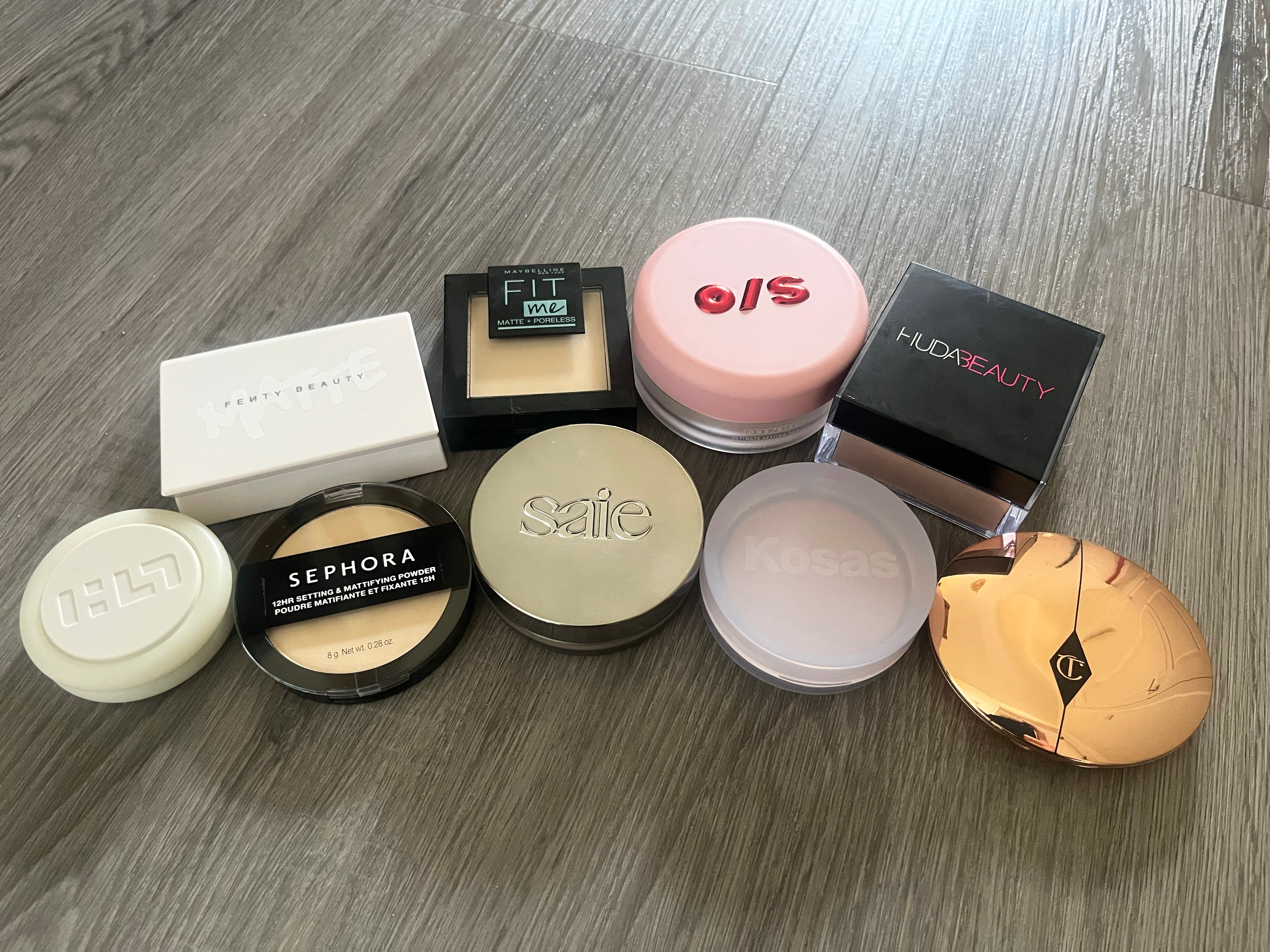
The Best Loose Powder Makeup for a Flawless Finish: 2026 Expert Guide
Achieving a flawless finish in 2026 relies on selecting a loose powder that balances oil control with light-diffusing properties. Top choices include the Laura Mercier Translucent Loose Setting Powder for universal wear and Hourglass V...
Achieving a flawless finish in 2026 relies on selecting a loose powder that balances oil control with light-diffusing properties. Top choices include the Laura Mercier Translucent Loose Setting Powder for universal wear and Hourglass Veil for a talc-free, luminous look. For maximum blurring, Huda Beauty’s Easy Bake remains the industry standard for high-coverage setting.
Contents
Loose powder is the cornerstone of a professional makeup application. Unlike its pressed counterpart, loose powder is finely milled and contains fewer binders, allowing it to sit light on the skin while providing a more blurred, "airbrushed" effect. Whether you are battling midday shine or trying to prevent under-eye creasing, the right powder acts as a seal, ensuring your foundation and concealer remain stationary for hours.
The Evolution of Loose Powders in 2026
By 2026, the cosmetics industry has pivoted away from simple oil absorption toward multifunctional skin-finishing. Modern loose powders are no longer just "talc and pigment." We now see the integration of micronized minerals, hyaluronic acid-coated spheres, and blue-light filtering technology. These advancements mean that a powder can provide a matte finish without the "cakey" or dry appearance that plagued earlier formulas.
The primary goal of a loose powder is to "set" liquid products. When liquid foundation is applied, it remains "wet" and prone to shifting. Loose powder absorbs the excess moisture and oils, locking the pigment into the skin's texture. Furthermore, the light-refractive index of high-end powders has improved significantly, allowing them to scatter light in a way that minimizes the appearance of pores and fine lines—a process often referred to as "soft-focus" technology.
Choosing the Best Loose Powder by Skin Type
Not all loose powders are created equal. A product that works for someone with an oily T-zone may be disastrous for someone with dry, dehydrated skin. Understanding the ingredient profile is essential for selecting the best loose powder for a flawless finish.
Oily and Combination Skin
For those with high sebum production, the best loose powders utilize kaolin clay, rice starch, or silica. These ingredients have high absorption capacities. The goal here is "baking"—a technique where a thick layer of powder is left on the skin for several minutes to allow the heat from the face to set the foundation, after which the excess is dusted off.
- Top Recommendation: Huda Beauty Easy Bake. Its unique mesh-sifter and heavy-duty mattifying properties make it the gold standard for oily skin.
Dry and Mature Skin
Dry skin requires a different approach. Using a heavy, starch-based powder will accentuate dry patches and settle into fine lines. In 2026, dry-skin-friendly powders often use synthetic fluorphlogopite (a lab-engineered mica) which provides a smoother finish than natural mica and is less likely to cling to texture.
- Top Recommendation: Hourglass Veil Translucent Setting Powder. This formula is talc-free and infused with light-reflecting diamonds to provide a "glow from within" rather than a flat matte look.
Sensitive and Acne-Prone Skin
For sensitive skin, the focus must be on non-comedogenic ingredients. Avoiding bismuth oxychloride (which can cause itchiness) and certain fragrances is vital.
- Top Recommendation: Westman Atelier Vital Skincare Setting Powder. This product uses skin-loving ingredients like vitamin C and probiotics to treat the skin while setting the makeup.
Technical Comparison of Leading Loose Powders
The following table compares the most effective loose powders available in 2026 based on their finish, key ingredients, and intended use.
| Product Name | Finish | Key Ingredient | Best For | Weight/Size |
|---|---|---|---|---|
| Laura Mercier Translucent | Natural Matte | Talc & Silica | All-Day Wear | 29g |
| Huda Beauty Easy Bake | Ultra-Matte | Rice Starch | Baking/Oily Skin | 20g |
| Hourglass Veil | Luminous | Diamond Powder | Dry/Mature Skin | 10.5g |
| Make Up For Ever Ultra HD | High-Def Blur | 100% Silica | Photography | 8.5g |
| Maybelline Fit Me Loose | Soft Matte | Mineral-based | Budget/Daily Use | 20g |
| Givenchy Prisme Libre | Satin/Radiant | Synthetic Fluorphlogopite | Color Correcting | 4 x 3g |
Professional Application Techniques for a Flawless Result
The tool you use to apply loose powder is just as important as the powder itself. In 2026, the two dominant schools of thought involve the Velvet Puff and the Tapered Brush.
The Press-and-Roll Method (Velvet Puff)
This is the most effective way to achieve a "flawless finish" that lasts all day.
- Load the Puff: Dip a triangular velvet puff into the powder.
- Work it In: Rub the puff against the back of your hand or the palm to distribute the powder evenly into the fibers.
- The Action: Press the puff firmly onto the skin and "roll" it. This forces the powder into the foundation, creating a seamless bond. Do not swipe, as this will move the underlying makeup.
The Dusting Method (Fluffy Brush)
If you prefer a lighter, more natural finish, a large, fluffy brush is the better option.
- Swirl: Pick up a small amount of powder.
- Tap: Tap the brush handle to remove excess.
- Apply: Lightly dust the powder over the "hot spots" of the face (forehead, nose, and chin). This is ideal for those who want to maintain a dewy look on the cheeks.
The Science of "Flashback" and How to Avoid It
A common mistake when seeking a flawless finish is using too much silica-based powder before photography. Flashback occurs when the titanium dioxide or zinc oxide in your SPF, or high concentrations of silica in your powder, reflect the camera's flash back at the lens, creating a white, ghostly cast.
To prevent this, verify that your "HD" powder is used sparingly. High-definition powders (like the Make Up For Ever Ultra HD) are designed for film and video, where the lighting is consistent. For evening events where flash photography is likely, stick to tinted powders or powders that list talc or mica as the primary ingredient rather than pure silica.
Common Mistakes When Using Loose Powder
- Applying Over Unblended Concealer: If your concealer has already settled into fine lines, applying powder will "freeze" those lines in place. Always do a final blend with a damp sponge or finger immediately before the powder hits the skin.
- Using Too Much Product: In the pursuit of a flawless finish, it is easy to over-apply. This leads to a "mask-like" appearance. Start with a minimal amount; you can always add more, but it is difficult to remove excess powder without ruining the base.
- Ignoring the Neck: If you are using a tinted powder to add a bit of warmth or coverage, ensure you lightly dust it down the neck to prevent a visible line of demarcation at the jaw.
Maintaining the Finish Throughout the Day
By mid-afternoon, even the best loose powder can be challenged by natural oils. Instead of continuously adding more powder—which can lead to "clumping"—use blotting papers first. Once the excess oil is removed, a very light touch-up with a pressed powder or a small amount of loose powder will refresh the look without adding unnecessary texture.
In 2026, many professionals also recommend a "finishing spray" after powder application. A setting spray (like Skindinavia or Urban Decay All Nighter) melts the powder into the skin, removing any "powdery" look while maintaining the structural integrity of the makeup.
Frequently Asked Questions
Is loose powder better than pressed powder for large pores?
Yes. Loose powder is generally more finely milled than pressed powder. Because it lacks the heavy binders used to hold a pressed powder in a pan, the particles are smaller and can more effectively fill and blur the "craters" of large pores. For the best result, use a velvet puff and a pressing motion rather than a brush.
Can I use loose powder on dry skin without it looking cakey?
Absolutely. The key is to look for "hyaluronic acid-infused" or "water-based" loose powders. Avoid "mattifying" powders and instead opt for those labeled as "illuminating" or "translucent." Use a very small amount only on the areas where you applied concealer to prevent creasing, leaving the rest of the face powder-free.
What is the difference between setting powder and finishing powder?
Setting powder is designed to lock your makeup in place and increase its wear time. It is usually applied right after foundation. Finishing powder is meant to be the very last step; it is used to further blur the skin and soften the edges of your blush and bronzer. Most people find that a high-quality setting powder performs both roles effectively.
Why does my loose powder turn orange?
This is known as oxidation. It occurs when the oils on your skin react with the pigments in the powder or the foundation underneath. To prevent this, ensure you are using a high-quality primer to create a barrier between your skin and your makeup, and consider switching to a truly translucent (colorless) powder.
Final Recommendation
For the absolute best loose powder makeup for a flawless finish in 2026, the Laura Mercier Translucent Loose Setting Powder remains the most versatile choice for most users. However, if your primary concern is high-definition blurring for social media or events, Huda Beauty Easy Bake provides an unparalleled filtered effect. Always pair your powder with a velvet puff for the most professional, long-lasting results.
Image Gallery