Understanding the Fox Bite Mark in Forensic Contexts
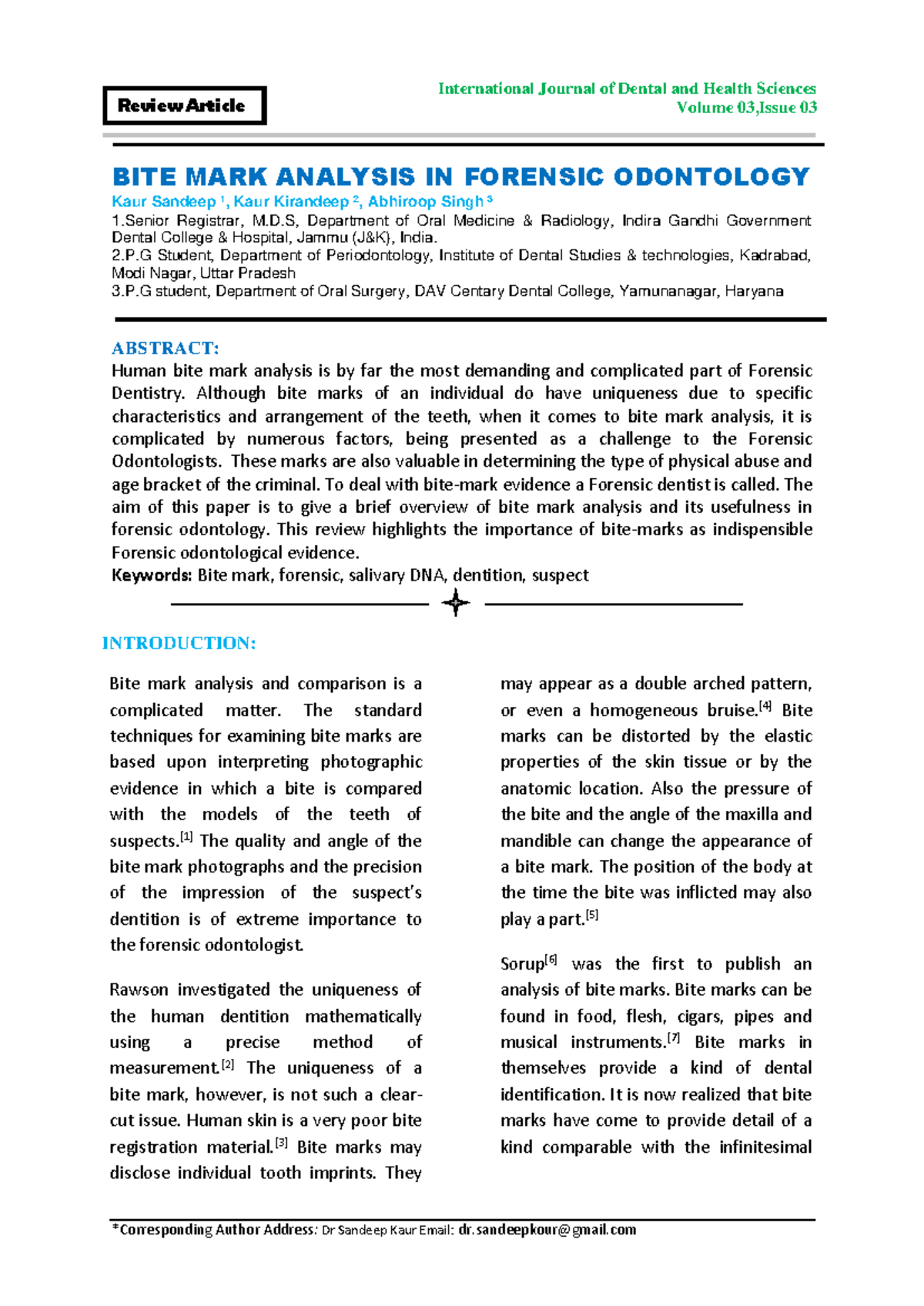
Identifying a fox bite mark in forensic contexts requires analyzing specific dental patterns, including a narrow inter-canine distance and characteristic V-shaped puncture marks. Forensic investigators use these metrics to differentiat...
Identifying a fox bite mark in forensic contexts requires analyzing specific dental patterns, including a narrow inter-canine distance and characteristic V-shaped puncture marks. Forensic investigators use these metrics to differentiate post-mortem scavenging from ante-mortem trauma, providing crucial data for determining the post-mortem interval and the sequence of events at a scene.
Contents
Forensic taphonomy—the study of what happens to remains between death and discovery—frequently encounters the influence of local fauna. In many temperate regions, the red fox (Vulpes vulpes) is a primary scavenger. For legal medical examiners and wildlife biologists in 2026, distinguishing a fox bite from those of domestic dogs, cats, or even human-inflicted injuries is vital for accurate reconstruction of death scenes.
Dental Anatomy and Formula of the Red Fox
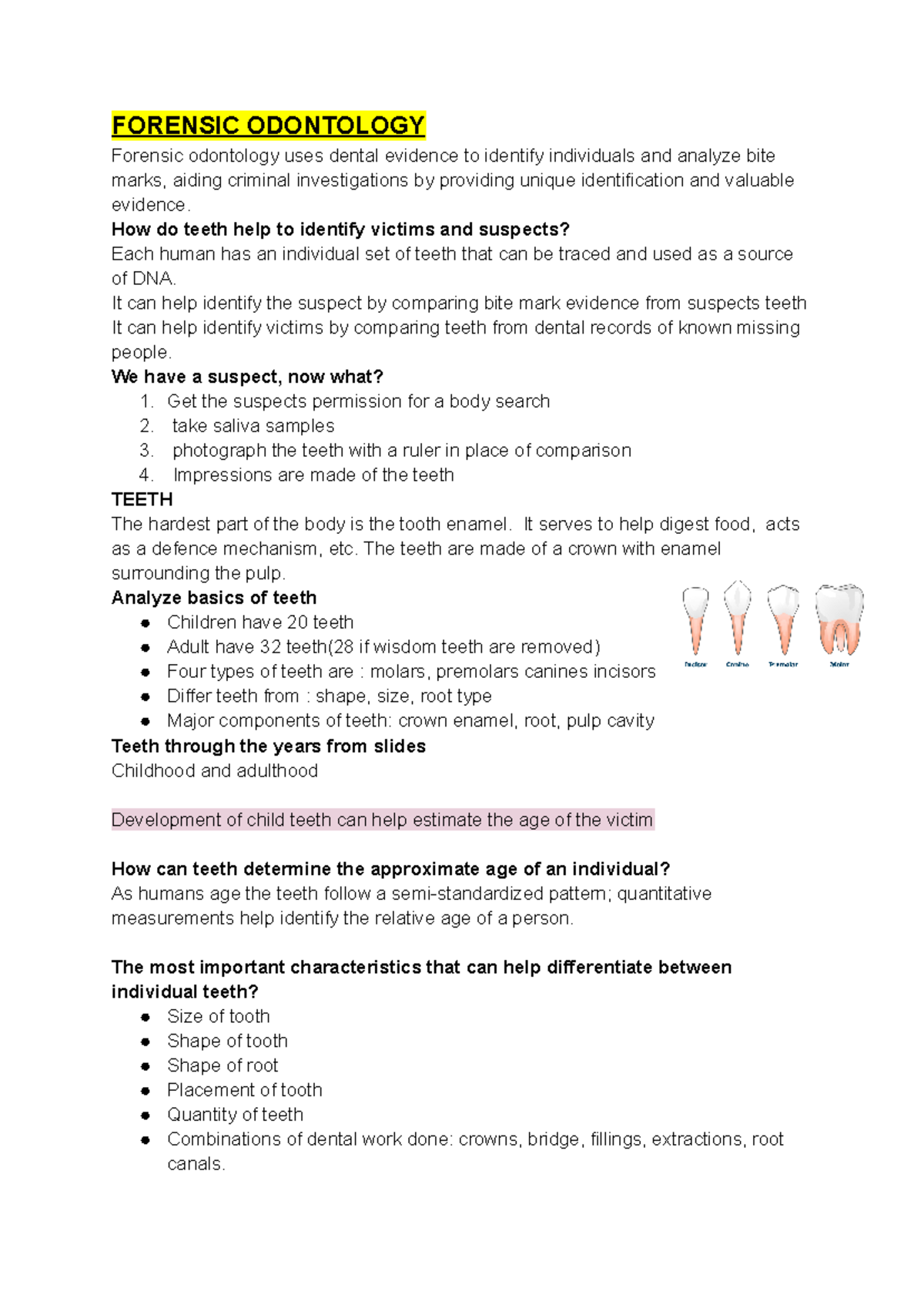
To identify a fox bite mark, one must first understand the biological "tool" that creates it. The red fox possesses a dental formula typical of the Canidae family but scaled to its specific ecological niche. The standard formula is I 3/3, C 1/1, P 4/4, M 2/3, totaling 42 teeth.
The most forensically significant teeth are the canines. Fox canines are notably long, slender, and slightly curved. Unlike the robust, conical canines of a large domestic dog, fox canines are optimized for piercing and gripping small prey. The incisors are relatively small and arranged in a straight or slightly curved row between the canines.
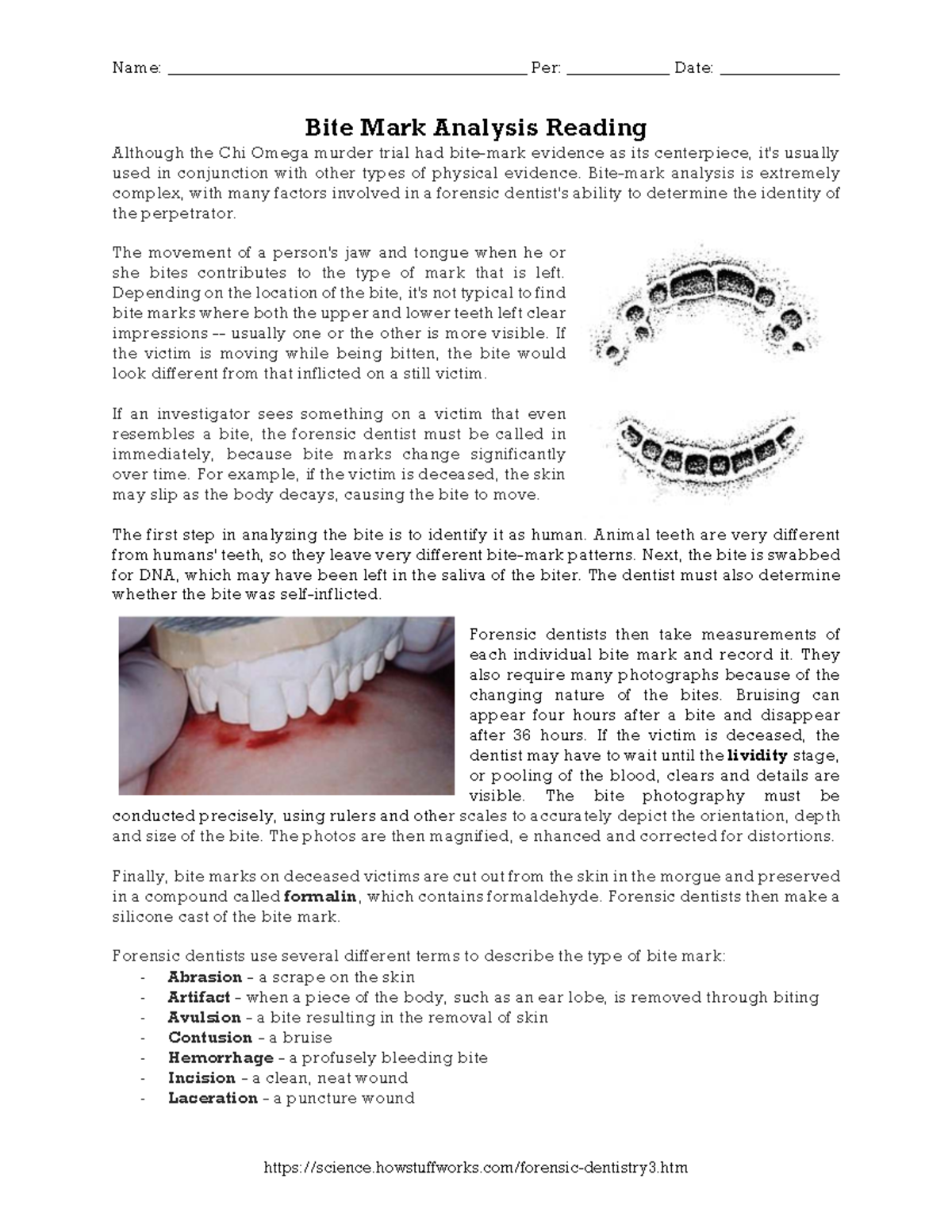
In a forensic setting, the inter-canine distance—the measurement between the centers of the punctures left by the maxillary or mandibular canines—serves as a primary diagnostic feature. For an adult red fox, this distance typically ranges between 15 mm and 22 mm. This narrow span is often the first clue that the scavenger was a small-to-medium-sized carnivore rather than a large breed of domestic dog, which usually exceeds 30 mm in inter-canine width.
Morphological Characteristics of Fox Bite Marks
Foxes interact with remains through a "puncture-and-crush" mechanism, though the "crush" component is significantly less powerful than that of a hyena or a large wolf. When examining soft tissue or bone, forensic specialists look for four distinct types of marks:
Punctures and Pits
Punctures are deep, penetrating wounds caused by the vertical application of the canines. In soft tissue, these may appear as small, circular, or slightly oval holes. On bone, a puncture occurs when the tooth penetrates the cortical surface. If the force is insufficient to break through the bone, it leaves a "pit"—a shallow indentation. Fox pits are characteristically V-shaped or pointed, reflecting the sharp tip of the fox canine.
Scores and Furrows
Scores are linear indentations produced when the teeth slide across the surface of a bone. These are commonly found on the shafts of long bones. Furrows are deeper and represent the "remodeling" of the bone as the fox gnaws at the ends (epiphyses). Because foxes have relatively limited bite force compared to larger canids, their furrowing is often confined to the softer, cancellous bone at the joints.
Scalloping and Ragged Edges
When a fox feeds on soft tissue, it often leaves "scalloped" edges. This is a result of the repeated action of the small incisors nibbling away at the margins of a wound. Unlike the clean incisions made by a knife, fox scavenging produces a ragged, irregular border that can sometimes be mistaken for blunt force trauma if not examined under magnification.
Differentiating Fox Scavenging from Other Species
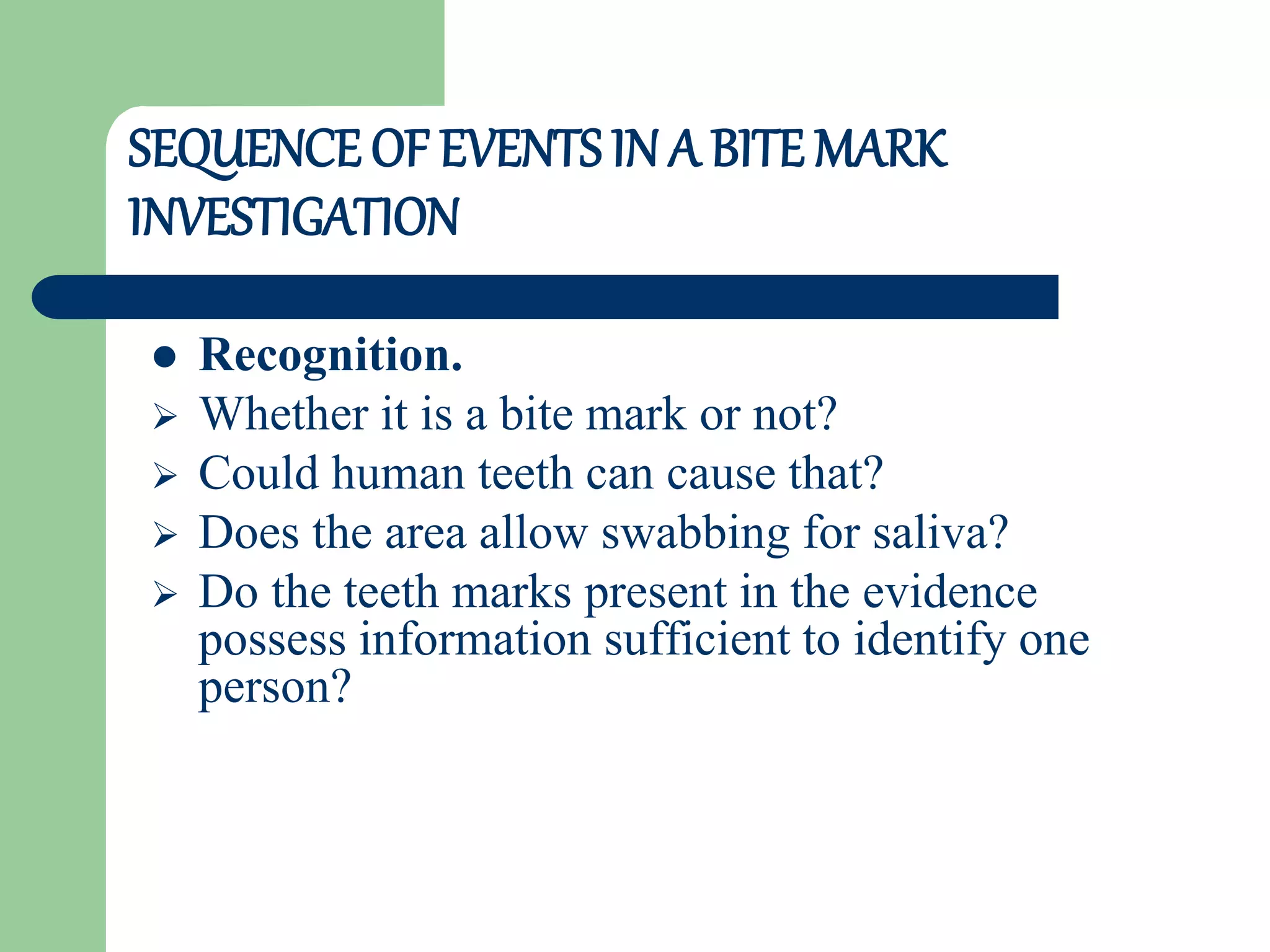
A critical task for the forensic odontologist is the differential diagnosis of the bite mark. Several species may leave similar traces, and misidentification can lead to incorrect conclusions about the environment where death occurred.
| Feature | Red Fox (Vulpes vulpes) | Domestic Dog (Canis familiaris) | Domestic Cat (Felis catus) | European Badger (Meles meles) |
|---|---|---|---|---|
| Inter-canine Distance | 15 mm – 22 mm | 25 mm – 55+ mm | 10 mm – 16 mm | 22 mm – 30 mm |
| Puncture Shape | Slender, sharp V-shape | Robust, conical/rounded | Needle-like, very fine | Broad, powerful |
| Bite Force | Moderate; targets epiphyses | High; can crush mid-shafts | Low; targets soft tissue | High; significant bone damage |
| Primary Target | Hands, feet, face, ribs | Limbs, torso, long bones | Face (soft tissue only) | Variable; often moves remains |
Domestic dogs are the most common source of confusion. However, dogs tend to cause more extensive "crushing" damage and "mutilation" of the remains. A fox is more likely to engage in "cradle-robbing" or "troughing," where it focuses on the marrow-rich ends of bones without necessarily destroying the entire skeletal structure.
Domestic cats, conversely, leave much smaller, needle-like punctures. Their inter-canine distance is almost always under 17 mm, and they rarely cause significant damage to the bone itself, focusing instead on the soft tissues of the face (nose, lips, and eyes).
Behavioral Patterns in Forensic Scavenging
Foxes are opportunistic scavengers with specific behavioral patterns that influence the distribution of bite marks. Understanding these behaviors helps investigators reconstruct the timeline of animal interference.
Sequence of Consumption
Foxes usually begin scavenging at exposed areas where the skin is thinnest or where natural orifices provide easy access. The face (eyes, ears, nose) and the hands or feet are typically the first areas affected. As scavenging progresses, the fox may move to the abdomen or the thorax. The presence of bite marks on the ribs, characterized by "crushed" ends where the fox has "nipped" at the bone to reach the internal organs, is a classic sign of fox activity.
Disarticulation and Transport
Unlike larger carnivores that may consume remains in situ, foxes are known for disarticulating smaller body parts—such as hands, feet, or the mandible—and transporting them away from the primary site. This behavior, known as "caching," can lead to a scattered scene. Finding a single human bone with characteristic 18 mm inter-canine punctures 50 meters away from a body is a strong indicator of fox involvement.
Post-Mortem Interval (PMI) Implications
Animal activity can significantly alter the decomposition rate. By removing soft tissue and exposing the bone, foxes can accelerate the drying process (mummification) or, conversely, provide entry points for insect larvae (diptera), which speeds up liquefaction. In 2026, forensic entomologists and pathologists work together to determine if the "trauma" seen on a body was the cause of death or a post-mortem modification by a fox.
Evidence Collection and Documentation Protocols
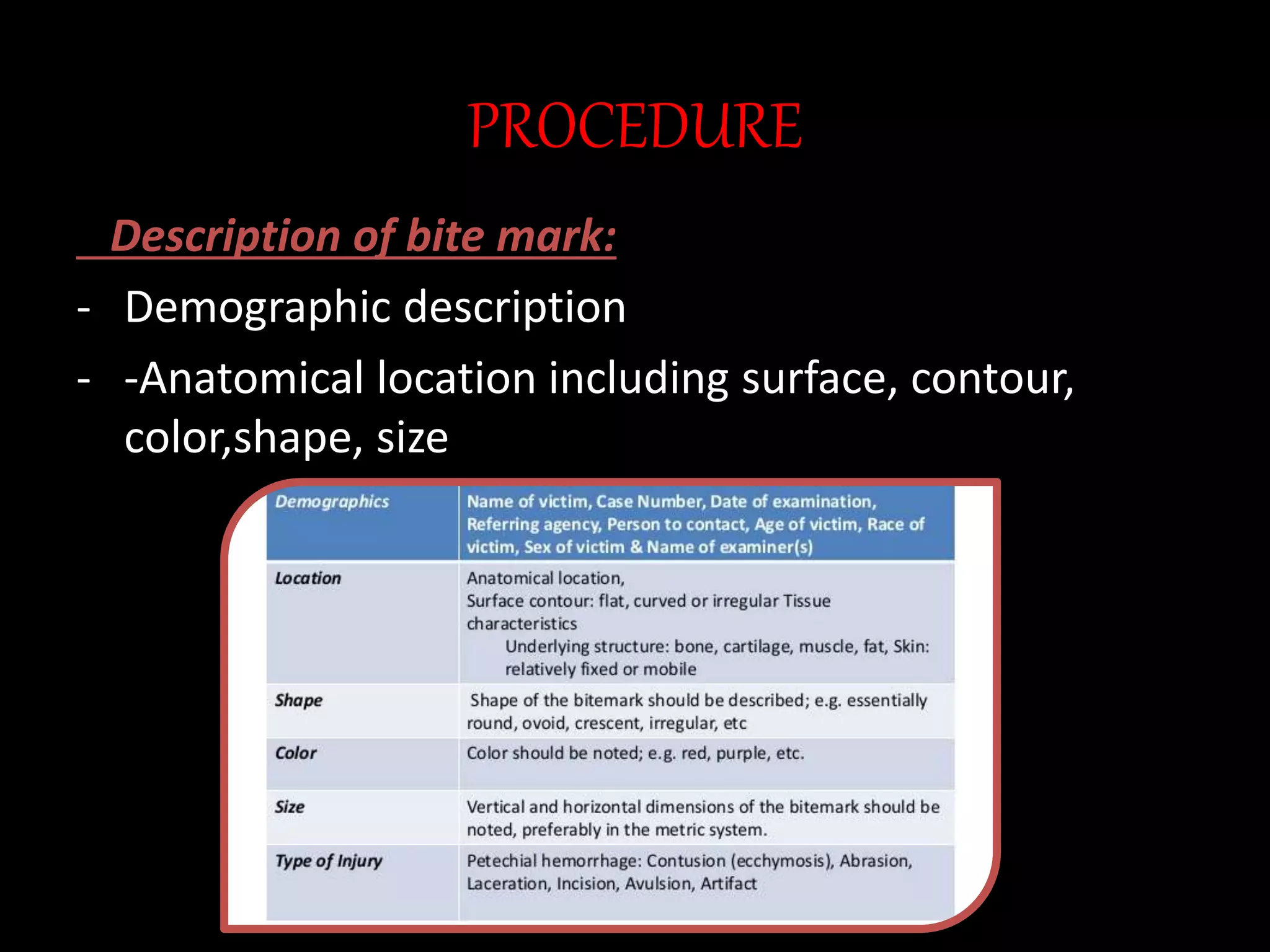
When fox bite marks are suspected, rigorous documentation is required to ensure the findings are admissible in a legal context.
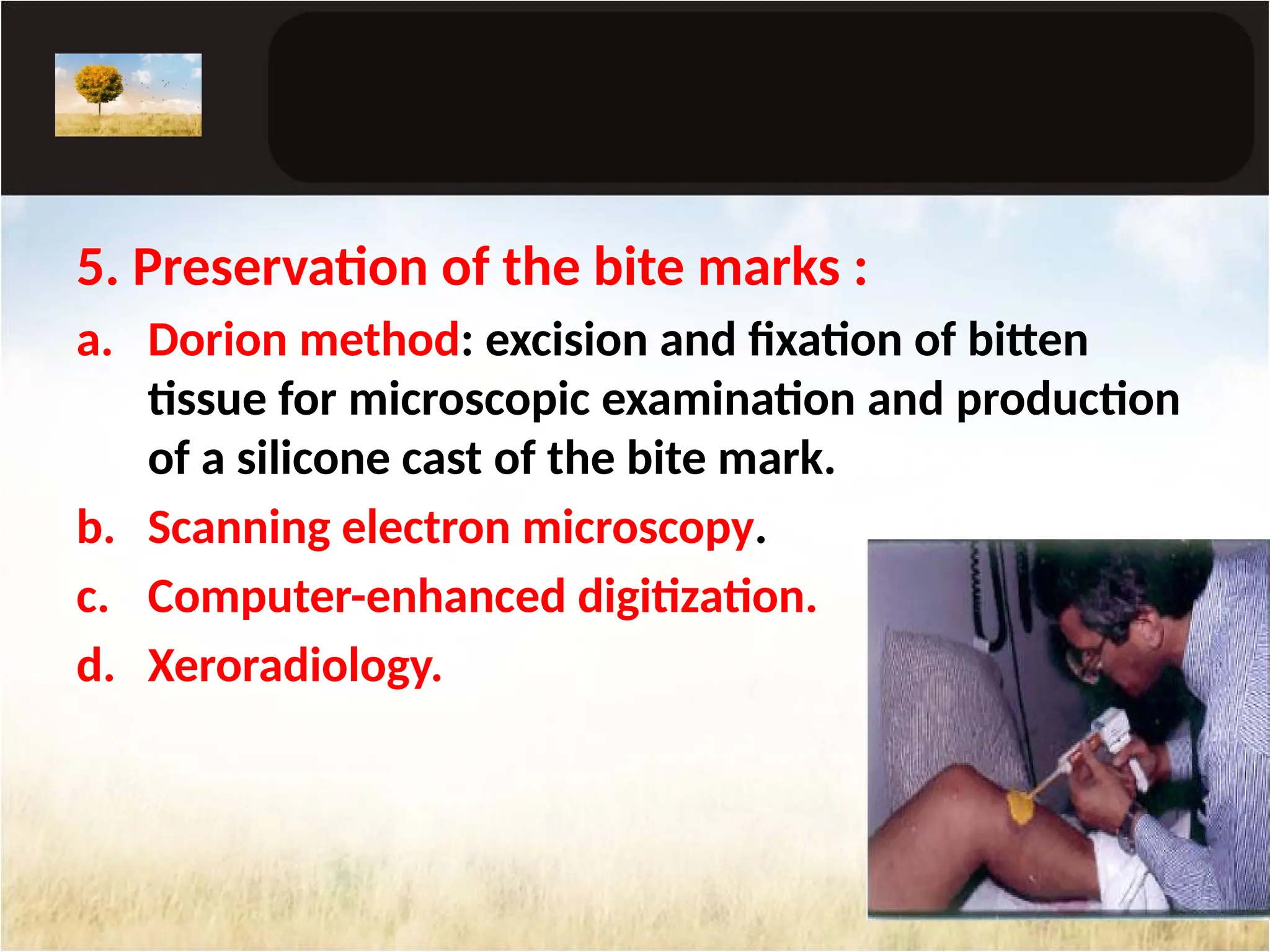
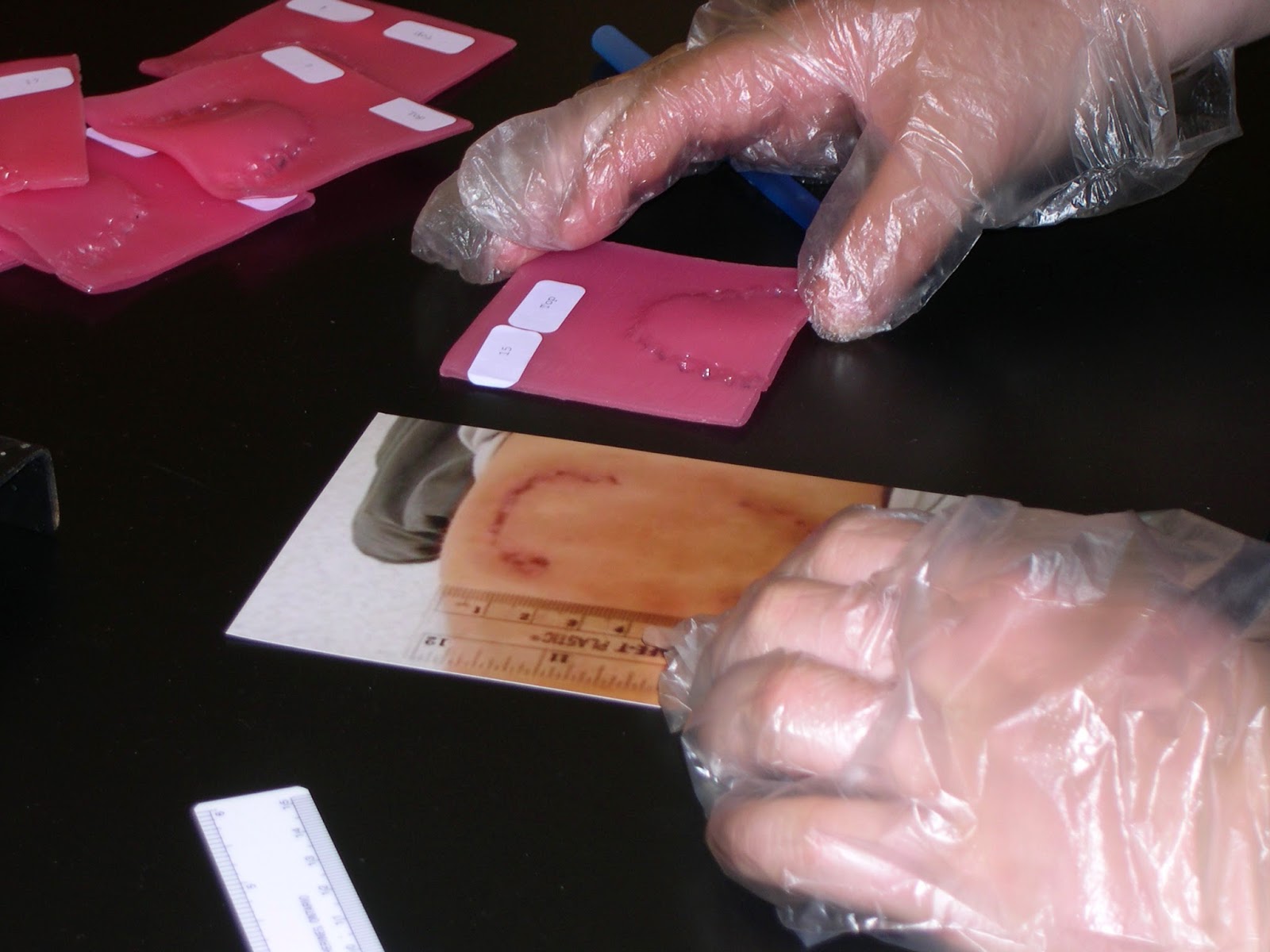
- Photography with Scaling: All marks must be photographed using a standard forensic scale, such as the ABFO No. 2 scale. The camera must be perpendicular to the mark to avoid perspective distortion, which could invalidate inter-canine measurements.
- Swabbing for Saliva DNA: Even if the remains are moderately decomposed, it is often possible to recover non-human DNA from the margins of a bite mark. In 2026, highly sensitive PCR (Polymerase Chain Reaction) kits can distinguish between Vulpes vulpes and domestic species with high certainty.
- Casting and 3D Scanning: For marks on bone, creating a silicone cast or using a high-resolution 3D laser scanner allows for a permanent record of the tooth morphology. These "negatives" can then be compared against a database of known animal dentition.
- Microscopic Examination: Stereomicroscopy can reveal the specific striations left by the enamel of the fox's teeth. These microscopic "fingerprints" are unique to the tooth's wear pattern and can sometimes be used to link multiple marks to the same individual animal.
Legal and Investigative Significance
The identification of a fox bite mark is rarely the "smoking gun" in a homicide investigation, but it provides essential context. It can explain why certain injuries (like the loss of fingers or facial features) look like torture but are actually post-mortem scavenging. It also helps investigators understand the environment of the death; for example, if a body is found indoors but has fox bite marks, it suggests the body was moved from an outdoor location or that the building was accessible to local wildlife.
Furthermore, in cases of suspected animal attacks on living persons (ante-mortem), the presence of vital reaction—such as bruising, hemorrhaging, or inflammation around the bite—distinguishes an attack from post-mortem scavenging. Fox attacks on humans are exceedingly rare and usually associated with rabies or cornered animals, making the forensic distinction even more critical for public health records.
Frequently Asked Questions
How can you tell if a fox bite occurred before or after death? The primary indicator is the presence of a "vital reaction." If the bite occurred while the individual was alive, there will be evidence of bleeding (hematoma), swelling, or blood infiltration into the surrounding tissues. Post-mortem bites by foxes usually show no sign of circulatory response; the edges of the wound appear dry, yellowish, or parchment-like.
Can a fox bite through human bone? A red fox generally cannot bite through the thick cortical bone of a human femur or humerus. However, they can easily crush and consume smaller bones, such as the phalanges (fingers and toes), and can damage the thinner bones of the face or the ribs. Their activity on long bones is usually limited to gnawing the ends.
What is the most unique feature of a fox bite mark? The most diagnostic feature is the combination of a narrow inter-canine distance (15–22 mm) and the "V-shaped" profile of the punctures. While some small dog breeds may have a similar width, the sharpness and slender nature of the fox's canine leave a much cleaner, deeper piercing than the typically blunter teeth of a domestic dog.
Does fox scavenging affect the estimation of the time of death? Yes. Scavenging can remove large amounts of soft tissue very quickly, which might make a body appear more "advanced" in decomposition than it actually is. Conversely, if a fox caches a limb in a cool, dry burrow, that specific part may be better preserved than the rest of the body.
Final Recommendation for Investigators
When encountering suspected animal trauma on remains, always prioritize saliva DNA swabbing before any other processing, as this provides the most definitive species identification. Follow this with orthographic photography using a forensic scale to capture the inter-canine distance. If the case involves skeletal remains, consult a forensic anthropologist to distinguish between carnivore scoring and tool marks produced by human implements.
Image Gallery