Understanding Food Poisoning from Cheese: Causes, Symptoms, and Prevention
Food poisoning from cheese occurs when dairy products become contaminated with harmful pathogens like Listeria, Salmonella, or E. coli. While cheese is generally safe, its moisture content, pH levels, and production methods—especially...
Food poisoning from cheese occurs when dairy products become contaminated with harmful pathogens like Listeria, Salmonella, or E. coli. While cheese is generally safe, its moisture content, pH levels, and production methods—especially regarding unpasteurized milk—can create environments where bacteria thrive, leading to serious gastrointestinal or systemic illness.
Contents
Cheese is a dietary staple enjoyed globally, but it is also a complex biological product. Because cheese is essentially a controlled spoilage of milk, the line between "good" microbes used in fermentation and "bad" pathogens that cause illness can sometimes be thin. As of 2026, food safety protocols have significantly reduced the incidence of large-scale outbreaks, yet localized cases and specific risks associated with certain types of cheese remain a concern for consumers and health professionals alike.
To understand food poisoning from cheese, one must look at the intersection of microbiology, production standards, and consumer handling. This article examines the specific pathogens involved, the high-risk varieties of cheese, and the necessary steps to prevent foodborne illness.
The Microbiology of Cheese and Pathogen Growth
The characteristics of cheese—specifically its water activity ($a_w$), acidity (pH), and salt content—determine which bacteria can survive and multiply. Pathogens are typically introduced during the milking process, through contaminated equipment, or via improper handling after the cheese has been produced.
Moisture and pH Levels
Soft cheeses, such as Brie, Camembert, and Queso Fresco, have high moisture levels and relatively low acidity. These conditions are ideal for the growth of bacteria. In contrast, hard, aged cheeses like Parmesan or extra-sharp Cheddar have much lower water activity and higher acidity, which naturally inhibits the growth of most pathogens. The aging process in hard cheeses also allows beneficial lactic acid bacteria to outcompete harmful invaders.
The Role of Pasteurization
Pasteurization is the process of heating milk to a specific temperature for a set period to kill harmful bacteria. Most food poisoning cases linked to cheese involve unpasteurized (raw) milk. Raw milk can harbor pathogens directly from the animal or the dairy environment. While some jurisdictions allow the sale of raw milk cheese if it has been aged for at least 60 days at temperatures not less than 35°F, this aging process does not guarantee the elimination of all pathogens, particularly Listeria monocytogenes.
Common Pathogens Found in Contaminated Cheese
Several specific bacteria are notorious for causing cheese-related food poisoning. Understanding these pathogens helps in identifying symptoms and assessing the severity of an infection.
Listeria monocytogenes
Listeria is perhaps the most significant threat in the cheese industry. Unlike many other bacteria, Listeria can grow at refrigeration temperatures (below 40°F/4°C). This makes it particularly dangerous for soft-ripened cheeses stored in the fridge.
- Risk Profile: It is especially dangerous for pregnant women, the elderly, and those with weakened immune systems.
- Complications: It can lead to meningitis, septicemia, and in pregnant individuals, miscarriage or stillbirth.
Salmonella and E. coli
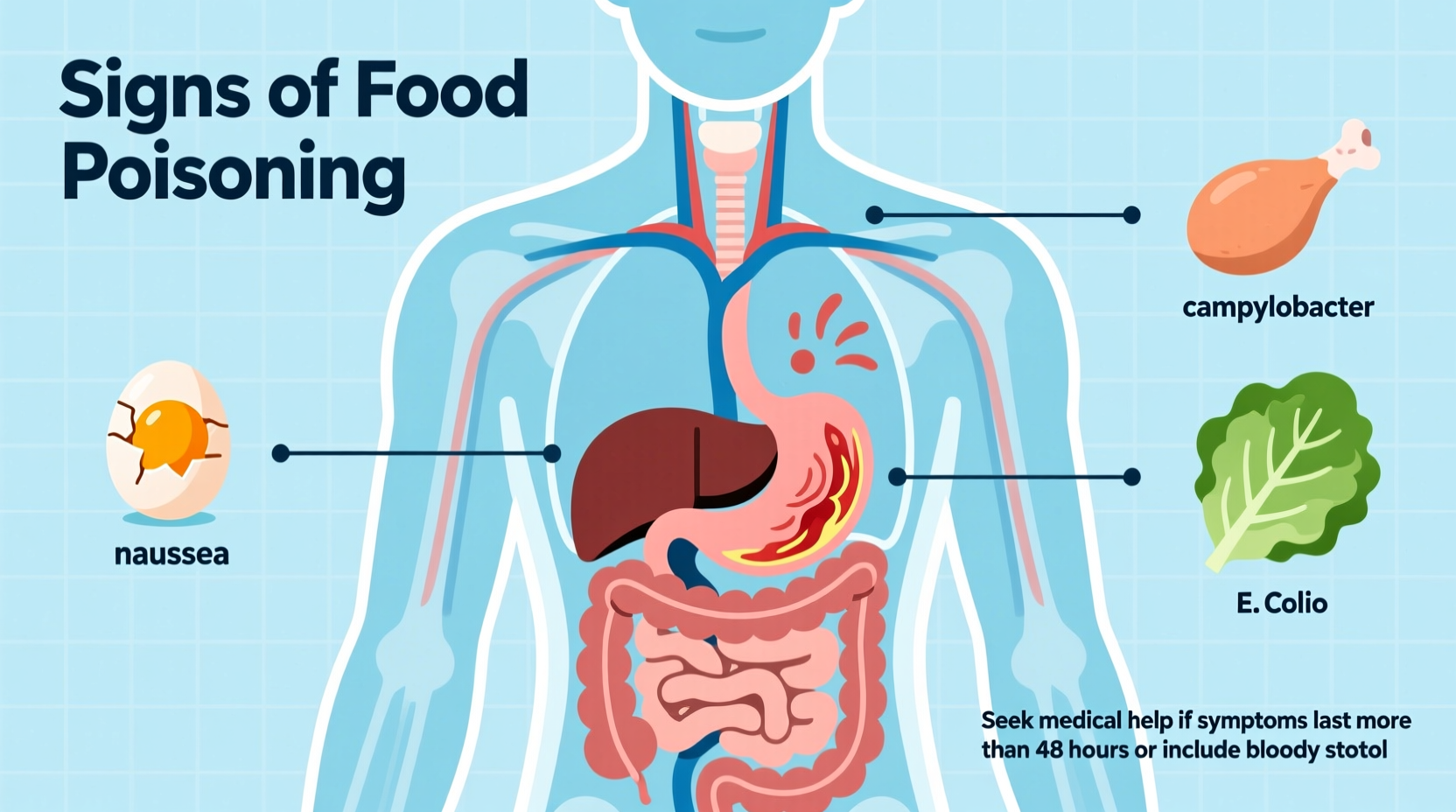
These bacteria are usually introduced through fecal contamination during the milking process or via poor hygiene in the production facility. Shiga toxin-producing E. coli (STEC), often associated with raw milk, can cause severe bloody diarrhea and, in rare cases, Hemolytic Uremic Syndrome (HUS), which leads to kidney failure.
Staphylococcus aureus
Staphylococcus aureus typically enters cheese through human handling. If a cheesemaker has an open wound or fails to wash their hands, the bacteria can transfer to the cheese. While the bacteria themselves may be killed by heat, they produce a heat-stable toxin that remains in the food even after cooking or pasteurization, leading to rapid-onset vomiting and nausea.
Identifying Symptoms and Incubation Periods
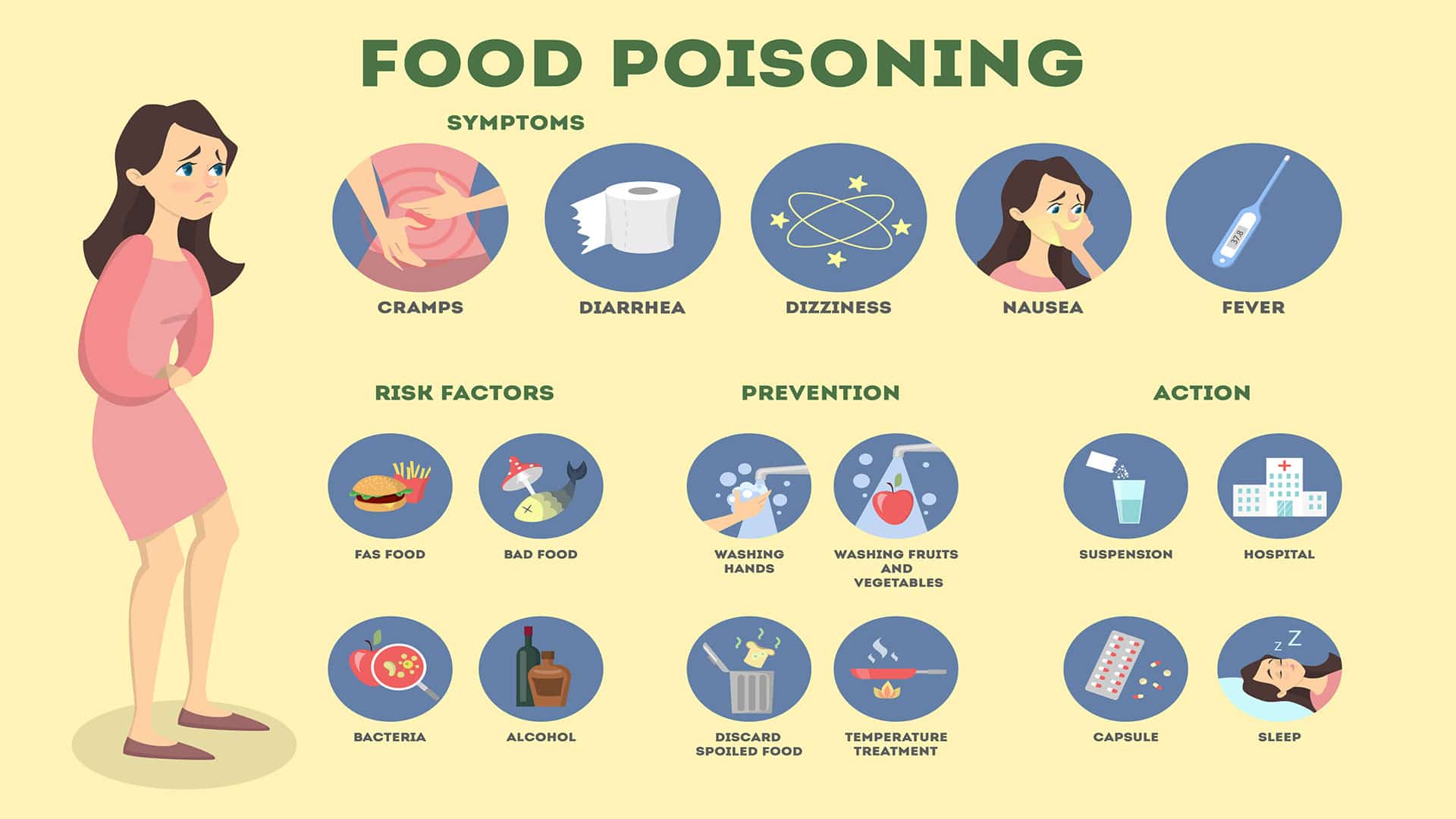
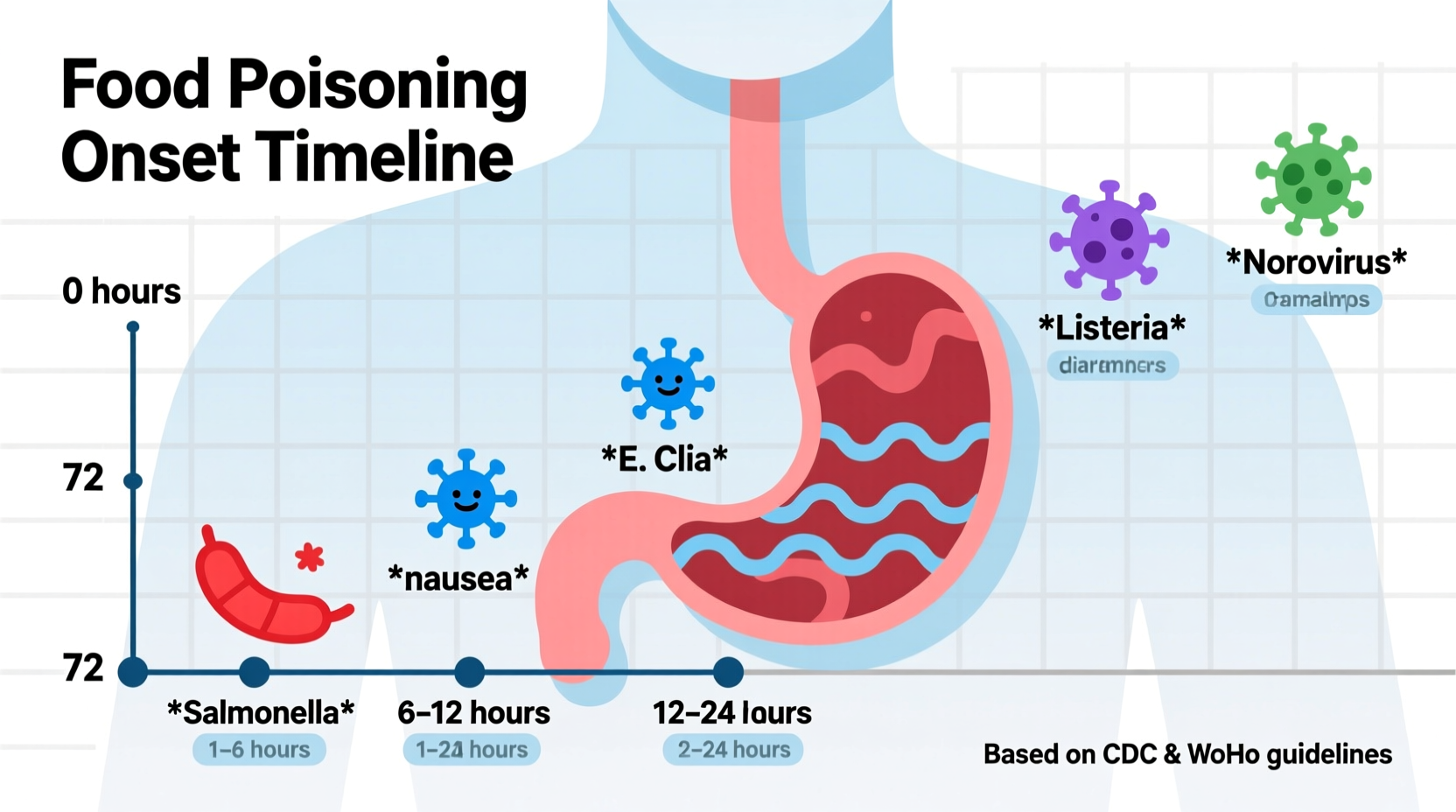
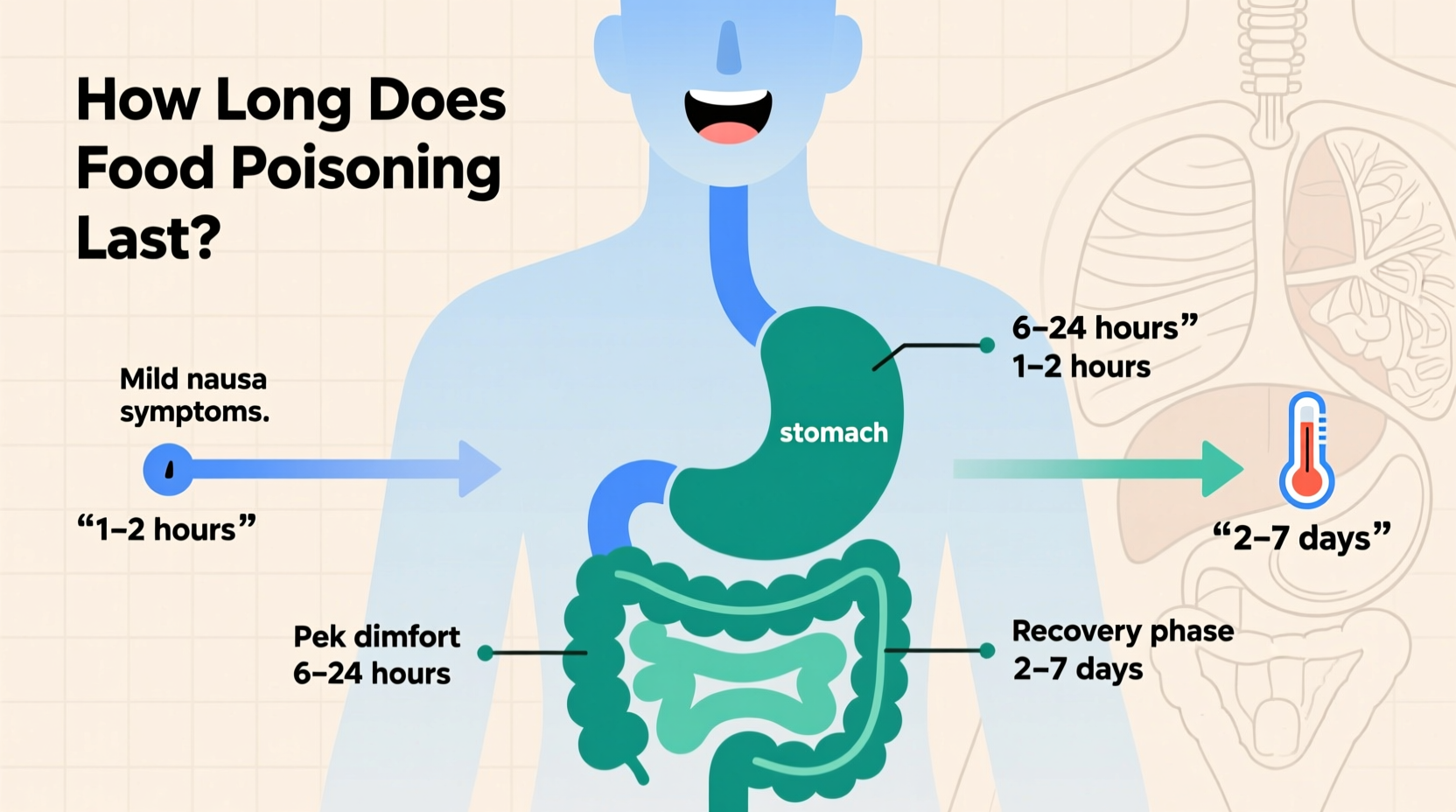
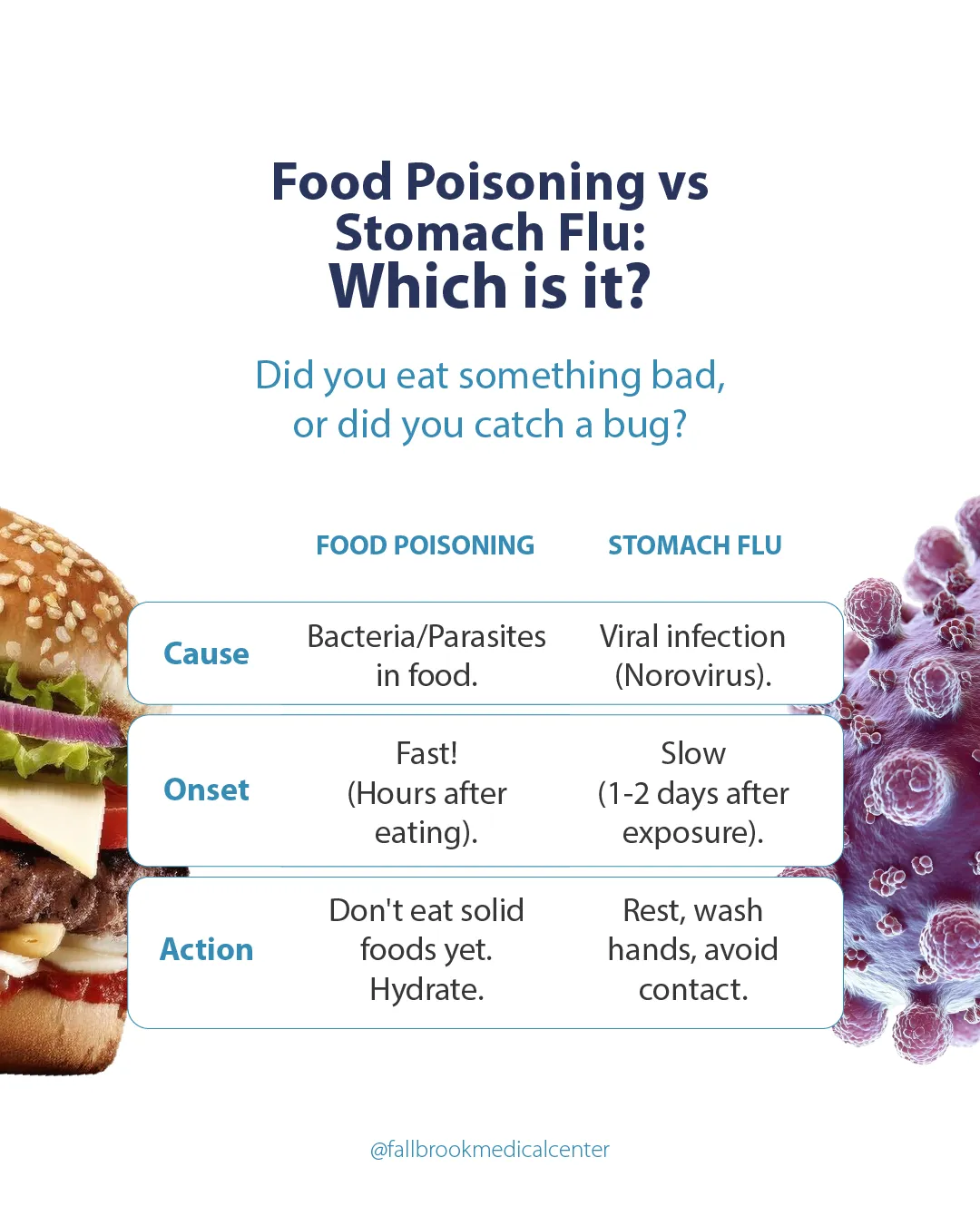
The symptoms of food poisoning from cheese vary depending on the specific pathogen involved. One of the most confusing aspects of foodborne illness is the incubation period—the time between eating the contaminated food and the first appearance of symptoms.
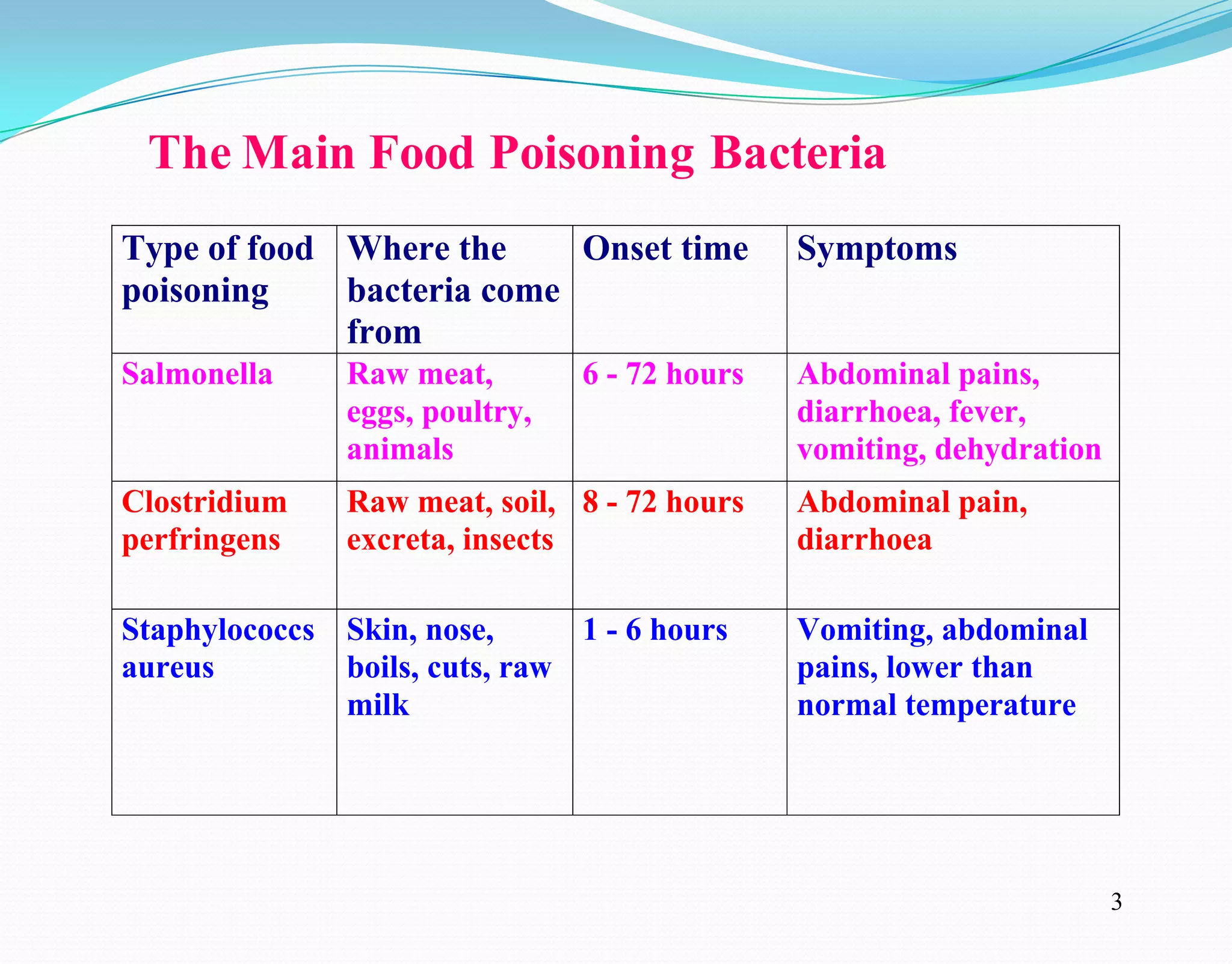
| Pathogen | Incubation Period | Primary Symptoms | Typical Cheese Source |
|---|---|---|---|
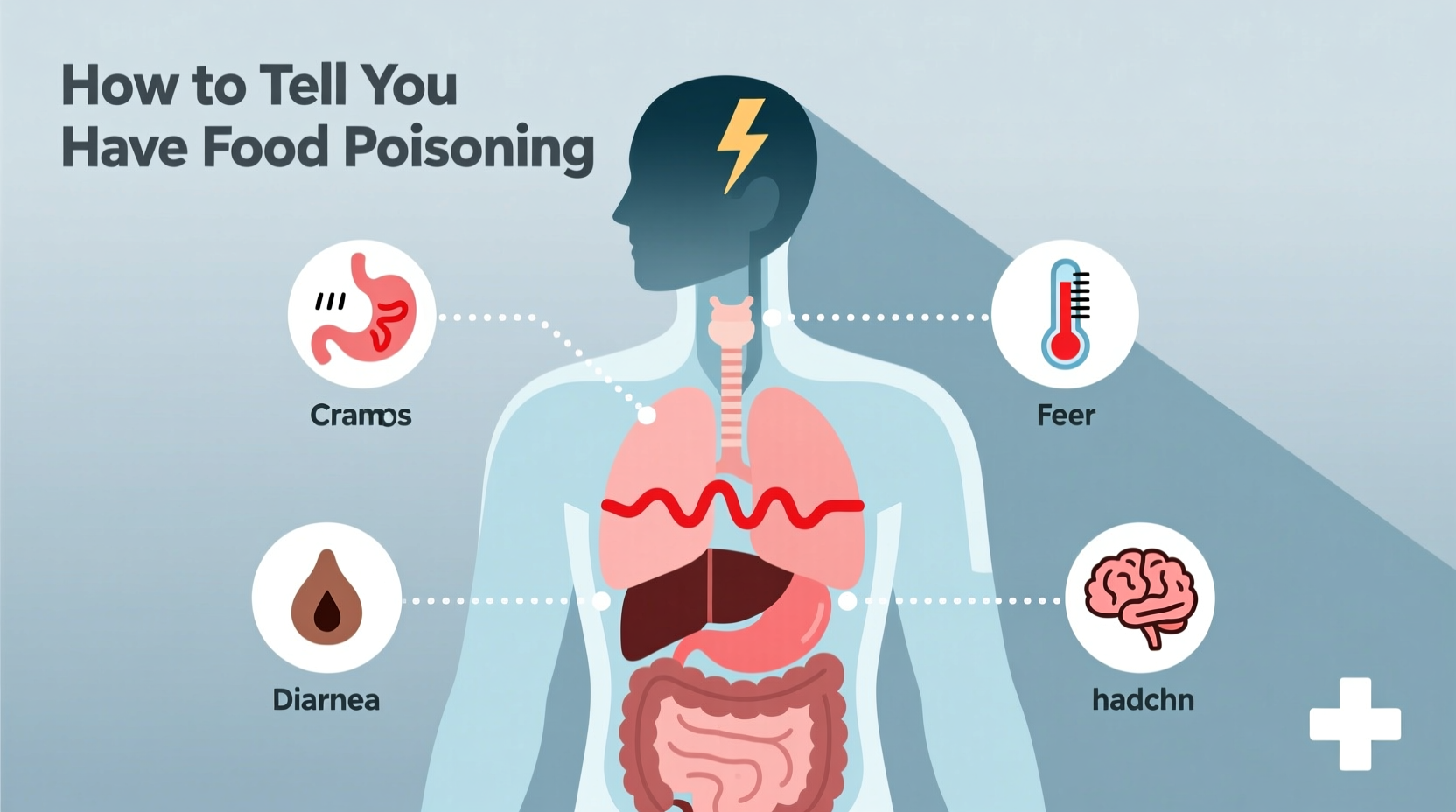
| Listeria | 1 to 70 days | Fever, muscle aches, headache, stiff neck, confusion | Soft cheeses, raw milk varieties |
| Salmonella | 6 hours to 6 days | Diarrhea, fever, abdominal cramps, vomiting | Raw milk cheese, cross-contamination |
| E. coli (STEC) | 3 to 4 days | Severe stomach cramps, bloody diarrhea, vomiting | Unpasteurized soft or semi-soft cheese |
| Staph aureus | 30 mins to 8 hours | Intense nausea, projectile vomiting, abdominal cramps | Contamination via handling/poor hygiene |
When to Seek Medical Attention
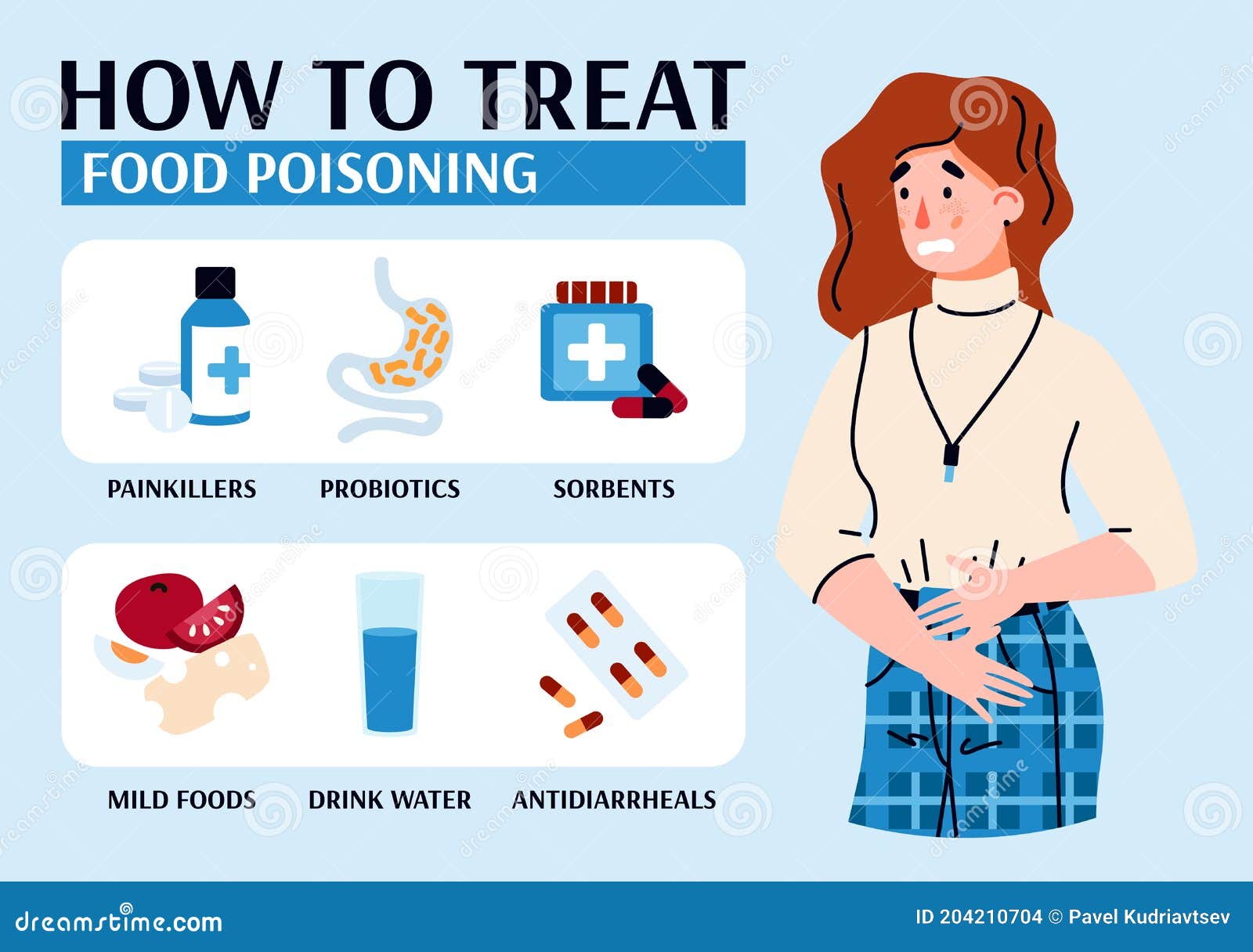
While many cases of food poisoning resolve on their own with hydration and rest, certain "red flag" symptoms require immediate medical intervention:
- High fever (over 102°F).
- Bloody stool.
- Frequent vomiting that prevents keeping liquids down.
- Signs of severe dehydration (decreased urination, dry mouth, dizziness).
- Neurological symptoms like stiff neck or confusion (which may indicate invasive Listeriosis).
High-Risk vs. Low-Risk Cheeses
Not all cheeses carry the same level of risk. Consumers can make informed decisions by categorized cheeses based on their production methods and physical properties.
High-Risk Cheeses
- Soft-Ripened Cheeses: Brie, Camembert, and Gorgonzola. Their high moisture and low acidity levels make them susceptible to Listeria.
- Fresh Cheeses (Unaged): Queso Fresco, Queso Blanco, Feta, and Paneer. If these are made with unpasteurized milk, they are among the most frequent sources of outbreaks.
- Raw Milk Cheeses: Any cheese made from milk that has not been heat-treated, regardless of the variety, carries a higher baseline risk of containing Salmonella or E. coli.
Low-Risk Cheeses
- Hard Cheeses: Parmesan, Romano, and Pecorino. These are too dry and acidic for most pathogens to survive.
- Semi-Hard Aged Cheeses: Cheddar, Swiss, and Gouda. The long aging process and salt content create a hostile environment for harmful bacteria.
- Processed Cheeses: American cheese and cheese spreads. These undergo significant heat treatment and contain emulsifiers and preservatives that inhibit bacterial growth.
Handling Moldy Cheese: Safety Guidelines
A common question regarding cheese safety is whether moldy cheese is safe to eat. In the context of food poisoning, it is important to distinguish between "good" mold (used to make Blue cheese or Brie) and "bad" mold (accidental spoilage).
Hard and Semi-Hard Cheeses
If mold appears on a hard cheese like Cheddar, it is generally safe to cut away the moldy part. Because these cheeses are dense, mold hyphae (roots) do not penetrate deep into the product. You should cut at least one inch around and below the moldy spot, ensuring the knife does not touch the mold to avoid cross-contamination.
Soft and Shredded Cheeses
If mold appears on soft cheeses (like Cottage cheese, Cream cheese, or Brie), crumbled cheeses, or shredded varieties, the entire package should be discarded. In these high-moisture environments, mold can easily send roots deep into the cheese, and harmful bacteria may be growing alongside the visible mold.
Prevention and Safe Handling Practices
Preventing food poisoning from cheese involves a combination of smart purchasing, proper storage, and hygienic handling in the kitchen.
Purchasing and Labels
- Check for Pasteurization: Always check the label to ensure the milk used was pasteurized, especially if you are in a high-risk group (e.g., pregnant women).
- Observe Expiration Dates: While "Best By" dates often refer to quality, "Use By" dates on soft cheeses are critical for safety. Listeria can reach dangerous levels as the product nears or passes its expiration date.
Storage and Temperature Control
Cheese should be kept at or below 40°F (4°C). To maintain quality and safety:
- Keep cheese in its original packaging until use.
- After opening, wrap cheese tightly in wax paper or parchment paper, then a layer of plastic wrap, to allow it to breathe without drying out or attracting external contaminants.
- Never leave soft cheeses at room temperature for more than two hours. If the ambient temperature is above 90°F (as in an outdoor summer gathering), that limit drops to one hour.
Preventing Cross-Contamination
Cross-contamination is a leading cause of cheese-related illness. This often happens when a knife used to cut raw meat or unwashed vegetables is used on cheese. Always use clean utensils and cutting boards. Furthermore, if you are slicing multiple types of cheese, start with the hardest/safest varieties and end with the softest/ripened varieties.
FAQs About Cheese Food Poisoning
Can you get food poisoning from cooked cheese? Yes, though the risk is lower. While most bacteria are killed at 165°F (74°C), some toxins, such as those produced by Staphylococcus aureus, are heat-stable and will not be deactivated by cooking. Additionally, if the cheese is contaminated after cooking (post-process contamination), it remains a risk.
Is "raw milk cheese" always dangerous? Not necessarily, but it carries a statistically higher risk. Many artisanal raw milk cheeses are produced under extremely strict hygienic conditions and undergo long aging processes that make them safe for healthy adults. However, health agencies generally recommend that vulnerable populations avoid them entirely.
How long does it take for Listeria symptoms to show up? Listeria is unique because of its long incubation period. While some people may feel ill within a few days, it can take up to 70 days for symptoms to manifest. This makes it very difficult to trace the source of the infection without professional epidemiological help.
Can freezing cheese kill the bacteria that cause food poisoning? No. Freezing does not kill most foodborne pathogens; it merely puts them into a state of dormancy. Once the cheese is thawed, any bacteria present will become active again and can multiply.
Summary of Actionable Steps
To minimize your risk of food poisoning from cheese, prioritize pasteurized products and adhere to strict storage guidelines. If you are pregnant or immunocompromised, avoid soft-ripened and unpasteurized cheeses entirely. Always discard soft cheeses that show signs of unintended mold growth, and maintain a clean kitchen environment to prevent cross-contamination.
Image Gallery