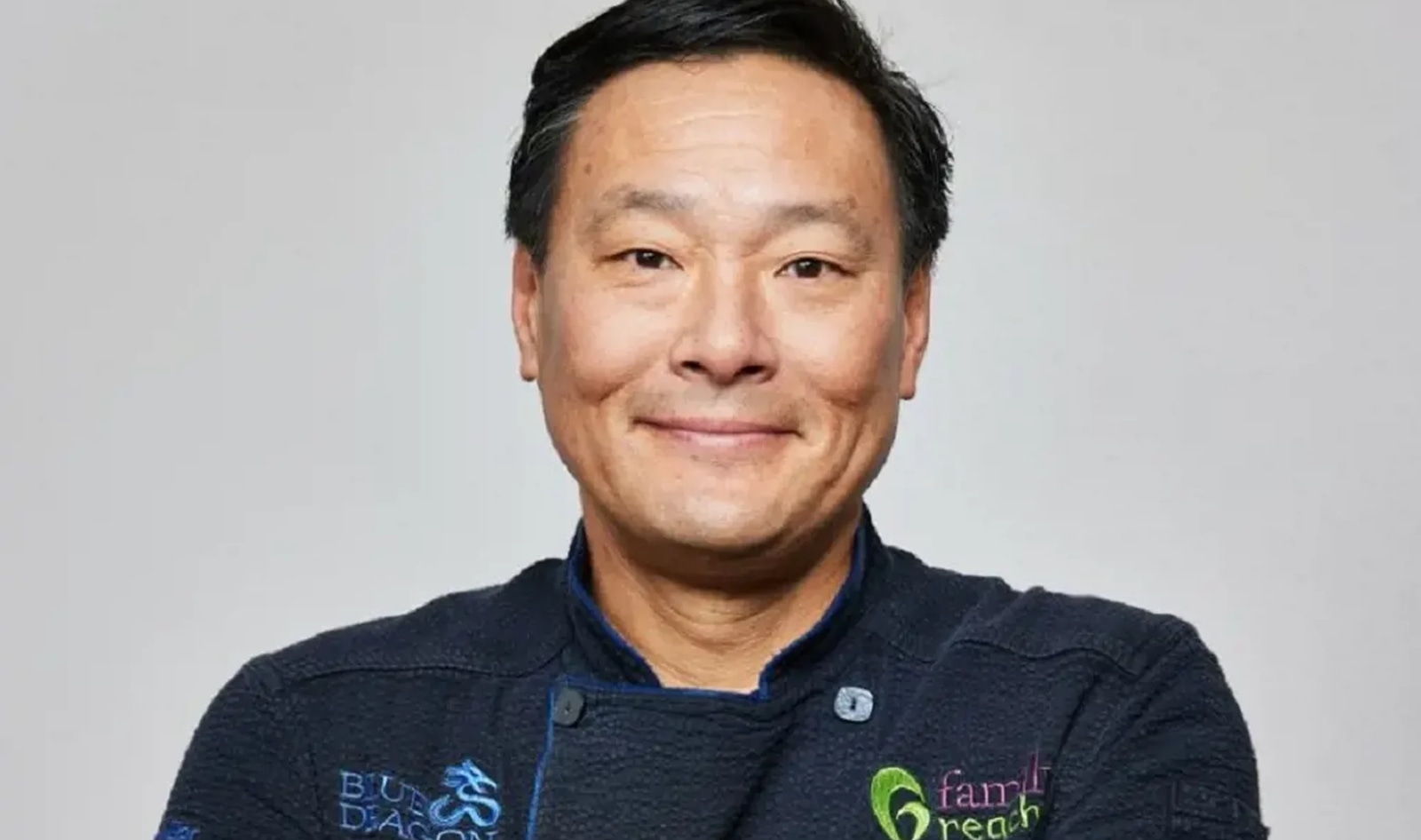
Why Chef Ming Tsai’s Career Matters for Food Lovers
Chef Ming Tsai's career fundamentally reshaped how modern diners approach Asian ingredients, East-West fusion cooking, and restaurant food safety. As an Emmy Award-winning television host, James Beard Award-winning chef, and pioneering...
Chef Ming Tsai's career fundamentally reshaped how modern diners approach Asian ingredients, East-West fusion cooking, and restaurant food safety. As an Emmy Award-winning television host, James Beard Award-winning chef, and pioneering advocate for food allergy protocols, Tsai bridged the gap between traditional French culinary technique and Asian flavor profiles, leaving an indelible mark on global gastronomy.
Contents
Bridging Worlds: The Evolution of East-West Cuisine
Before East-West fusion became a mainstay on modern bistro menus, Western diners largely viewed Asian culinary traditions through the narrow lens of localized takeout standard fare. Trained in classical French cuisine at Le Cordon Bleu in Paris while holding a degree in mechanical engineering from Yale University, Ming Tsai approached cooking with both analytical rigor and deep respect for cultural traditions.
In 1998, Tsai opened Blue Ginger in Wellesley, Massachusetts. The restaurant served as a testing ground for what he termed "East-West cuisine." Rather than arbitrarily combining ingredients, Tsai applied classical techniques—such as mounting sauces with butter, building long-simmered stocks, and precise knife work—to vibrant East Asian flavor bases featuring ginger, lemongrass, soy, miso, and star anise.
- Classical French Technique (Searing, Emulsifying, Reduction)
- Asian Flavor Profiles (Miso, Ginger, Soy, Sesame)
- Balanced East-West Gastronomy (Blue Ginger Framework)
Tsai’s approach demystified Asian pantries for home cooks and chefs alike. He emphasized that true fusion is not a chaotic blending of spices, but a harmonious balance of five core taste elements:
- Sweetness to balance acidity and heat.
- Sourness (via rice vinegars and citrus) to brighten rich fats.
- Saltiness (from fermented soy and fish sauces) to enhance savory depth.
- Bitterness (from leafy greens and teas) to provide contrast.
- Umami (from seaweeds, aged misos, and mushrooms) to create long-lasting flavor coats.
By articulating these principles clearly, Tsai helped elevate Asian cooking techniques into mainstream fine dining, changing how American menus were designed and understood.
Transforming Culinary Media and Home Cooking Education
Ming Tsai emerged as a central figure during the golden era of culinary television, transitioning cooking shows from static instructional videos into dynamic educational experiences. His breakout show on Food Network, East Meets West with Ming Tsai, debuted in 1998 and earned an Emmy Award in 1999. The program introduced millions of households to ingredients that were once difficult to source outside specialty markets, such as kaffir lime leaves, dark sesame oil, and szechuan peppercorns.
Following his success on commercial television, Tsai launched Simply Ming on American Public Television (PBS) in 2003. Running for 18 seasons, Simply Ming became one of the longest-running cooking programs in public broadcasting history. The show introduced foundational concepts that empowered home cooks:
The "Master Recipe" Approach
Tsai championed the idea of preparing a single, versatile base component—such as an aromatic oil, a multi-use marinade, or a concentrated dipping sauce—that could be adapted across various proteins and vegetables throughout the week. This technique reduced kitchen stress and taught viewers how to think like professional line cooks.
Demystifying Wok Cooking
Many Western home cooks feared using woks due to concerns over high heat and sticking. Tsai systematically taught viewers how to select, season, and maintain carbon steel woks. He emphasized proper heat control, oil shimmering points, and batch cooking to prevent overcrowding, ensuring home cooks achieved authentic wok hei (the breath of the wok) safely on home burners.
Accessible Ingredient Substitutions
Recognizing that not all viewers had immediate access to specialized Asian grocery stores, Tsai constantly offered accessible alternatives. If a recipe called for Shaoxing rice wine, he explained how dry sherry provided a similar aromatic profile, ensuring his recipes remained practical without sacrificing taste balance.
Pioneering Food Allergy Protocols in the Restaurant Industry
While Tsai's culinary achievements earned him critical acclaim, his most lasting contribution to the food service industry stems from personal necessity. When his son David was diagnosed with severe, life-threatening allergies to dairy, eggs, wheat, soy, nuts, seafood, and shellfish, Tsai transformed how restaurants approach allergen management.
At Blue Ginger, Tsai developed the Food Allergy Severity Action Plan (FASAP), a rigorous operational system designed to guarantee safe dining for guests with dietary restrictions. This system replaced informal kitchen warnings with a standardized, verifiable process:
Guest Notification & Table Booking: Allergen information is logged during reservation and re-confirmed upon seating.
Dedicated Kitchen Tickets: Orders with severe allergies trigger a distinct red-printed ticket that requires direct verbal acknowledgment from the executive chef or chef de cuisine.
Allergen Binders: The kitchen maintains a comprehensive master binder detailing every ingredient, sauce base, and garnish used across the menu.
Sanitized Workstations & Color-Coded Tools: Kitchen staff use dedicated, sanitized cutting boards, knives, and pans reserved exclusively for allergen-safe prep.
Direct Manager Verification: A manager or chef personally inspects and delivers the allergen-free plate to the guest table, removing room for front-of-house mix-ups.
Guest Reservation Alert
Red Allergen Ticket Issued
Master Binder Cross-Check
Sanitized Tools / Dedicated Prep
Direct Manager Delivery
Tsai’s internal safety system served as the blueprint for landmark legislation. In 2009, Massachusetts passed the "Act Relative to Food Allergy Awareness in Restaurants," making it the first state to mandate food allergy training and clear menu notices in food service establishments. Tsai worked directly with state lawmakers to draft the bill, establishing protocols now studied and implemented by restaurant groups nationwide.
Milestones and Contributions to Culinary Culture
The following table summarizes key inflection points in Chef Ming Tsai’s career and their lasting impact on food lovers and hospitality professionals:
| Year / Era | Career Milestone | Core Cultural & Culinary Impact |
|---|---|---|
| 1998 | Opens Blue Ginger in Wellesley, MA | Established a high-water mark for modern East-West fusion fine dining. |
| 1998–2003 | Hosts East Meets West on Food Network | Earned a Daytime Emmy (1999); introduced Asian pantries to mainstream TV audiences. |
| 1999 | Authors Blue Ginger: East Meets West Cooking | Documented foundational techniques for balancing Western fats with East Asian aromatics. |
| 2003–2021 | Launches and hosts Simply Ming on PBS | Taught 18 seasons of technique-driven, approachable home cooking centered on master recipes. |
| 2005 | Introduces FASAP at Blue Ginger | Revolutionized restaurant kitchen workflows for severe food allergy safety protocols. |
| 2009 | Helps pass MA Food Allergy Safety Law | Legislative advocacy led to mandatory allergen safety training for restaurant staff statewide. |
| 2013 | Opens Blue Dragon in Boston, MA | Popularized Asian gastropub culture, focusing on small plates, craft cocktails, and casual dining. |
| 2020s–Present | Launches M3 Foods & Plant-Based Advocacy | Created nutrient-dense, plant-based food lines (BāO Zāi) focusing on wellness and sustainable eating. |
Iconic Culinary Concepts: The Science of Miso-Glazed Chilean Sea Bass
Among Tsai’s famous culinary creations, his Miso-Glazed Chilean Sea Bass stands as an archetype of balanced flavor engineering. Before the late 1990s, sweet fermented miso pastes were rarely paired with rich, high-fat pelagic fish in casual Western dining settings.
Tsai’s preparation relies on a precise understanding of food chemistry and flavor pairing:
- Osmotic Curing: Marinating the dense, oily fish in a blend of sake, mirin, and white miso (shiro miso) draws out excess moisture while infusing amino acids deep into the flesh.
- Maillard Reaction & Caramelization: The residual sugars in mirin and sweet miso caramelize rapidly under direct broiler heat, creating a deep amber crust that contrasts with the moist, flaky interior.
- Acidic Balancing: To cut through the intense fat content of Chilean sea bass and the sugar of the glaze, Tsai paired the dish with an acidic, soy-ginger broth or stir-fried greens tossed in rice vinegar.
This dish was widely emulated across North America, demonstrating to home cooks and restaurant owners that ancient fermented pastes could replace heavy dairy-based reductions without sacrificing flavor intensity.
Contemporary Ventures and Modern Legacy
In recent years, Tsai's work has evolved to address global nutrition, wellness, and food equity. Recognizing the shifting demands of modern diners, he launched M3 Foods, producing BāO Zāi—a line of frozen, plant-based Asian pockets powered by superfoods and high-quality meat alternatives. This effort aims to make quick, nutritious, and environmentally conscious meals available outside of high-end restaurants.
Tsai also maintains deep commitments to philanthropic causes. As a long-time national board member for Family Reach, an organization dedicated to removing financial barriers for cancer patients and their families, he has raised millions of dollars through culinary events and auctions. His personal advocacy intensified following his wife Polly's diagnosis with stage 4 non-small cell lung cancer, driving him to leverage his platform to support research at the Dana-Farber Cancer Institute and assist families impacted by medical debt.
For contemporary food lovers, Tsai represents the ideal model of the modern chef: one who bridges cultures with culinary integrity, advocates fiercely for diner safety, and uses public media to educate rather than merely entertain.
Strategic Summary for Food Enthusiasts
Food lovers looking to integrate Ming Tsai’s culinary philosophy into their daily cooking can focus on three primary actions:
- Build a Modern East-West Pantry: Stock essential, long-shelf-life aromatics including white miso, dark sesame oil, Shaoxing rice wine, low-sodium soy sauce, Chinkiang black vinegar, and fresh ginger.
- Master the Five-Flavor Check: Taste dishes right before serving. If a meal tastes flat, identify which element is missing—often a splash of rice vinegar (acid) or a dash of fish sauce (umami) will fix balanced seasoning faster than salt alone.
- Adopt Strict Kitchen Cross-Contamination Habits: Take cues from Tsai's allergen protocols when hosting guests with dietary needs. Clean surfaces thoroughly, use dedicated prep boards, and keep raw allergen ingredients strictly separated from finished plating zones.
Frequently Asked Questions
What made Chef Ming Tsai's approach to fusion cooking different from other chefs?
Tsai focused on technical balance rather than novelty. Instead of combining arbitrary ingredients from different regions, he applied traditional French culinary techniques (such as pan-searing, reduction, and emulsion) to Asian flavor foundations built on sweet, sour, salty, bitter, and umami balances.
How did Ming Tsai change safety laws for people with food allergies?
After creating the Food Allergy Severity Action Plan (FASAP) at his restaurant Blue Ginger, Tsai advocated for legal standards in food service. His work directly informed the 2009 Massachusetts "Act Relative to Food Allergy Awareness in Restaurants," establishing mandatory allergy awareness training and clear allergen logging systems across food service establishments.
What are Chef Ming Tsai's most famous television shows?
Ming Tsai is best known for hosting East Meets West with Ming Tsai on Food Network, which won a Daytime Emmy Award in 1999, and Simply Ming, which aired on PBS for 18 seasons starting in 2003, educating generations of home cooks on East-West technique.
What was Chef Ming Tsai’s flagship restaurant?
His flagship restaurant was Blue Ginger, located in Wellesley, Massachusetts, which operated from 1998 to 2017. It earned national acclaim and served as the epicenter for East-West culinary innovation and food allergy safety protocols. He later opened Blue Dragon, an Asian gastropub in Boston's Fort Point neighborhood.
How can home cooks apply Ming Tsai's "Master Recipe" concept?
Home cooks can make a large batch of a versatile sauce or aromatic base—such as a ginger-garlic soy marinade or a scallion-sesame oil—and use it in different ways throughout the week, such as a stir-fry sauce on Monday, a salad dressing on Wednesday, or a glaze for roasted fish on Friday.
Image Gallery