Understanding the Scope of Global Poverty: Metrics, Drivers, and Measurement Frameworks
Understanding the scope of global poverty requires evaluating both monetary metrics and multidimensional indicators. Global poverty encompasses extreme income deprivation—defined by the World Bank as living on less than $2.15 per day—a...
Understanding the scope of global poverty requires evaluating both monetary metrics and multidimensional indicators. Global poverty encompasses extreme income deprivation—defined by the World Bank as living on less than $2.15 per day—alongside compounding deficits in healthcare, education, clean water, and basic living standards across fragile, rural, and developing regions worldwide.
Contents
Defining and Measuring Poverty: Monetary vs. Multidimensional Lines
Poverty is fundamentally a condition of deprivation, but quantifying it across diverse national economies requires standardized measurement systems. Historically, international institutions focused primarily on income or consumption levels to define poverty. However, modern economic consensus recognizes that monetary metrics alone do not capture the full breadth of human deprivation.
The World Bank International Poverty Line (IPL)
The primary benchmark for measuring global extreme poverty is the International Poverty Line (IPL), established and updated by the World Bank. The IPL reflects the average of the national poverty lines of the world's poorest nations.
To account for differences in local price levels across countries, the IPL relies on Purchasing Power Parity (PPP) rates rather than nominal market exchange rates. PPP conversions adjust for what a given unit of local currency can actually purchase within a domestic market compared to the U.S. dollar.
The World Bank maintains three primary international poverty lines based on national income classifications:
- International Extreme Poverty Line ($2.15 per day): Standardized using 2017 PPP rates, this line represents the absolute minimum income required to meet basic nutritional and survival needs in the world's lowest-income economies.
- Lower-Middle-Income Poverty Line ($3.65 per day): Designed for lower-middle-income countries, reflecting higher baseline living costs and expanded social needs.
- Upper-Middle-Income Poverty Line ($6.85 per day): Applied to upper-middle-income economies, measuring poverty in contexts where economic structural standards demand higher expenditures for social and economic inclusion.
Monetary measurement relies primarily on national household consumption and income surveys. While these metrics offer a uniform numerical standard to track trends over decades, they have limitations. Income statistics often miss informal economic activity, home production, and communal resource access.
The Global Multidimensional Poverty Index (MPI)
To address the limitations of purely income-based metrics, the Oxford Poverty and Human Development Initiative (OPHI) alongside the United Nations Development Programme (UNDP) developed the Global Multidimensional Poverty Index (MPI). The MPI assesses household-level deprivation across three core dimensions comprising ten specific indicators:
- Health: Nutrition levels and child mortality rates.
- Education: Years of schooling completed and school attendance rates.
- Living Standards: Access to clean cooking fuel, adequate sanitation, safe drinking water, electricity, decent housing materials, and basic assets.
A household is classified as multidimensionally poor if it is deprived in 33.3% or more of these weighted indicators. By examining overlapping deprivations, the MPI identifies populations who may live above the monetary extreme poverty line of $2.15 per day but still experience severe structural deprivation.
Geographic and Demographic Distribution of Poverty
The distribution of global poverty is heavily concentrated in specific regions, environments, and demographic segments. National averages often mask extreme internal disparities.
- Global Poverty Distribution Factors
- Geographic Concentration
- Sub-Saharan Africa (Highest proportion of extreme poverty)
- South Asia (Large total population density in poverty)
- Fragile & Conflict-Affected Situations (FCS)
- Environmental Context
- Rural (70-80% of total global poor; agricultural reliance)
- Urban Informal (Slums, informal labor, inadequate infrastructure)
- Demographic Vulnerabilities
- Children (Disproportionately affected by poverty rates)
- Gender Disparities (Unpaid labor, restricted land ownership)
- Geographic Concentration
Regional Concentration and Fragile States
Extreme monetary poverty is predominantly concentrated in Sub-Saharan Africa and South Asia. Sub-Saharan Africa accounts for the majority of the world's extreme poor, driven by rapid population growth, economic volatility, governance challenges, and inadequate infrastructure. While South Asia has made significant historical strides in poverty reduction, it still hosts a dense population living just above or below international poverty thresholds.
A growing proportion of the global poor resides in Fragile and Conflict-Affected Situations (FCS). Conflict destroys physical infrastructure, destabilizes agricultural cycles, disrupts public service delivery, and prompts mass internal and international displacement. In fragile environments, traditional poverty reduction strategies often fail due to systemic instability.
Demographics: Vulnerability Among Children and Rural Populations
Global poverty statistics reveal clear patterns across demographic and geographic lines:
- Rural versus Urban Divide: Approximately 70% to 80% of the global poor live in rural areas. Rural poverty is closely tied to low-productivity subsistence agriculture, lack of market access, land degradation, and inadequate access to electricity and transport infrastructure.
- Age Profile: Children are disproportionately affected by poverty. Globally, children represent roughly half of the extreme poor population despite making up a smaller share of the global total population. Poverty during early childhood leads to irreversible deficits in cognitive development, physical growth, and long-term earning potential.
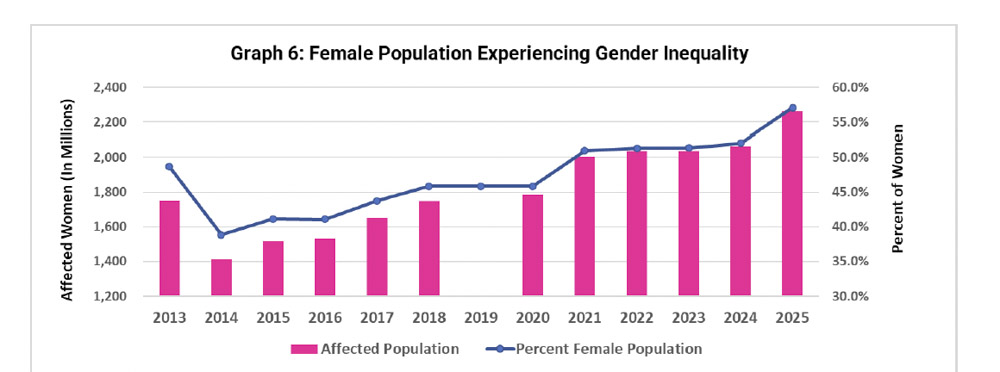
- Gender Dynamics: Women and girls face structural barriers—such as restricted property ownership, limited access to formal credit, unequal burdens of unpaid care work, and lower rates of educational attainment—that heighten their vulnerability to persistent poverty.
Detailed regional data and historical progress metrics can be explored via the World Bank Poverty and Inequality Platform, which compiles harmonized household survey data globally.
Comparative Overview of Poverty Measurement Frameworks
Evaluating the scope of poverty requires selecting the appropriate metric based on policy objectives, economic contexts, and geographic regions.
| Metric / Framework | Threshold / Core Components | Primary Application | Key Operational Advantage |
|---|---|---|---|
| Extreme Poverty Line (IPL) | $2.15 per day (2017 PPP) | Global baseline tracking; low-income nations | Offers a unified monetary metric for long-term global comparison. |
| Lower-Middle Poverty Line | $3.65 per day (2017 PPP) | Lower-middle-income countries | Captures basic living requirements in developing market contexts. |
| Upper-Middle Poverty Line | $6.85 per day (2017 PPP) | Upper-middle-income countries | Reflects higher social and economic standards for baseline inclusion. |
| Multidimensional Poverty Index | 10 indicators across Health, Education, & Living Standards | Complex policy targeted at non-monetary deficits | Maps intersecting non-income deprivations at household levels. |
| Relative Poverty Lines | Percentage of median national income (e.g., 50% or 60%) | OECD and high-income nation analyses | Evaluates social exclusion and income inequality within specific societies. |
Key Drivers of Persistent and Recurrent Poverty
Poverty is rarely caused by a single isolated factor. Instead, it results from intersecting macroeconomic, political, environmental, and structural drivers that trap individuals and communities across generations.
Macroeconomic Shocks and Inflation
Macroeconomic instability directly worsens poverty rates. Sharp inflation—particularly food and energy price inflation—disproportionately harms low-income households, which spend a majority of their budgets on basic consumption goods. Currency depreciations, fiscal austerity measures, and rising sovereign debt service burdens often reduce a government's capacity to fund critical public services, social safety nets, and healthcare systems.
Conflict, Governance, and Forced Displacement
Armed conflict and institutional failure represent severe barriers to poverty reduction:
- Asset Destruction: War destroys public utilities, housing stock, health centers, and commercial transport networks.
- Human Capital Flight: Conflict drives skilled labor, medical professionals, and educators away from affected regions.
- Capital Capitalization Deficit: Instability discourages domestic and foreign direct investment, stalling economic growth and formal job creation.
- Displacement: Millions of internally displaced persons (IDPs) and refugees lose access to land, formal employment, and social networks, leaving them dependent on emergency humanitarian relief.
Climate Change and Agricultural Degradation
Climate change poses an existential threat to poverty eradication efforts, particularly for rural households dependent on rain-fed agriculture. Increased frequency of extreme weather events—such as severe droughts, erratic monsoon seasons, flash flooding, and severe heatwaves—destroys crops, kills livestock, and erodes fertile topsoil.
Environmental degradation forces rural populations into emergency distress sales of productive assets (such as tools or livestock), triggering poverty traps that persist long after immediate climate shocks pass. The United Nations Sustainable Development Goals explicitly highlight climate resilience as an essential pillar of Goal 1: ending poverty in all its forms everywhere.
Primary Poverty Drivers & Feedback Loops
- Macroeconomic Shocks (Inflation, Currency Crises, Debt)
- Reduced Purchasing Power (Food insecurity, reduced health/edu spending)
- Intergenerational Poverty (Child malnutrition, educational deficits)
Strategic Frameworks for Eradication and Sustainable Interventions
Addressing the broad scope of global poverty requires coordinated strategies combining macroeconomic development, targeted social programs, and structural institutional reforms.
Social Protection Systems and Targeted Interventions
Social protection programs provide safety nets that prevent vulnerable households from falling deeper into poverty during crises:
- Conditional Cash Transfers (CCTs): Programs that provide direct cash assistance to low-income families on the condition that children maintain school attendance and undergo routine health checkups.
- Unconditional Cash Transfers (UCTs): Direct financial support that provides immediate relief, enabling households to prioritize their most urgent material needs, purchase food, or invest in small enterprises.
- Public Works Programs: Guaranteed temporary employment initiatives that build local infrastructure (such as roads, water harvesting systems, and community buildings) while injecting cash directly into low-income rural economies.
Targeted social safety nets must be complemented by investments in universal human capital development—specifically public healthcare systems, early childhood nutrition programs, and accessible primary and secondary education.
Institutional Reform and Economic Resilience
Long-term economic mobility depends on structural reforms that enable inclusive economic growth:
- Property Rights and Financial Inclusion: Securing legal land tenure allows low-income families to collateralize property, access formal banking systems, and invest in sustainable land improvements. Expanding digital financial services and mobile banking broaden financial inclusion in remote regions.
- Infrastructure Development: Building reliable transport networks, rural electrification grids, and reliable digital connectivity reduces market transaction costs and integrates isolated rural producers into regional value chains.
- Resilient Agricultural Practices: Broadening access to climate-resilient seed strains, modern irrigation systems, and agricultural crop insurance buffers smallholder farmers against environmental volatility.
Independent analytical research provided by institutions like Our World in Data highlights that sustained economic growth combined with active income redistribution mechanisms offers the clearest historical path to reducing overall poverty headcount ratios.
Frequently Asked Questions
What is the current international extreme poverty threshold?
The World Bank sets the international extreme poverty threshold at $2.15 per day per person, evaluated using 2017 Purchasing Power Parity (PPP) rates. This line reflects the baseline financial resources needed to secure basic food, shelter, and survival necessities in the world's poorest nations.
How does multidimensional poverty differ from monetary poverty?
Monetary poverty measures income or household consumption expenditure against a cash threshold. Multidimensional poverty evaluates directly experienced deprivations across multiple life dimensions—including nutrition, health outcomes, years of education, clean water, sanitation, and housing materials. An individual can live above the monetary poverty line while remaining multidimensionally poor.
Why is global poverty concentrated heavily in specific geographic regions?
Poverty is disproportionately concentrated in Sub-Saharan Africa, South Asia, and conflict-affected states due to compounding factors. These include historical governance challenges, fragile political institutions, high vulnerability to climate shocks, inadequate physical and economic infrastructure, and rapid population growth relative to formal job creation.
What role do climate change and conflict play in reversing poverty reduction progress?
Conflict destroys productive capital, destabilizes markets, displaces populations, and diverts public funding away from social services toward defense spending. Climate change causes crop failures, livestock losses, and physical displacement through severe weather events. Both factors create economic shocks that drive vulnerable populations back into absolute poverty.
Are international goals to end extreme poverty by 2030 achievable?
Progress toward United Nations Sustainable Development Goal 1 (ending extreme poverty by 2030) faces major headwinds. Stagnant post-pandemic economic recoveries, ongoing international conflicts, persistent global inflation, and accelerated climate impacts make achieving zero extreme monetary poverty by 2030 unlikely without immediate, targeted, and substantial international intervention.
Actionable Steps for Policy, Development, and Individual Engagement
Understanding global poverty serves as the baseline for constructing effective interventions across multiple levels of decision-making:
- For Policymakers: Prioritize establishing adaptive social safety nets, expanding digital financial infrastructure, protecting public health and education budgets, and building climate resilience directly into regional development frameworks.
- For Development Agencies and Non-Governmental Organizations: Target interventions at intersecting deprivations identified by the Multidimensional Poverty Index. Direct financial and technical assistance to high-risk rural areas, fragile states, and programs that focus on women and children.
- For Academic Researchers and Analysts: Standardize household survey collection methods, improve local-level data collection in fragile zones, and conduct longitudinal evaluations of long-term social protection programs to measure intervention efficacy accurately.
- For Individual Donors and Advocates: Support evidence-backed charitable interventions, advocate for policy reforms that address systemic market trade barriers faced by developing nations, and stay informed using verified, open-access poverty platforms.
Image Gallery