Carnesale Funeral Home NJ: Comprehensive Guide and Planning Resources for 2026
Navigating the passing of a loved one requires immediate support, clear decision-making, and trusted local guidance. Families searching for Carnesale Funeral Home NJ typically seek dependable memorial services, precise location data, t...
Navigating the passing of a loved one requires immediate support, clear decision-making, and trusted local guidance. Families searching for Carnesale Funeral Home NJ typically seek dependable memorial services, precise location data, transparent pricing structures, and compassionate direction during moments of grief. Situated in the heart of New Jersey, local funeral establishments provide essential arrangements ranging from traditional religious services to contemporary celebrations of life and direct cremation options.
Contents
Understanding Local Funeral Services in New Jersey
Selecting a funeral home involves evaluating a combination of licensing requirements, facility capabilities, and staff empathy. New Jersey boasts rigorous state regulations governed by the New Jersey State Board of Mortuary Science, ensuring that licensed morticians maintain high ethical and operational standards. When families evaluate regional providers in 2026, understanding the scope of available services helps reduce stress during an emotionally demanding time.
Professional mortuary services encompass several core operational pillars:
- Immediate Need Transport: 24/7 availability for transferring the deceased from the place of passing to the funeral facility.
- Embalming and Restorative Arts: Professional hygienic preparation, cosmetic restoration, and casketing for viewings.
- Ceremonial Coordination: Scheduling clergy, securing permits, filing death certificates, and managing cemetery or crematory logistics.
- Grief Support Resources: Providing post-loss counseling referrals, bereavement packets, and memorial anniversary reminders.
Facility Specifications and Regional Context
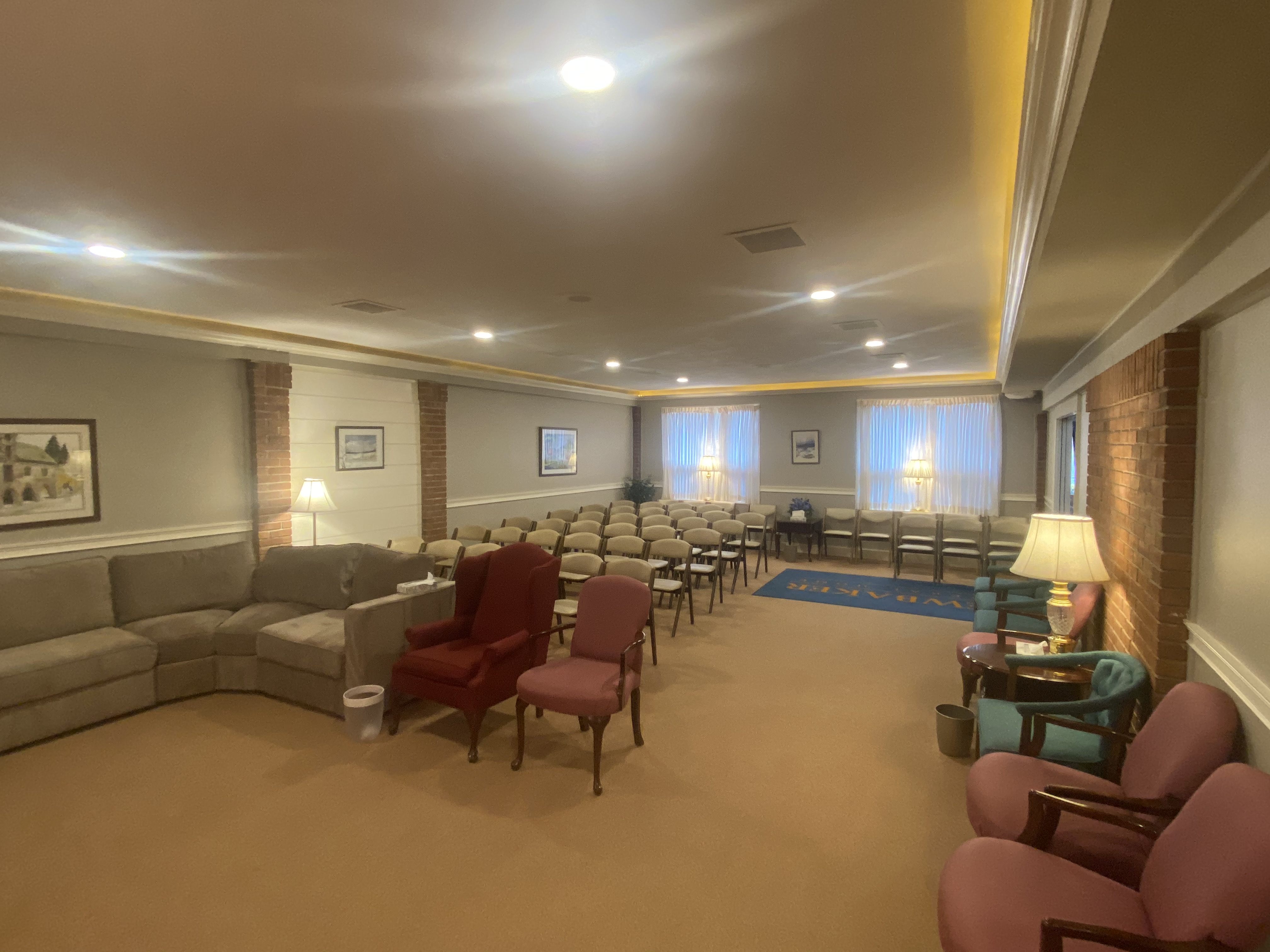
Located within accessible transportation corridors in New Jersey, established regional funeral homes offer accommodations designed to host gatherings of varying sizes. Modern facilities balance traditional aesthetic solemnity with contemporary multimedia capabilities.
Key structural features of prominent New Jersey funeral establishments include:
- Viewing Parlors: Climate-controlled rooms configured for private family viewings or large public visitations.
- Chapel Spaces: Non-denominational seating areas equipped with sound systems for religious services, secular tributes, or hybrid virtual viewings.
- Arrangement Offices: Private consultation rooms where licensed directors review merchandise catalogs, outline pricing, and complete legal documentation.
- On-Site Parking: Dedicated, well-lit parking lots with ADA-compliant accessibility ramps and wheelchair accommodations.
Comprehensive Comparison of Disposition Options
Choosing between burial and cremation is one of the first major decisions families face. Each path involves distinct regulatory requirements, timeline constraints, and financial considerations under New Jersey law.
| Disposition Type | Primary Procedures Involved | Average New Jersey Timeframe | Typical Associated Costs |
|---|---|---|---|
| Traditional Ground Burial | Embalming, casketing, visitation, religious service, cemetery plot, outer burial container. | 4 to 7 days from passing | Moderate to High (includes vault and plot fees) |
| Direct Cremation | Immediate transport, secure refrigeration, basic container, cremation process, return of cremated remains. | 3 to 5 days (pending medical examiner sign-off) | Low to Moderate (excludes memorial service venue) |
| Cremation with Memorial | Cremation performed prior to service; urn displayed during a formal visitation or religious ceremony. | 5 to 10 days | Moderate |
| Green / Natural Burial | Unembalmed body, biodegradable shroud or casket, burial in a designated conservation cemetery without a concrete vault. | 3 to 5 days | Moderate (varies by conservation ground fees) |
Step-by-Step Guide to Arranging Services
When a death occurs, following a structured roadmap helps families handle administrative duties efficiently without missing critical legal steps.
- Secure Official Pronouncement: If the death occurs at home under hospice care, contact the hospice nurse. If unexpected, dial emergency services immediately so medical professionals or police can establish time of death and notify the local medical examiner.
- Select a Licensed Funeral Director: Contact a trusted New Jersey funeral home to initiate transfer services. The funeral director will coordinate directly with hospitals, nursing facilities, or the medical examiner.
- Gather Vital Statistics: Prepare necessary information for the death certificate, including the deceased's full legal name, social security number, date of birth, parents' names (including mother's maiden name), highest level of education, and occupation.
- Determine Disposition and Service Type: Meet with the funeral director to review pre-need arrangements, if any exist, or to choose between burial, entombment, or cremation. Select casket or urn options, floral tributes, and music.
- Draft the Obituary: Write a memorial notice for local newspapers or digital platforms, detailing service dates, times, and designated charitable donation preferences.
- Finalize Financial Obligations: Review the Federal Trade Commission (FTC) mandated General Price List (GPL), sign the itemized statement of goods and services, and arrange payment methods.
Financial Transparency and Consumer Rights
Navigating funeral costs can feel overwhelming, but federal and state consumer protections exist to safeguard grieving families. Under the FTC Funeral Rule, funeral homes are legally required to provide clear, itemized pricing over the phone and in writing upon request.
Important Consumer Protections: You have the legal right to select only the specific goods and services you desire. Funeral homes cannot force you to purchase a package deal, nor can they charge a handling fee if you supply your own casket purchased from a third-party retailer. Always request the General Price List before discussing specific arrangements.
Pre-Planning vs. At-Need Planning
- Pre-Need Arrangements: Locking in arrangements ahead of time protects families from future inflation, relieves emotional burdens on survivors, and ensures personal wishes are explicitly documented. In New Jersey, pre-paid funeral funds are typically placed into state-regulated trusts or insurance-backed policies.
- At-Need Arrangements: Arranging services immediately following a passing requires quick decision-making. Families should lean on experienced funeral directors to manage expedited timelines while maintaining cost control.
Frequently Asked Questions
What immediate steps should I take when a family member passes away in New Jersey?
Contact emergency services if the death is unexpected, or the attending hospice nurse if the death occurs at home, then reach out to a licensed funeral director to coordinate transport. The funeral home will guide you through obtaining permits and scheduling the initial arrangement conference.
Are funeral homes in New Jersey required by law to provide itemized price lists?
Yes, under the federal FTC Funeral Rule, all funeral establishments must provide an itemized General Price List (GPL) detailing the cost of every individual service and product offered.
What is the difference between direct cremation and a traditional viewing service?
Direct cremation takes place shortly after passing without embalming, viewing, or formal ceremonies prior to the process, whereas a traditional service includes embalming, cosmetic preparation, public visitation, and a funeral ceremony with a casket present.
Can I purchase a casket or urn from an online retailer instead of the funeral home?
Yes, federal regulations state that funeral homes must accept caskets or urns purchased from outside third-party vendors without adding extra surcharges or handling fees.
How are pre-paid funeral funds protected in New Jersey?
New Jersey law strictly regulates pre-paid funeral agreements, requiring funds to be deposited into insured interest-bearing trust accounts or dedicated insurance-backed funeral trusts until the services are rendered.
What documentation is required to obtain a burial or cremation permit?
The funeral director handles the completion of the death certificate, signed by the attending physician or medical examiner, which is then filed with the local registrar to issue the final disposition permit.
Conclusion and Next Steps
Securing compassionate, professional mortuary care is an essential step in honoring a loved one and beginning the healing process. Families evaluating options across New Jersey should reach out directly to licensed directors to review detailed General Price Lists, tour available facilities, and discuss personalized memorial options tailored to specific cultural, religious, or personal wishes.
Image Gallery