Eminem Mother Song: The Evolution from Conflict to Reconciliation
The primary "Eminem mother songs" are "Cleanin' Out My Closet" (2002) and "Headlights" (2013). While the former is a scathing indictment of his mother, Debbie Nelson, the latter serves as a profound public apology. These tracks represe...
The primary "Eminem mother songs" are "Cleanin' Out My Closet" (2002) and "Headlights" (2013). While the former is a scathing indictment of his mother, Debbie Nelson, the latter serves as a profound public apology. These tracks represent the emotional arc of their relationship, spanning decades of public feuds and private healing.
Contents
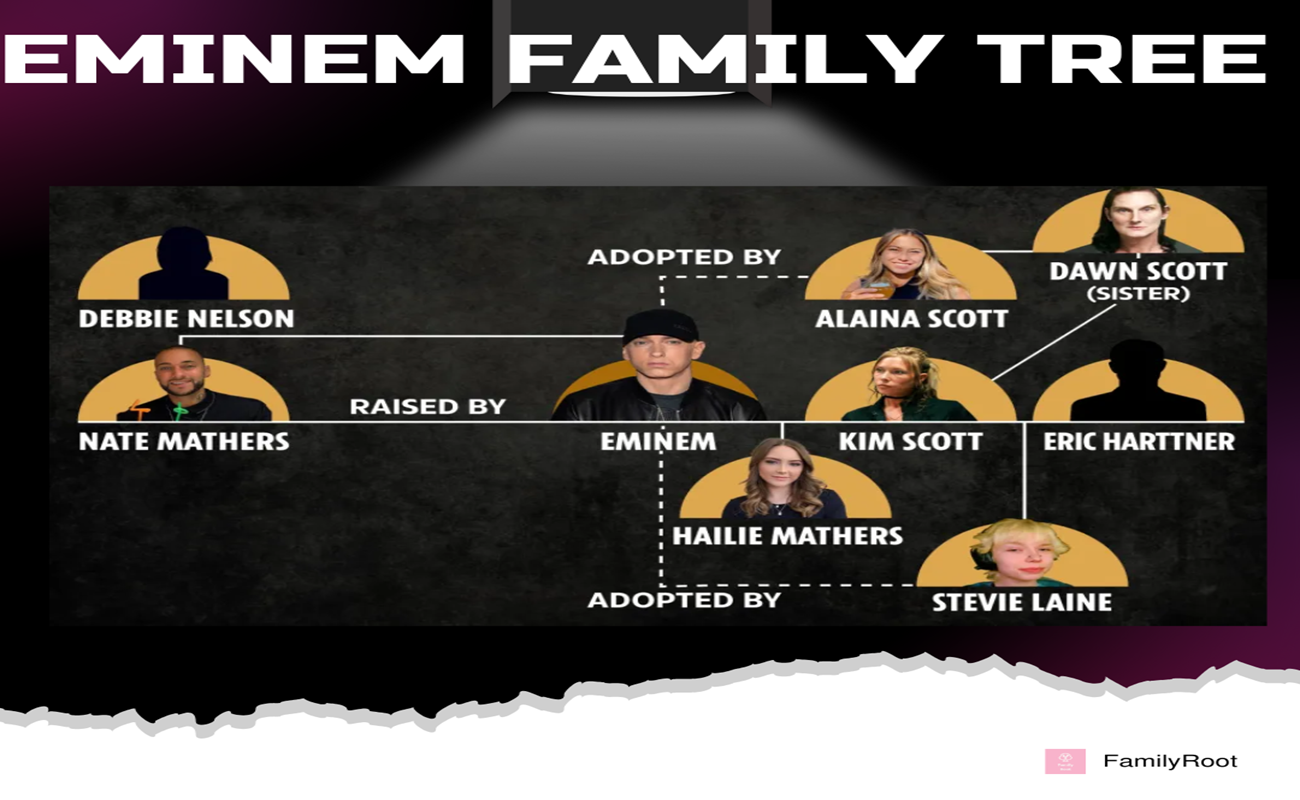
The relationship between Marshall Mathers, known globally as Eminem, and his mother, Debbie Nelson, has been one of the most documented and analyzed familial conflicts in music history. For over 25 years, Eminem has used his discography as a diary, documenting his transition from a resentful youth to a regretful father and, eventually, a son seeking peace. As of 2026, these songs remain cornerstone texts in hip-hop for their raw vulnerability and the way they mirror the complexities of generational trauma and substance abuse.
The Era of Resentment: "Cleanin' Out My Closet" (2002)
To understand the "Eminem mother song" phenomenon, one must start with the track that defined his early career's anger. Released as part of The Eminem Show in 2002, "Cleanin' Out My Closet" was a visceral exploration of Mathers' childhood grievances.
Lyrical Content and Grievances
In this track, Eminem did not hold back. He accused his mother of suffering from Munchausen syndrome by proxy—a psychological disorder where a caregiver creates or exaggerates physical or psychological symptoms in a child to gain attention. The lyrics vividly describe a household defined by instability, drug use, and neglect. The chorus, a haunting melody about "cleaning out my closet," symbolized his attempt to air out all the "skeletons" or secrets of his upbringing so he could finally move on.
Cultural and Legal Impact
The song was more than just a musical hit; it was a cultural flashpoint. At the time, it was rare for a high-profile artist to speak so disparagingly about their parents in such a public forum. The song followed a $10 million defamation lawsuit filed by Debbie Nelson against her son in 1999 (which was eventually settled for a much smaller sum). "Cleanin' Out My Closet" served as Eminem's final word on the matter during that era, punctuated by the line where he vows she will never see her granddaughter, Hailie.
The Satirical Dark Side: "My Mom" (2009)
After a five-year hiatus and a near-fatal overdose, Eminem returned with the album Relapse. On this record, he revisited the theme of his mother through a different lens in the song "My Mom."
Analyzing Shared Addiction
Unlike the pure rage of his 2002 work, "My Mom" took a more satirical, albeit dark, approach. In this song, Eminem explored the idea that his own struggles with prescription drug addiction were a learned behavior inherited from or encouraged by his mother. He uses the lyrics to claim that his mother used to put Valium in his food, suggesting a cycle of dependency that began in his youth. While the tone is somewhat cartoonish—matching the "Slim Shady" persona's exaggerated style—the underlying message was one of deep-seated trauma and the tragedy of shared cycles of addiction.
The Great Reconciliation: "Headlights" (2013)
By 2013, the narrative shifted dramatically. With the release of The Marshall Mathers LP 2, Eminem shocked fans and critics alike with "Headlights," a song that served as a formal apology to Debbie Nelson.
The Message of Forgiveness
"Headlights," featuring Nate Ruess, is a complete 180-degree turn from "Cleanin' Out My Closet." In the lyrics, Eminem expresses regret for the way he portrayed his mother in the past. He acknowledges that while their relationship was fraught with difficulty, she was also a victim of her circumstances. Most notably, he admits that he no longer plays "Cleanin' Out My Closet" in concert because the song makes him "cringe."
The Music Video and Symbolism
Directed by Spike Lee, the music video for "Headlights" is shot from the perspective of Debbie Nelson. It shows her attempting to reach out to her son and being rebuffed by security, highlighting the literal and metaphorical walls Mathers had built. The song's title refers to the "headlights" of his car as he drove away from her house, reflecting on the distance between them. As of 2026, "Headlights" stands as one of the most significant examples of emotional maturity in the hip-hop genre.
Comparing the Key "Mother Songs"
The following table compares the two most significant songs in this category to highlight the artist's evolution.
| Feature | "Cleanin' Out My Closet" | "Headlights" |
|---|---|---|
| Release Year | 2002 | 2013 |
| Album | The Eminem Show | The Marshall Mathers LP 2 |
| Primary Emotion | Rage, Resentment, Bitterness | Regret, Forgiveness, Empathy |
| Key Accusation/Statement | Munchausen syndrome by proxy | "I love you, Debbie" |
| Relationship Status | Estranged and Litigious | Seeking Peace / Distant Respect |
| Musical Tone | Dark, Drum-heavy, Menacing | Melodic, Anthemic, Orchestral |
| Public Reception | Controversial and Rebellious | Mature and Groundbreaking |
Other Notable Mentions in the Discography
While "Cleanin' Out My Closet" and "Headlights" are the pillars, several other songs contribute to the "mother song" narrative in Eminem's work:
- "My Name Is" (1999): The debut single that started it all, featuring the line: "My mom smokes more dope than I do." This was the first public indication of their fractured relationship.
- "Marshall Mathers" (2000): A track where he vents about the $10 million lawsuit she filed against him.
- "Kill You" (2000): While mostly a horrorcore track, it contains violent imagery directed toward a mother figure, which Mathers later clarified as part of the "Slim Shady" character's shock value rather than a literal threat.
- "Somebody Save Me" (2024): In his more recent work, Eminem reflects on his role as a father, which indirectly touches upon the family dynamics he inherited. He expresses a desire to break the chains of the past for the sake of his own children.
The Impact of Generational Trauma
The fascination with Eminem’s songs about his mother isn't just about celebrity gossip; it's an exploration of generational trauma. The lyrics across three decades illustrate how environments of poverty and substance abuse can lead to a "war" between parents and children.
Psychologically, Eminem’s work provides a case study in the "victim-to-aggressor" cycle and the eventual breaking of that cycle through therapy and sobriety. By the time he reached his 50s, Mathers' music began to emphasize the importance of breaking these patterns. His shift from blaming his mother for his problems to acknowledging her own struggles (as seen in "Headlights") reflects a sophisticated understanding of empathy that is often missing from early-career hip-hop.
FAQs About Eminem's Songs for His Mother
Did Eminem ever make peace with his mother?
Based on his lyrics in "Headlights" and various interviews, Eminem reached a point of "distant peace." While it is not publicly confirmed if they maintain a regular, daily relationship as of 2026, the song served as a public olive branch. He has stated that he no longer harbors the "hate" that fueled his early records and recognizes that his mother was dealing with her own trauma.
Why did Eminem's mother sue him?
Debbie Nelson sued her son for $10 million in 1999 following the release of The Slim Shady LP. She claimed that he had defamed her in lyrics and interviews, specifically regarding her drug use. The case was eventually settled in 2001, with Nelson receiving approximately $25,000, most of which went toward her legal fees.
Does Eminem still perform "Cleanin' Out My Closet"?
Eminem has largely retired "Cleanin' Out My Closet" from his live performances. In the lyrics of "Headlights," he explicitly states: "That song I no longer play at shows and I cringe every time it's on the radio." He feels that the anger in the song no longer reflects his feelings toward his mother.
What is the song "Headlights" about?
"Headlights" is a 2013 song from The Marshall Mathers LP 2 where Eminem apologizes to his mother. He expresses regret for their estrangement, acknowledges her role in raising him despite her flaws, and admits that he took his anger too far in his earlier music. It features Nate Ruess of the band Fun.
What book did Eminem's mother write?
In 2008, Debbie Nelson published a memoir titled My Son Marshall, My Son Eminem. In the book, she provided her perspective on their life in Detroit, her health struggles, and her son's rise to fame. The book was her attempt to counter the narrative Eminem had established in his songs.
Final Recommendation
For those looking to understand the full scope of Eminem’s relationship with his mother, it is recommended to listen to "Cleanin' Out My Closet" followed immediately by "Headlights." This provides the most comprehensive "before and after" look at a man processing a lifetime of anger and eventually choosing forgiveness. As we look at his body of work in 2026, these songs serve as a powerful reminder that while the "closet" may have been full of skeletons, it is possible to eventually turn the lights on and find peace.
Image Gallery