The Career and Legacy of Roger Ruzek: A Definitive Guide to the NFL Placekicker
Roger Ruzek was a professional NFL placekicker who played for the Dallas Cowboys and Philadelphia Eagles between 1987 and 1993. Known for his reliability during the early 1990s, Ruzek scored 571 career points and remains a significant...
Roger Ruzek was a professional NFL placekicker who played for the Dallas Cowboys and Philadelphia Eagles between 1987 and 1993. Known for his reliability during the early 1990s, Ruzek scored 571 career points and remains a significant figure in Eagles history for his contributions during their dominant defensive era under Buddy Ryan and Richie Kotite.
Contents
Collegiate Foundation at Weber State
Before his entry into the professional ranks, Roger Ruzek established himself as a standout specialist at Weber State University. Competing in the Big Sky Conference during the early 1980s, Ruzek developed the leg strength and accuracy required to catch the attention of NFL scouts. During his collegiate tenure, the kicking game was undergoing a significant transition from the traditional straight-on toe-kicking style to the soccer-style approach that Ruzek utilized.
At Weber State, Ruzek was tasked with kicking in diverse weather conditions, ranging from the high altitudes of Utah to the windy environments of the Pacific Northwest. This experience proved invaluable, as it prepared him for the aerodynamic challenges of professional stadiums. By the time he graduated, he had set several school records, proving that he could maintain composure under pressure—a prerequisite for any kicker hoping to survive the volatility of an NFL roster. His success at the collegiate level served as a proof of concept for his mechanical consistency, eventually leading to his professional debut during one of the most tumultuous periods in league history.
Entering the NFL: The 1987 Strike and the Dallas Cowboys
Roger Ruzek’s path to the NFL was unconventional, as he entered the league during the 1987 players' strike. When the regular players walked out, NFL owners recruited "replacement players" to continue the season. Ruzek was signed by the Dallas Cowboys to handle kicking duties during this period. While many replacement players faded into obscurity once the strike ended, Ruzek’s performance was so impressive that the Cowboys kept him on the active roster even after the veterans returned.
During the 1987 season, Ruzek demonstrated immediate value by converting 11 of 15 field goals. In an era where field goal percentages were significantly lower than the specialized standards of 2026, a 73.3% success rate for a rookie was considered highly promising. He spent two and a half seasons in Dallas, providing stability for a team that was transitioning from the Tom Landry era to the Jimmy Johnson era. However, as the Cowboys began their total roster overhaul in 1989 to build their 1990s dynasty, Ruzek was eventually released, setting the stage for the most defining chapter of his career in Philadelphia.
The Philadelphia Eagles Era (1989–1993)
In 1989, the Philadelphia Eagles were in desperate need of a reliable kicker. Head coach Buddy Ryan was famous for his "defense-first" philosophy, which placed an immense burden on the special teams unit to capitalize on every scoring opportunity. Ruzek joined the Eagles mid-season and immediately stabilized the position. He replaced Luis Zendejas, who had been at the center of the infamous "Bounty Bowl" controversy, and Ruzek quickly became a fan favorite for his efficiency.
The early 1990s in Philadelphia were defined by the "Gang Green" defense, led by legends like Reggie White and Jerome Brown. Because the Eagles' offense often struggled to move the ball consistently, Ruzek was frequently called upon to provide the team’s only points. His ability to convert short and mid-range field goals was the difference-maker in numerous low-scoring defensive battles. Between 1990 and 1992, Ruzek was among the more consistent kickers in the NFC, providing a veteran presence on a special teams unit that had to perform in the notoriously difficult environment of Veterans Stadium.
The Technicality of Kicking in the Early 1990s
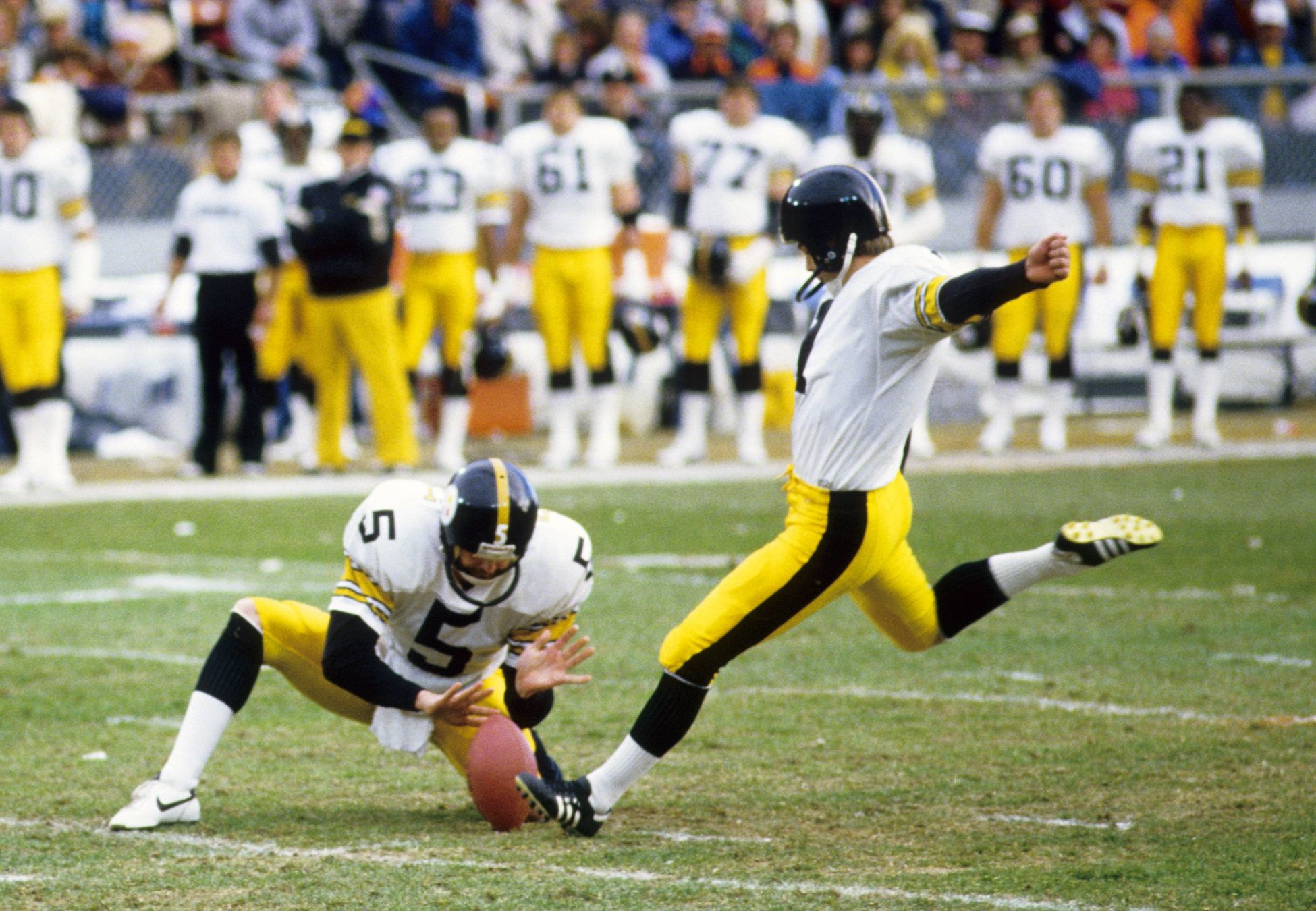
To appreciate Roger Ruzek's career, one must understand the technical environment of the NFL during his tenure. Unlike the pristine, heated grass surfaces and retractable domes common in 2026, Ruzek played the majority of his home games on "The Vet's" infamous AstroTurf. This surface was essentially a thin layer of green carpet over concrete, which made the "plant foot" mechanics incredibly dangerous and difficult for kickers.
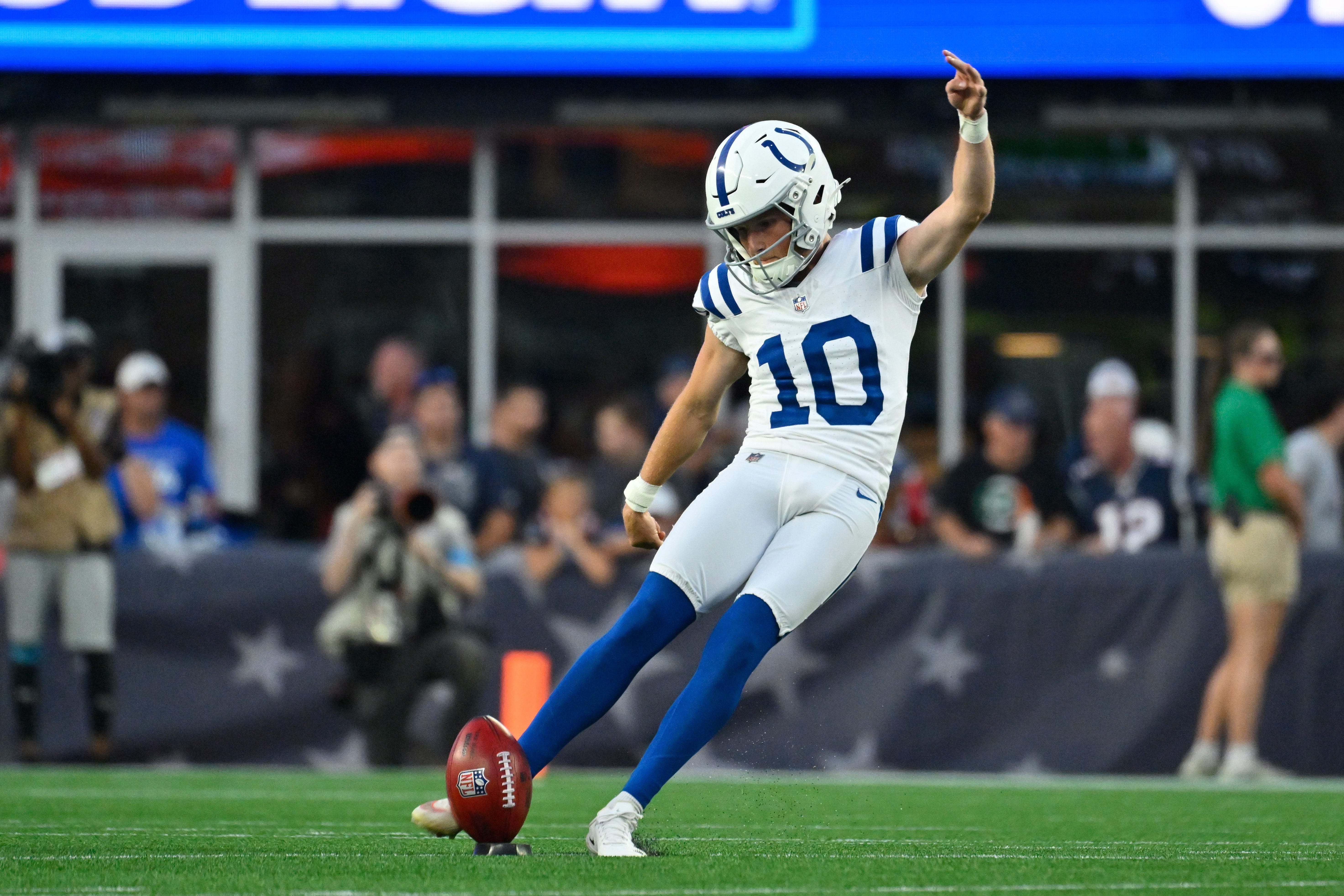
The soccer-style kick Ruzek employed required a stable plant foot to generate torque and accuracy. On AstroTurf, the lack of "give" in the ground meant that any slight misalignment could lead to a missed kick or a significant ankle injury. Furthermore, the specialized "K-ball" (a harder, slicker ball used specifically for kicking) had not yet been standardized in the way it is today. Kickers in Ruzek’s era dealt with balls that were often worked over by quarterbacks to be soft for passing, which made them less aerodynamic for long-distance field goals. Despite these limitations, Ruzek maintained a career long of 53 yards, proving he had the leg strength to compete with the elite specialists of his time.
Analyzing the 1991 Statistical Peak
The 1991 NFL season remains the statistical high point of Roger Ruzek’s career. That year, he scored a career-high 111 points. This was particularly impressive because the Eagles lost their starting quarterback, Randall Cunningham, to an ACL injury in the first game of the season. With a rotating cast of backup quarterbacks, the offense relied heavily on Ruzek to finish drives.
In 1991, Ruzek converted 21 of 28 field goals and was a perfect 48 for 48 on extra points. During this era, extra points were not the "gimme" they are often perceived as today, as the hash marks were wider, making the angle more difficult than the current centered-alignment rules. Ruzek’s 100% accuracy on PATs (Point After Touchdowns) that season provided the Eagles with the margin of victory in several critical games, helping the team finish with a 10-6 record despite their offensive injuries.
Roger Ruzek Career Statistics Summary
The following table outlines Ruzek's primary statistics during his most active years in the NFL. These numbers reflect the era's standards, where any percentage above 70% was considered starter-quality.
| Year | Team | Games | FG Made | FG Att | FG % | Extra Points | Total Points |
|---|---|---|---|---|---|---|---|
| 1987 | Dallas Cowboys | 12 | 11 | 15 | 73.3% | 27/28 | 60 |
| 1988 | Dallas Cowboys | 16 | 18 | 25 | 72.0% | 29/30 | 83 |
| 1989 | DAL / PHI | 13 | 12 | 19 | 63.2% | 29/30 | 65 |
| 1990 | Philadelphia Eagles | 16 | 18 | 23 | 78.3% | 38/39 | 92 |
| 1991 | Philadelphia Eagles | 16 | 21 | 28 | 75.0% | 48/48 | 111 |
| 1992 | Philadelphia Eagles | 16 | 24 | 34 | 70.6% | 34/37 | 106 |
| 1993 | Philadelphia Eagles | 4 | 11 | 19 | 57.9% | 21/22 | 54 |
| Total | 7 Seasons | 93 | 115 | 163 | 70.6% | 226/234 | 571 |
Data sourced from historical NFL player archives and Pro-Football-Reference.
Challenges and the End of an Era
The decline of Ruzek’s career coincided with the general wear and tear that affects all placekickers. By 1993, his accuracy began to dip, particularly on attempts beyond 40 yards. The Philadelphia Eagles, under Richie Kotite, began looking for younger talent with higher leg velocity. Ruzek’s final season in 1993 saw him struggle with a 57.9% field goal conversion rate, which was significantly below his career average.
Following his departure from the Eagles, Ruzek transitioned away from the professional spotlight. However, his impact on the franchise is still noted by historians of the game. He sits within the top 10 of several all-time Eagles kicking categories, a testament to his longevity during a period when the team was a perennial playoff contender. His career serves as a bridge between the old-school kickers of the 70s and the highly specialized "swing-path" specialists that dominate the modern league in 2026.
Frequently Asked Questions
What was Roger Ruzek's longest field goal?
Roger Ruzek’s career-long field goal was 53 yards. He achieved this distance during his time with the Philadelphia Eagles. In the early 1990s, a 50-plus yard field goal was considered a significant feat, as kicking conditions and ball technology were not as advanced as they are in the modern era.
Which teams did Roger Ruzek play for?
Ruzek played for two primary NFC East rivals: the Dallas Cowboys (1987–1989) and the Philadelphia Eagles (1989–1993). He is one of the few players from that era to have been a regular starter for both storied franchises.
How did Roger Ruzek enter the NFL?
He entered the league as a replacement player during the 1987 NFL strike. Despite the "scab" label often associated with replacement players, Ruzek's talent was undeniable, and he was one of the few specialists to retain his job once the regular players returned to action.
Was Roger Ruzek a soccer-style kicker?
Yes, Roger Ruzek was a soccer-style kicker. This means he approached the ball from an angle and struck it with the instep of his foot, as opposed to the older "straight-on" style where kickers struck the ball with their toes. By the time Ruzek entered the league, soccer-style had become the dominant and more accurate method.
What is Roger Ruzek doing now in 2026?
As of 2026, Roger Ruzek has long been retired from professional football. He has occasionally appeared at Philadelphia Eagles alumni events and remains a respected figure among the "Gang Green" era veterans. Like many former players, he has maintained a private life following his athletic career, occasionally participating in charity golf tournaments and regional sports clinics.
Recommendation for Further Research
For fans and sports historians interested in the evolution of NFL special teams, it is recommended to view archival footage of the 1991 Philadelphia Eagles season. This specific year highlights how a reliable kicker like Ruzek was vital to a team with a historic defense but a compromised offense. Additionally, researching the "Body Bag Game" and other iconic matches from that window provides context for the physical and high-pressure environment in which Ruzek operated.
Image Gallery