Navigating the Denver Light Rail Route: Lines, Stations, and Travel Guide
The Denver Regional Transportation District (RTD) light rail system operates an extensive network across the metropolitan area, connecting downtown Denver with major suburbs like Aurora, Lakewood, Littleton, and Englewood through eight...
The Denver Regional Transportation District (RTD) light rail system operates an extensive network across the metropolitan area, connecting downtown Denver with major suburbs like Aurora, Lakewood, Littleton, and Englewood through eight color-coded lines and over 50 stations.
Contents
Operating an extensive rapid transit network requires a clear understanding of line designations, station layouts, and ticketing structures. Managed by the Regional Transportation District (RTD), the Denver light rail network serves as a foundational pillar of Colorado’s multi-modal public transportation strategy. Whether you are a daily commuter navigating the morning rush or a visitor heading from Denver International Airport to downtown, understanding how the routes intersect, where transfers occur, and how fare policies apply will ensure a seamless journey.
Overview of the Denver Light Rail System
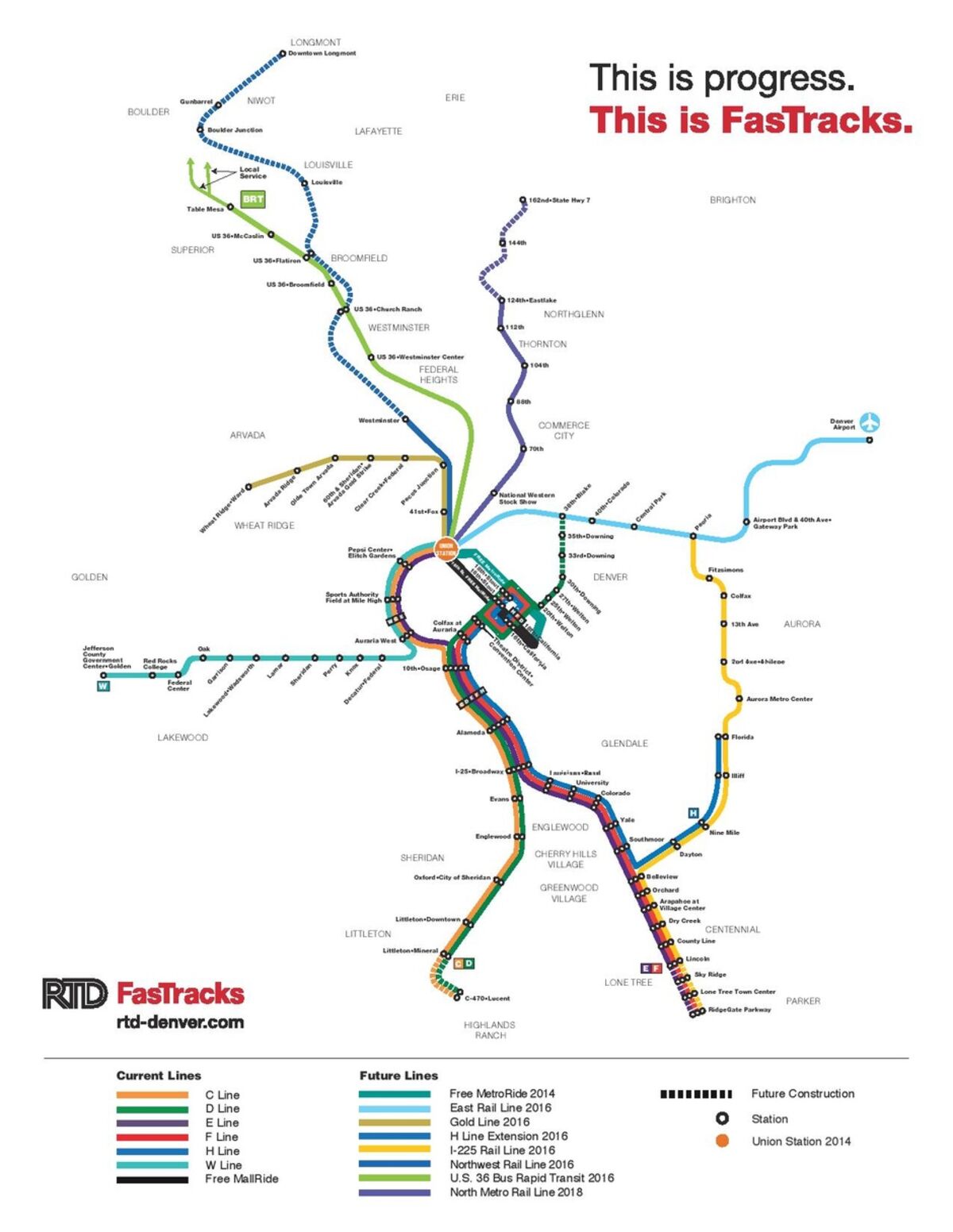
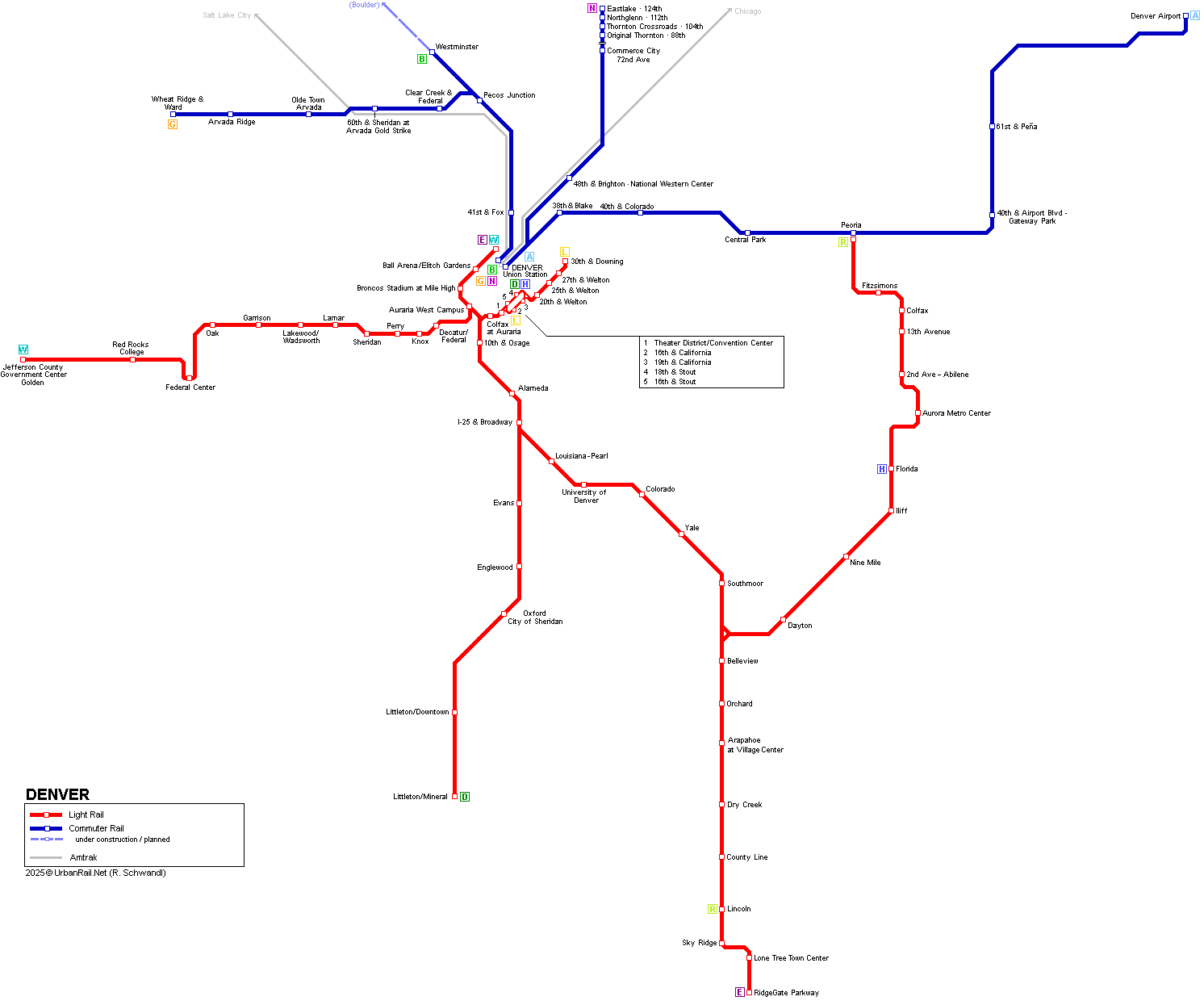
The Denver light rail network spans nearly 60 miles of track, seamlessly integrating with commuter rail lines like the University of Colorado A Line. The system is designed around a hub-and-spoke model, with multiple lines converging on downtown Denver corridors—specifically along the Downtown Loop (15th and 16th Streets) and the Welton Street corridor—before radiating outward into major residential and commercial sub-markets.
Understanding the layout requires recognizing the distinction between light rail and commuter rail. While commuter rail trains are heavier, operate at higher speeds, and feature amenities like luggage racks and onboard restrooms (such as the A Line to the airport or the B Line to Westminster), light rail vehicles are designed for frequent urban stops, rapid boarding, and tight downtown radiuses. The light rail system relies on overhead catenary wires supplying 750 volts of direct current to electric multiple-unit (EMU) cars.
Color-Coded Lines and Primary Destinations
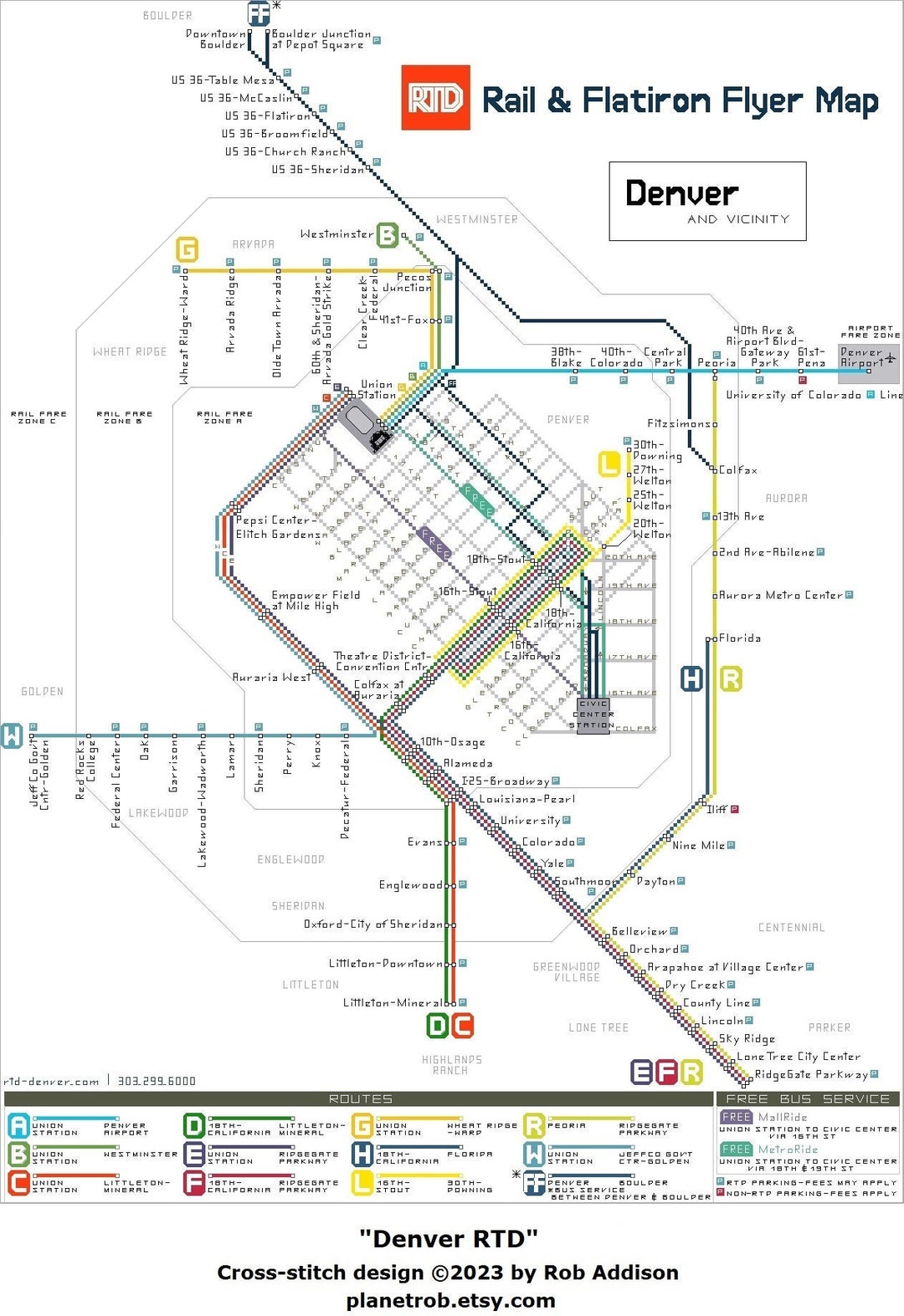
The RTD light rail network consists of several primary color-coded routes. Each line serves specific geographical corridors, and recognizing their terminal points prevents costly travel mistakes.
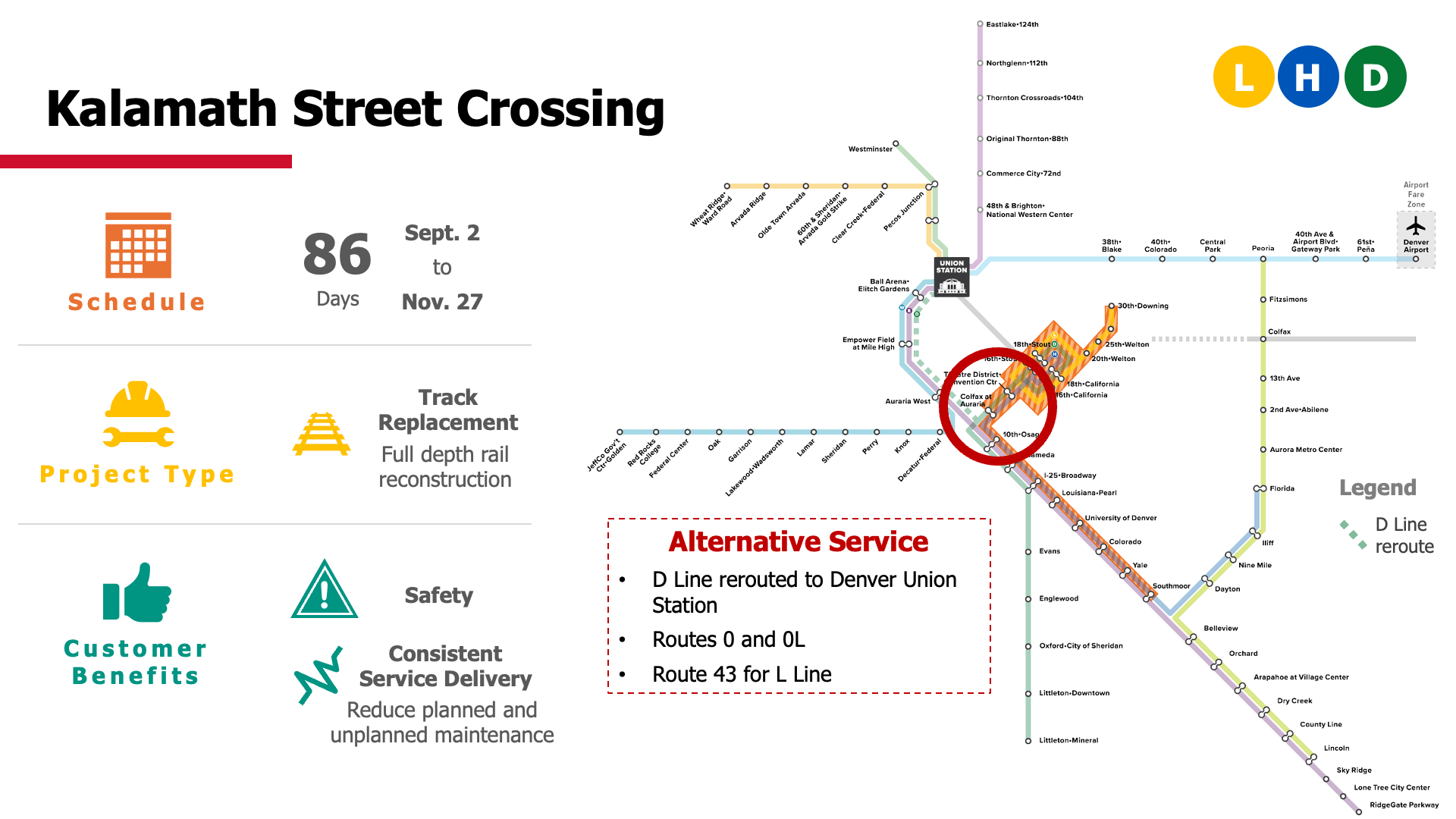
- D Line: Runs between Littleton (Mineral Station) and downtown Denver (18th & California / 18th & Stout), providing critical north-south connectivity along the South Broadway corridor.
- E Line: Connects RidgeGate in Lone Tree to Union Station, traveling along the I-25 corridor and traversing the central downtown loop.
- H Line: Connects Florida Station in Aurora to downtown Denver (Union Station), routing through the I-225 corridor and merging with the central lines at the Nine Mile and Dayton stations before heading northwest.
- L Line: Serves the historic Welton Street corridor, operating between 30th & Downing and downtown Denver (Downtown Loop).
- N Line: (Note: Classified as commuter rail, but tightly integrated) Connects Union Station to Northglenn (112th/Active-Hieghts), sharing major transfer points.
- R Line: Connects Lincoln Station in Lone Tree to Peoria Station in Aurora, running primarily along Interstate 225 and intersecting with the A Line for airport access.
- W Line: Connects Golden (Jeffco Government Center) to Union Station, servicing western suburbs including Lakewood and federal center employment hubs.
Central Corridor and Downtown Operations
The core of the Denver light rail route network lies within the Central Corridor, running along Stout and California Streets, as well as the 5th-to-21st Street transit mall areas. Navigating downtown requires attention to platform signs, as multiple lines share the same tracks. Passengers must check the digital headsigns on approaching trains to confirm the route letter and final destination.
During peak morning and evening commuting hours, headways (the time interval between consecutive trains) drop significantly, often to every 10 to 15 minutes per line. On weekends and late evenings, headways typically stretch to 30 minutes, making schedule pre-planning essential.
| Line | Primary Terminal Points | Key Corridors Served | Major Transfer Connections |
|---|---|---|---|
| D Line | Mineral Station (Littleton) to 18th & California | South Broadway, Speer Boulevard | C, E, H, L, W, RTD Bus Network |
| E Line | RidgeGate Station (Lone Tree) to Union Station | I-25, Tech Center, Downtown Loop | D, H, R, W, A Line, Commuter Rail |
| H Line | Florida Station (Aurora) to Union Station | I-225, Parker Road, Central Corridor | E, R, A Line, Regional Buses |
| L Line | 30th & Downing to Downtown Loop | Welton Street, Five Points | D, E, H, W Lines |
| R Line | Lincoln Station (Lone Tree) to Peoria Station (Aurora) | I-225, Nine Mile, Medical Center | H Line, A Line Commuter Rail |
| W Line | Jeffco Government Center (Golden) to Union Station | Colfax Avenue, Lakewood, Federal Center | D, E, H, L Lines, Union Station Hubs |
Fares, Ticketing, and Standard Validation Rules
Riding the Denver light rail requires valid fare media before boarding the platform or train. RTD operates on a proof-of-payment system, meaning fare enforcement officers routinely conduct random ticket checks onboard trains and at station platforms. Failing to produce a valid ticket or pass can result in a citation and fine.
Fare Zones and Pricing Structure
RTD simplifies fares using standard regional classifications. Most light rail travel falls under the standard local fare structure, though travel extending across multiple distant zones or connecting to specialized airport routes may require regional or airport-specific fares.
- Standard Local Fare: Covers all light rail lines and local bus routes within the standard service area.
- Regional Fare: Required if utilizing specific regional express buses, though standard light rail lines primarily operate within local and regional tier overlaps depending on distance (e.g., travel originating at RidgeGate or Mineral to downtown).
- Airport Fare: While the A Line commuter rail requires a specific airport pass, light rail passengers connecting to the A Line at Peoria Station must ensure their fare media covers the airport tier if traveling all the way to Denver International Airport (DEN).
Purchasing Options
Passengers can acquire tickets through several convenient methods:
- Mobile Ticketing App: The RTD MyRide app or authorized mobile ticketing partners allow users to purchase, store, and activate tickets directly on their smartphones.
- Station Ticket Vending Machines (TVMs): Located at every light rail platform, accepting credit cards, debit cards, and cash. TVMs also handle the loading of MyRide smart cards.
- MyRide Smart Card: A contactless card system that automatically deducts fares as you tap on and tap off, providing fare-capping protections once daily or monthly spending thresholds are met.
Intermodal Connections and Airport Access
The Denver light rail route is engineered to connect seamlessly with other transportation modes across the Front Range. Understanding these interchanges allows travelers to bypass highway congestion.
Union Station: The Regional Transit Hub
Denver Union Station serves as the crown jewel of the RTD network. Located in LoDo (Lower Downtown), the underground bus terminal and surface-level train hall connect the light rail lines (E, H, W) with commuter rail (A Line to Denver International Airport, B Line to Westminster, G Line to Arvada/Wheat Ridge), Amtrak long-distance trains, the 16th Street Free MallRide, and regional commercial bus carriers.
Reaching Denver International Airport (DEN)
While light rail lines do not run directly to Denver International Airport, they integrate smoothly with the University of Colorado A Line commuter rail. Travelers coming from Aurora or the southern suburbs via the R Line can transfer directly at Peoria Station to catch the A Line straight to the airport terminal. Similarly, passengers from the western suburbs (W Line) or downtown can take any connecting line to Union Station and board the A Line directly. The airport trip from Union Station takes approximately 37 minutes, with trains running every 15 minutes during peak hours.
Safety, Security, and System Guidelines
Navigating the light rail network safely requires adhering to standard urban transit rules and remaining aware of your surroundings, particularly at busy downtown street-running junctions.
- Street-Level Crossings: Along the Welton Street corridor (L Line) and parts of downtown, light rail trains share right-of-way with automobile traffic and pedestrians. Always look both ways, obey pedestrian signals, and never cross tracks immediately in front of an oncoming train. Trains require significantly longer braking distances than passenger cars.
- Platform Safety: Stand behind the yellow warning tiles on platforms while waiting for trains. Do not step onto the track bed for any reason.
- Transit Security: RTD Transit Police and private security personnel actively patrol stations and trains. Emergency call boxes are located on every platform, and suspicious activities or safety concerns can be reported directly to transit staff or by calling local emergency services.
- Bikes on Trains: Bicycles are welcomed on all RTD light rail trains. Each car features designated bike racks or open multi-purpose areas. Cyclists must yield priority to boarding passengers with disabilities and secure their bikes properly during transit.
Frequently Asked Questions
How do I transfer between different light rail lines in downtown Denver?
Transfers within the downtown corridor (between Union Station and the 30th/Broadway or Theatre District/Convention Center areas) are seamless. You can step off one train and board another at shared platforms along California and Stout streets without needing to purchase a new ticket, provided your initial fare media remains valid for the duration of your trip.
Are dogs and pets allowed on the Denver light rail?
Well-behaved dogs are allowed on RTD light rail trains, provided they are leashed or kept inside a secure pet carrier. Dogs must remain on the floor and out of aisleways. Service animals accompanying individuals with disabilities are permitted on all vehicles at all times without restriction.
What should I do if my MyRide card balance is low?
You can reload your MyRide card instantly using the ticket vending machines located at any light rail station, online through the RTD customer portal, or via the mobile application. Keeping a minimum balance or setting up auto-reload features prevents boarding delays.
Do light rail tickets expire?
Single-ride tickets purchased from ticket vending machines typically expire within a specific timeframe after purchase or activation, usually structured around a 3-hour transit window which allows for multiple transfers within the system. Check the expiration time printed on paper tickets or displayed in your mobile app wallet.
Is parking available at Denver light rail stations?
Yes, many suburban light rail stations feature Park-n-Ride facilities. Stations like Mineral, RidgeGate, Littleton/Downtown, and Peoria offer expansive parking lots and garages. Parking fees vary, with some lots offering free parking for RTD transit users for up to 24 hours, while long-term or overnight parking may require registration or daily fees. Always check signage at the specific station.
Conclusion and Next Actions
Mastering the Denver light rail route transforms navigating Colorado’s capital into an efficient, stress-free experience. Before embarking on your trip, verify your route using the RTD Trip Planner, download the MyRide app for contactless fare payment, and double-check station headsigns to ensure your train is heading in the correct direction. For real-time service alerts, construction updates, and schedule modifications, consult the official Regional Transportation District (RTD) website before you travel.
Image Gallery