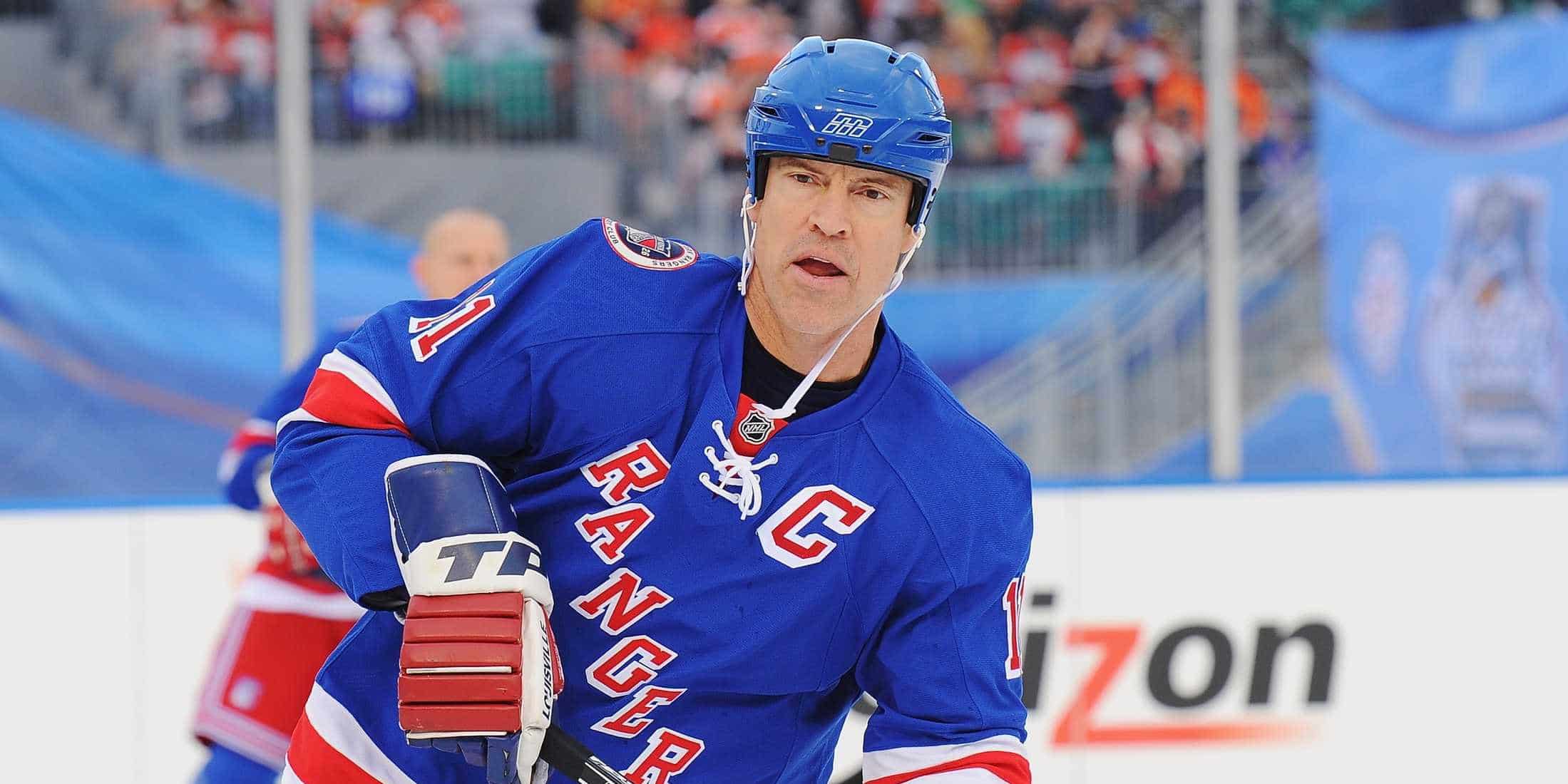
Mark Messier Net Worth Explained in Context
As of 2026, Mark Messier’s net worth is estimated to be approximately $70 million. This valuation is the result of a legendary 25-season NHL career that yielded over $68 million in raw salary, supplemented by decades of blue-chip endor...
As of 2026, Mark Messier’s net worth is estimated to be approximately $70 million. This valuation is the result of a legendary 25-season NHL career that yielded over $68 million in raw salary, supplemented by decades of blue-chip endorsements, strategic real estate investments, and high-profile media contracts with major networks like ESPN.
Contents
To understand Mark Messier’s financial standing, one must look beyond a singular number. His wealth is a case study in how a professional athlete transitions from a high-earning player in a pre-salary cap era into a "corporate athlete" and brand ambassador. Messier, often cited as the greatest leader in professional sports history, has leveraged "The Captain" persona into a diversified portfolio that includes hospitality, media, and leadership consultancy.
The NHL Salary Evolution: Building the Core Wealth
Mark Messier’s professional hockey journey began in 1978 with the Indianapolis Racers of the WHA, but the bulk of his foundational wealth was built across three distinct phases of his NHL career. Unlike modern players who benefit from a strictly defined salary cap and escrow system, Messier played during a period of massive salary escalation.
The Edmonton Oilers Era (1979–1991)
During the Oilers’ dynasty years, salaries were modest by today’s standards. However, as the team won five Stanley Cups, Messier’s market value skyrocketed. By the late 1980s, he was one of the highest-paid players in the league, earning roughly $1 million per season—a significant sum for the era. His departure from Edmonton was partially driven by the shifting economics of the league and his desire for a contract that reflected his status as an elite franchise pillar.
The New York Rangers and the Big Market Premium (1991–1997, 2000–2004)
The move to New York was a financial watershed moment. Playing in the world’s largest media market allowed Messier to command salaries that exceeded $5 million or $6 million annually in the mid-1990s. When he returned to the Rangers in 2000, even in the twilight of his career, he continued to earn top-tier veteran salaries, including a $5.4 million cap hit in the 2003-2004 season before the 2004-05 lockout changed the league’s financial structure forever.
The Vancouver Canucks Interval (1997–2000)
Messier’s three-year stint in Vancouver was one of the most lucrative periods of his career. He signed a three-year deal worth approximately $20 million. This contract remains a point of historical interest due to a long-standing legal dispute regarding a "phantom" ownership stake or value-protection clause, which resulted in an arbitrator awarding Messier $6 million from the Canucks years after he retired.
Endorsements and the Power of "The Captain" Brand
Messier’s net worth is significantly bolstered by his longevity as a brand spokesperson. While many athletes see their endorsement value crater upon retirement, Messier has maintained a consistent presence in North American advertising.
- Lay’s Potato Chips: Perhaps his most iconic partnership, the "Bet You Can’t Eat Just One" campaign, has run in various forms for decades. This partnership provided Messier with consistent six-figure annual income long after his final game.
- Rogers Communications: In Canada, Messier has been a primary face for Rogers, particularly in their NHL broadcasting marketing. His role as a brand ambassador for one of Canada’s largest telecommunications companies ensures a steady stream of revenue.
- Bauer Hockey: Messier’s relationship with equipment giant Bauer went beyond simple promotion. He was heavily involved in the development of the "M11" helmet, designed to better protect against concussions, showcasing his transition into the technical and safety side of the sport.
- Cold-FX and Pfizer: Messier leveraged his reputation for toughness and longevity to promote health and wellness products, tapping into the demographic of aging sports fans who grew up watching the Oilers and Rangers.
Post-Retirement Business and Real Estate Ventures
Messier has not been content to simply live off his career earnings. His business portfolio in 2026 shows a sophisticated approach to asset management.
Hospitality and International Real Estate
Messier has long held interests in the hospitality sector. One of his most notable investments is the Runaway Hill Inn in Harbour Island, Bahamas. Rather than a passive investment, Messier has been known to take an active interest in the property’s management and development. Boutique hospitality in high-demand locations typically offers both capital appreciation and a reliable cash-flow hedge against inflation.
The Kingsbridge Armory Project
One of Messier’s most ambitious—and complicated—ventures was the attempt to convert the Kingsbridge Armory in the Bronx into the world’s largest indoor ice sports center. While the project faced significant bureaucratic and legal hurdles over the last decade, Messier’s involvement as a lead developer demonstrated his willingness to engage in large-scale urban redevelopment. Even when such projects face delays, the intellectual property and development rights associated with them hold material value.
Media and Consulting
In 2021, Messier signed a multi-year deal with ESPN to serve as a studio analyst. In 2026, he remains a central figure in NHL coverage. These broadcasting contracts for "A-list" talent typically range from $500,000 to $1.5 million annually. Furthermore, Messier operates as a leadership consultant for corporate executives, charging high-tier speaking fees for his insights on team building and championship culture.
Comparative Financial Context: Messier vs. Peers
To understand if $70 million is "high" or "low" for a player of his caliber, we must compare his career earnings and current net worth with other legends of his era.
| Player | Estimated Net Worth (2026) | Primary Wealth Drivers |
|---|---|---|
| Mark Messier | $70 Million | NHL Salary, Lay's/Rogers Endorsements, Real Estate |
| Wayne Gretzky | $250 Million | Wine/Spirits, Team Ownership, Global Branding |
| Mario Lemieux | $200 Million | Pittsburgh Penguins Ownership Equity |
| Steve Yzerman | $50 Million | Management Salaries, Career Earnings |
| Joe Sakic | $60 Million | Career Earnings, Executive Compensation |
While Messier’s net worth does not reach the heights of Wayne Gretzky’s (who benefited from massive brand equity and team ownership stakes), it sits comfortably above the average for Hall of Fame players who did not own a franchise. His wealth is characterized by high liquidity and a diverse range of income streams that are not tied to the volatility of a single business.
The Financial Impact of Longevity
Messier’s wealth is a direct product of his 25-season career. Playing until the age of 43 allowed him to collect high-level salaries during the "Gold Rush" of the late 90s and early 2000s when NHL payrolls were expanding rapidly without a hard cap.
Furthermore, his 15-year gap between his first Stanley Cup (1980) and his last (1994) created a multi-generational fan base. This demographic spread is crucial for his 2026 net worth, as he remains relevant to "Gen X" fans who hold high purchasing power and "Millennials" who remember his late-career leadership.
Frequently Asked Questions
Did Mark Messier make more money in Edmonton or New York?
Messier made significantly more money in New York and Vancouver. His total earnings with the Oilers were substantial for the 1980s but were eclipsed by the $6 million+ annual salaries he commanded during his first stint with the Rangers and his subsequent contract with the Canucks.
How much did the Vancouver Canucks lawsuit add to his net worth?
In 2012, an arbitrator awarded Messier $6 million in a dispute with the Canucks over a clause in his 1997 contract. This clause entitled him to a share of the increase in the franchise's value during his tenure. After taxes and legal fees, this provided a significant mid-retirement boost to his liquid assets.
Does Mark Messier own a hockey team?
No, Mark Messier does not currently own an NHL franchise. Unlike Mario Lemieux, who took equity in the Pittsburgh Penguins in lieu of deferred salary, Messier has focused his investments on real estate, hospitality, and media partnerships.
Is Mark Messier still earning money from the Lay’s commercials?
Yes. Messier continues to have a contractual relationship with Frito-Lay (owned by PepsiCo). While the frequency of new commercials varies, his "legacy" status with the brand involves ongoing appearances and promotional rights that contribute to his annual income.
What is Mark Messier's primary source of income in 2026?
His primary income in 2026 is derived from his broadcasting contract with ESPN/Disney, his role as a brand ambassador for Rogers, and dividends from his real estate holdings in the Bahamas and New York.
Expert Recommendation: Evaluating the Athlete-Business Model
For those studying the financial trajectories of retired athletes, Mark Messier represents the "Stability Model." He avoided the high-risk, high-failure rate of starting entirely new industries, instead choosing to monetize his existing reputation (Leadership and "The Captain") through media and consulting.
If you are looking to understand the true "context" of his $70 million net worth, look at his retention rate. Unlike many athletes who lose 50-80% of their wealth within five years of retirement, Messier’s net worth has steadily grown since 2004 through conservative asset management and the preservation of his personal brand’s integrity.
Image Gallery