Navigating the Maryland Housing Program: A Practical Guide
Navigating the Maryland housing program requires understanding specific state-level resources, income eligibility caps, and application procedures designed to assist first-time homebuyers and renters. Programs managed by the Maryland D...
Navigating the Maryland housing program requires understanding specific state-level resources, income eligibility caps, and application procedures designed to assist first-time homebuyers and renters. Programs managed by the Maryland Department of Housing and Community Development (DHCD) offer financial assistance, below-market interest rates, and rental subsidies for qualifying residents.
Contents
Securing safe, stable, and affordable housing in Maryland involves parsing a complex ecosystem of state initiatives, local housing authorities, and federal grants. Whether you are looking to purchase your first home in Baltimore, secure rental assistance in Montgomery County, or rehabilitate an existing property, understanding the mechanics of these programs is essential. This practical guide breaks down the core housing programs available in Maryland, eligibility criteria, application steps, and strategies to successfully navigate the system.
Understanding Maryland’s Housing Landscape
Maryland offers a diverse array of housing assistance programs tailored to different financial situations and geographic locations. The primary governing body overseeing these initiatives is the Maryland Department of Housing and Community Development (DHCD). Through its various divisions, the DHCD partners with local governments, non-profit organizations, and private lenders to distribute funds and administer housing policy.
Housing programs in Maryland generally fall into two broad categories: homeownership assistance and rental or supportive housing assistance. Within these categories, programs are further subdivided based on target demographics, such as low-to-moderate-income families, veterans, individuals with disabilities, and senior citizens. Recognizing which category aligns with your current financial standing is the crucial first step toward securing assistance.
The Role of the Maryland Department of Housing and Community Development (DHCD)
The DHCD acts as the central administrative hub for state-backed housing initiatives. Its mission is to revitalize communities, expand affordable housing options, and stimulate residential investment. Programs managed directly or indirectly by the DHCD often feature favorable financing terms that commercial banks cannot match.
For instance, state-backed mortgage programs frequently offer lower interest rates, reduced down payment requirements, and down payment assistance (DPA) grants or loans. However, accessing these benefits requires strict adherence to application guidelines, income verification, and homeownership counseling mandates.
Maryland Homeownership Programs
For prospective buyers, the journey to homeownership in the Free State often begins with the Maryland Mortgage Program (MMP). The MMP is the state's flagship initiative for first-time homebuyers, though certain exceptions apply for repeat buyers purchasing in targeted revitalization areas.
The Maryland Mortgage Program (MMP) Explained
The MMP provides fixed-rate mortgage loans financed through the sale of tax-exempt mortgage revenue bonds. Because these bonds offer lower borrowing costs for the state, those savings are passed on to eligible homebuyers in the form of competitive interest rates.
Key features of the Maryland Mortgage Program include:
- Competitive Interest Rates: Generally lower than conventional market rates, reducing monthly mortgage payments over the life of the loan.
- Down Payment and Closing Cost Assistance: Programs such as the Maryland HomeCredit or direct DPA loans provide supplementary funds to cover upfront expenses.
- Targeted Area Benefits: Borrowers purchasing homes in designated federal targeted areas may be exempt from the first-time homebuyer requirement.
Eligibility Requirements for Homebuyer Assistance
Qualifying for the Maryland Mortgage Program involves meeting specific financial and educational criteria. While exact thresholds adjust based on household size and property location, standard requirements include:
- Income Limits: Households must fall below maximum income limits established for each county. These limits are updated regularly to reflect median income shifts.
- Purchase Price Limits: The home being purchased cannot exceed the maximum acquisition cost set by the state for that specific geographic region.
- Homeownership Counseling: All primary borrowers are required to complete a DHCD-approved homebuyer education course prior to closing. This training covers budgeting, mortgage terms, and property maintenance.
- Minimum Credit Score: Participating lenders typically require a minimum credit score (often starting around 640, though specific loan products vary).
- Liquid Assets: Borrowers must demonstrate a minimum financial contribution of their own funds toward the purchase, alongside cash reserves after closing.
Rental Assistance and Subsidies in Maryland
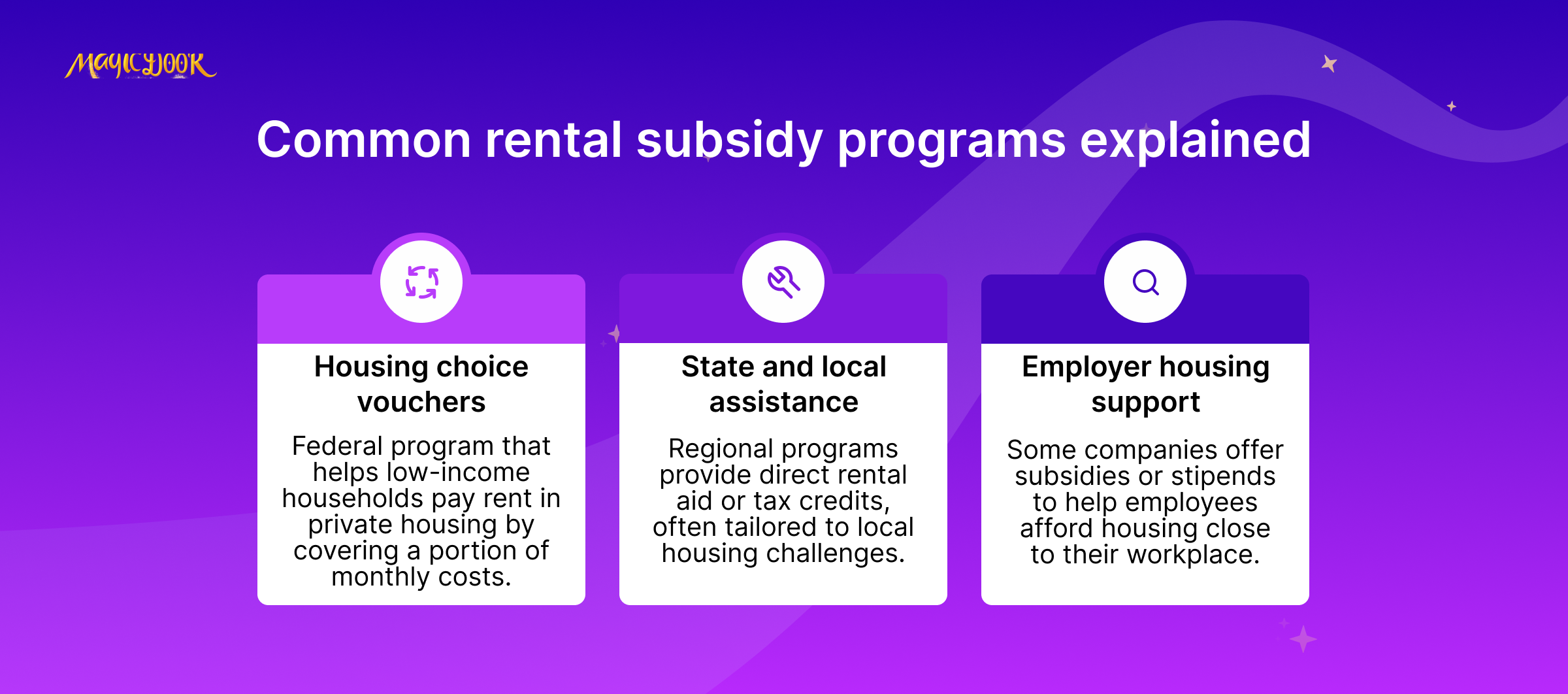
For residents who are not yet ready or able to purchase a home, Maryland provides multiple layers of rental support. These programs aim to bridge the gap between market-rate rents and what low-income households can afford.
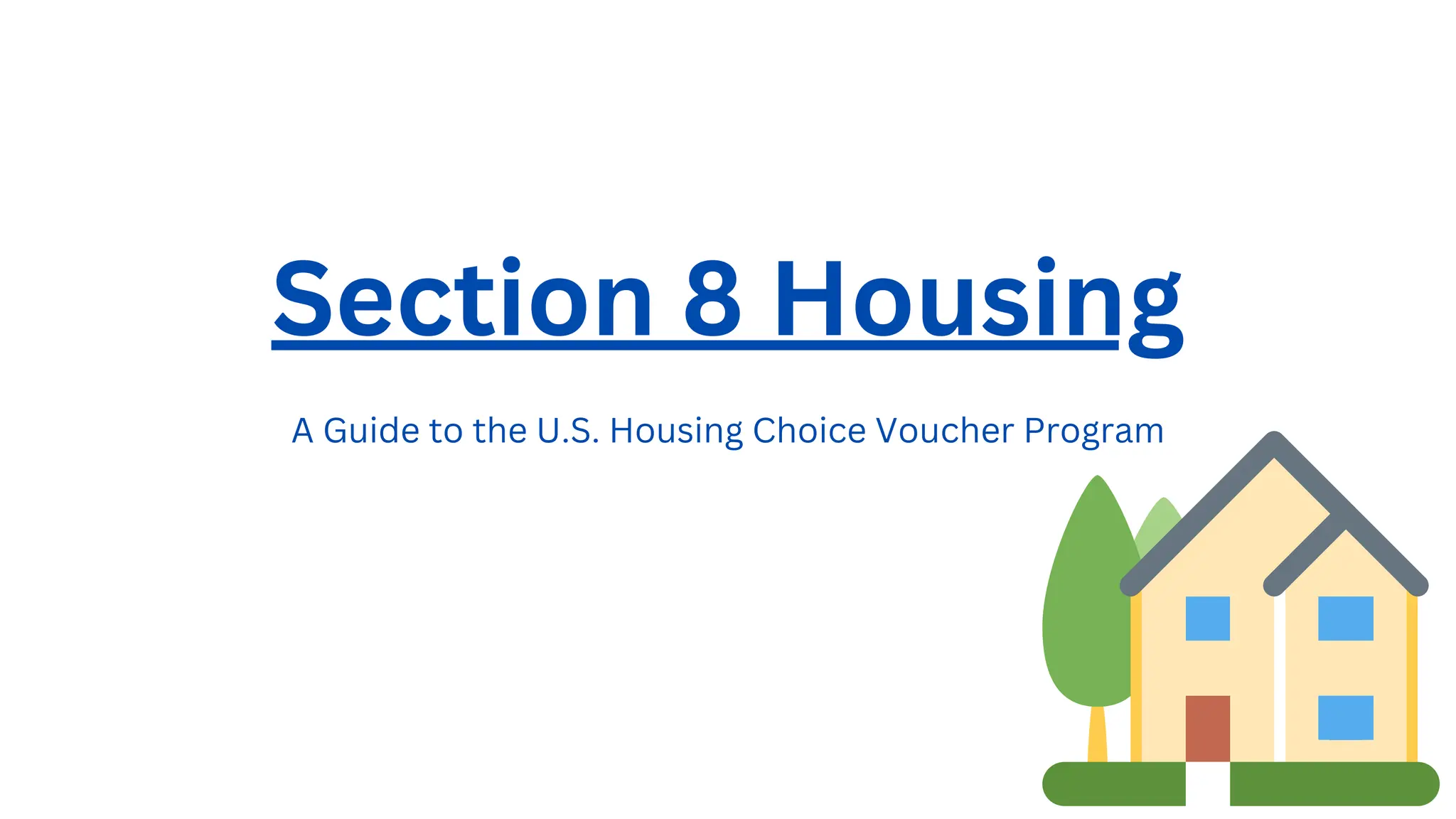
Housing Choice Voucher Program (Section 8)
Administered locally through public housing authorities (PHAs) under the oversight of the U.S. Department of Housing and Urban Development (HUD) and state coordination, the Housing Choice Voucher program helps very low-income families, the elderly, and individuals with disabilities rent safe, decent housing in the private market.
Participants pay roughly 30% of their adjusted monthly income for rent and utilities, while the housing authority pays the remaining balance directly to the landlord. Demand for vouchers frequently exceeds supply, leading to lengthy waiting lists that open periodically by county or region.
State-Funded Rental Programs
Beyond federal vouchers, Maryland operates targeted rental initiatives:
- Maryland Affordable Housing Trust (MAHT): Provides capital to create and preserve affordable rental housing for extremely low-income households.
- Rental Allowance Program (RAP): Offers short-term rental assistance to individuals and families facing homelessness or acute housing crises.
- Specialized Housing for Persons with Disabilities: Coordinates supportive housing services to ensure vulnerable populations maintain stable residency.
Comparison of Key Maryland Housing Programs
To evaluate which program aligns with your needs, review the structural differences among Maryland's primary housing initiatives:
| Program Name | Primary Purpose | Target Audience | Key Benefit | Main Requirement |
|---|---|---|---|---|
| Maryland Mortgage Program (MMP) | Homeownership Financing | First-Time Homebuyers | Below-market interest rates, DPA | Income limits, homebuyer education |
| Maryland HomeCredit | Tax Credit for Buyers | First-Time Homebuyers | Annual federal tax credit on mortgage interest | Income limits, MMP lender |
| Housing Choice Voucher | Long-Term Rental Assistance | Low-Income Individuals/Families | Subsidized monthly rental payments | Waiting list status, income caps |
| Rental Allowance Program (RAP) | Emergency Housing Support | Households Facing Homelessness | Short-term rental subsidies | Crisis documentation, income review |
Step-by-Step Application Process
Securing assistance through a Maryland housing program requires careful preparation and adherence to documentation standards. Whether applying for a mortgage or rental subsidy, missing deadlines or incomplete paperwork can cause significant delays.
Step 1: Assess Your Financial Standing and Needs
Pull your credit reports, calculate your debt-to-income (DTI) ratio, and verify your household's gross annual income. Compare these figures against published county-level income limits for the DHCD or your local housing authority.
Step 2: Complete Required Counseling or Orientation
For homeownership programs, enroll in a HUD-approved homebuyer education workshop early in the process. For rental assistance, review the specific orientation or intake procedures mandated by your local PHA.
Step 3: Partner with Approved Professionals
If applying for the Maryland Mortgage Program, you must work with an MMP-approved lender. These lenders are trained to process state-specific loan documents and evaluate eligibility for matching DPA grants. Do not sign a purchase contract before verifying that your lender is certified to originate state program loans.
Step 4: Gather Documentation
Compile all necessary verification documents. Commonly requested items include:
- Recent federal tax returns (typically past two years).
- W-2 forms or 1099 statements.
- Recent pay stubs covering a 30-to-60-day period.
- Bank statements verifying assets and savings for down payment reserves.
- Government-issued photo identification.
Step 5: Submit and Maintain Communication
Submit your application through your approved lender or local housing authority portal. Respond promptly to any requests for additional documentation or clarification from program administrators.
Frequently Asked Questions
Do I have to be a first-time homebuyer to use the Maryland Mortgage Program?
Generally, yes. To qualify for standard MMP products, you must not have owned a primary residence in the past three years. However, this restriction is waived if you are purchasing a home in a designated federal targeted area or if you are an honorably discharged veteran.
How long is the waiting list for Maryland rental assistance vouchers?
Waiting lists for the Housing Choice Voucher program vary significantly by county and municipality. Due to high demand, lists are frequently closed to new applicants, and open enrollment periods may result in random lottery selections rather than a chronological queue. Check directly with your local housing authority for active status updates.
Can I combine down payment assistance with other grants?
Yes. The Maryland Mortgage Program allows borrowers to layer certain down payment and closing cost assistance products, such as the Partnership Rental Housing Program or local municipal grants, provided the total assistance does not exceed program limits or maximum loan-to-value ratios set by the primary lender.
What happens if my income changes after I apply for a housing program?
Program eligibility is typically evaluated based on your financial status at the time of application and underwriting. If your income increases significantly before closing on a mortgage or receiving a voucher, you may need to re-qualify. Always disclose financial changes transparently to your loan officer or housing specialist.
Are Maryland housing programs available to self-employed individuals?
Yes, self-employed applicants are eligible for Maryland housing programs, but verification requires more extensive documentation. Lenders typically request two years of personal and business tax returns, profit-and-loss statements, and year-to-date ledger accounting to verify stable income.
Next Actions and Recommendations
To begin your journey with any Maryland housing program, visit the official website of the Maryland Department of Housing and Community Development to review current income limits and locate approved lenders or regional housing offices. If you are seeking rental assistance, identify your county’s specific public housing authority and monitor their portal for open application windows. Gather your financial documents early, complete homebuyer education courses ahead of time, and consult with certified housing counselors to maximize your chances of approval.
Image Gallery