Comprehensive Pest Control in Queen Creek: 2026 Homeowner’s Guide
Pest control in Queen Creek requires a specialized approach due to the town's unique desert environment and rapid residential expansion. Effective management involves consistent exterior barriers to deter scorpions, termites, and ants....
Pest control in Queen Creek requires a specialized approach due to the town's unique desert environment and rapid residential expansion. Effective management involves consistent exterior barriers to deter scorpions, termites, and ants. In 2026, integrated pest management (IPM) remains the gold standard for protecting property values and family safety in the East Valley.
Contents
Understanding the Queen Creek Ecosystem in 2026
Queen Creek, Arizona, has undergone a massive transformation over the last decade. As of 2026, the transition from agricultural land and raw desert into high-density residential developments like Queen Creek Station and San Tan Heights has significantly altered local pest dynamics. When desert land is graded for new homes, the resident populations of scorpions, rodents, and termites are displaced. This displacement often leads these pests directly into newly established neighborhoods in search of moisture, shelter, and food.
The geography of Queen Creek, spanning both Maricopa and Pinal counties, also plays a role. The proximity to the San Tan Mountain Regional Park and the various "washes" (like the Sonoqui Wash) creates natural corridors for wildlife and pests alike. Homeowners living near these corridors often face higher "pest pressure"—a technical term referring to the volume and frequency of pest incursions—than those in more established urban centers.
The Big Three: Scorpions, Termites, and Spiders
In the Queen Creek area, three specific pests dominate the concerns of property owners. Managing these requires more than just a generic spray; it requires an understanding of their biology and seasonal behaviors.
Arizona Bark Scorpions (Centruroides sculpturatus)
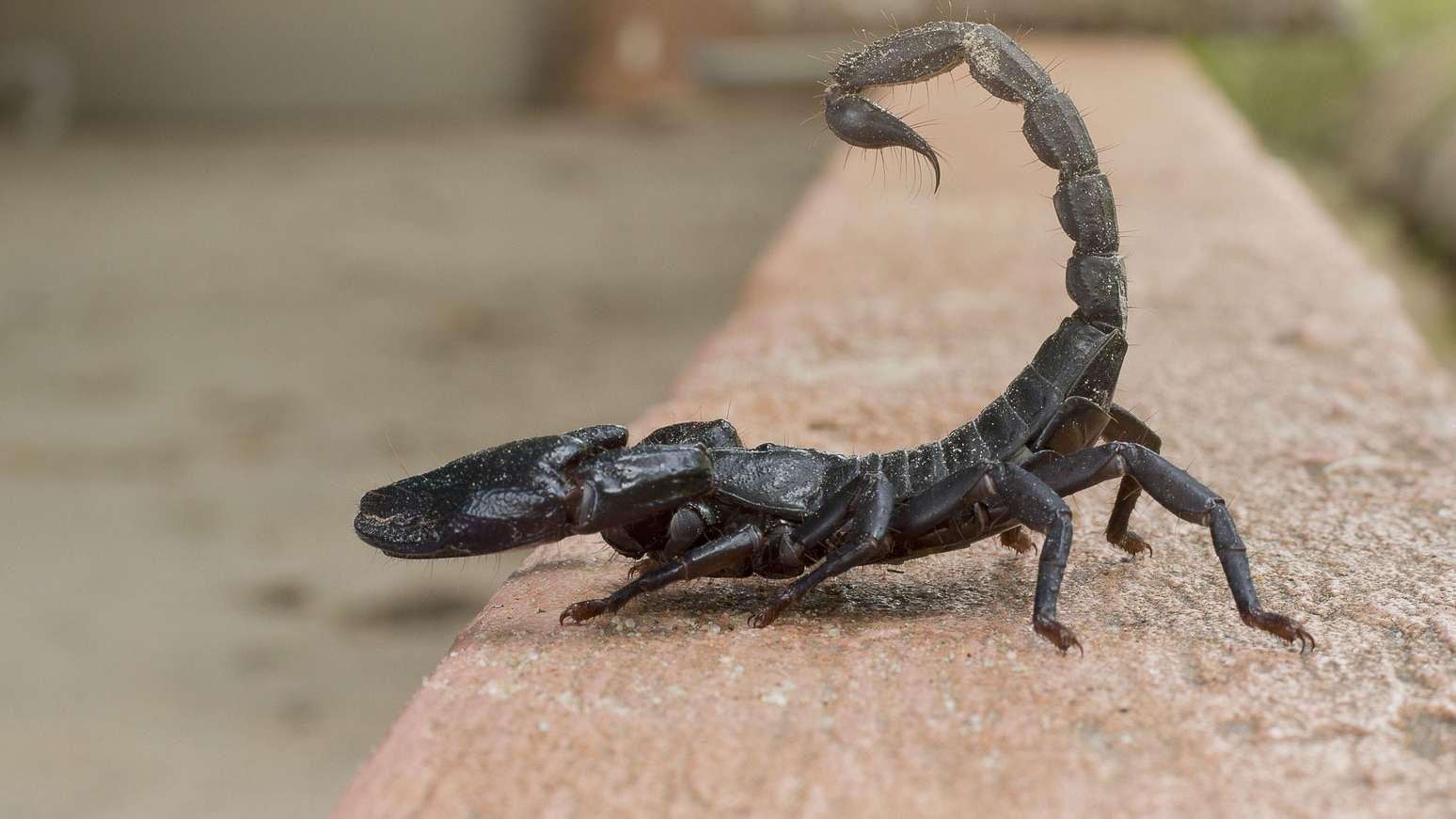
The Arizona Bark Scorpion is the most venomous scorpion in North America and a primary concern for local residents. Unlike other scorpions, Bark Scorpions are excellent climbers and can navigate vertical walls, ceilings, and trees. They are frequently found in "cool spots" during the day, such as under the bark of palm trees, inside irrigation boxes, or within the cracks of block walls.
In 2026, professional control methods for scorpions focus on exclusion and micro-encapsulated treatments. Because scorpions have a thick exoskeleton and do not groom themselves like insects, they do not ingest traditional pesticides easily. Professionals use specialized products where the active ingredient is encased in a microscopic bubble, which sticks to the scorpion's legs and body, eventually penetrating the cuticle or being transferred to the nesting site.
Subterranean Termites
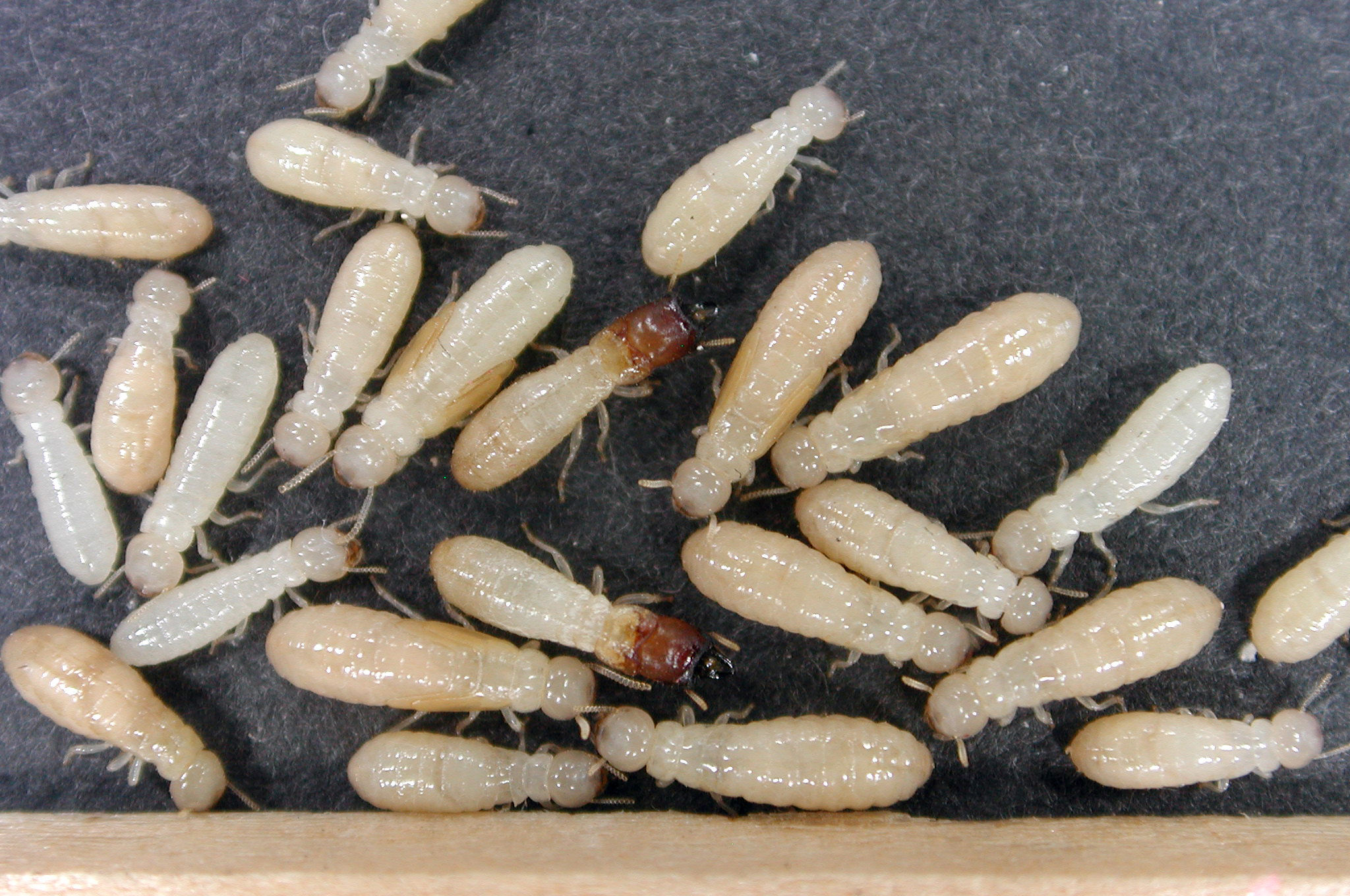
Arizona is home to some of the highest concentrations of subterranean termites in the United States. In Queen Creek, the "desert subterranean termite" (Heterotermes aureus) is the most common culprit. These insects live in large colonies deep underground to stay moist, surfacing to feed on cellulose-based materials (wood, drywall paper, and even cardboard).
Termite damage is often hidden until it is extensive. In 2026, the industry standard for protection involves either liquid soil barriers (using termiticides like fipronil) or active baiting systems. Baiting systems, such as the Sentricon or Trelona systems, use stations placed around the perimeter of the home. These stations contain a growth regulator that termites carry back to the colony, eventually eliminating the entire population, including the queen.
Black Widows and Brown Spiders
The desert heat provides an ideal breeding ground for the Western Black Widow. These spiders prefer dark, undisturbed areas such as garage corners, patio furniture, and water meter boxes. While rarely fatal to healthy adults, their neurotoxic venom is a significant risk to children and pets. Control involves physical removal of webs (de-webbing) and the application of residual insecticides to the structural entry points of the home.
Seasonal Pest Pressure in Arizona's East Valley
Pest activity in Queen Creek is not static; it follows a predictable cycle dictated by the extreme Arizona climate.
- Spring (March – May): As temperatures rise, insects emerge from dormancy. This is the peak season for ant colonies to expand and for termites to "swarm" after the first spring rains.
- Summer/Monsoon (June – September): High heat drives pests indoors for water. The humidity of the Monsoon season triggers a massive spike in Bark Scorpion activity and triggers "flights" of Palo Verde beetles and leaf-cutter ants.
- Fall (October – November): As the weather cools, rodents (like the Roof Rat) look for warm nesting sites, often entering attics through roof vents or overhanging tree branches.
- Winter (December – February): While outdoor activity slows, many pests remain active inside walls or near heat sources (water heaters, appliances). This is an ideal time for interior inspections and preventative sealing.
Technical Methodology: Integrated Pest Management (IPM)
Modern pest control in 2026 has moved away from the "spray everything" philosophy of the past. Licensed technicians in Queen Creek now utilize Integrated Pest Management (IPM), a science-based approach that combines multiple strategies for long-term prevention.
The Power Barrier
The cornerstone of professional service is the exterior power barrier. Using high-pressure spray rigs, technicians apply a 3-foot by 3-foot "L-shaped" barrier around the base of the home. This involves treating three feet up the foundation and three feet out into the soil or rock. This barrier is designed to stop pests before they ever touch the structure.
Granulation
For homes with large xeriscaped yards (common in Queen Creek), granulation is essential. Technicians spread water-activated granules across the rock or turf. When the irrigation system or rain hits these granules, they release a slow-acting insecticide that targets "harborage" areas where crickets and roaches breed.
Exclusion and Dusting
Exclusion is the process of physically sealing a home. This includes installing weather stripping, caulking gaps in the stucco, and using copper mesh to block weep holes in brick homes. Additionally, technicians use "insecticidal dusts" (like silica gel or deltamethrin) inside wall voids and behind electrical outlets, where liquid sprays cannot reach. These dusts can remain effective for up to a year if kept dry.
Pest Control Service Comparison for 2026
When choosing a provider in Queen Creek, it is helpful to compare the standard service levels available in the current market.
| Service Feature | Basic Quarterly | Premium Bi-Monthly | Comprehensive Monthly |
|---|---|---|---|
| Frequency | Every 90 Days | Every 60 Days | Every 30 Days |
| Scorpion Warranty | Limited | Full | Full + Interior |
| Termite Monitoring | No | Optional Add-on | Included |
| De-Webbing | Exterior Only | Ext. + Eaves | Total Property |
| Ant Control | Surface Only | Colony Treatment | Deep Soil Injection |
| Target Audience | Low-risk suburbs | Families/Pets | New Construction/Desert Edge |
Regulatory and Safety Standards in Arizona
All professional pest control in Queen Creek is regulated by the Arizona Department of Agriculture (AZDA), specifically the Pest Management Division. In 2026, it is mandatory for every technician to carry a valid license, which requires passing rigorous exams on chemistry, biology, and safety protocols.
For homeowners concerned about safety, many products used in 2026 are derived from natural compounds, such as pyrethrins (found in chrysanthemums). Once dry, these products are generally safe for children and pets. However, it is standard practice to keep inhabitants away from treated areas for at least 30 to 60 minutes to ensure the product has adhered to the surface.
Termite Inspections: The "Not If, But When" Factor
In the Arizona desert, the common saying among real estate professionals is that there are two types of homes: those with termites and those that will get them. Because of the high activity level in the Queen Creek soil, an annual termite inspection is highly recommended.
Under Arizona law, most new home constructions require a "pre-treatment" where the soil is treated before the concrete slab is poured. However, these treatments typically only carry a 3 to 5-year warranty. By 2026, many of the homes built during the mid-2010s boom are now outside of their warranty period, making them vulnerable to subterranean termite entry. A professional inspection looks for "mud tubes"—small, pencil-sized tunnels termites build to travel from the soil to the wood of the home without drying out.
DIY vs. Professional Solutions
Many homeowners attempt to manage pests using store-bought products. While these can be effective for minor, localized issues (like a single trail of ants in a kitchen), they often fail in the Queen Creek environment for several reasons:
- Heat Degradation: The 110°F+ Arizona summer temperatures cause many consumer-grade pesticides to break down within days, leaving the home unprotected.
- Inadequate Equipment: Store-bought hand-pump sprayers cannot reach the pressure required to penetrate deep into the "voids" of a block wall where scorpions hide.
- Safety Risks: Improper mixing or application of chemicals can lead to runoff into the town's water system or harm local pollinators like honeybees.
Professional services in 2026 use commercial-grade surfactants and UV-inhibitors that allow the product to remain effective even in the intense desert sun.
Frequently Asked Questions
Are the scorpions in Queen Creek dangerous?
Yes, the Arizona Bark Scorpion is medically significant. While their sting is rarely fatal to healthy adults, it causes intense pain, numbness, and tingling. In small children, the elderly, or pets, the venom can cause more severe reactions, including respiratory distress. Professional scorpion-specific treatments are highly recommended for any household with vulnerable members.
How much does pest control cost in Queen Creek in 2026?
Average costs for a standard 2,000-square-foot home range from $45 to $65 per month for a recurring service plan. One-time "clean-out" services or specialized termite treatments are significantly higher, often ranging from $150 to $1,200 depending on the severity of the infestation and the type of chemical barrier required.
How often should I get a termite inspection?
Industry experts and the Arizona Department of Agriculture recommend an annual termite inspection. Because subterranean termites can enter a home through cracks in the slab as small as 1/32nd of an inch, early detection is the only way to prevent thousands of dollars in structural damage.
Is pest control safe for my pets?
Modern pest control focuses on targeted applications. Most professional companies use products that, once dry, are safe for cats and dogs. Technicians specifically avoid treating pet bowls or bedding. For households with exotic pets like birds or reptiles, which are more sensitive to airborne particles, it is important to notify the technician so they can adjust their application method.
Why am I seeing more pests after a new construction starts nearby?
New construction involves heavy machinery vibrating the ground and moving massive amounts of earth. This destroys the underground tunnels and nesting sites of scorpions, ants, and rodents, forcing them to seek the nearest stable environment—which is often the existing homes nearby. If you see a new development starting, it is the ideal time to bolster your exterior barrier.
Recommendation for Residents
For residents of Queen Creek, the most effective strategy is a proactive, year-round maintenance plan rather than reactive "one-time" sprays. Ensure your provider is licensed through the Arizona Department of Agriculture and ask for a detailed "Integrated Pest Management" plan that includes both chemical barriers and physical exclusion. Prioritize services that offer a "re-service guarantee," ensuring that if pests return between scheduled visits, the company will treat the property again at no additional cost.
Image Gallery