How to Approach Cement Foundation Repair in Acworth
Approaching cement foundation repair in Acworth requires a methodical evaluation of soil composition, drainage patterns, and specific structural distress indicators. Because Acworth features a mix of clay-heavy soils and varying topogr...
Approaching cement foundation repair in Acworth requires a methodical evaluation of soil composition, drainage patterns, and specific structural distress indicators. Because Acworth features a mix of clay-heavy soils and varying topographical elevations, property owners must prioritize professional geological assessment and hydrological management before initiating any physical concrete stabilization or underpinning procedures.
Contents
Understanding the Acworth Geological Context
The foundation of any successful repair strategy in Acworth begins with understanding the local subterranean environment. Much of Cobb County and the broader North Georgia region is characterized by expansive clay soils. These soils are prone to significant volumetric changes; they swell during the humid, rainy seasons and shrink significantly during dry spells. This "shrink-swell" cycle exerts immense, uneven pressure on concrete footings and slabs, often leading to the structural failures that necessitate repair.
Before you hire a contractor or purchase materials, observe how your property interacts with these environmental factors. If you notice cracks in your drywall, sticking doors, or visible fissures in your exterior foundation, do not immediately assume the concrete itself is the primary failure point. Often, the concrete is merely the victim of shifting soil. Treating the symptom—the crack in the cement—without addressing the cause—the soil instability or water pooling—is a temporary fix that will likely result in recurring damage.
Identifying Signs of Foundation Distress
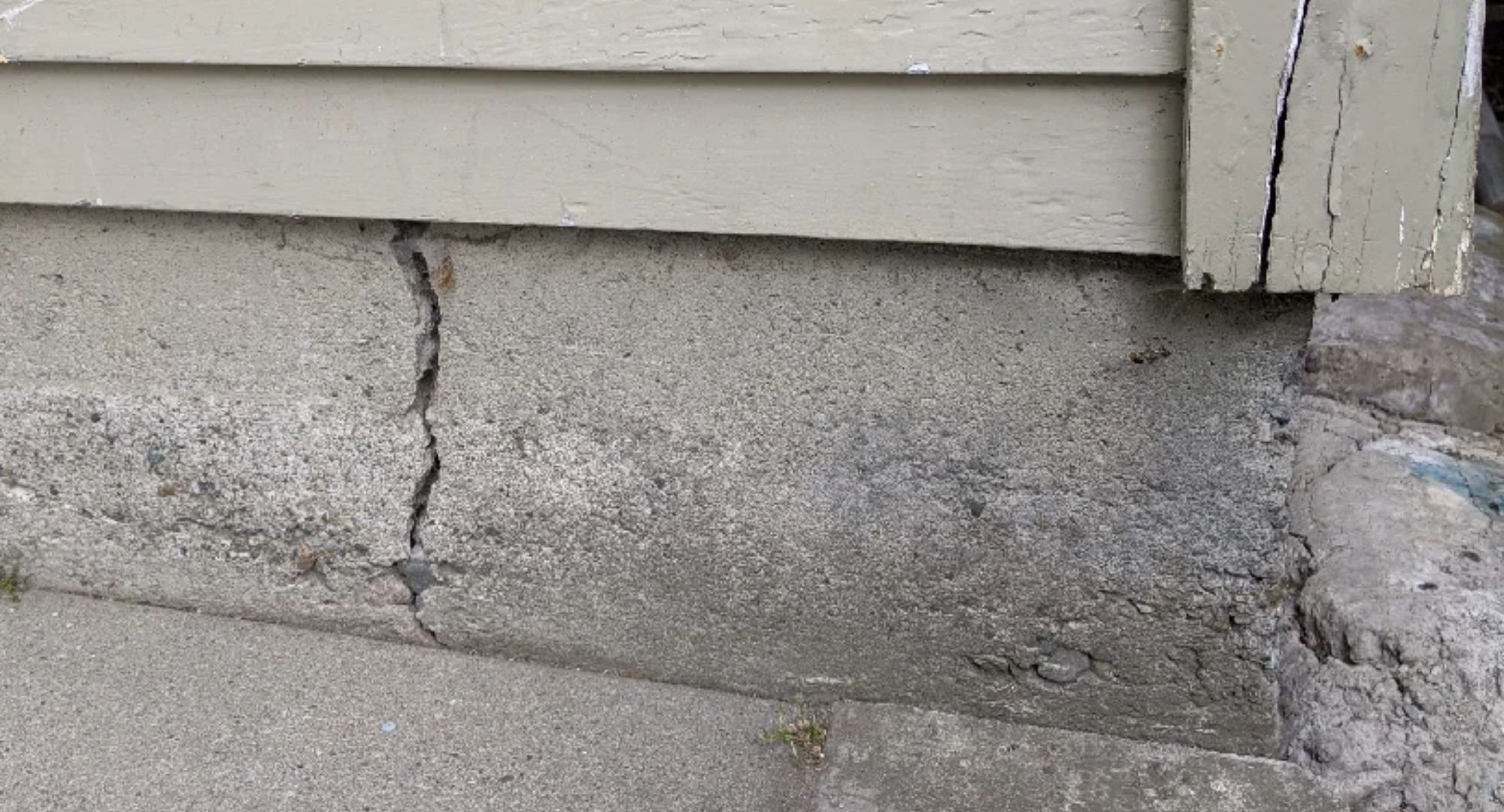
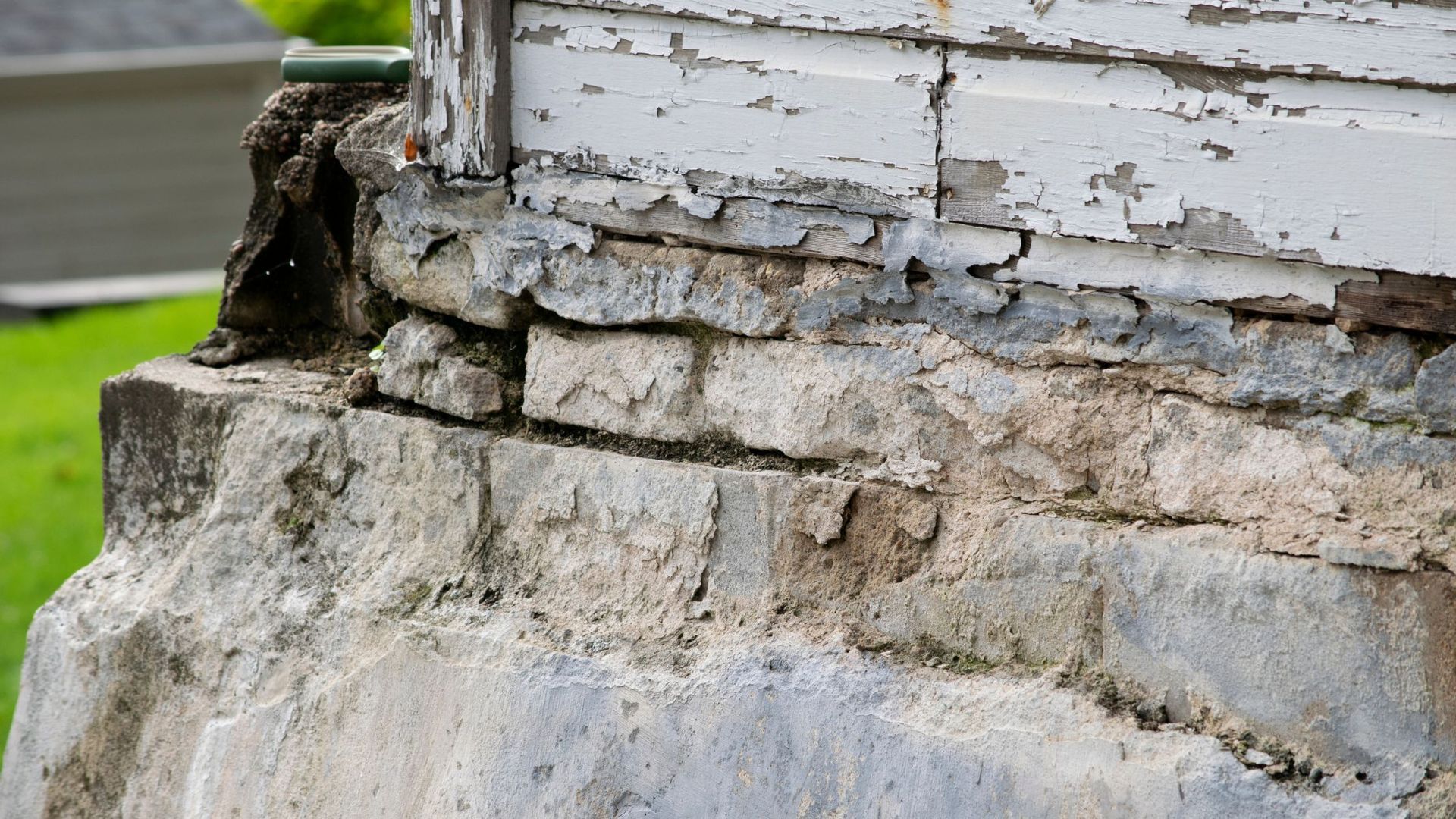
Distinguishing between cosmetic settlement and structural failure is critical. Minor hairline cracks are often a result of initial concrete curing and are generally benign. However, certain patterns indicate that professional intervention is required:
- Stair-Step Cracking: If you see cracks following the mortar joints of bricks or blocks in a stair-step pattern, it suggests the foundation is settling unevenly.
- Horizontal Cracking: This is a serious indicator of lateral pressure, often caused by soil pushing against the foundation wall from the outside.
- Vertical Displacement: If one side of a crack is pushed further out than the other, the footing has likely shifted, indicating a significant structural shift.
- Floor Slope: Use a basic laser level to check for floor incline. A drop of more than an inch over a 15-foot span is generally considered outside the range of typical home settlement.
The Role of Hydrological Management
In Acworth, moisture is the primary catalyst for foundation movement. Proper water management is often the most cost-effective "repair" you can perform. Before authorizing expensive structural work, ensure your home’s exterior environment is optimized:
- Gutter Extensions: Ensure downspouts discharge at least 6 to 10 feet away from the foundation perimeter.
- Grading: The soil around your foundation should slope away from the home at a minimum grade of 6 inches over the first 10 feet. If the land slopes toward your house, you are essentially directing hydraulic pressure and water weight against your basement or slab.
- French Drains: In areas with poor natural drainage, a professional-grade French drain system can intercept groundwater before it reaches the foundation footing, stabilizing the soil moisture content.
Standard Repair Methodologies
When professional structural repair is deemed necessary, contractors generally utilize a few proven methodologies. Choosing the right one depends on whether your home is on a slab, a crawl space, or a basement.
| Method | Primary Use | Mechanism |
|---|---|---|
| Push Piers | Slab/Foundation Settlement | Steel piers driven to load-bearing strata. |
| Helical Piers | Light Structures/Decks | Screw-like piles anchored into deeper soil. |
| Mudjacking/Polyjacking | Slab Leveling | Injecting material to lift sunken concrete. |
| Carbon Fiber Straps | Bowed Basement Walls | High-tensile material to prevent further bowing. |
Push Piers are common for residential homes in Acworth that are experiencing significant settlement. These steel pipes are hydraulically driven into the ground until they hit bedrock or stable, load-bearing soil. The weight of the home is then transferred from the weak soil to the piers, effectively stabilizing the foundation.
Polyjacking (Polyurethane Foam Injection) is a modern, less invasive alternative to traditional "mudjacking." Instead of pumping a heavy cement slurry under a slab, contractors inject high-density polyurethane foam. This material expands, filling voids and lifting the concrete to its original position. It is generally faster to cure and places less additional weight on the compromised soil than traditional concrete mixtures.
Selecting a Qualified Contractor
When searching for a foundation expert in 2026, verification is paramount. Foundation repair is not a standard DIY project; it involves the structural integrity of your primary asset.
- Engineering Oversight: Seek companies that either employ a licensed Professional Engineer (PE) or work in conjunction with an independent structural engineer. A PE can provide an unbiased assessment of whether you need expensive piers or simply improved drainage.
- Warranty Specificity: Understand the difference between a "transferable lifetime warranty" and a "limited warranty." Ensure the document explicitly states what is covered, such as the piers themselves, the installation labor, or the correction of future shifting.
- Permitting: In Acworth, significant foundation work usually requires a building permit. A reputable contractor will handle the permitting process and ensure the work meets current local building codes. If a company suggests skipping permits, it is a significant red flag.
Common Mistakes to Avoid
- Patching Over Cracks without Assessment: Filling a crack with epoxy or hydraulic cement only hides the problem. If the house is still moving, the pressure will simply force a new crack to form nearby.
- Under-estimating Soil Testing: If a major repair is planned, a geotechnical report can prevent "over-engineering." You don’t want to pay for 40-foot piers if stable soil can be reached at 15 feet.
- Ignoring Interior Signs: Some homeowners focus exclusively on exterior brickwork while ignoring the interior drywall, sticking doors, or window gaps that provide clues about the direction of the settlement.
Frequently Asked Questions
Is foundation repair in Acworth covered by standard homeowners insurance? Generally, no. Standard policies typically exclude "earth movement," "settlement," or "shrinkage." Unless the damage was caused by a specific, sudden peril—like a burst pipe causing soil erosion—insurance will rarely cover foundation repair. Always review your policy and consult with your agent for specific endorsements.
How long does foundation repair usually take? For minor stabilization (like polyjacking), it can often be completed in a single day. Larger structural projects involving the installation of push piers or wall bracing can take anywhere from three days to two weeks, depending on the severity of the damage and the size of the structure.
Can I fix foundation cracks myself? You can fill minor, non-structural cosmetic cracks with epoxy injection kits from home improvement stores. However, any crack wider than a nickel, or any crack that shows signs of lateral movement or displacement, requires professional structural evaluation. Attempting to "brace" a failing wall without engineering guidance can lead to catastrophic failure.
Does foundation repair add value to my home? Yes, but in a defensive manner. A home with a documented, stabilized foundation is marketable, whereas a home with unresolved structural issues is often unsellable or will suffer significant price reductions during a sale. Always keep all invoices, engineering reports, and warranty documents in a safe place for future buyers.
What is the "best" time of year for foundation work? In North Georgia, the summer months often see drier, harder soil, which can make it easier to reach stable strata. However, contractors can operate year-round. Scheduling work during a period of moderate weather allows for easier site access and better-curing conditions for any concrete or adhesives used in the process.
Final Recommendations
If you suspect foundation distress, your first step should be to consult with an independent structural engineer who has no financial interest in selling you specific repair services. Pay for an evaluation; this small upfront investment often saves thousands of dollars by preventing unnecessary work or identifying the precise, localized cause of the failure. Once you have an engineering report, approach licensed contractors in the Acworth area to provide competitive bids based on those specific professional recommendations. Maintain all documentation regarding the scope of work and the engineering specifications to ensure your property remains compliant with local building standards.
Image Gallery