Ruth Handler: The Visionary Pioneer of the Barbie Era
Ruth Handler revolutionized the toy industry by co-founding Mattel and creating Barbie, a fashion doll that shifted how children played by introducing an adult-figured doll that encouraged imaginative roleplay of future careers and ind...
Ruth Handler revolutionized the toy industry by co-founding Mattel and creating Barbie, a fashion doll that shifted how children played by introducing an adult-figured doll that encouraged imaginative roleplay of future careers and independent adult lives.
Contents
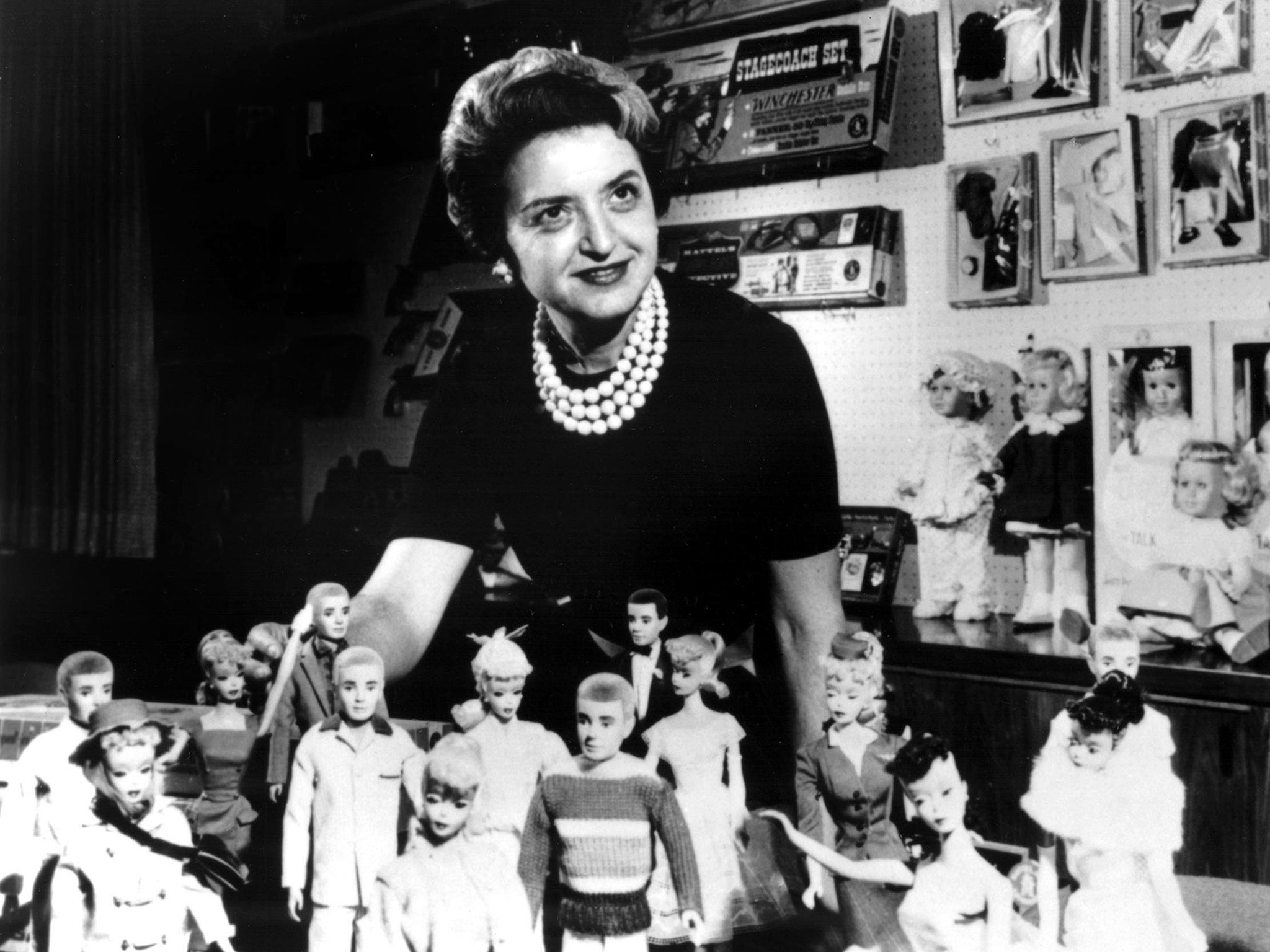
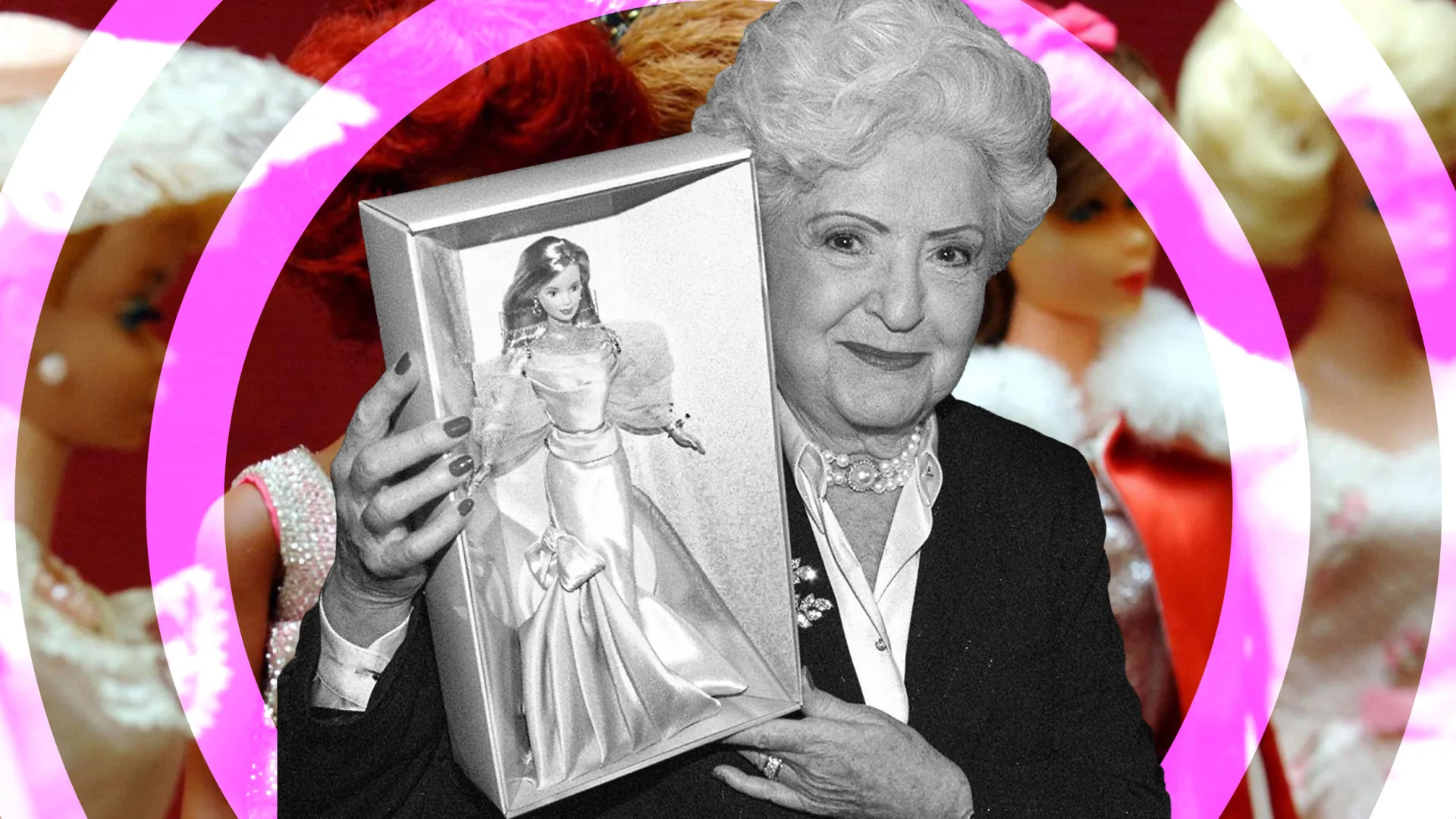
The toy industry of the mid-20th century was dominated by infant and toddler dolls designed to teach girls domestic caregiving roles. When Ruth Handler observed her daughter, Barbara, playing with paper dolls that had adult features and professional wardrobes, she recognized a significant gap in the market. Conventional wisdom among toy executives argued that parents would never buy a doll with an adult anatomy for their young daughters. However, Handler persisted, ultimately introducing the world to Barbie at the American International Toy Fair in New York on March 9, 1959. This invention not only established a cultural icon but also transformed Mattel from a small garage-based workshop into a multinational toy titan.
The Genesis of Barbie and the Observation of Play
Before the introduction of Barbie, the toy landscape offered little inspiration for young girls aspiring to careers beyond motherhood and homemaking. Most dolls were shaped like babies, reinforcing nurturing behaviors through accessories like cradles, bottles, and diapers.
Handler noticed that her daughter Barbara and her friends preferred cutting out paper dolls depicting adult women with diverse wardrobes, careers, and social lives. These paper figures allowed children to project themselves into future scenarios, imagining themselves as career women, travelers, and independent adults rather than just mothers.
Recognizing this psychological desire for aspirational play, Handler conceptualised a three-dimensional molded plastic doll with an adult figure. The core concept was revolutionary: instead of practicing how to care for a baby, a girl could use the doll to rehearse who she wanted to become. This shift from domestic rehearsal to professional and social aspiration formed the foundational philosophy of the Barbie brand.
The European Inspiration: Bild Lilli
The physical realization of Ruth Handler's vision did not emerge entirely from a vacuum. During a family trip to Europe in 1956, Handler encountered a German adult fashion doll named Bild Lilli in a shop window.
- Origins: Bild Lilli was based on a saucy, popular comic strip character created by Reinhard Beuthien for the newspaper Bild-Zeitung.
- Target Audience: Unlike traditional children's toys, Bild Lilli was originally marketed primarily as a gag gift for adult men, sold in tobacco shops and novelty stores.
- Design Elements: The doll featured a sophisticated ponytail, arched eyebrows, painted side-glancing eyes, and glamorous clothing, capturing the post-war European fashion aesthetic.
Handler purchased three Bild Lilli dolls. She kept one for herself and gave the others to her daughter Barbara. Returning to the United States, Handler collaborated with Mattel engineer and designer Jack Ryan to redesign the doll. They improved the structural integrity, modified the facial features to be more wholesome, and engineered a specialized manufacturing process for the vinyl body and rooted hair. The resulting American doll was named Barbie, a diminutive of Barbara, and launched a completely new category in the toy market.
Mattel’s Rise and Corporate Expansion
The commercial success of Barbie propelled Mattel, which Handler had co-founded in 1945 with her husband Elliot Handler and their business partner Harold "Matt" Matson, into unprecedented financial territory. Originally operating out of a garage producing picture frames and later doll furniture, Mattel shifted its core focus to toy manufacturing and marketing.
| Milestone Year | Corporate Event | Significance |
|---|---|---|
| 1945 | Mattel Founding | Established as a garage workshop making picture frames and doll furniture. |
| 1955 | Mickey Mouse Club Sponsorship | Mattel became the first toy company to sponsor a television program, revolutionizing advertising. |
| 1959 | Barbie Launch | Introduced at the New York Toy Fair, creating the fashion doll industry. |
| 1961 | Ken Doll Introduction | Expanded the product line with a male counterpart, named after Ruth's son. |
| 1965 | Mattel Public Offering | Cemented the company's status as a dominant publicly traded corporation. |
Mattel’s decision to advertise directly to children via television during The Mickey Mouse Club in 1955 broke traditional industry norms, which previously targeted parents through print media. When Barbie debuted, Mattel utilized this same television advertising strategy, creating an immediate, massive consumer demand directly from children watching the shows.
Navigating Controversy and Evolving Social Standards
As Barbie grew into a global cultural phenomenon, the brand also faced intense scrutiny and criticism regarding body image, gender roles, and consumerism. Ruth Handler and subsequent Mattel designers had to navigate these shifting social expectations while maintaining the core identity of the brand.
Critics argued that Barbie's unrealistic physical proportions set an unhealthy standard for young girls, leading to body image concerns. Over the decades, Mattel responded to these criticisms by introducing diverse body types—including petite, tall, and curvier figures—alongside a wide array of skin tones, hairstyles, and physical disabilities.
Furthermore, Handler ensured that Barbie reflected changing career opportunities for women. While early editions focused on fashion and homemaking, subsequent versions embraced professional roles such as astronauts, surgeons, pilots, and business executives long before those career paths were broadly accessible to women in the American workforce.
Post-Mattel Ventures and the Invention of Functional Prosthetics
Following her departure from Mattel in the 1970s due to corporate and legal challenges, Ruth Handler embarked on a second entrepreneurial chapter driven by personal experience. After being diagnosed with breast cancer in 1970 and undergoing a radical mastectomy, Handler discovered a severe lack of natural-looking, comfortable breast prostheses on the market.
Dissatisfied with the heavy, uncomfortable foam and silicone options available at the time, she founded Nearly Me in 1976.
- Innovation: Utilizing her manufacturing and design expertise, she developed a lightweight, anatomically realistic breast form made of materials that closely mimicked the weight and feel of natural tissue.
- Impact: The company revolutionized post-mastectomy care, and Handler personally fitted women, including prominent public figures and cancer survivors, helping to restore their confidence and physical comfort.
This venture demonstrated Handler's enduring ability to identify unmet consumer needs and engineer practical, dignity-restoring solutions, cementing her legacy as an innovator far beyond the toy industry.
Frequently Asked Questions
When was Barbie first introduced to the public?
Barbie was officially introduced to the public on March 9, 1959, at the American International Toy Fair in New York City. Ruth Handler named the doll after her daughter, Barbara, and designed it to offer girls a new way to imagine their futures.
Who was Bild Lilli and what was her connection to Barbie?
Bild Lilli was a German adult fashion doll based on a newspaper comic strip character. Ruth Handler discovered Lilli during a trip to Europe in 1956, purchased several samples, and used them as the structural and aesthetic basis to design and develop the American Barbie doll with Mattel designers.
How did Ruth Handler change toy marketing?
Ruth Handler and Mattel transformed toy marketing by pioneering direct-to-consumer television advertising aimed squarely at children. By sponsoring programs like The Mickey Mouse Club in 1955 and advertising Barbie on television, Mattel bypassed traditional parent-focused print campaigns and generated direct consumer demand.
What inspired Ruth Handler to create Nearly Me?
After undergoing a radical mastectomy for breast cancer in 1970, Ruth Handler was frustrated by the poor quality, discomfort, and unnatural feel of existing breast prostheses. She founded Nearly Me in 1976 to manufacture realistic, comfortable, and anatomically accurate prostheses for cancer survivors.
What is Ruth Handler's enduring legacy in business?
Ruth Handler is recognized as a pioneering female entrepreneur who co-founded a Fortune 500-level toy enterprise, invented one of the most recognizable cultural icons of the 20th century, and later applied her manufacturing acumen to solve medical accessory needs through her post-mastectomy prosthetic venture.
Conclusion and Next Actions
Ruth Handler’s career offers a compelling study in market observation, product innovation, and resilience. To explore her impact further, examine the historical archives of the Smithsonian Institution regarding mid-century toy design, review business histories of Mattel's corporate evolution, or research the broader history of women in 20th-century American entrepreneurship.
Image Gallery