DJ Paul Mixtape History and Impact: The Blueprint of Memphis Rap and Trap Music
DJ Paul’s mixtape history and impact represent a foundational pillar in the evolution of Southern hip-hop, laying the sonic and operational blueprint for modern trap music. As the co-founder of Three 6 Mafia alongside Juicy J, DJ Paul...
DJ Paul’s mixtape history and impact represent a foundational pillar in the evolution of Southern hip-hop, laying the sonic and operational blueprint for modern trap music. As the co-founder of Three 6 Mafia alongside Juicy J, DJ Paul revolutionized audio production, distribution, and independent music marketing during the 1990s cassette underground. By marrying gritty horror film samples, aggressive synth patterns, and early drum machine programming, he established a dark, menacing subgenre that permanently altered the American rap landscape.
Contents
The Origins of Memphis Underground: The Cassette Tape Era
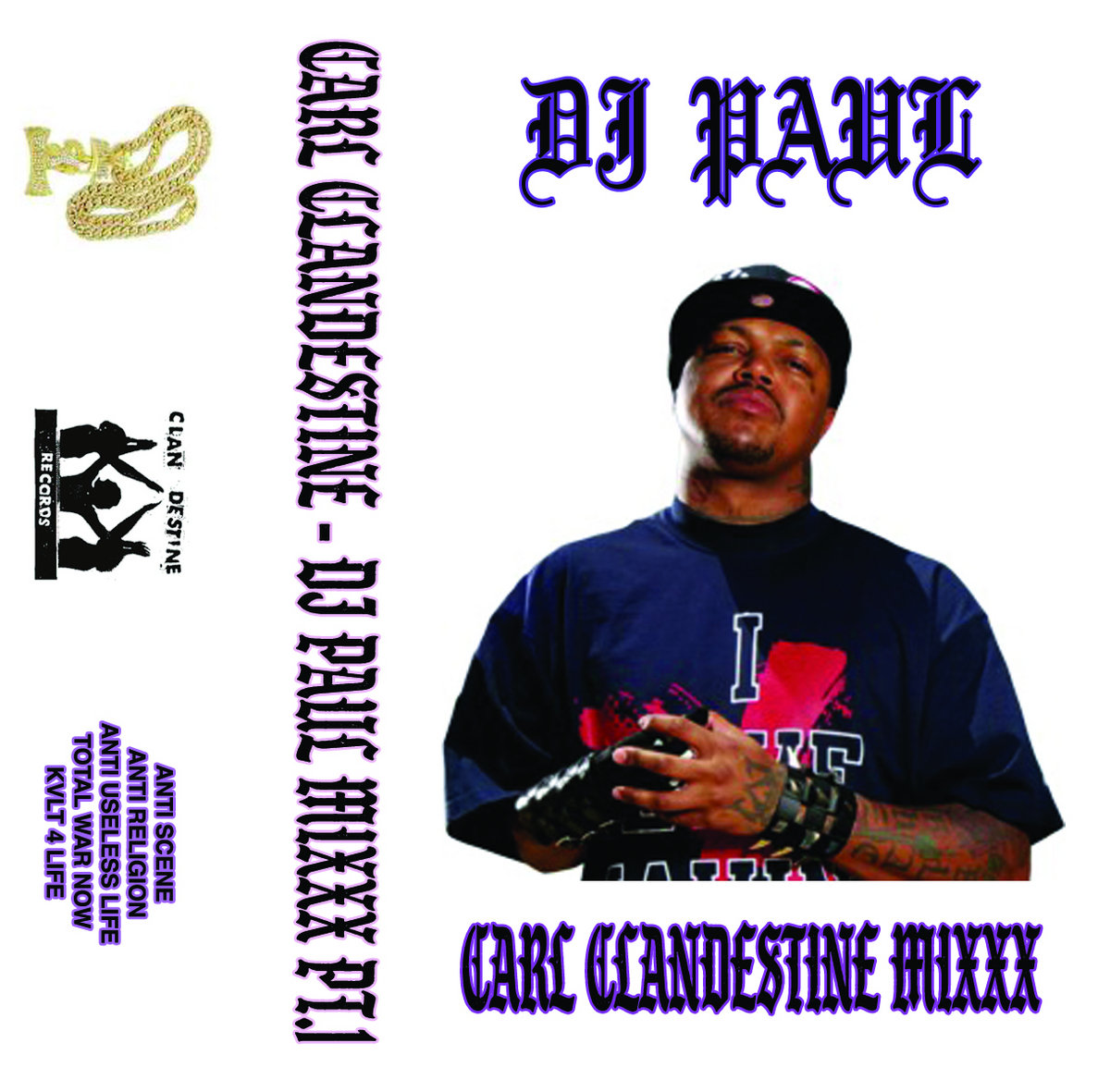
To understand DJ Paul's impact, one must examine the early 1990s Memphis underground music scene. Unlike major coastal hubs like New York and Los Angeles, which enjoyed heavily funded studio infrastructure and major-label distribution networks, Memphis artists operated entirely outside traditional industry pipelines. DJ Paul began crafting beats and compiling tapes as a teenager, utilizing dual-cassette decks, basic four-track recorders, and heavily compressed drum machines like the Roland TR-808.
These early creations were not mixed for pristine corporate radio play; they were engineered to rattle the trunk speakers of local cars. The distribution model was equally grassroots. DJ Paul, Juicy J, and their contemporaries sold physical cassette tapes out of the trunks of their cars, local record stores, and high school hallways. Because these tapes were duplicated locally on magnetic tape, they degraded with every copy, giving the audio a signature, saturated, lo-fi aesthetic that fans associated with raw authenticity.
This tape-trading culture created a hyper-loyal regional following. Tracks like "Da Summa" and early collaborative projects circulated throughout the Mid-South region long before internet file-sharing existed. This independent hustle bypassed traditional gatekeepers, proving that a self-sustaining regional economy could support an entirely new subgenre of hip-hop without major-label validation.
Musical Architecture: Pioneering the Sound of Trap
DJ Paul’s production style defined the signature Memphis sound, which later evolved into global trap music. His sonic palette relied heavily on specific structural and atmospheric elements that broke away from the jazz-heavy and funk-sampled production dominant in early 1990s East Coast and West Coast rap.
- Dark Melodies and Horror Samples: DJ Paul drew heavily from classic horror movie soundtracks (such as John Carpenter's Halloween and Italian horror films), orchestral stabs, and minor-key synth pads to create an eerie, suspenseful atmosphere.
- Aggressive 808 Programming: He utilized rapid, distorted basslines and heavily swung, syncopated hi-hat patterns that anticipated the high-speed triplet rhythms dominating modern trap production.
- Chanted Hooks and Call-and-Response: Vocals were often layered, heavily compressed, and chanted repetitively, designed to whip live club crowds and street audiences into a frenzy.
- Lo-Fi Distortion: Due to recording onto low-cost cassette media and overdriving analog mixers, the audio often clipped, introducing a gritty warmth and punchiness that modern producers attempt to emulate digitally.
Production Hardware and Techniques of the 1990s
| Equipment / Tool | Function in DJ Paul’s Setup | Sonic and Creative Impact |
|---|---|---|
| Roland TR-808 | Drum machine and bass synthesizer | Provided the heavy, booming sub-bass frequencies and sharp percussion foundational to Southern rap. |
| Boss SP-202 / SP-303 | Sampler and effects processor | Allowed for rapid chopping of vocal samples and gritty onboard lo-fi signal degradation. |
| Dual-Cassette Decks | Audio recording and duplication | Enabled master tape creation, scratching effects, and low-cost physical distribution runs. |
| Four-Track Recorder | Multitrack demo and beat assembly | Provided affordable track separation for layering vocals over rough instrumental mixes. |
The Birth of Hypnotize Minds and Independent Empire Building
As the cassette underground expanded, DJ Paul and Juicy J formalized their business operations by founding Prophet Entertainment in the early 1990s before establishing Hypnotize Minds in 1994. Hypnotize Minds functioned as an independent record label, management firm, and distribution network. This structural independence was rare for Southern rap artists during a period when major labels routinely overlooked the region.
Hypnotize Minds operated on a high-volume release schedule. DJ Paul produced solo projects, group albums for Three 6 Mafia, and collaborative tapes for affiliated acts like Project Pat, Gangsta Boo, Koopsta Knicca, and Crunchy Black. By controlling the publishing, production, and physical cassette distribution, the collective retained a massive percentage of their revenue compared to peers signed to standard major-label recording contracts.
This independent hustle directly influenced modern hip-hop’s digital-era mixtape grind. Long before SoundCloud, DatPiff, or Spotify playlists, DJ Paul and Hypnotize Minds understood that constant content output, direct-to-consumer sales, and regional touring formed the bedrock of long-term career sustainability.
Crossing Over: Mainstream Success and Academy Award Recognition
While DJ Paul’s foundational work remained rooted in the underground, the late 1990s and 2000s marked Three 6 Mafia's transition into the mainstream consciousness. Albums like Mystic Stylez (1995) and Chapter 2: World Domination (1997) achieved underground classic status before the group scored major commercial breakthroughs with tracks like "Sippin' on Some Syrup" and "Stay Fly."
The pinnacle of this mainstream crossover occurred in 2006, when DJ Paul, Juicy J, and Frayser Boy won the Academy Award for Best Original Song for "It's Hard out Here for a Pimp" from the film Hustle & Flow. This milestone made Three 6 Mafia the first hip-hop group to perform live and win at the Oscars, bridging the gap between gritty Memphis street tapes and elite Hollywood recognition. This achievement validated decades of independent grind, proving that raw underground aesthetics could conquer mainstream platforms without sacrificing artistic identity.
Lasting Impact on Modern Trap and Contemporary Producers
The sonic DNA of DJ Paul’s 1990s mixtapes is directly traceable in contemporary trap, drill, and cloud rap. Modern producers working in Atlanta, Chicago, and globally frequently cite Memphis phonk and Three 6 Mafia as primary influences.
- Phonk Revival: The modern "phonk" music movement on streaming platforms directly borrows DJ Paul's chopped-and-screwed vocal hooks, cowbell melodies, and distorted 808s.
- Triplet Flow Evolution: The rapid, stuttering rap cadences popularized by Memphis artists evolved into the dominant vocal flows used across contemporary mainstream rap.
- Sample Licensing and Clearance Models: The aggressive sampling techniques used on early cassettes forced later generations to adapt how underground loops are flipped and cleared for commercial DSP (Digital Service Provider) releases.
DJ Paul’s ongoing career—marked by solo electronic and trap releases, film scoring, and beat-making masterclasses—continues to bridge the gap between classic analog production techniques and modern digital Digital Audio Workstation (DAW) workflows.
Frequently Asked Questions
What makes DJ Paul's 1990s mixtapes historically significant?
DJ Paul’s early tapes established the dark production style, aggressive bass programming, and independent distribution model that formed the foundation of Memphis rap and modern trap music, operating entirely outside major-label systems.
How did DJ Paul distribute his music before the internet?
During the 1990s cassette era, DJ Paul and his collaborators duplicated music onto physical cassettes using dual-deck recorders, selling them directly out of car trunks, local Memphis record stores, and neighborhood venues.
What role did Hypnotize Minds play in independent hip-hop?
Hypnotize Minds served as an independent record label and business engine for DJ Paul and Juicy J, allowing them to retain full ownership of their masters, publishing, and merchandise revenue while maintaining a high-volume release schedule.
How did DJ Paul influence modern trap and phonk music?
His use of distorted Roland TR-808 drum machines, horror movie sound effects, rapid hi-hats, and chopped vocal samples created the exact sonic blueprint that modern phonk and trap producers emulate today.
Did DJ Paul win an Academy Award?
Yes. DJ Paul won the Academy Award for Best Original Song in 2006 for "It's Hard out Here for a Pimp," featured in the film Hustle & Flow, marking a historic milestone for independent Southern hip-hop artists.
Practical Next Actions for Music Producers and Historians
For researchers, producers, and music historians studying DJ Paul’s legacy, the most effective next steps involve examining original physical cassette releases, analyzing the transition from analog four-track equipment to modern DAW environments, and tracing the lineage of Memphis phonk samples across current digital streaming charts to observe how foundational underground aesthetics continue to drive global hip-hop evolution.
Image Gallery