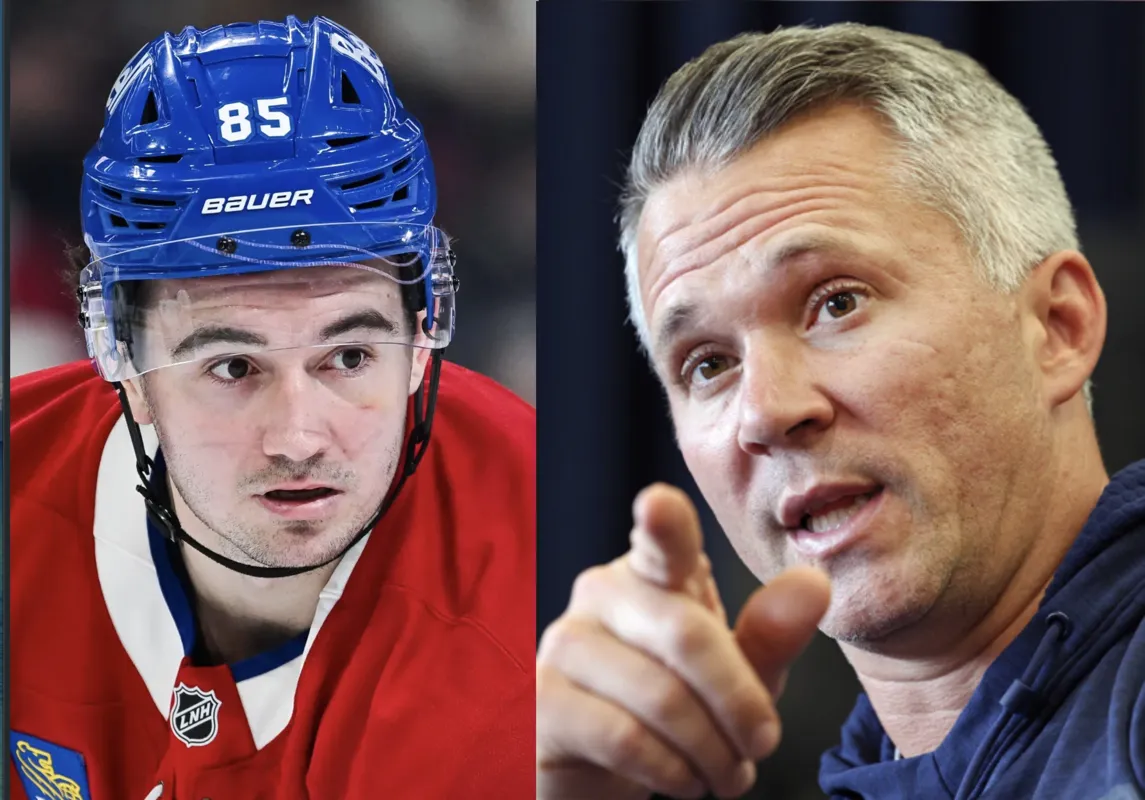
Martin St. Louis Net Worth and Career Earnings: A Comprehensive Analysis
Martin St. Louis accumulated an estimated net worth of $40 million to $50 million through a storied 16-season National Hockey League playing career, lucrative endorsement contracts, and subsequent transition into professional coaching....
Martin St. Louis accumulated an estimated net worth of $40 million to $50 million through a storied 16-season National Hockey League playing career, lucrative endorsement contracts, and subsequent transition into professional coaching. Known initially as an undrafted undersized forward, he evolved into a Hart Memorial Trophy winner, Stanley Cup champion, and Hockey Hall of Famer before securing substantial coaching salaries behind the bench of the Montreal Canadiens.
Contents
Understanding the financial trajectory of a professional athlete requires examining the intersection of player contracts, endorsement revenue, post-playing career earnings, and investment accumulation. Martin St. Louis represents an atypical archetype in professional sports history: an undrafted collegiate player from the University of Vermont who carved out a Hall of Fame career and maximized his earning potential through longevity, elite performance, and strategic career moves. Analyzing his net worth involves looking beyond gross salary figures to account for agent fees, escrow withholdings, taxes, and wealth management strategies standard for elite North American professional athletes.
The Foundations of Hockey Wealth: Playing Career Contracts
Martin St. Louis entered the National Hockey League under unfavorable economic conditions for a rookie. Undrafted by any franchise, he signed his first professional contract as a free agent with the Calgary Flames in 1998. Early-career earnings were modest, reflecting his status as a fringe player bouncing between the NHL and the minor leagues. His breakthrough came after signing with the Tampa Bay Lightning in 2000, where his development into an elite scorer directly correlated with escalating contract values.
Throughout his playing career, St. Louis signed several significant contracts that formed the bulk of his active athletic earnings. The most consequential contracts included his multi-year extensions with the Tampa Bay Lightning, culminating in a lucrative front-loaded deal, followed by his tenure with the New York Rangers.
To understand the scale of his hockey earnings, the following table outlines the major contract phases of his playing career:
| Career Phase / Team | Contract Duration | Estimated Total Value | Key Financial Milestones |
|---|---|---|---|
| Calgary Flames (Early Career) | 1998 – 2000 | ~$500,000 | Two-way entry-level and minor league contracts; minimal base salary. |
| Tampa Bay Lightning (Rise & Peak) | 2000 – 2014 | ~$50,000,000 | Included multi-year extensions, Art Ross Trophy performance bonuses, and Stanley Cup victory (2004). |
| New York Rangers (Late Career) | 2014 – 2015 | ~$10,000,000 | Final multi-year veteran contract concluding with his retirement. |
Across 16 NHL seasons, St. Louis earned approximately $60 million in cumulative base salaries before deductions. However, gross salary figures do not represent net wealth. Professional hockey players face unique financial liabilities that significantly reduce take-home pay.
Deductions from Gross NHL Earnings
Calculating net worth from career earnings requires factoring in statutory and operational subtractions common to professional sports:
- Escrow Payments: Under successive Collective Bargaining Agreements (CBAs) between the National Hockey League Players' Association (NHLPA) and the league, a percentage of player salaries (often ranging from 10% to 20% during peak years) is withheld into an escrow account to ensure a 50-50 split of hockey-related revenues. Portions of this escrow are frequently not returned.
- Agent Commissions: Certified player agents typically command between 3% and 5% of gross contract earnings.
- Income and Jock Taxes: Because NHL players travel across multiple states and provinces, they are subject to "jock taxes"—state and provincial income taxes levied on the days worked in specific jurisdictions. High-tax regions like New York and Canada substantially reduced his net take-home pay compared to tax-friendly states like Florida, where he spent the majority of his prime earning years with Tampa Bay.
- Union Dues and Training Fees: Regular contributions to the NHLPA and private training regimens account for minor ongoing operational costs.
Endorsements, Sponsorships, and Off-Ice Revenue
Beyond standard player contracts, elite NHL players supplement their incomes through corporate partnerships, equipment sponsorships, and local media appearances. While hockey endorsement values generally trail those of elite athletes in the NFL, NBA, or soccer, players of St. Louis's stature command healthy commercial retainers.
During his peak years in the 2000s and early 2010s, St. Louis maintained high-profile equipment partnerships, most notably with Bauer Hockey, utilizing their sticks, skates, and protective gear. Additionally, his status as a fan favorite in Tampa Bay and New York opened doors for regional commercial endorsements with automotive dealerships, financial institutions, and local consumer brands.
Media work also contributed to his early retirement income. Prior to returning to the NHL as a coach, St. Louis occasionally worked as an analyst and guest commentator, providing tactical analysis for major sports networks. These broadcasting ventures, while secondary to his playing and coaching earnings, added steady commercial revenue streams.
Transition to Coaching: Montreal Canadiens Salary
Following his retirement as a player, St. Louis transitioned into coaching at various levels, including youth hockey and special consultant roles, before accepting the head coaching position for the Montreal Canadiens in February 2022.
NHL head coaching contracts generally range from $1.5 million to $4 million annually for established or rising coaches, with top-tier bench bosses earning significantly more. As the head coach of one of the most storied franchises in hockey, St. Louis commands a competitive multi-year salary. This ongoing income stream continues to compound his overall net worth and ensures active professional earnings long after his playing days concluded.
Coaching contracts also include performance incentives, playoff bonuses, and housing or travel allowances, further insulating his personal wealth from market volatility.
Wealth Management, Investments, and Real Estate
The preservation and growth of an athlete's net worth depend heavily on prudent financial management, asset allocation, and real estate holdings. Over a career spanning nearly two decades of high earnings, St. Louis integrated traditional wealth management strategies typical of professional athletes.
Real Estate Portfolio
Real estate transactions form a visible component of athlete asset portfolios. During his playing career, St. Louis acquired high-value residential properties in primary employment hubs:
- Tampa Bay Area: Owned substantial residential real estate during his 13 seasons with the Lightning, capitalizing on Florida's lack of state personal income tax and favorable real estate appreciation.
- Greenwich / Connecticut / New York Area: Acquired properties during his tenure with the New York Rangers, aligning with regional wealth hubs known for high property values and long-term appreciation.
Investment Strategies
Athletes transitioning from active play typically rely on diversified portfolios managed by certified financial planners, focusing on conservative equities, municipal bonds, venture capital, and private equity funds. St. Louis avoided high-profile financial missteps that frequently impact professional athletes, maintaining a relatively private and disciplined financial profile throughout his career.
Frequently Asked Questions
What was Martin St. Louis's highest-earning single season in the NHL?
His highest-earning single seasons occurred during the latter half of his contract with the Tampa Bay Lightning and his tenure with the New York Rangers, where his annual base salary reached approximately $5 million to $6 million per season, excluding performance bonuses.
How much did Martin St. Louis make in total player salary?
Over his 16-season NHL career playing for the Calgary Flames, Tampa Bay Lightning, and New York Rangers, St. Louis accumulated approximately $60 million in gross contract earnings before taxes, agent fees, and escrow withholdings.
Does Martin St. Louis earn a salary as a coach?
Yes. As the head coach of the Montreal Canadiens, St. Louis earns an annual coaching salary estimated in the multi-million-dollar range, which is standard for NHL head coaches leading major market franchises.
How did winning the Hart Trophy impact his career earnings?
Winning the Hart Memorial Trophy (NHL MVP) and the Art Ross Trophy (scoring title) in the 2003-04 season significantly elevated his market value, allowing him to command maximum-value contract extensions with the Tampa Bay Lightning and secure lucrative endorsement opportunities.
What factors contributed most to Martin St. Louis's estimated net worth?
His net worth is primarily the result of his multi-million dollar playing contracts earned during his prime years in Tampa Bay, supplemented by real estate appreciation, corporate endorsements, and his current salary as an NHL head coach.
Practical Financial Lessons from Athletic Career Trajectories
Analyzing the financial history of elite athletes like Martin St. Louis offers clear takeaways regarding long-term wealth accumulation:
- Longevity Trumps Peak Spikes: Players who sustain high performance over 15+ seasons often accumulate more stable net worth than those with short-lived mega-contracts, due to the compounding effect of steady earnings and disciplined saving.
- Tax Jurisdiction Awareness: Earning the majority of career income in tax-friendly environments (such as Florida) substantially preserves gross earnings compared to high-tax jurisdictions.
- Post-Career Earning Capacity: Successful transitions into coaching, management, or media extend an athlete's peak earning window well into retirement, protecting against sudden wealth depletion.
Image Gallery