Jeezy with the Atlanta Symphony Orchestra: A Landmark Fusion of Trap and Classical Music
Jeezy’s collaboration with the Atlanta Symphony Orchestra (ASO) represents a pivotal moment in music history where the raw energy of Atlanta trap music met the refined precision of classical instrumentation. This "Classics" performance...
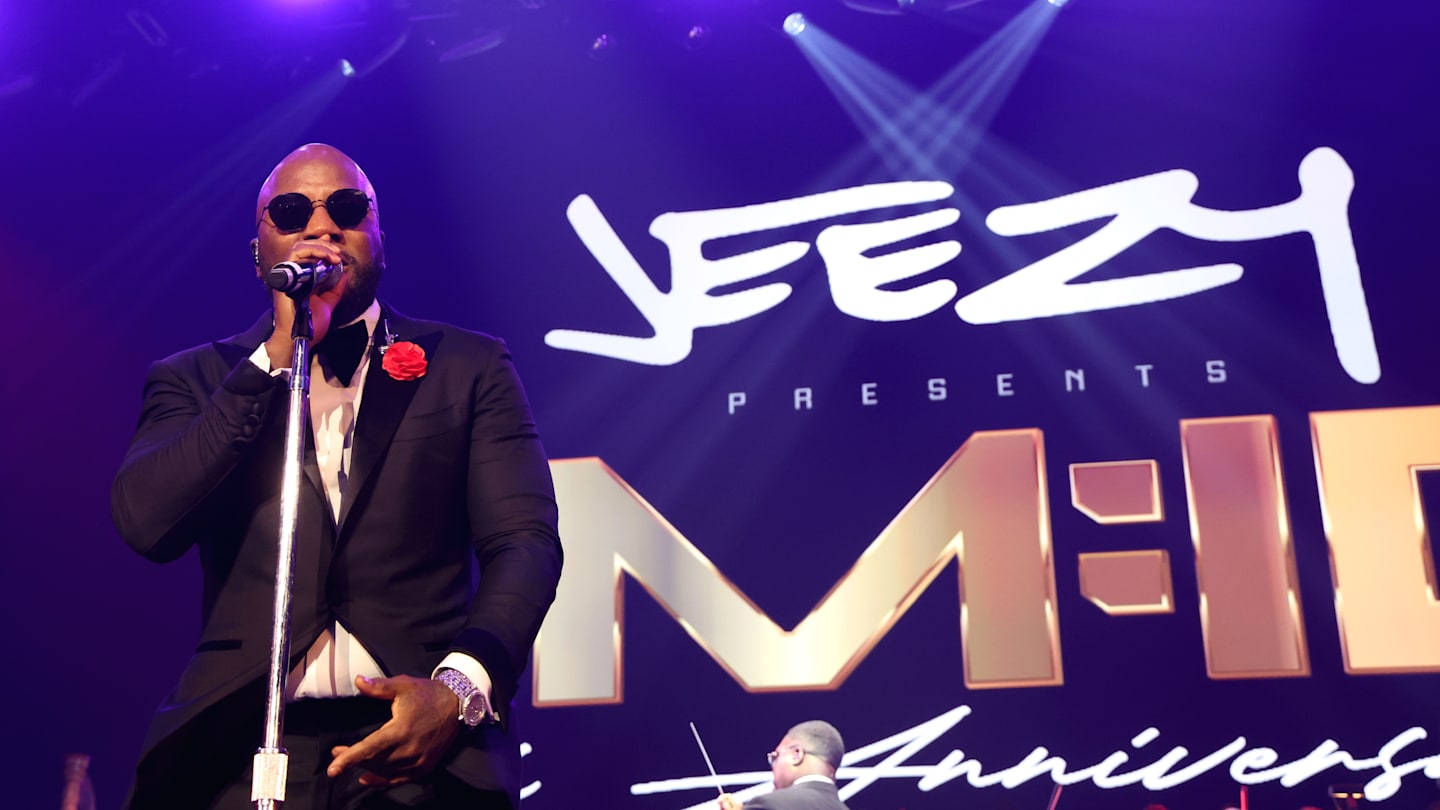
Jeezy’s collaboration with the Atlanta Symphony Orchestra (ASO) represents a pivotal moment in music history where the raw energy of Atlanta trap music met the refined precision of classical instrumentation. This "Classics" performance, conducted by the legendary Derrick Hodge, elevated Jeezy’s street anthems into a symphonic masterpiece, celebrating the enduring legacy of his 2005 debut, Let’s Get It: Thug Motivation 101.
Contents
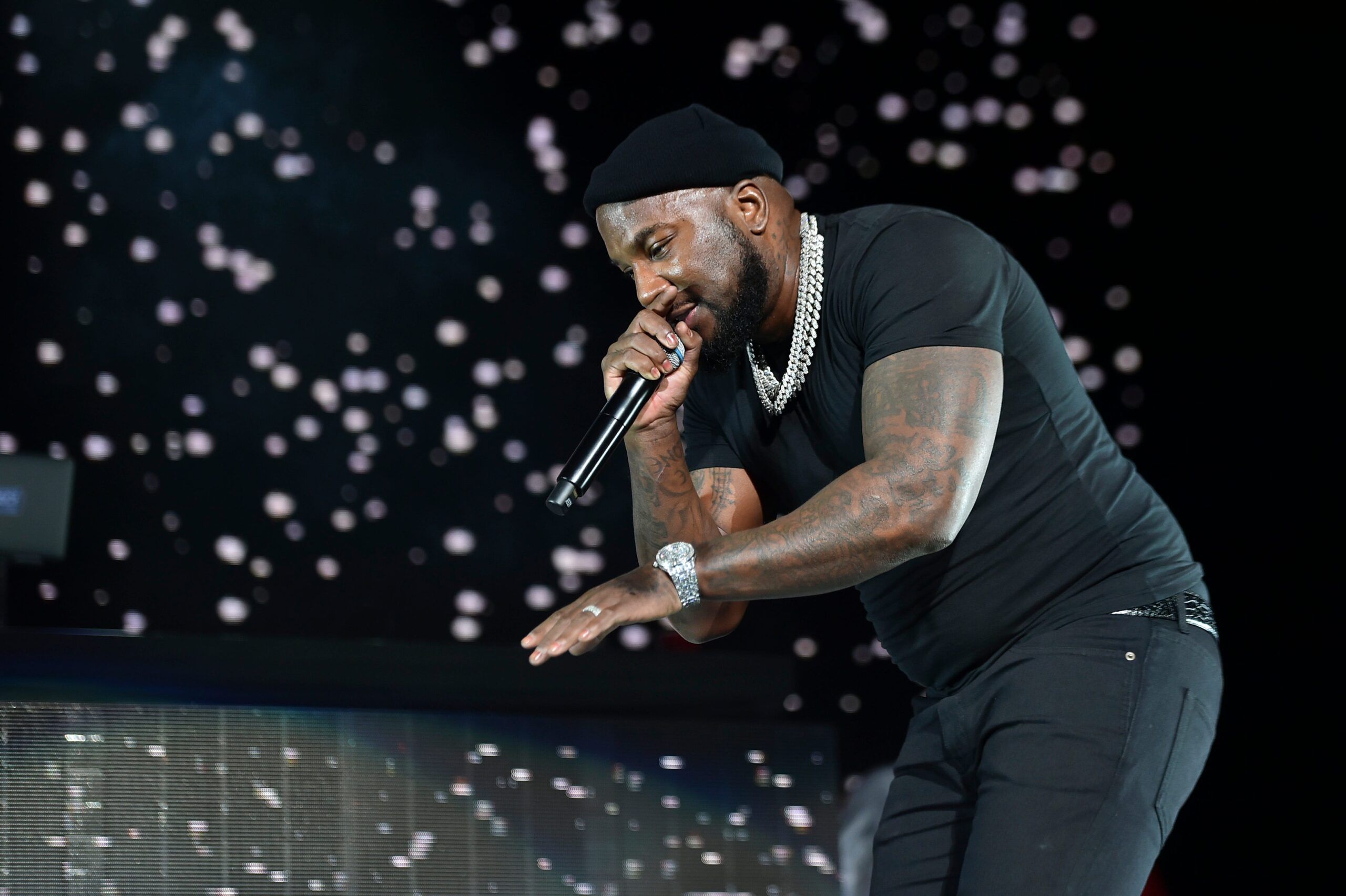
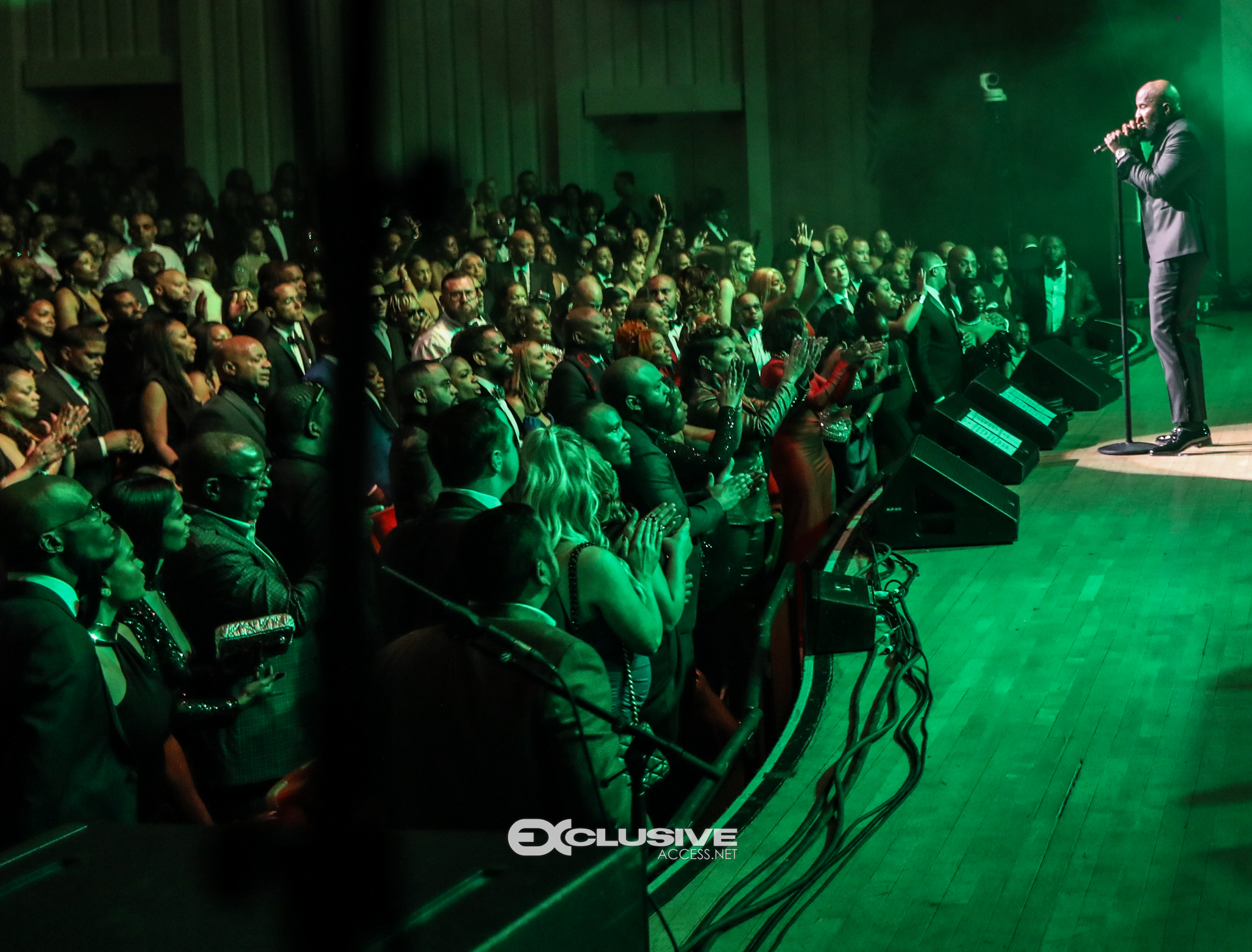
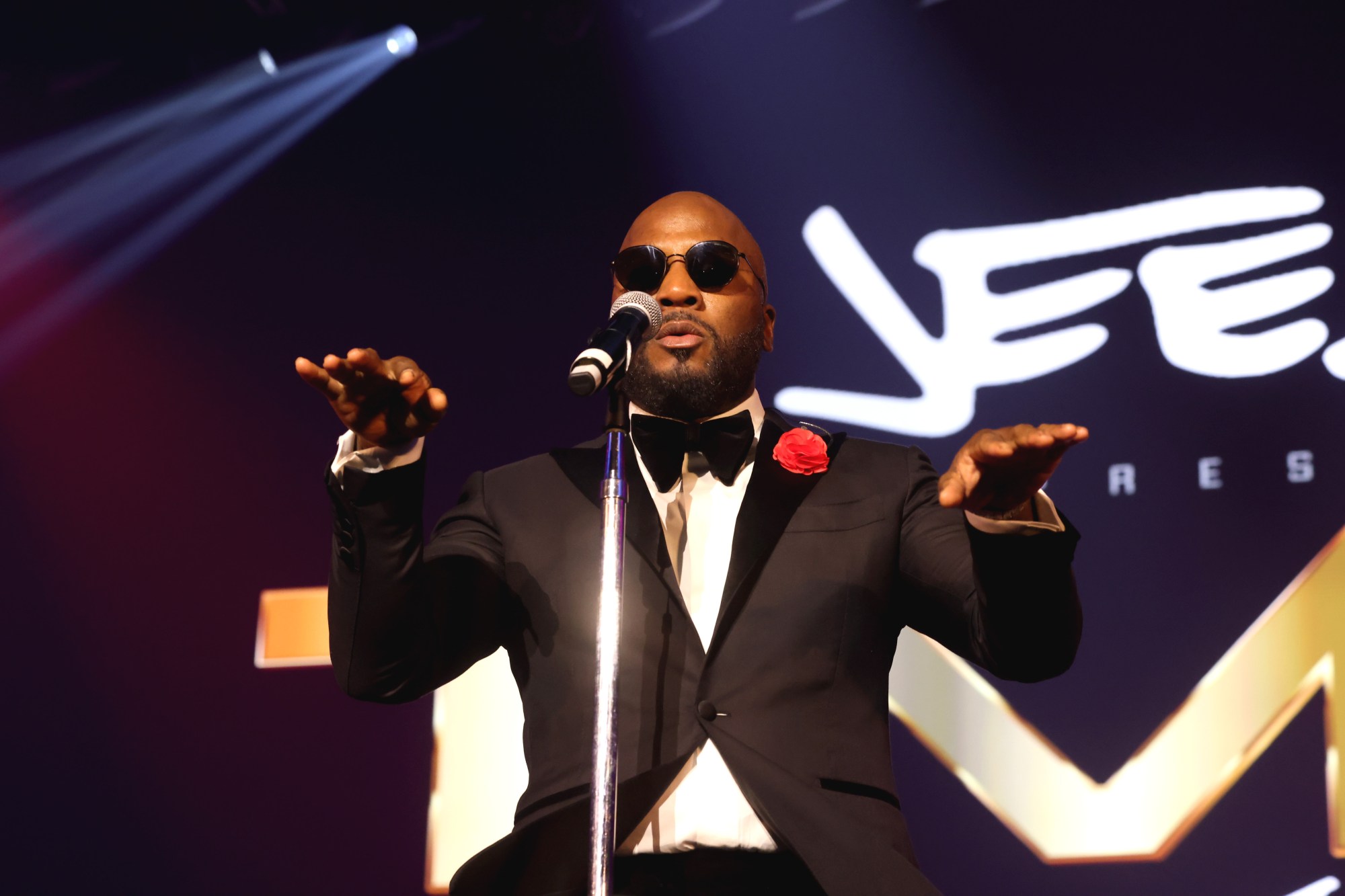
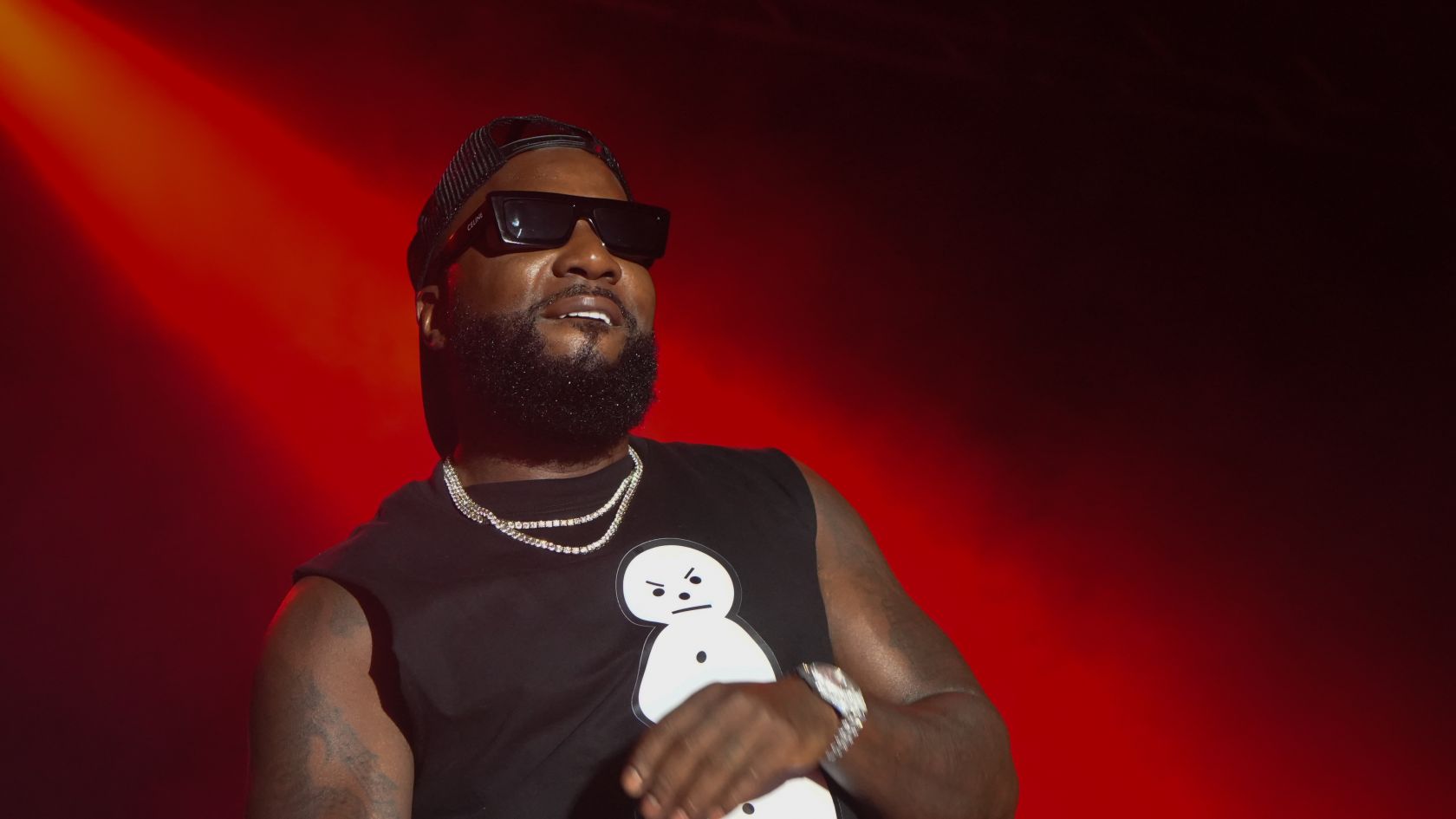
The intersection of hip-hop and classical music is not a new phenomenon, but few collaborations have carried the cultural weight of Jeezy performing with the ASO. In the heart of Atlanta, at the prestigious Symphony Hall within the Woodruff Arts Center, the "Snowman" traded the nightclub's strobe lights for the soft glow of a concert hall. This performance was more than a concert; it was a validation of trap music as a sophisticated art form capable of complexity and emotional depth.
The Evolution of Trap Music into the Orchestral Space
To understand why "Jeezy with an orchestra" is a significant cultural touchstone, one must first recognize the architectural role Jeezy played in the trap genre. In the early 2000s, trap was defined by its gritty, synthesized production—heavy 808 kick drums, rapid-fire hi-hats, and eerie cinematic strings. By 2026, looking back at the evolution of the genre, it is clear that these "cinematic" elements were always destined for a full orchestral arrangement.
The transition from a digital beat to a live score requires a profound understanding of music theory. When an orchestra takes on a track like "Standing Ovation," the synthesized brass hits are replaced by actual trombones and trumpets, providing a resonance and physical pressure that a speaker cannot fully replicate. This shift moves the music from a "vibe" to a "composition," allowing listeners to hear the intricate melodies that were often buried under the heavy bass of the original studio recordings.
The Significance of Atlanta as the Venue
Atlanta serves as the global capital of trap music, making the ASO the only appropriate partner for this venture. The Woodruff Arts Center, which houses the ASO, has historically been a bastion of high art and classical tradition. Bringing a pioneer of the "streets" into this environment was an intentional act of cultural bridge-building. It challenged the notion of what belongs in a symphony hall and who the "classical" audience can be. The sold-out status of these performances, which often saw tickets disappear in seconds, proved that there is a massive appetite for "prestige" hip-hop experiences.
Details of the "Classics" Performance
The primary event that defines this collaboration took place in early 2023, marking the anniversary of Jeezy’s seminal work. However, the ripple effects of this performance are still being felt in 2026 as more artists seek to "symphonize" their catalogs.
The Role of Derrick Hodge
A critical component of the success of Jeezy with the orchestra was the involvement of Derrick Hodge. As a multi-Grammy-winning bassist, composer, and conductor, Hodge acted as the musical translator. His background in jazz (associated with the Robert Glasper Experiment) and his deep ties to hip-hop allowed him to score Jeezy’s music without stripping it of its essential "grit." Hodge didn't just add strings to the background; he reimagined the songs as movements within a larger suite.
The Setlist and Musical Arrangements
The setlist for the ASO performance focused heavily on Thug Motivation 101, but also touched on later hits. The arrangements were designed to highlight the storytelling inherent in Jeezy’s lyrics.
- "Standing Ovation": The opening horns were amplified by the ASO brass section, creating a grand, regal entrance.
- "And Then What": The rhythmic complexity was handled by the percussion section, providing a more organic feel to the song’s famous "bounce."
- "Go Crazy": This track benefited from the swell of the string section, adding a sense of urgency and triumph that matched the lyrical content of a man who had overcome the odds.
- "Soul Survivor": The soulful undertones of the original track were brought to the forefront, with the orchestra's woodwinds adding a layer of melancholy and reflection.
Technical Requirements and Production Challenges
Merging a hip-hop artist with a 50+ piece orchestra is a technical nightmare that requires world-class engineering. The primary challenge is the "sound floor." Hip-hop relies on low-frequency energy (the sub-bass), while an orchestra relies on dynamic range and acoustic clarity.
Balancing the Mix
In a typical Jeezy concert, the vocal is often competing with a loud backing track. In the orchestral setting, the vocal must sit inside the music. Sound engineers use specialized microphones for the string sections to ensure they aren't drowned out by the heavy percussion or Jeezy’s powerful vocal delivery. For the "Classics" show, the audio team had to balance the acoustic output of the ASO with the electronic requirements of a modern rap performance, often using discreet in-ear monitors for the musicians to keep time with the subtle digital elements that remained.
Rehearsal and Composition
Unlike a standard rap show where an artist might perform over a "two-track" (a single audio file), an orchestral show requires every single note to be written out for every instrument. This process, known as transcription and orchestration, can take months. Every "ad-lib" and rhythmic shift in Jeezy’s delivery had to be accounted for so the orchestra could remain in sync.
| Feature | Standard Hip-Hop Concert | Jeezy with ASO |
|---|---|---|
| Instrumentation | DJ / Digital Backing Tracks | 50+ Piece Live Orchestra |
| Venue Type | Arena / Nightclub | Symphony Hall / Arts Center |
| Musical Control | DJ / Software | Conductor (Derrick Hodge) |
| Acoustics | High Volume / High Bass | Natural Resonance / High Fidelity |
| Duration of Prep | Weeks | Months (Orchestration required) |
| Audience Vibe | High Energy / Standing | Attentive / Formal / Emotional |
The Legacy of Hip-Hop and Orchestral Collaborations
Jeezy is part of an elite group of rappers who have successfully made the leap to the symphonic stage. By 2026, this has become a sought-after milestone for "legend-tier" artists.
- Nas with the National Symphony Orchestra: Often cited as the gold standard, Nas performed Illmatic in its entirety at the Kennedy Center. This showed that complex lyricism pairs perfectly with intricate strings.
- Rick Ross with the Red Bull Symphonic: Ross used the orchestra to emphasize the "luxury rap" aesthetic he is known for, turning his music into a cinematic experience.
- Kendrick Lamar with the National Symphony Orchestra: Kendrick utilized the orchestra to lean into the jazz-fusion elements of To Pimp a Butterfly.
Jeezy’s contribution is distinct because his music is rooted in "Trap," a sub-genre that was once dismissed by critics as being too repetitive or "low-brow" for such prestigious settings. By bringing the ASO into his world, Jeezy proved that the struggle, triumph, and "motivation" of trap music are universal themes worthy of the highest musical honors.
Why "Thug Motivation 101" Works with Strings
The reason Thug Motivation 101 translates so well to an orchestra is its inherent drama. The album was always meant to sound "big." The original producers—like Shawty Redd and Justice League—used synthesized orchestral hits to create a sense of scale. When you replace those synths with the real thing, the music doesn't change its identity; it simply fulfills its original promise.
The emotional arc of the album—moving from the struggle of the streets to the success of the music industry—mimics the structure of a classical symphony. There are moments of tension (the minor key melodies), moments of release (the soaring choruses), and a consistent "leitmotif" of resilience that Jeezy carries through his vocal performance.
Frequently Asked Questions
Can I watch Jeezy’s orchestral performance online?
While full high-definition recordings are occasionally licensed for streaming services or special broadcasts, the "Classics" performance with the ASO was primarily a live experience. Snippets and official recap videos are available on Jeezy’s official YouTube channel and social media pages, providing a glimpse into the production quality and atmosphere.
Is there a live album of Jeezy with the orchestra?
As of 2026, fans have consistently petitioned for a high-fidelity live album release. While several "unplugged" or "symphonic" tracks have appeared on special editions of his projects, a complete, standalone "Jeezy with the ASO" live album remains one of the most requested items in his discography.
How do ticket prices for orchestral shows compare to regular tours?
Generally, tickets for orchestral collaborations are more expensive due to the overhead costs. Hiring a full symphony orchestra, a conductor, and securing a world-class arts center involves significant financial investment. These shows are often treated as "one-night-only" or "limited engagement" events, leading to higher demand and premium pricing in the secondary market.
Did Jeezy change his lyrics or style for the symphony?
No. One of the most praised aspects of the Jeezy/ASO collaboration was that he remained authentically himself. He did not "water down" the lyrical content or the intensity of his delivery. The orchestra adapted to him, creating a fusion where the street-centric narrative was elevated by the music, not diminished by it.
Final Recommendation
For those looking to understand the intersection of modern street culture and classical tradition, exploring Jeezy’s work with the Atlanta Symphony Orchestra is essential. It serves as a masterclass in how to evolve an artist's brand while maintaining core authenticity. If you are a fan of hip-hop production, seek out the credits of Derrick Hodge to see how these arrangements come to life. For the best experience, listen to the original Thug Motivation 101 and then watch the available orchestral clips to appreciate the technical transformation of the sound.
Image Gallery